Sondergaard S, Larsson J S, Möller P W
Centre of Elective Surgery, Department of Anaesthesia and Intensive Care, Silkeborg Regional Hospital, Silkeborg, Denmark.
Swedish Armed Forces, Stockholm, Sweden.
Intensive Care Med Exp. 2019 Mar 4;7(1):13. doi: 10.1186/s40635-019-0224-7.
Recent studies in haemodynamic management have focused on fluid management and assessed its effects in terms of increase in cardiac output based on fluid challenges or variations in pulse pressure caused by cyclical positive pressure ventilation. The theoretical scope may be characterised as Starling-oriented. This approach ignores the actual events of right-sided excitation and left-sided response which is consistently described in a Guyton-oriented model of the cardiovascular system.
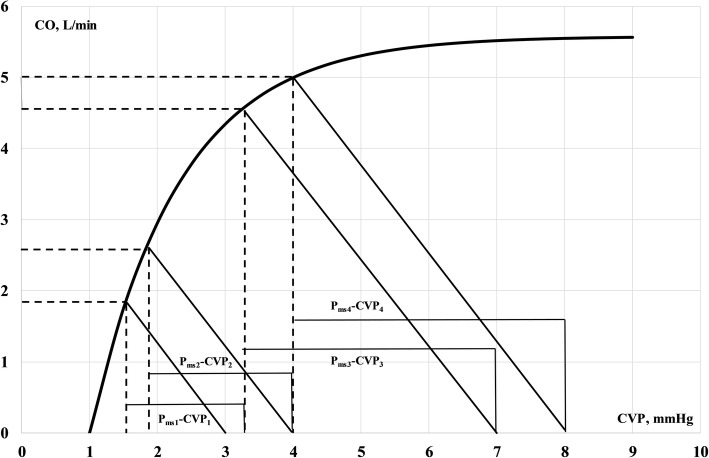
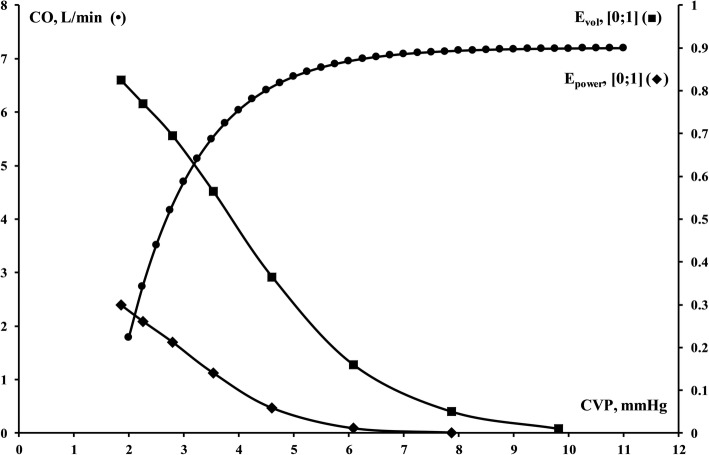
Based on data from a previous study, we aim to elucidate the primary response to crystalloid and colloid fluids in terms of cardiac output, mean blood pressure and right atrial pressure as well as derived and efficiency variables defined in terms of Guyton venous return physiology.
Re-analyses of previously published data.
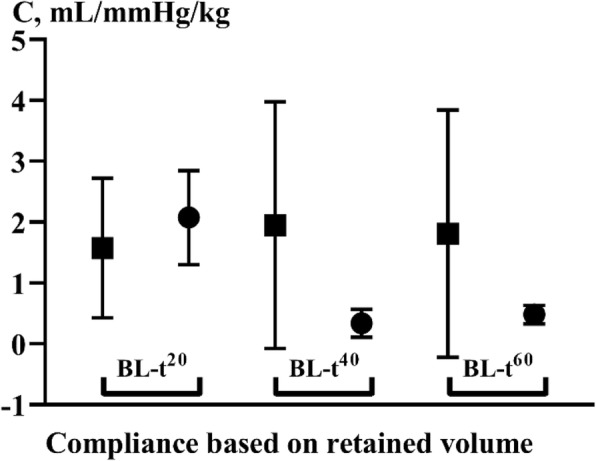
Cardiac output invariably increased on infusion of crystalloid and colloid solutions, whereas static and dynamic efficiency measures declined in spite of increasing pressure gradient for venous return.
We argue that primary as well as derived and efficiency measures should be reported and discussed when haemodynamic studies are reported involving fluid administrations.
近期关于血流动力学管理的研究聚焦于液体管理,并基于液体负荷试验中心输出量的增加或周期性正压通气引起的脉压变化来评估其效果。理论范围可被描述为以斯塔林定律为导向。这种方法忽略了在以盖顿心血管系统模型中一直描述的右侧兴奋和左侧反应的实际情况。
基于先前一项研究的数据,我们旨在阐明晶体液和胶体液输注对心输出量、平均血压和右心房压力的主要反应,以及根据盖顿静脉回流生理学定义的派生变量和效率变量。
对先前发表的数据进行重新分析。
输注晶体液和胶体溶液时心输出量总是增加,而尽管静脉回流压力梯度增加,但静态和动态效率指标却下降。
我们认为,在报告涉及液体给药的血流动力学研究时,应报告并讨论主要指标以及派生指标和效率指标。