Department of Chemistry, Johns Hopkins University, Baltimore, MD.
Division of Cardiology, Johns Hopkins School of Medicine, Baltimore, MD.
J Gen Physiol. 2019 Jun 3;151(6):758-770. doi: 10.1085/jgp.201812208. Epub 2019 Mar 6.
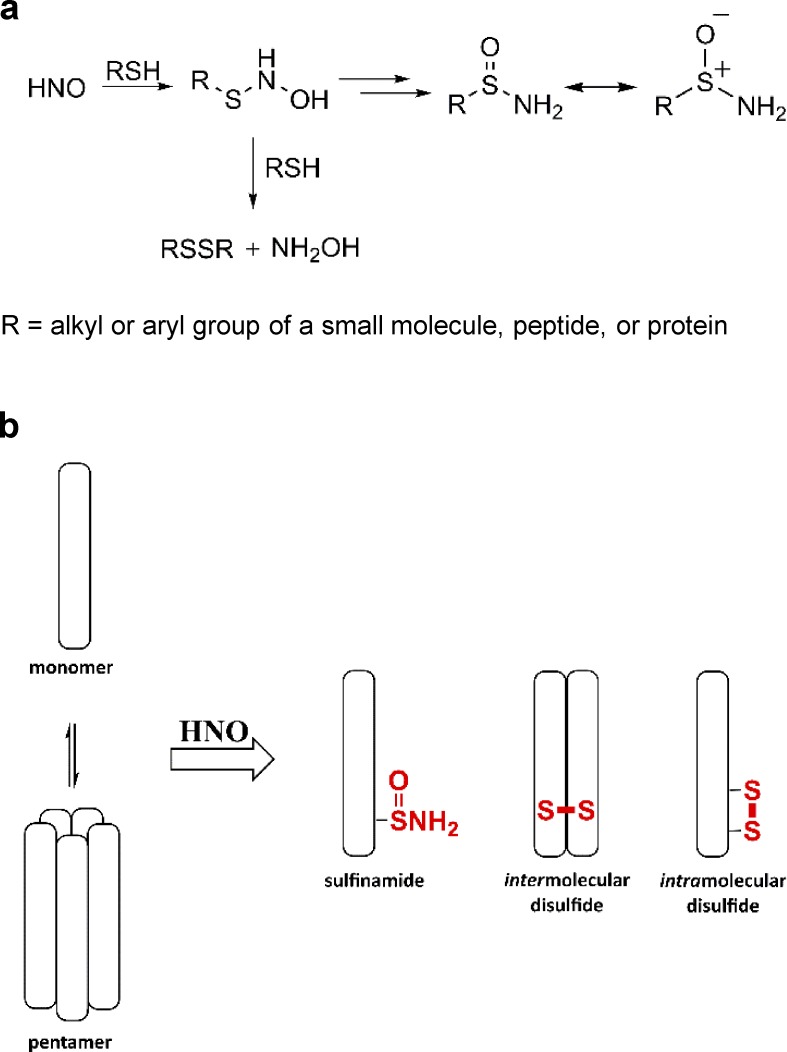
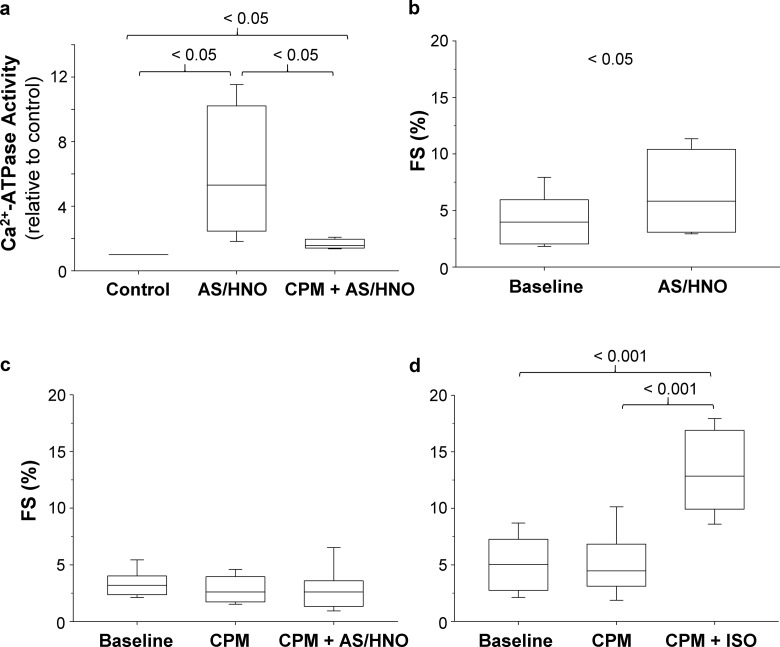
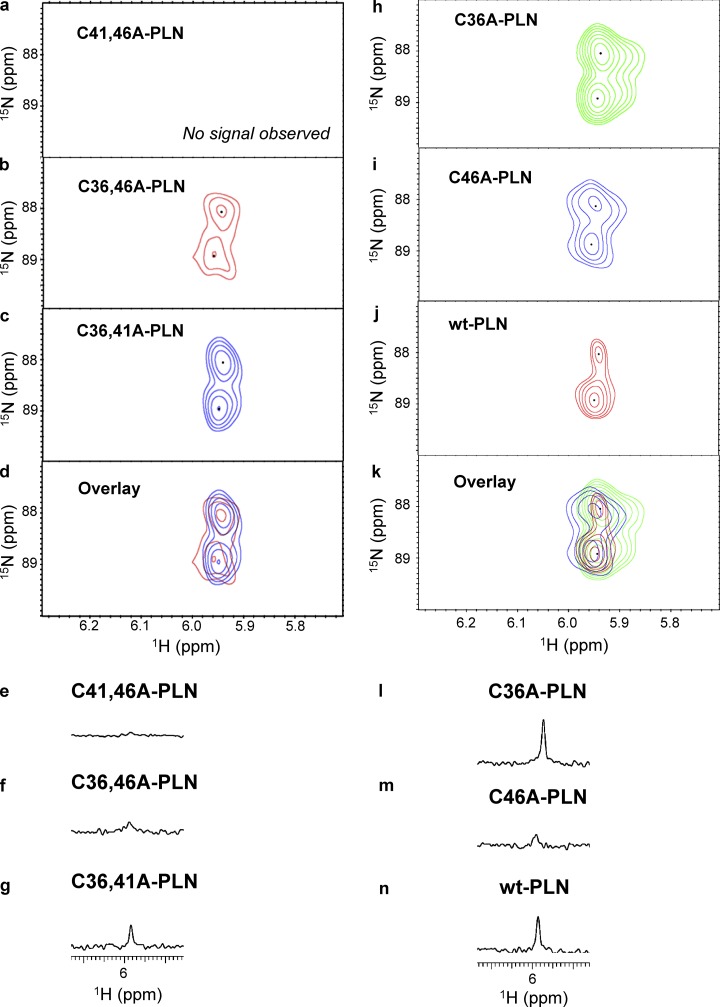
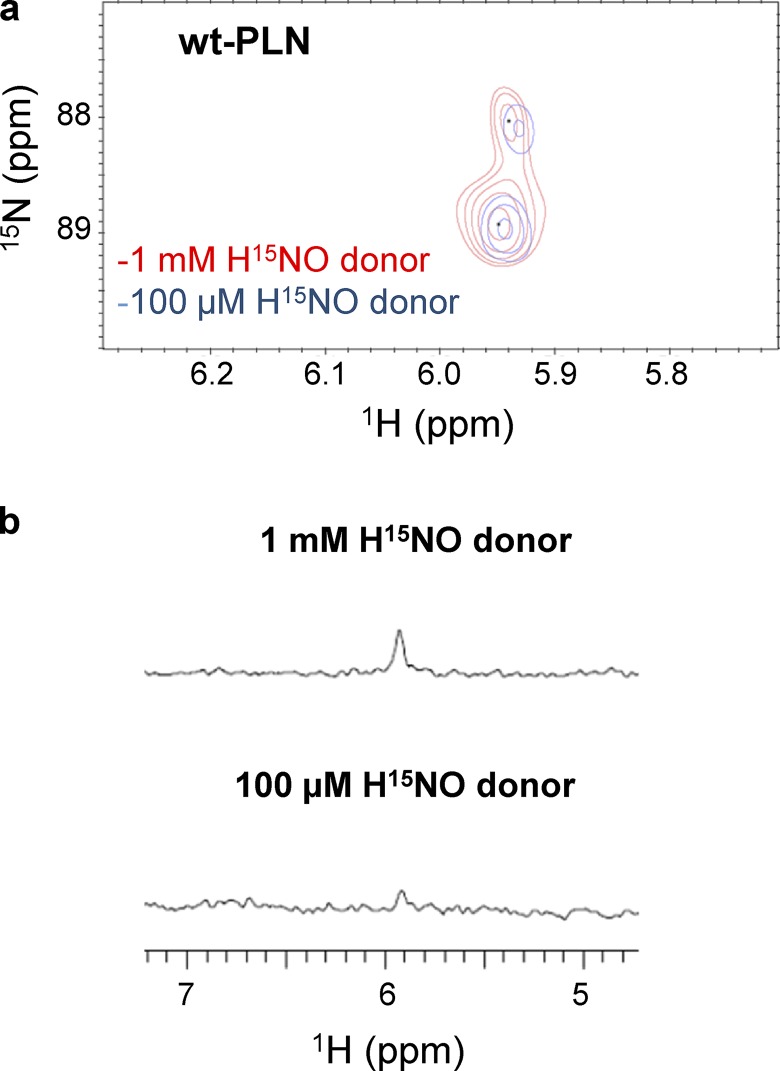
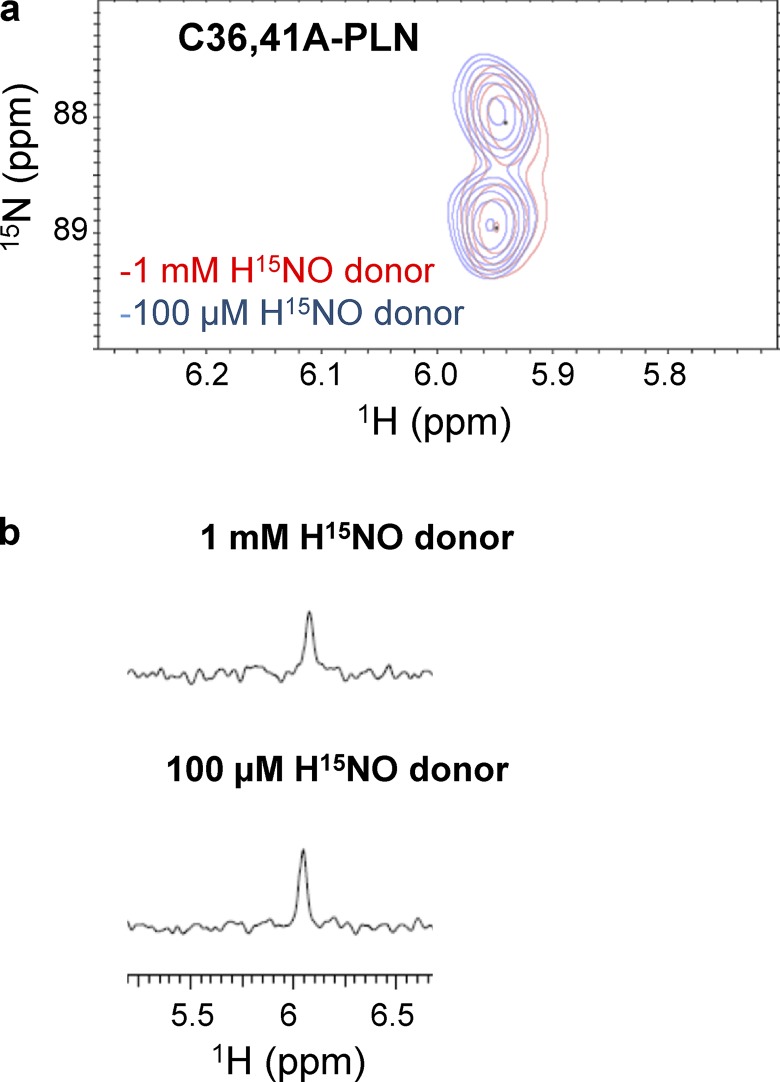
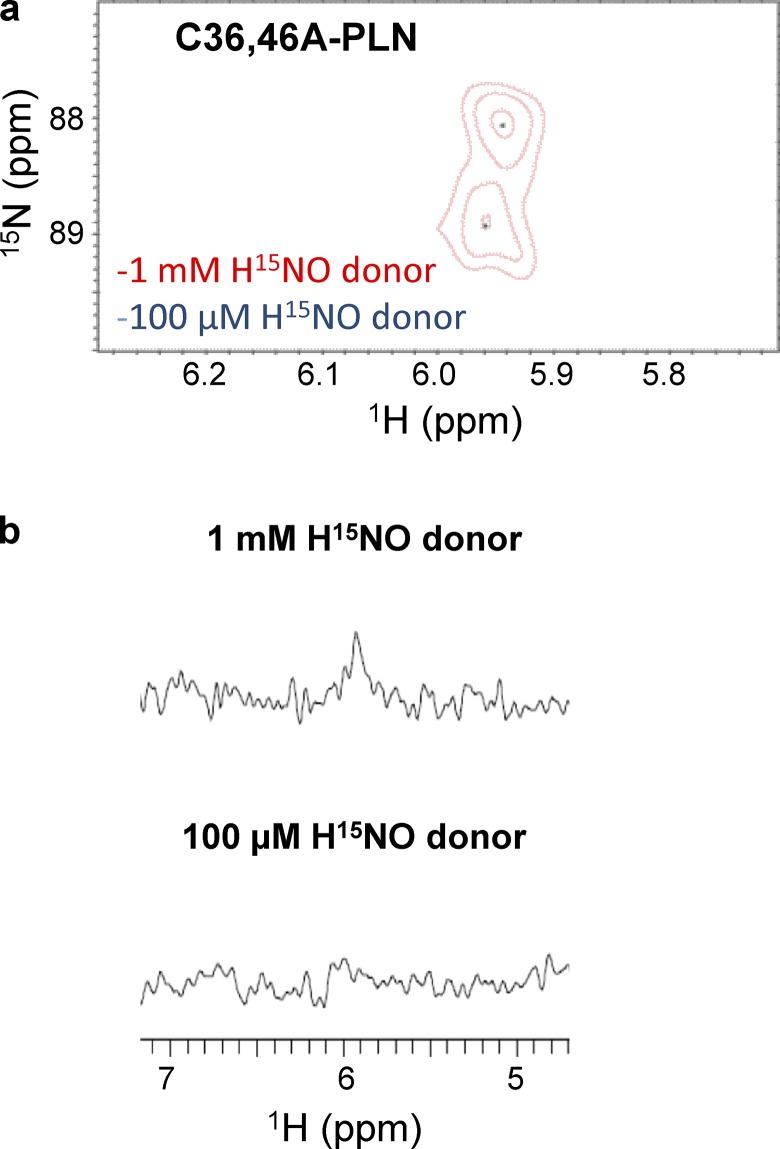
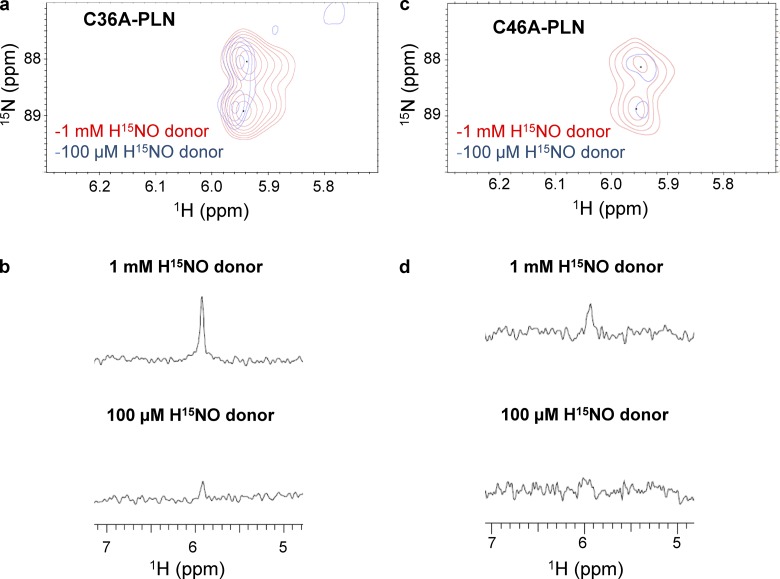
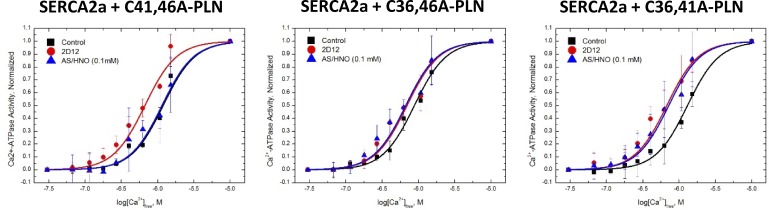
Nitroxyl (HNO) positively modulates myocardial function by accelerating Ca reuptake into the sarcoplasmic reticulum (SR). HNO-induced enhancement of myocardial Ca cycling and function is due to the modification of cysteines in the transmembrane domain of phospholamban (PLN), which results in activation of SR Ca-ATPase (SERCA2a) by functionally uncoupling PLN from SERCA2a. However, which cysteines are modified by HNO, and whether HNO induces reversible disulfides or single cysteine sulfinamides (RS(O)NH) that are less easily reversed by reductants, remain to be determined. Using an N-edited NMR method for sulfinamide detection, we first demonstrate that Cys46 and Cys41 are the main targets of HNO reactivity with PLN. Supporting this conclusion, mutation of PLN cysteines 46 and 41 to alanine reduces the HNO-induced enhancement of SERCA2a activity. Treatment of WT-PLN with HNO leads to sulfinamide formation when the HNO donor is in excess, whereas disulfide formation is expected to dominate when the HNO/thiol stoichiometry approaches a 1:1 ratio that is more similar to that anticipated in vivo under normal, physiological conditions. Thus, N-edited NMR spectroscopy detects redox changes on thiols that are unique to HNO, greatly advancing the ability to detect HNO footprints in biological systems, while further differentiating HNO-induced post-translational modifications from those imparted by other reactive nitrogen or oxygen species. The present study confirms the potential of HNO as a signaling molecule in the cardiovascular system.
硝酰(HNO)通过加速肌浆网(SR)内 Ca 的重摄取,积极调节心肌功能。HNO 诱导的心肌 Ca 循环和功能增强归因于磷蛋白(PLN)跨膜域中半胱氨酸的修饰,这导致 PLN 与 SERCA2a 的功能解偶联,从而激活 SR Ca-ATP 酶(SERCA2a)。然而,HNO 修饰了哪些半胱氨酸,以及 HNO 是否诱导可逆的二硫键或单半胱氨酸亚磺酰胺(RS(O)NH),还原剂较难还原这些二硫键或单半胱氨酸亚磺酰胺,这些仍有待确定。我们使用 N 编辑 NMR 方法检测亚磺酰胺,首次证明 Cys46 和 Cys41 是 HNO 与 PLN 反应的主要靶标。支持这一结论,PLN 半胱氨酸 46 和 41 突变为丙氨酸可降低 HNO 诱导的 SERCA2a 活性增强。当 HNO 供体过量时,用 HNO 处理 WT-PLN 会导致亚磺酰胺形成,而当 HNO/硫醇计量比接近更接近正常生理条件下体内预期的 1:1 比例时,预计会形成二硫键。因此,N 编辑 NMR 光谱检测到的仅与 HNO 相关的硫醇的氧化还原变化,极大地提高了在生物系统中检测 HNO 足迹的能力,同时进一步区分了 HNO 诱导的翻译后修饰与其他活性氮或氧物种所引起的修饰。本研究证实了 HNO 作为心血管系统信号分子的潜力。