AlHazaa Abdulaziz, Alhoweml Ibrahim, Shar Muhammad Ali, Hezam Mahmoud, Abdo Hany Sayed, AlBrithen Hamad
Research Chair for Tribology, Surface, and Interface Sciences, Department of Physics and Astronomy, College of Science, King Saud University, P.O. Box 2455, Riyadh 11451, Saudi Arabia.
King Abdullah Institute for nanotechnology, King Saud University, P.O. Box 2455, Riyadh 11451, Saudi Arabia.
Materials (Basel). 2019 Mar 6;12(5):769. doi: 10.3390/ma12050769.
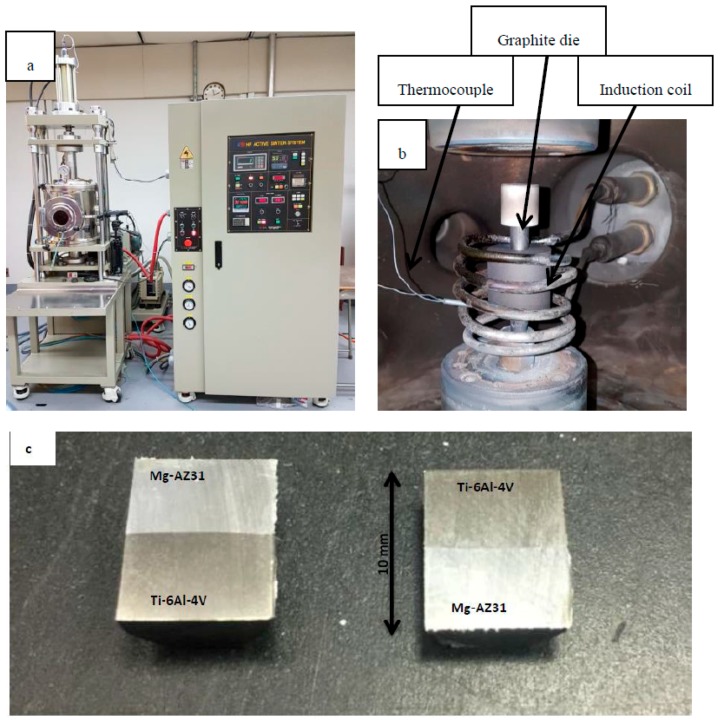
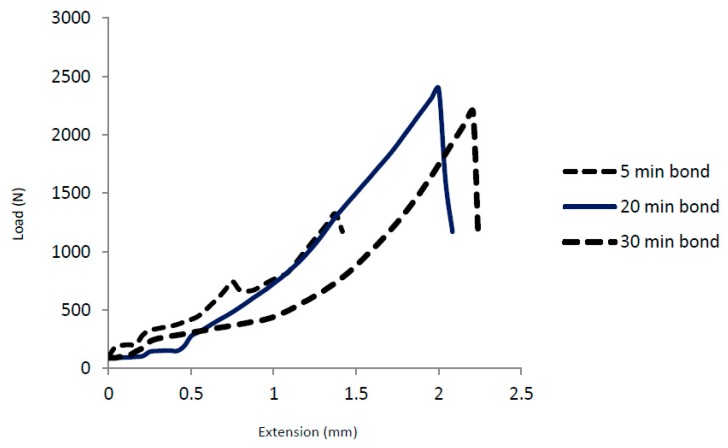
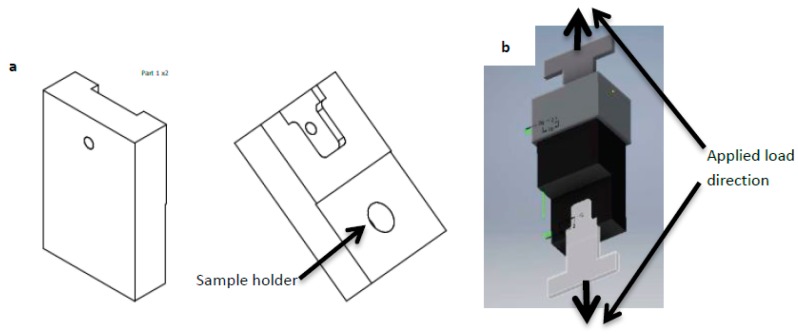
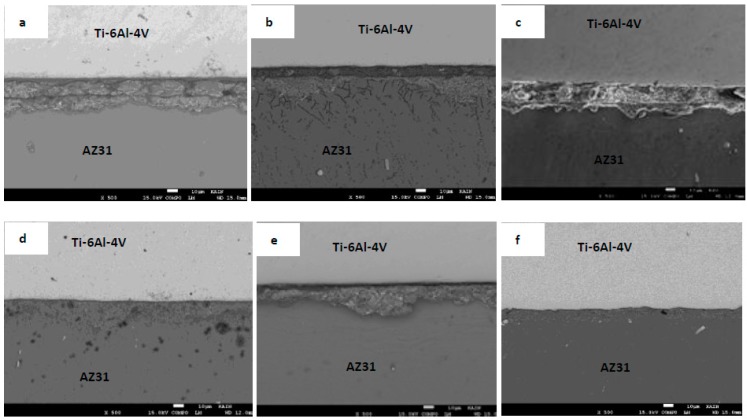
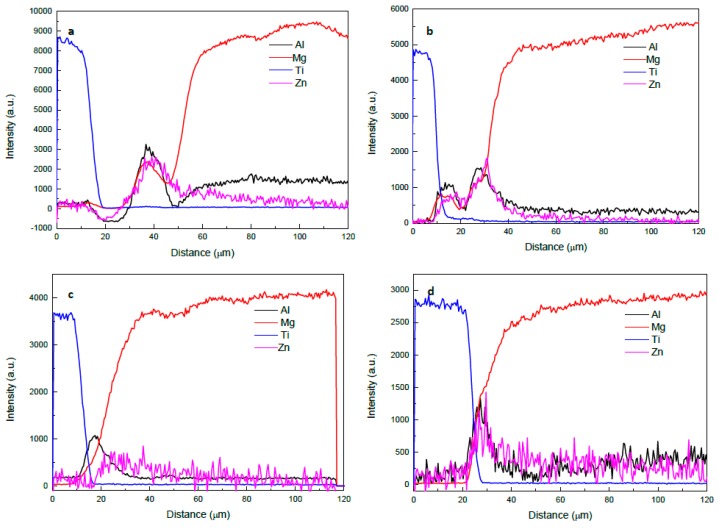
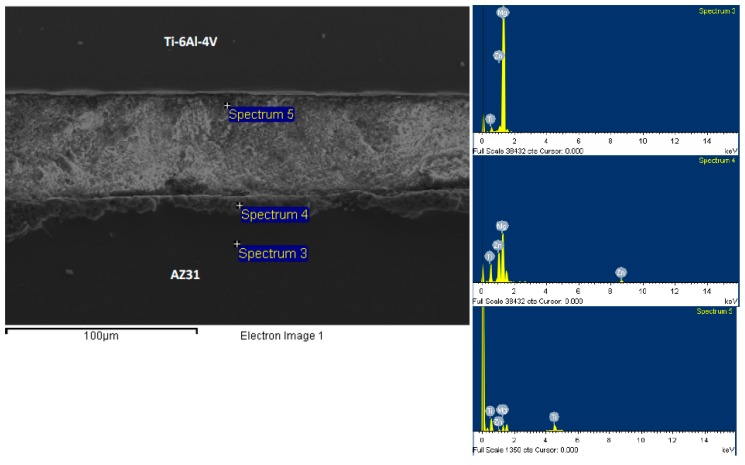
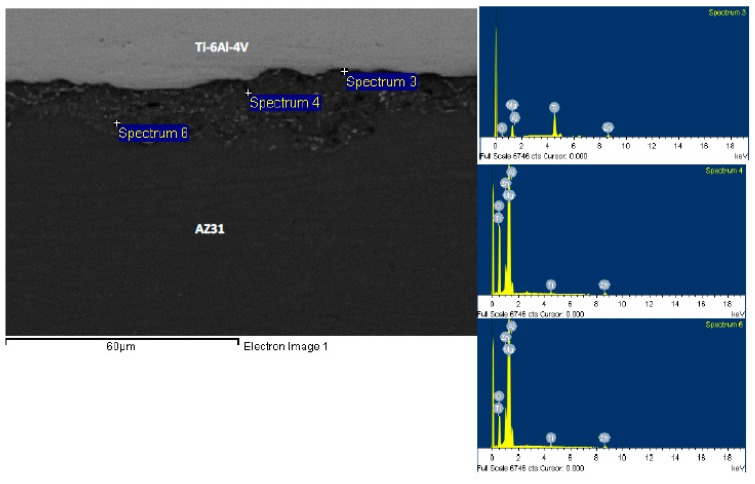
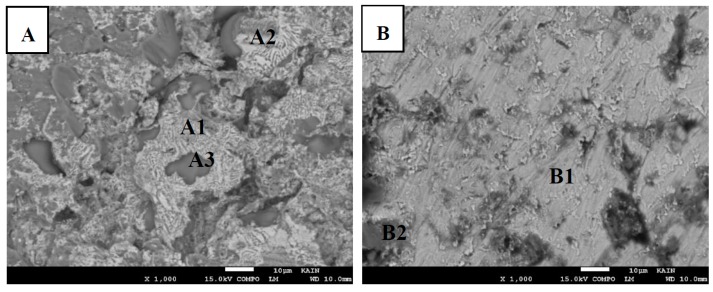
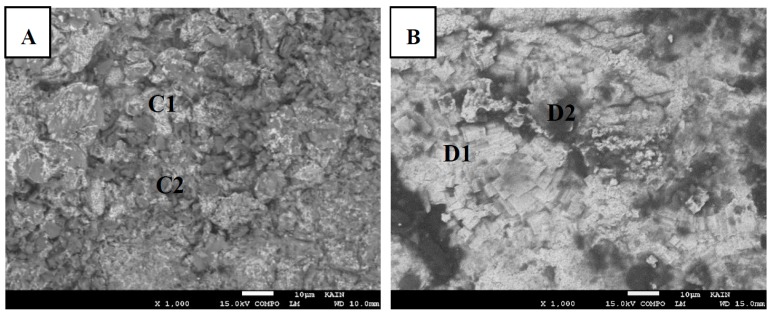
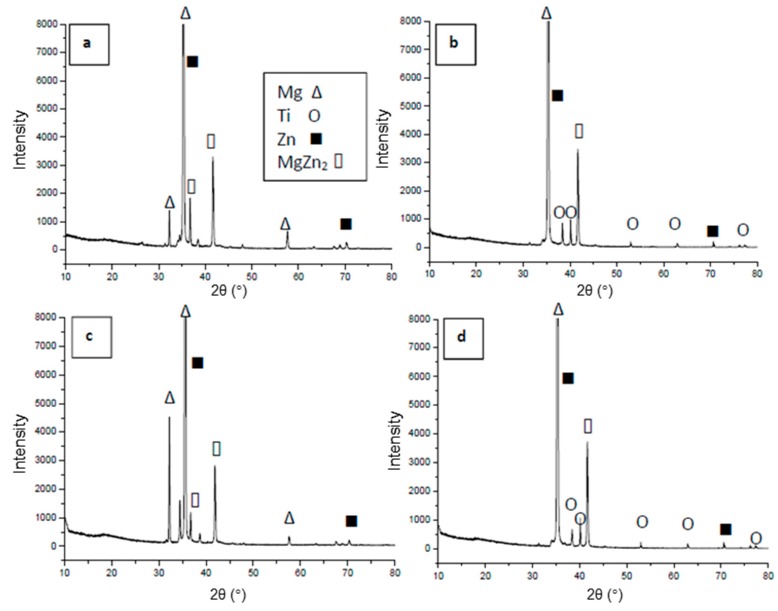
Ti-6Al-4V and Mg-AZ31 were bonded together using the Transient Liquid Phase Bonding Process (TLP) after coating both surfaces with zinc. The zinc coatings were applied using the screen printing process of zinc paste. Successful bonds were obtained in a vacuum furnace at 500 °C and under a uniaxial pressure of 1 MPa using high frequency induction heat sintering furnace (HFIHS). Various bonding times were selected and all gave solid joints. The bonds were successfully achieved at 5, 10, 15, 20, 25, and 30 min. The energy dispersive spectroscopy (EDS) line scan confirmed the diffusion of Zn in both sides but with more diffusion in the Mg side. Diffusion of Mg into the joint region was detected with significant amounts at bonds made for 20 min and above, which indicate that the isothermal solidification was achieved. In addition, Ti and Al from the base alloys were diffused into the joint region. Based on microstructural analysis, the joint mechanism was attributed to the formation of solidified mixture of Mg and Zn at the joint region with a presence of diffused Ti and Al. This conclusion was also supported by structural analysis of the fractured surfaces as well as the analysis across the joint region. The fractured surfaces were analyzed and it was concluded that the fractures occurred within the joint region where ductile fractures were observed. The strength of the joint was evaluated by shear test and found that the maximum shear strength achieved was 30.5 MPa for the bond made at 20 min.
在Ti-6Al-4V和Mg-AZ31的两个表面都涂上锌之后,采用瞬态液相连接工艺(TLP)将它们连接在一起。锌涂层是通过丝网印刷锌膏的工艺施加的。使用高频感应热烧结炉(HFIHS),在500℃的真空炉中以及1MPa的单轴压力下获得了成功的连接。选择了不同的连接时间,所有连接都得到了牢固的接头。在5、10、15、20、25和30分钟时都成功实现了连接。能量色散光谱(EDS)线扫描证实了锌在两侧的扩散,但在镁侧扩散更多。在20分钟及以上时间制成的接头中检测到大量镁扩散到接头区域,这表明实现了等温凝固。此外,基体合金中的钛和铝也扩散到了接头区域。基于微观结构分析,接头机制归因于在接头区域形成了镁和锌的凝固混合物,同时存在扩散的钛和铝。断口表面的结构分析以及接头区域的分析也支持了这一结论。对接头断口表面进行了分析,得出断裂发生在接头区域内,观察到的是韧性断裂。通过剪切试验对接头强度进行了评估,发现20分钟制成的接头的最大剪切强度达到30.5MPa。