Center for Prevention and Therapy of Gynecological Cancers, Department of Research, Buddhist Tzu Chi General Hospital, Hualien, Taiwan, ROC; Department of Life Science, Institute of Biotechnology National Dong Hwa University, Hualien, Taiwan.
Center for Prevention and Therapy of Gynecological Cancers, Department of Research, Buddhist Tzu Chi General Hospital, Hualien, Taiwan, ROC.
EBioMedicine. 2019 Mar;41:597-609. doi: 10.1016/j.ebiom.2019.01.061. Epub 2019 Mar 7.
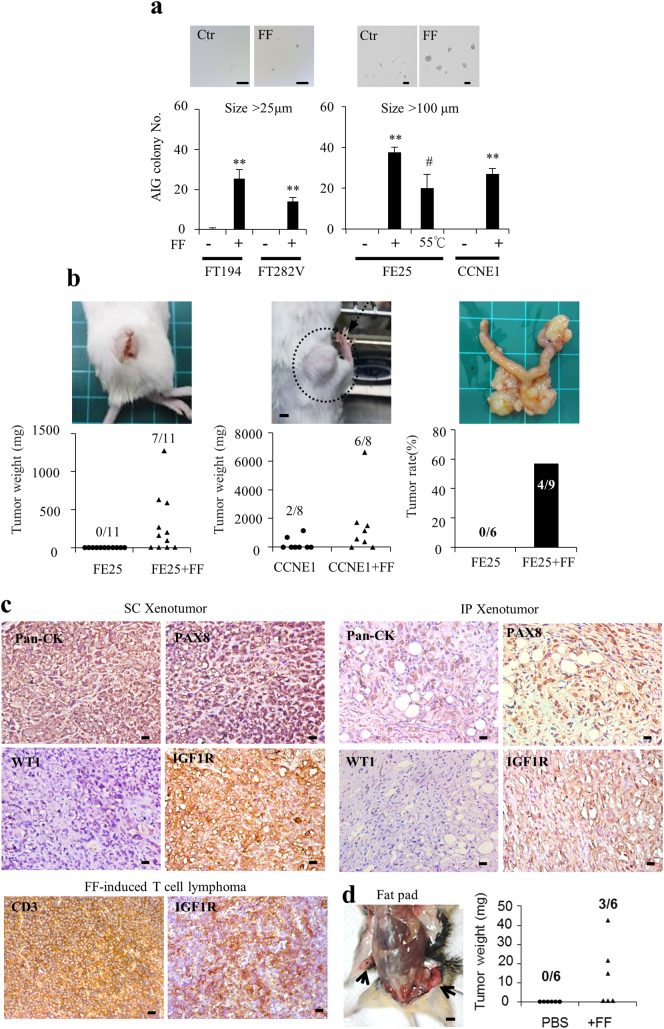
The fallopian tube fimbria is regarded as the main tissue of origin and incessant ovulation as the main risk factor of ovarian high-grade serous carcinoma. Previously, we discovered the tumorigenesis activity of human ovulatory follicular fluid (FF) upon injection to the mammary fat pad of Trp53-null mice. We also found a mutagenesis activity of FF-ROS and a apoptosis-rescuing activity of Hb from retrograde menstruation. However, neither of them can explain the tumorigenesis activities of FF.
From two cohorts of ovulatory FF retrieved from IVF patients, the main growth factor responsible for the transformation of human fimbrial epithelial cells was identified. Mechanism of activation, ways of signal transduction of the growth factor, as well as the cellular and genetic phenotypes of the malignant transformation was characterized.
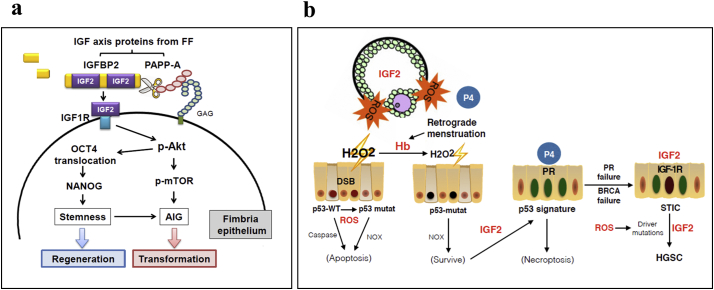
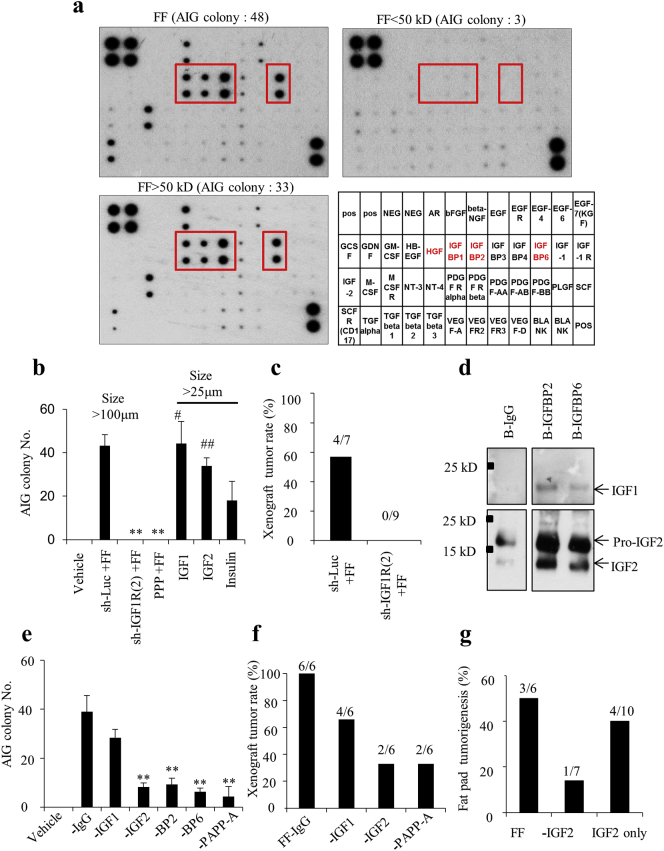
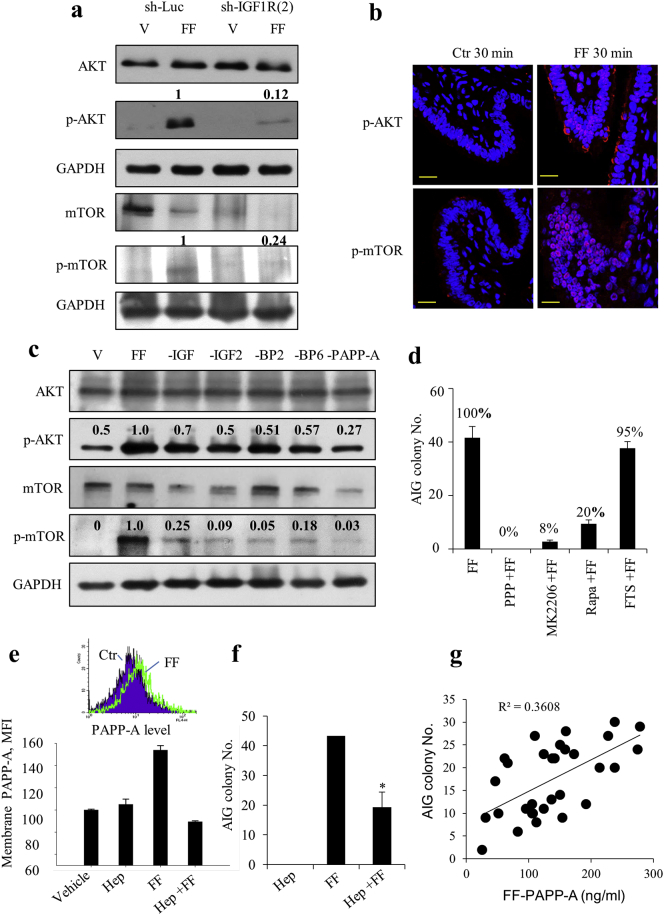
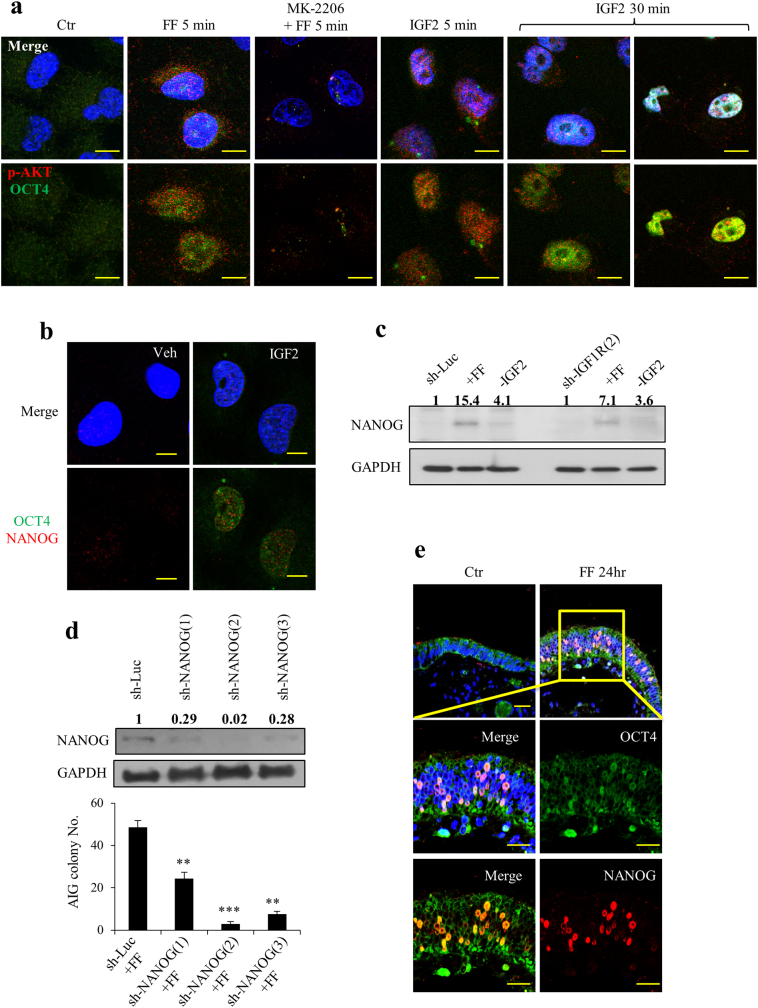
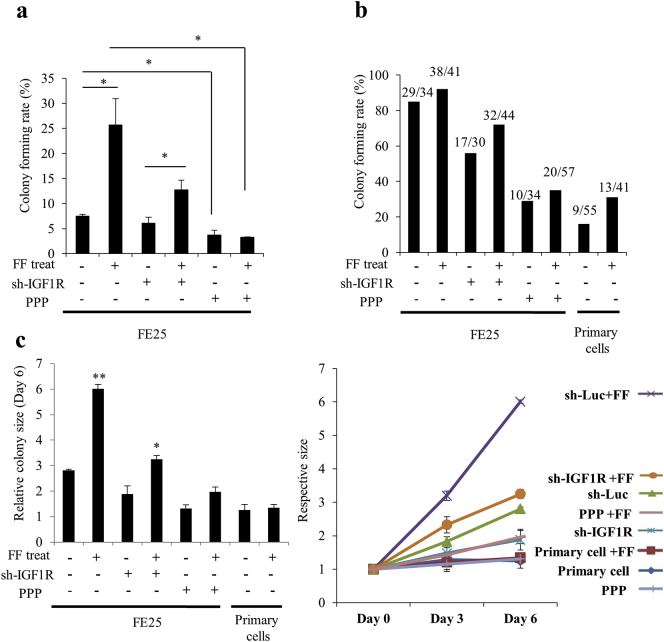
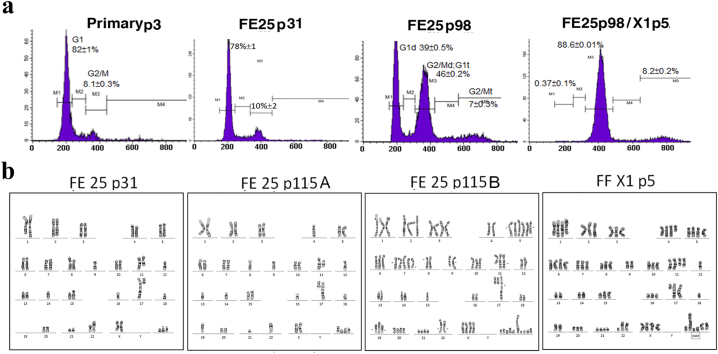
In this study, we showed that insulin-like growth factor (IGF)-axis proteins, including IGFBP-bound IGF2 as well as the IGFBP-lytic enzyme PAPP-A, are abundantly present in FF. Upon engaging with glycosaminoglycans on the membrane of fimbrial epithelial cells, PAPP-A cleaves IGFBPs and releases IGF2 to bind with IGF-1R. Through the IGF-1R/AKT/mTOR and IGF-1R/AKT/NANOG pathways, FF-IGF leads to stemness and survival, and in the case of TP53/Rb or TP53/CCNE1 loss, to clonal expansion and malignant transformation of fimbrial epithelial cells. By depleting each IGF axis component from FF, we proved that IGF2, IGFBP2/6, and PAPP-A are all essential and confer the majority of the transformation and regeneration activities.
This study revealed that the FF-IGF axis functions to regenerate tissue damage after ovulation and promote the transformation of fimbrial epithelial cells that have been initiated by p53- and Rb-pathway disruptions. FUND: The study was supported by grants of the Ministry of Science and Technology, Taiwan (MOST 106-2314-B-303-001-MY2; MOST 105-2314-B-303-017-MY2; MOST 107-2314-B-303-013-MY3), and Buddhist Tzu Chi General Hospital, Taiwan (TCMMP104-04-01).
输卵管伞端被认为是卵巢高级别浆液性癌的主要组织起源,而持续排卵则是其主要的风险因素。此前,我们发现人类排卵卵泡液(FF)在注射到 Trp53 缺失的小鼠乳腺脂肪垫后具有致瘤活性。我们还发现 FF-ROS 具有致突变活性,逆行月经中的 Hb 具有抗细胞凋亡活性。然而,这两种活性都不能解释 FF 的致瘤作用。
从两个队列的 IVF 患者采集的排卵 FF 中,鉴定出负责人输卵管伞端上皮细胞转化的主要生长因子。对生长因子的激活机制、信号转导途径,以及恶性转化的细胞和遗传表型进行了研究。
在本研究中,我们发现胰岛素样生长因子(IGF)-轴蛋白,包括 IGFBP 结合的 IGF2 以及 IGFBP 裂解酶 PAPP-A,在 FF 中大量存在。PAPP-A 与输卵管伞端上皮细胞表面的糖胺聚糖结合后,可裂解 IGFBPs,释放 IGF2 与 IGF-1R 结合。通过 IGF-1R/AKT/mTOR 和 IGF-1R/AKT/NANOG 通路,FF-IGF 导致干细胞特性和存活,在 TP53/Rb 或 TP53/CCNE1 缺失的情况下,导致输卵管伞端上皮细胞的克隆扩增和恶性转化。通过从 FF 中去除每个 IGF 轴成分,我们证明 IGF2、IGFBP2/6 和 PAPP-A 都是必需的,并且赋予了大部分转化和再生活性。
本研究揭示了 FF-IGF 轴在排卵后组织损伤修复以及促进已被 p53 和 Rb 通路破坏的输卵管伞端上皮细胞转化方面发挥作用。
本研究得到了科技部(MOST 106-2314-B-303-001-MY2;MOST 105-2314-B-303-017-MY2;MOST 107-2314-B-303-013-MY3)和台湾佛教慈济综合医院(TCMMP104-04-01)的资助。