Munoz Jessian L, Walker Nykia D, Mareedu Satvik, Pamarthi Sri Harika, Sinha Garima, Greco Steven J, Rameshwar Pranela
Rutgers New Jersey Medical School, Rutgers University, Newark, NJ, United States.
Rutgers School of Graduate Studies at New Jersey Medical School, Rutgers University, Newark, NJ, United States.
Front Pharmacol. 2019 Feb 22;10:134. doi: 10.3389/fphar.2019.00134. eCollection 2019.
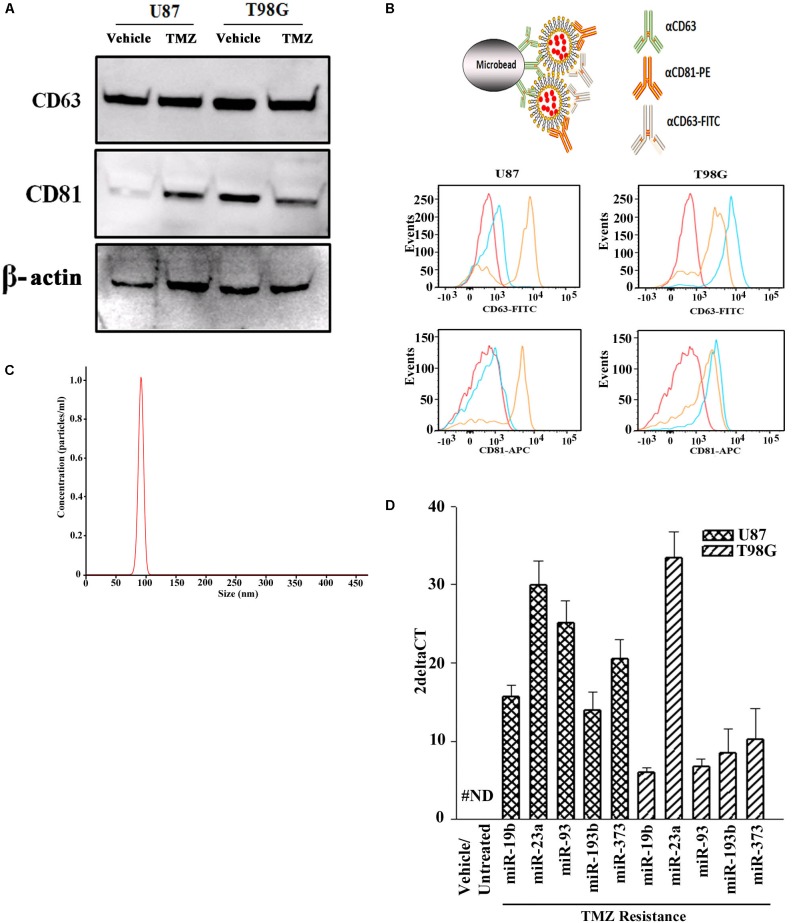
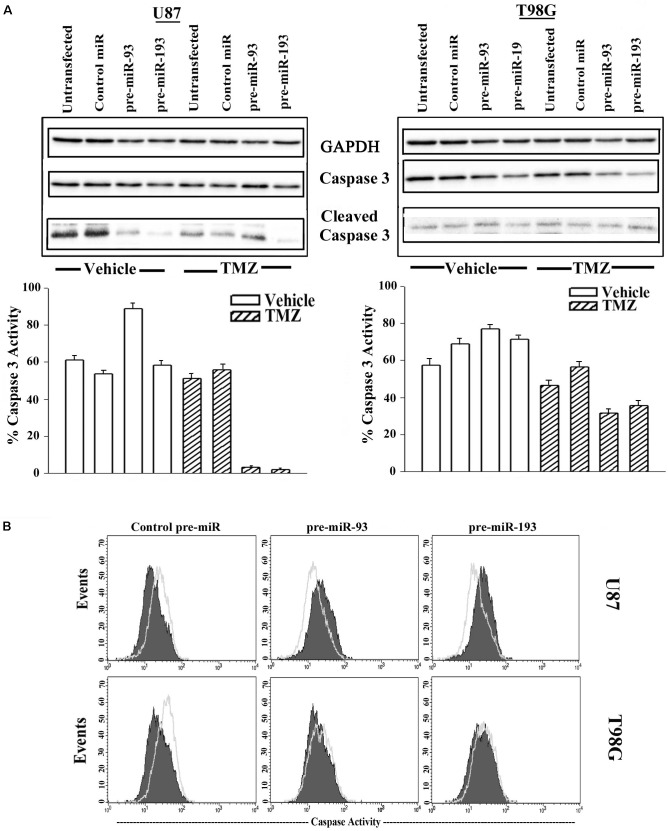
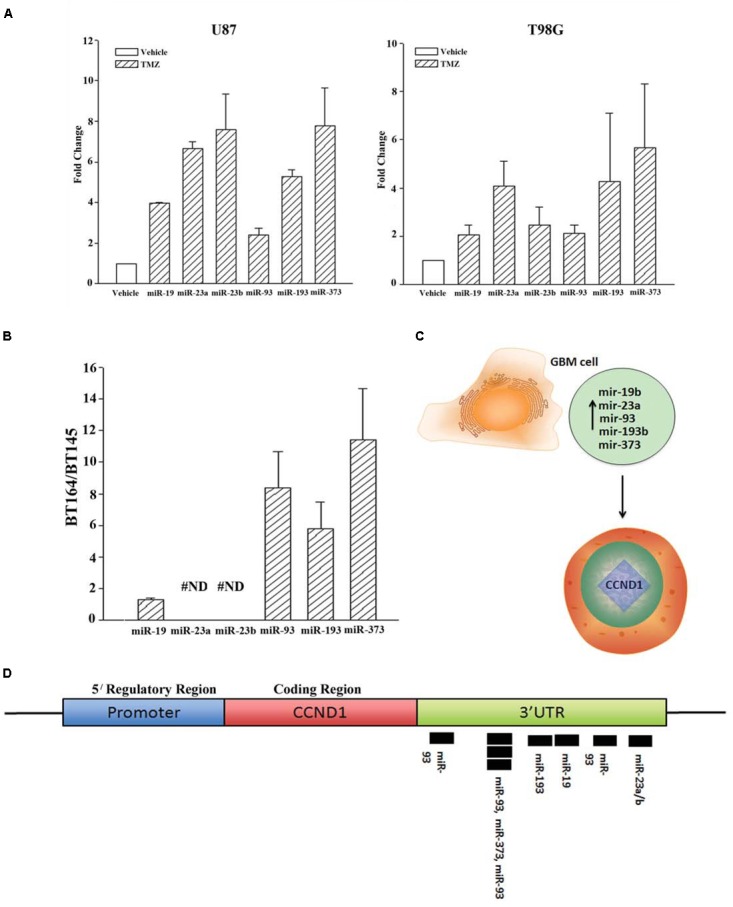
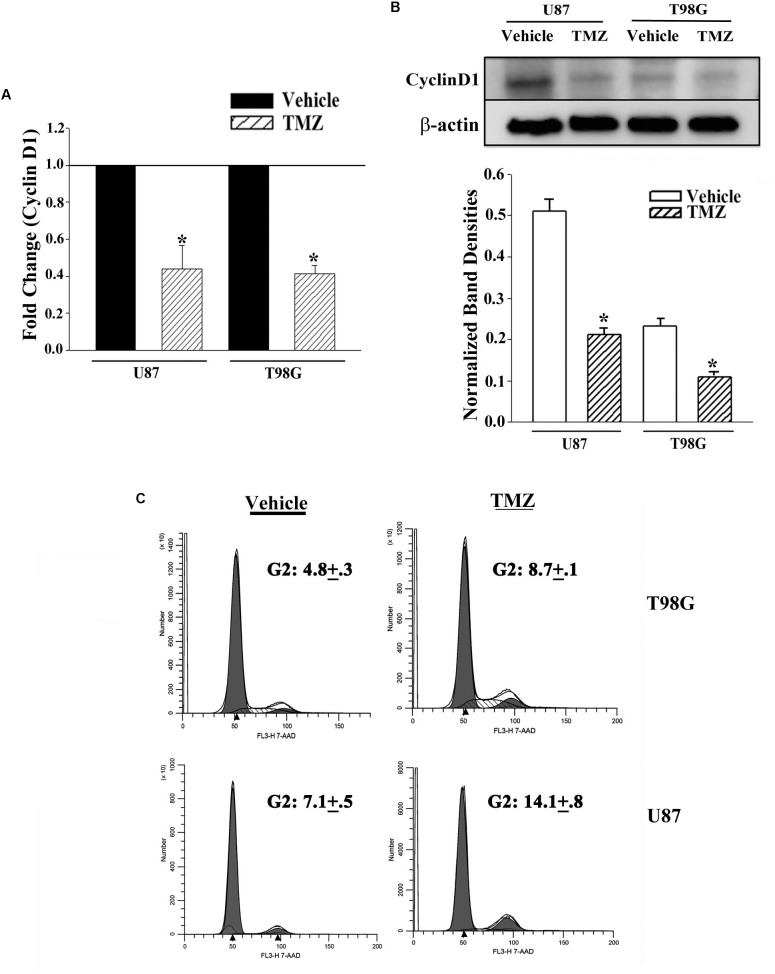
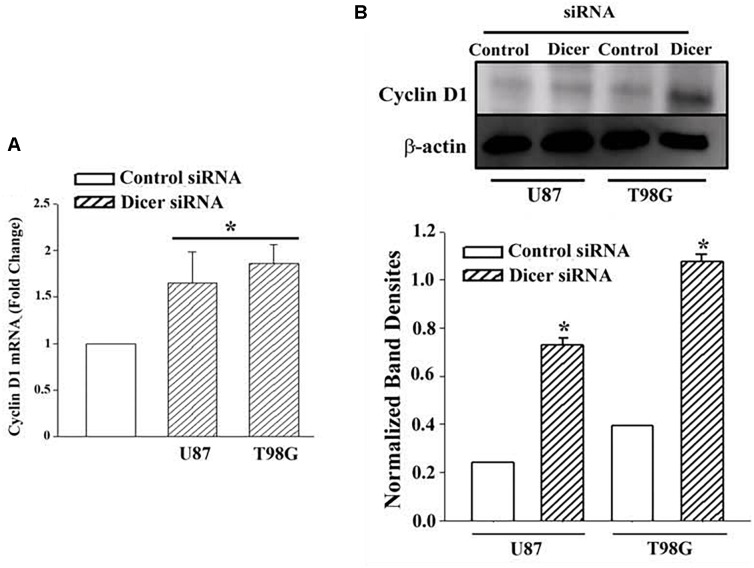
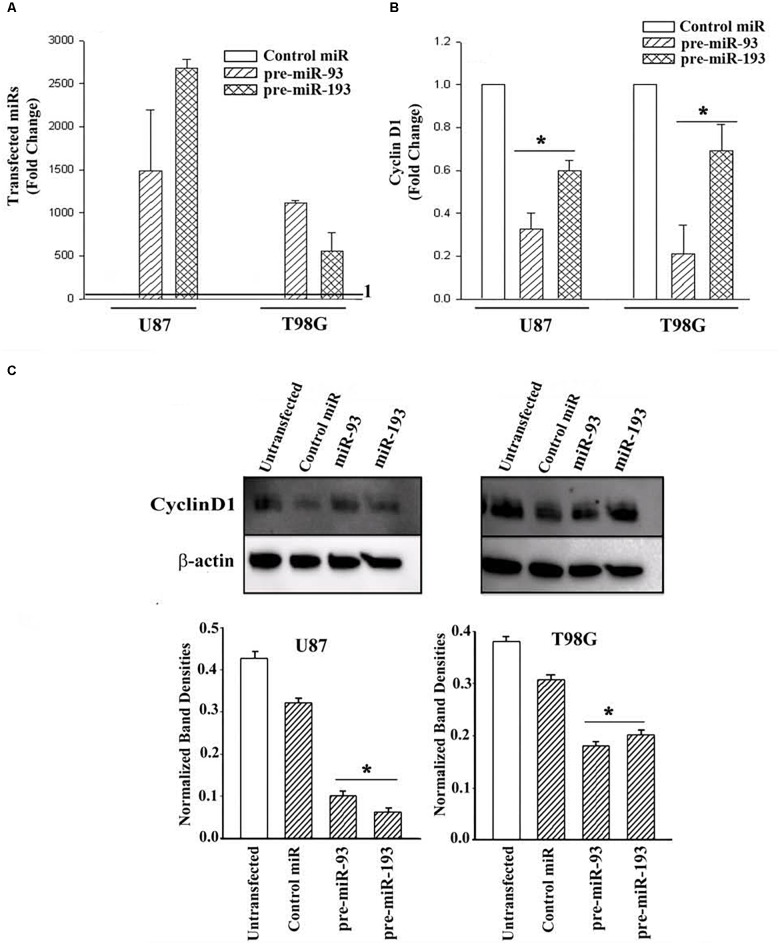
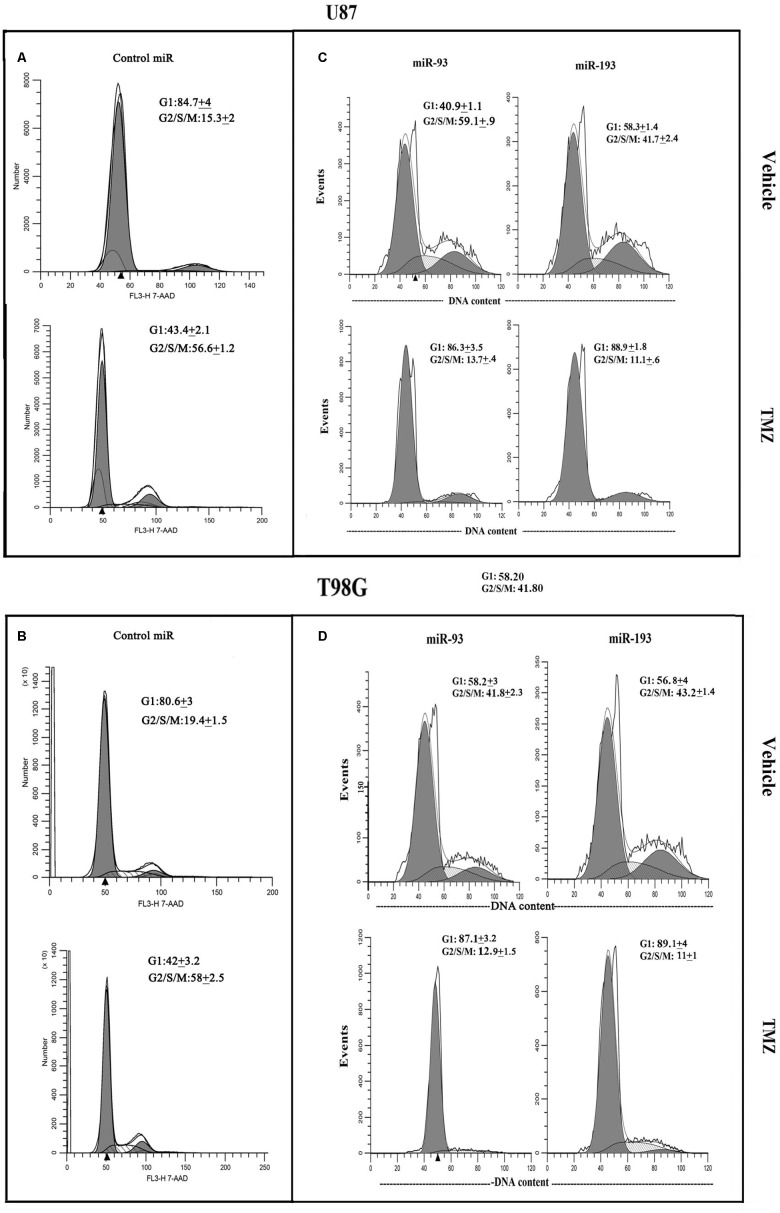
Glioblastoma multiforme (GBM) is a fatal malignancy of the central nervous system, commonly associated with chemoresistance. The alkylating agent Temozolomide (TMZ) is the front-line chemotherapeutic agent and has undergone intense studies on resistance. These studies reported on mismatch repair gene upregulation, ABC-targeted drug efflux, and cell cycle alterations. The mechanism by which TMZ induces cell cycle arrest has not been well-established. TMZ-resistant GBM cells have been linked to microRNA (miRNA) and exosomes. A cell cycle miRNA array identified distinct miRNAs only in exosomes from TMZ-resistant GBM cell lines and primary spheres. We narrowed the miRs to miR-93 and -193 and showed in computational analyses that they could target Cyclin D1. Since Cyclin D1 is a major regulator of cell cycle progression, we performed cause-effect studies and showed a blunting effects of miR-93 and -193 in Cyclin D1 expression. These two miRs also decreased cell cycling quiescence and induced resistance to TMZ. Taken together, our data provide a mechanism by which GBM cells can exhibit TMZ-induced resistance through miRNA targeting of Cyclin D1. The data provide a number of therapeutic approaches to reverse chemoresistance at the miRNA, exosomal and cell cycle points.
多形性胶质母细胞瘤(GBM)是一种致命的中枢神经系统恶性肿瘤,通常与化疗耐药性相关。烷化剂替莫唑胺(TMZ)是一线化疗药物,并且已经针对耐药性进行了深入研究。这些研究报道了错配修复基因上调、ABC靶向药物外排和细胞周期改变。TMZ诱导细胞周期停滞的机制尚未完全明确。TMZ耐药的GBM细胞与微小RNA(miRNA)和外泌体有关。一项细胞周期miRNA阵列仅在TMZ耐药GBM细胞系和原代细胞球的外泌体中鉴定出不同的miRNA。我们将miR缩小到miR-93和-193,并在计算分析中表明它们可以靶向细胞周期蛋白D1。由于细胞周期蛋白D1是细胞周期进程的主要调节因子,我们进行了因果关系研究,结果显示miR-93和-193对细胞周期蛋白D1的表达有抑制作用。这两种miR还降低了细胞周期静止状态并诱导了对TMZ的耐药性。综上所述,我们的数据提供了一种机制,即GBM细胞可以通过miRNA靶向细胞周期蛋白D1表现出TMZ诱导的耐药性。这些数据提供了一些在miRNA、外泌体和细胞周期水平逆转化疗耐药性的治疗方法。