Malaguarnera Michele, Llansola Marta, Balzano Tiziano, Gómez-Giménez Belén, Antúnez-Muñoz Carles, Martínez-Alarcón Núria, Mahdinia Rahebeh, Felipo Vicente
Laboratory of Neurobiology, Centro Investigación Príncipe Felipe de Valencia, Valencia, Spain.
Faculty of Biology, Damghan University, Damghan, Iran.
Front Pharmacol. 2019 Feb 25;10:132. doi: 10.3389/fphar.2019.00132. eCollection 2019.
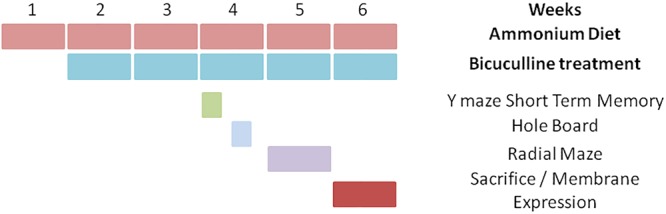
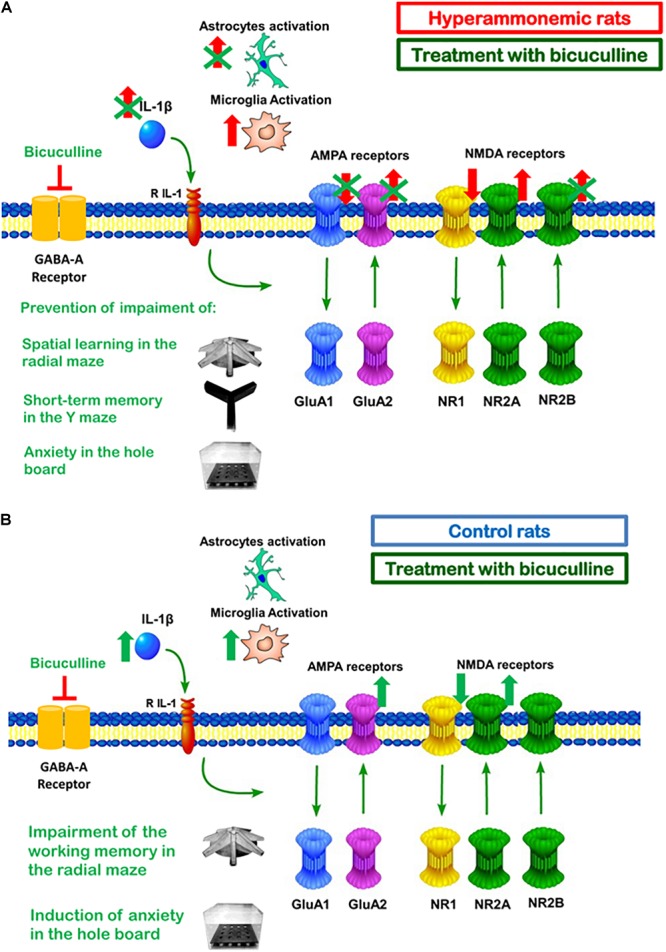
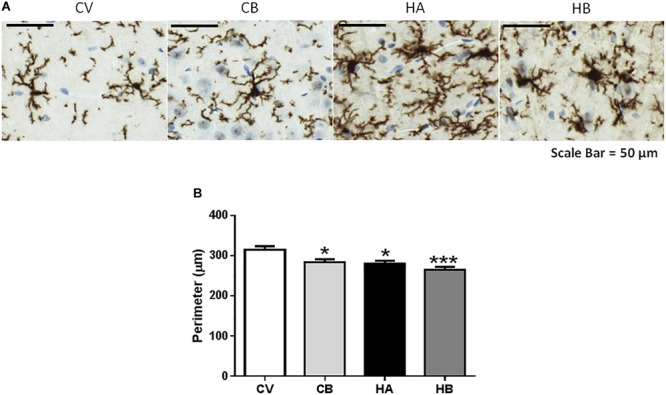
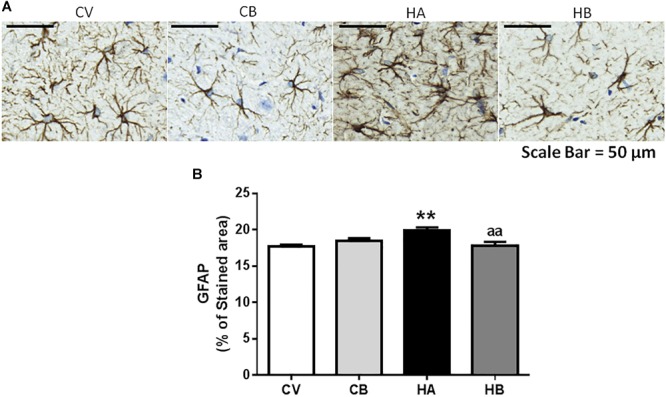
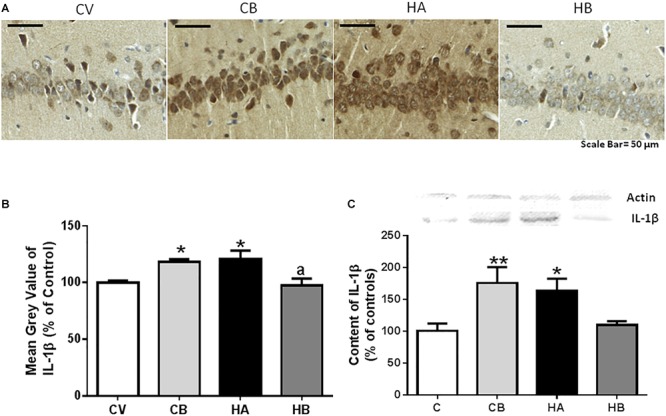
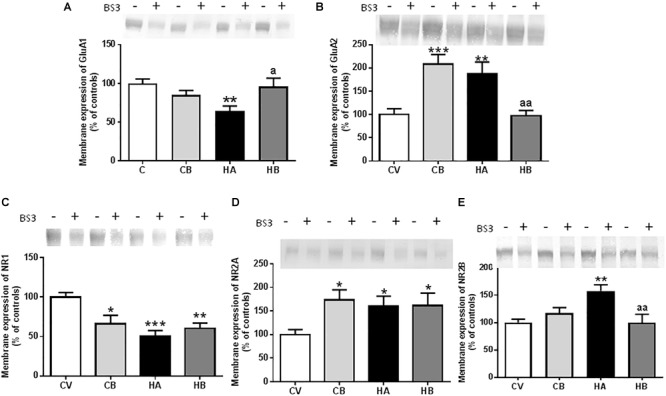
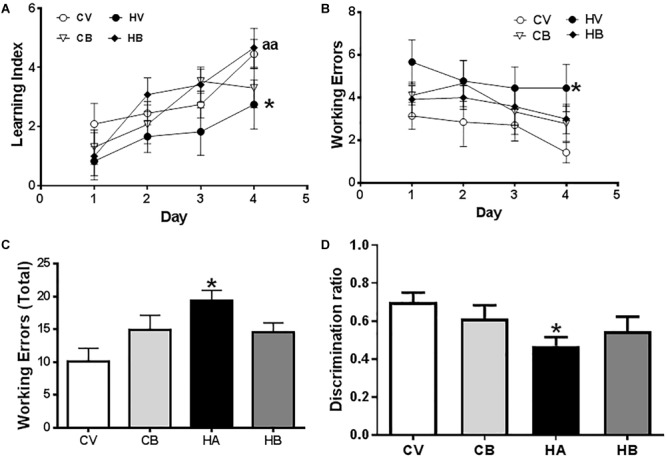
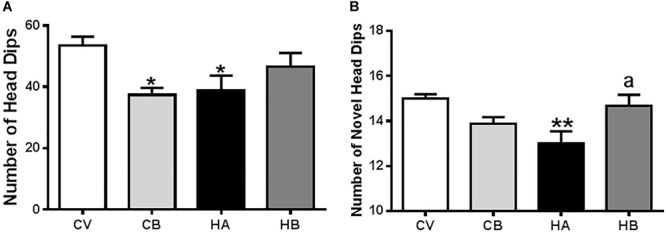
Patients with liver cirrhosis may develop minimal hepatic encephalopathy (MHE) with mild cognitive impairment. Hyperammonemia is a main contributor to cognitive impairment in MHE, which is mediated by neuroinflammation. GABAergic neurotransmission is altered in hyperammonemic rats. We hypothesized that, in hyperammonemic rats, (a) enhanced GABAergic tone would contribute to induce neuroinflammation, which would be improved by reducing GABAergic tone by chronic bicuculline treatment; (b) this would improve spatial learning and memory impairment; and (c) modulation of glutamatergic neurotransmission would mediate this cognitive improvement. The aim of this work was to assess the above hypotheses. Bicuculline was administrated intraperitoneally once a day for 4 weeks to control and hyperammonemic rats. The effects of bicuculline on microglia and astrocyte activation, IL-1β content, on membrane expression of AMPA and NMDA glutamate receptors subunits in the hippocampus and on spatial learning and memory as well as anxiety were assessed. Treatment with bicuculline reduces astrocyte activation and IL-1β but not microglia activation in the hippocampus of hyperammonemic rats. Bicuculline reverses the changes in membrane expression of AMPA receptor subunits GluA1 and GluA2 and of the NR2B (but not NR1 and NR2A) subunit of NMDA receptors. Bicuculline improves spatial learning and working memory and decreases anxiety in hyperammonemic rats. In hyperammonemia, enhanced activation of GABA receptors in the hippocampus contributes to some but not all aspects of neuroinflammation, to altered glutamatergic neurotransmission and to impairment of spatial learning and memory as well as anxiety, all of which are reversed by reducing activation of GABA receptors with bicuculline.
肝硬化患者可能会发展为伴有轻度认知障碍的轻微肝性脑病(MHE)。高氨血症是MHE认知障碍的主要促成因素,其由神经炎症介导。高氨血症大鼠的γ-氨基丁酸(GABA)能神经传递发生改变。我们假设,在高氨血症大鼠中,(a)增强的GABA能张力会导致神经炎症,通过慢性荷包牡丹碱治疗降低GABA能张力可改善这种情况;(b)这将改善空间学习和记忆障碍;(c)谷氨酸能神经传递的调节将介导这种认知改善。这项工作的目的是评估上述假设。对对照大鼠和高氨血症大鼠每天腹腔注射一次荷包牡丹碱,持续4周。评估荷包牡丹碱对小胶质细胞和星形胶质细胞活化、白细胞介素-1β含量、海马中α-氨基-3-羟基-5-甲基-4-异恶唑丙酸(AMPA)和N-甲基-D-天冬氨酸(NMDA)谷氨酸受体亚基的膜表达以及空间学习、记忆和焦虑的影响。荷包牡丹碱治疗可降低高氨血症大鼠海马中的星形胶质细胞活化和白细胞介素-1β,但不能降低小胶质细胞活化。荷包牡丹碱可逆转AMPA受体亚基GluA1和GluA2以及NMDA受体的NR2B(但不是NR1和NR2A)亚基膜表达的变化。荷包牡丹碱可改善高氨血症大鼠的空间学习和工作记忆,并减轻焦虑。在高氨血症中,海马中GABA受体的增强激活促成了神经炎症的某些但不是所有方面、谷氨酸能神经传递改变以及空间学习、记忆和焦虑障碍,所有这些通过用荷包牡丹碱降低GABA受体激活而得到逆转。