Molecular and Cellular Glycobiology Unit, Department of Biological Science, Sungkyunkwan University, Seoburo 2066, Jangan-Gu, Suwon, Gyunggi-Do, 16419, Korea.
Division of Applied Medicine, School of Korean Medicine, Pusan National University, Yangsan City, Korea.
Sci Rep. 2019 Mar 12;9(1):4292. doi: 10.1038/s41598-019-40522-9.
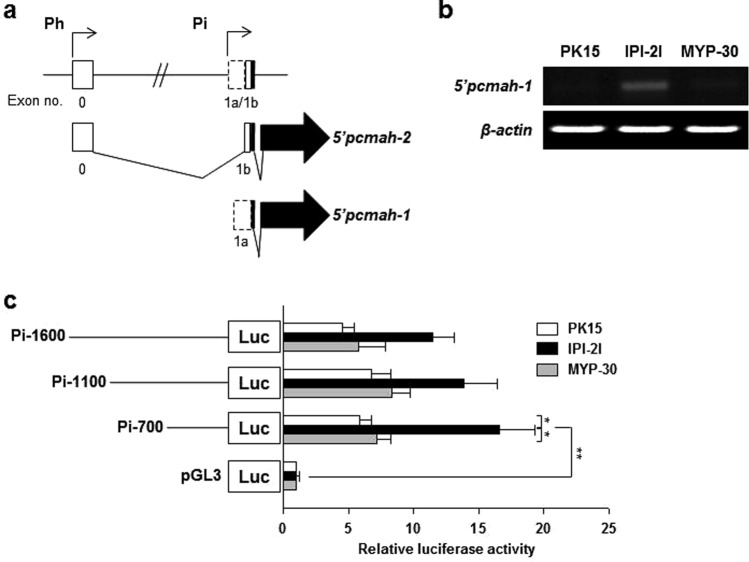
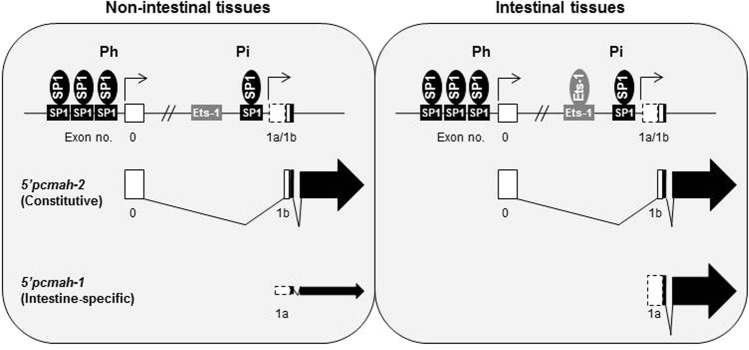
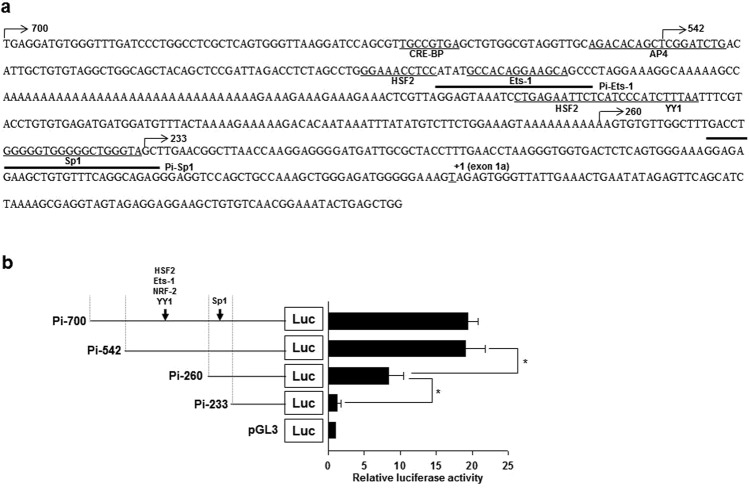
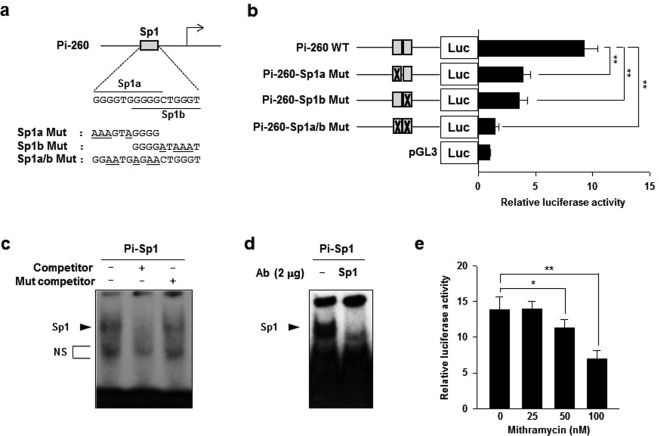
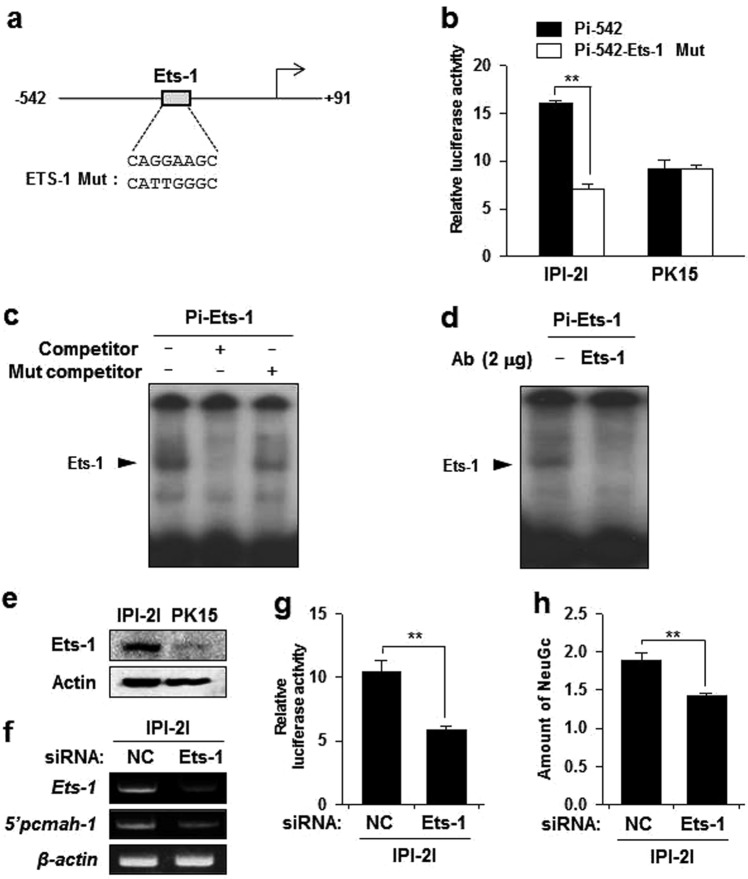
N-glycolylneuraminic acid (Neu5Gc), a generic form of sialic acid, is enzymatically synthesized by cytidine-5'-monophospho-N-acetylneuraminic acid hydroxylase (CMAH). Although expression of pig CMAH gene pcmah encoding CMAH has been reported to be regulated by pathogenic infection and developmental processes, little is known about the mechanisms underlying the regulation of pcmah gene expression. The objective of this study was to determine mechanism(s) involved in intestine specific regulation of pcmah gene by identifying several cis-acting elements and nuclear transcription factors that could directly interact with these cis-acting elements. We identified intestine specific promoter region (Pi) of pcmah gene located at upstream regions of the 5'flanking region of exon 1a and found that the promoter region is responsible for the transcriptional regulation of 5'pcmah-1. Based on reporter assays using serially constructed luciferase genes with each deleted promoter, we demonstrated that the Pi promoter activity was more active in intestinal IPI-2I cells than that in kidney PK15 cells, corresponding to both mRNA expression patterns in the two cell lines. In addition, we found that Sp1 transcription factor was necessary for basal activity of Pi promoter and that Ets-1 contributed to intestine-specific activity of Pi promoter. This study helps us understand transcriptional regulation of pcmah in the intestine of pig tissues. It also allows us to consider potential roles of Neu5Gc in interaction with environmental factors present in the intestinal tissue during pathogenic infection and developmental process.
N-羟乙酰神经氨酸(Neu5Gc)是唾液酸的一种常见形式,可通过胞苷-5'-单磷酸-N-乙酰神经氨酸羟化酶(CMAH)酶促合成。虽然已报道猪 CMAH 基因 pcmah 表达受病原感染和发育过程的调节,但对其表达调控的机制知之甚少。本研究旨在通过鉴定可与这些顺式作用元件直接相互作用的几个顺式作用元件和核转录因子,确定肠道特异性调节 pcmah 基因的机制。我们鉴定了位于外显子 1a 5'侧翼区上游的 pcmah 基因的肠道特异性启动子区(Pi),并发现该启动子区负责 5'pcmah-1 的转录调控。基于使用具有每个缺失启动子的连续构建的荧光素酶基因进行的报告基因分析,我们证明 Pi 启动子活性在肠道 IPI-2I 细胞中比在肾脏 PK15 细胞中更活跃,与这两种细胞系中的 mRNA 表达模式相对应。此外,我们发现 Sp1 转录因子是 Pi 启动子基础活性所必需的,而 Ets-1 有助于 Pi 启动子的肠道特异性活性。本研究有助于我们了解猪组织中 pcmah 的转录调控。它还使我们能够考虑 Neu5Gc 在病原感染和发育过程中与肠道组织中存在的环境因素相互作用的潜在作用。