Swift Lucy, Zhang Chunfen, Trippett Tanya, Narendran Aru
POETIC Laboratory for Preclinical and Drug Discovery Studies, Division of Pediatric Oncology, Alberta Children's Hospital, University of Calgary, Calgary, AB, Canada,
Department of Pediatrics, Memorial Sloan-Kettering Cancer Center, New York, NY, USA.
Onco Targets Ther. 2019 Feb 18;12:1293-1307. doi: 10.2147/OTT.S191478. eCollection 2019.
Neuroblastoma is the most common extracranial cancer in children. Although the prognosis for low-risk neuroblastoma patients is good, the 5-year survival rates for high-risk and relapsed patients are low. The poor survival rates for these patients demonstrate the need for novel therapeutic approaches to treat this disease. PV-10 is a sterile 10% solution of Rose Bengal that has previously been shown to induce cell death in a range of adult cancers, providing the rationale for studying the activity of PV-10 against neuroblastoma in preclinical studies.
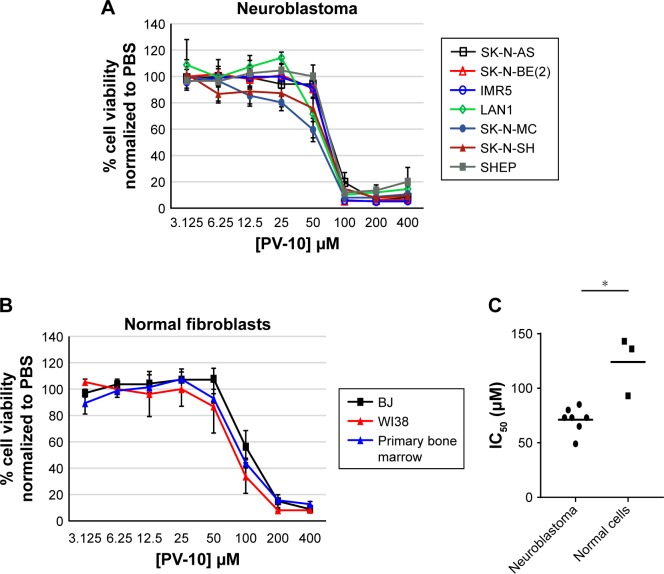
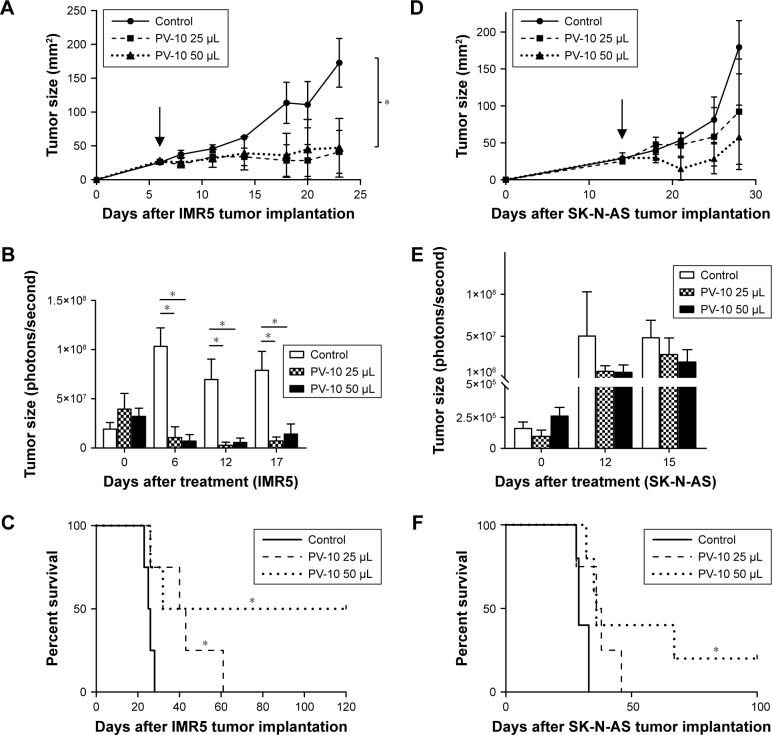
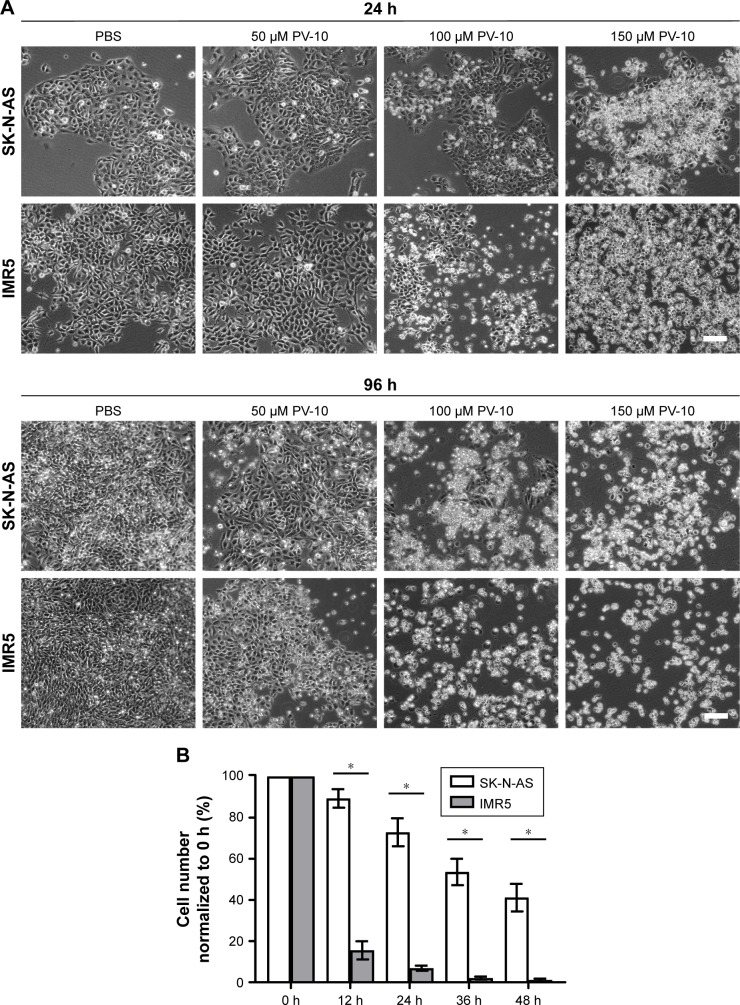
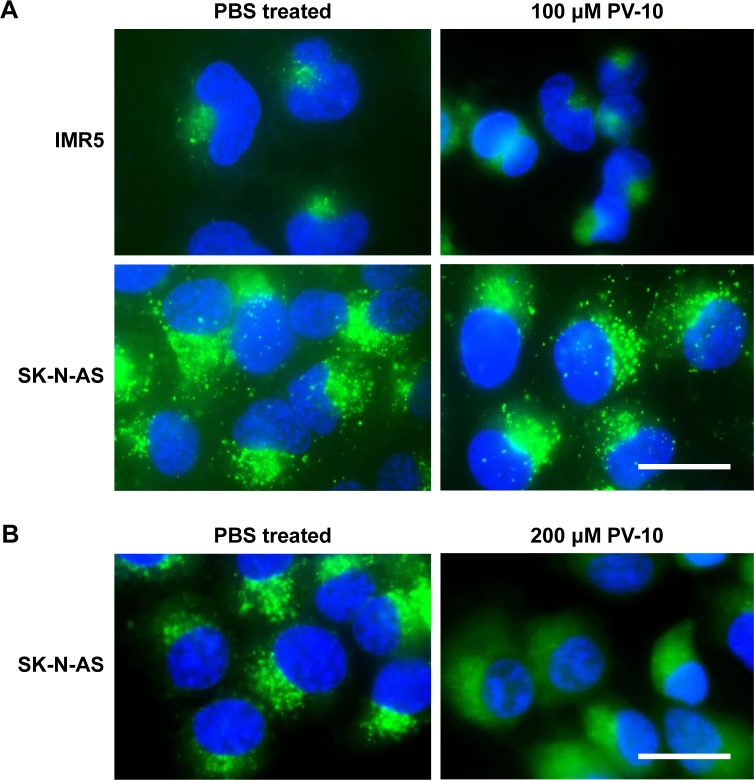
The effects of PV-10 on neuroblastoma were investigated in vitro. Cytotoxicity assays were performed using the alamar blue assay on the following cell lines: SK-N-AS, SK-N-BE(2), IMR5, LAN1, SHEP, and SK-N-SH neuroblastoma cells, SK-N-MC neuroepithelioma cells, and normal primary, BJ, and WI38 fibroblasts. Phase-contrast, fluorescence, and time-lapse video microscopy; flow cytometry; and Western blotting were used to investigate the effects of PV-10 on SK-N-AS and IMR5 cells. Synergy with commonly used anticancer drugs was determined by calculation of combination indices in SK-N-AS and IMR5 cells. Mouse xenograft models of SK-N-AS and IMR5 tumors were also used to evaluate the efficacy of PV-10 in vivo.
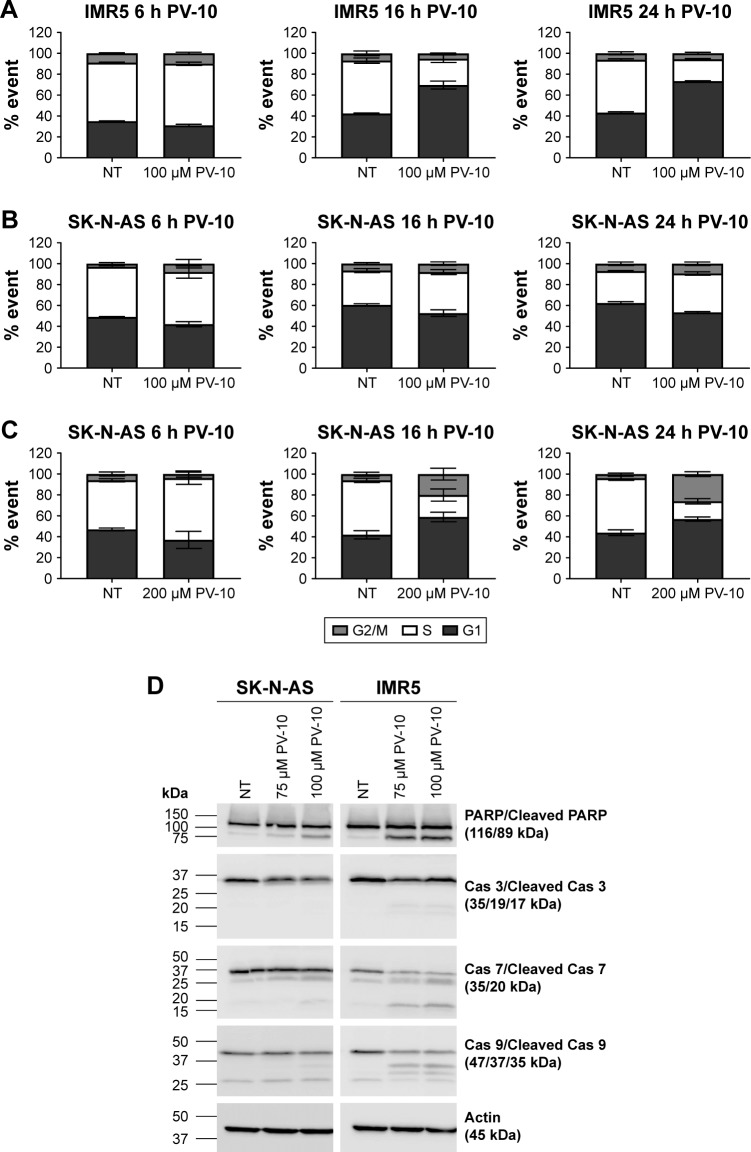
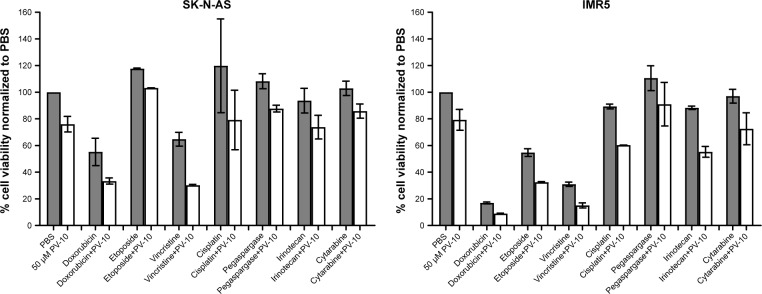
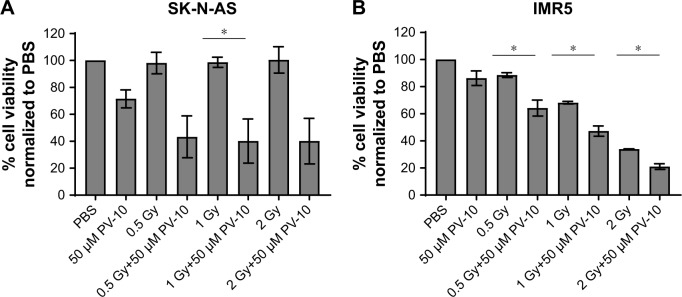
In vitro preclinical data demonstrate that pharmacologically relevant concentrations of PV-10 are cytotoxic to neuroblastoma cell lines. Studies to investigate target modulation in neuroblastoma cell lines show that PV-10 disrupts lysosomes, decreases the percentage of cells in S phase, and induces apoptosis in a concentration-, time-, and cell-line-dependent manner, and we also identify agents that are synergistic with PV-10. Furthermore, experiments in xenograft mouse models show that PV-10 induces tumor regression in vivo.
Our study provides preclinical data on the efficacy of PV-10 against neuroblastoma and provides rationale for the development of an early phase clinical trial of this agent in relapsed and refractory neuroblastoma patients.
神经母细胞瘤是儿童最常见的颅外癌症。尽管低风险神经母细胞瘤患者的预后良好,但高风险和复发患者的5年生存率较低。这些患者生存率低表明需要新的治疗方法来治疗这种疾病。PV - 10是一种10%的无菌孟加拉玫瑰红溶液,此前已证明其能诱导多种成人癌症中的细胞死亡,这为在临床前研究中研究PV - 10对神经母细胞瘤的活性提供了理论依据。
在体外研究PV - 10对神经母细胞瘤的影响。使用alamar蓝测定法对以下细胞系进行细胞毒性测定:SK - N - AS、SK - N - BE(2)、IMR5、LAN1、SHEP和SK - N - SH神经母细胞瘤细胞、SK - N - MC神经上皮瘤细胞以及正常原代BJ和WI38成纤维细胞。利用相差显微镜、荧光显微镜和延时视频显微镜、流式细胞术以及蛋白质免疫印迹法研究PV - 10对SK - N - AS和IMR5细胞的影响。通过计算SK - N - AS和IMR5细胞中的联合指数来确定与常用抗癌药物的协同作用。还使用SK - N - AS和IMR5肿瘤的小鼠异种移植模型来评估PV - 10在体内的疗效。
体外临床前数据表明,药理学相关浓度的PV - 10对神经母细胞瘤细胞系具有细胞毒性。对神经母细胞瘤细胞系中靶点调节的研究表明,PV - 10破坏溶酶体,降低S期细胞百分比,并以浓度、时间和细胞系依赖性方式诱导细胞凋亡,并且我们还确定了与PV - 10具有协同作用的药物。此外,异种移植小鼠模型实验表明,PV - 10在体内可诱导肿瘤消退。
我们的研究提供了关于PV - 10对神经母细胞瘤疗效的临床前数据,并为在复发和难治性神经母细胞瘤患者中开展该药物的早期临床试验提供了理论依据。