Respiratory Medicine Department, University of Thessaly, Faculty of Medicine, Larissa, Greece.
Technological Educational Institute of Thessaly, Nursing Department, Larissa, Greece.
Can Respir J. 2019 Feb 3;2019:4901049. doi: 10.1155/2019/4901049. eCollection 2019.
Despite its' proven benefits, oxygen therapy may be complicated with potential adverse events such as hypoxemia or hyperoxia-driven hypercapnia. Automated oxygen delivery systems may aid in avoiding these complications. The scope of the present study is to test the efficacy and safety of a new automated oxygen delivery device.
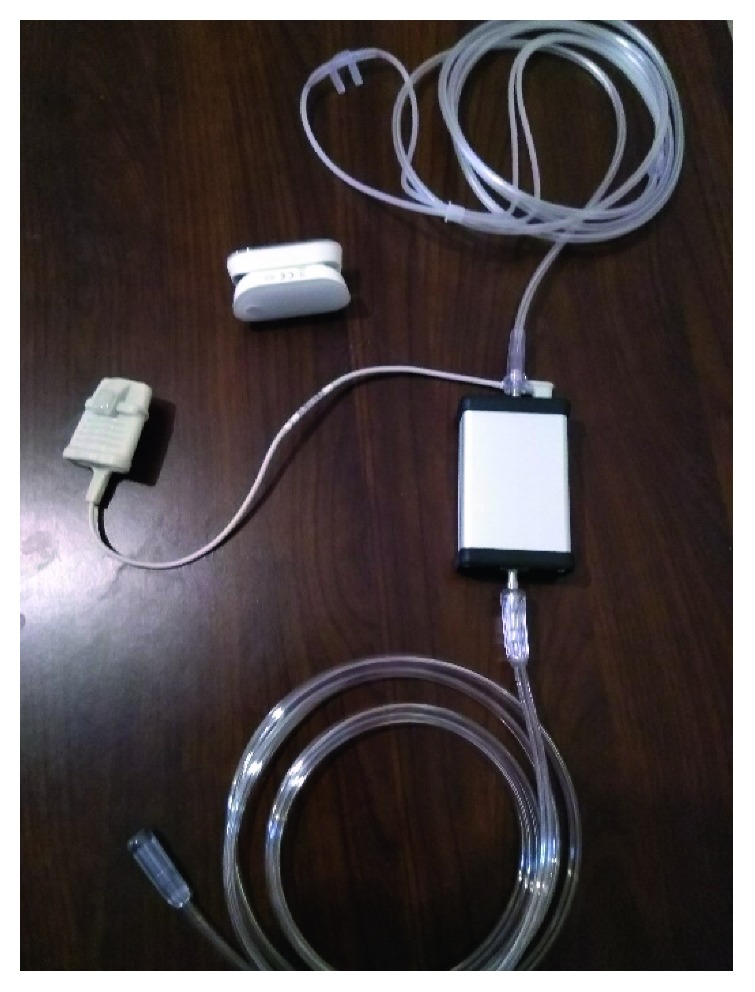
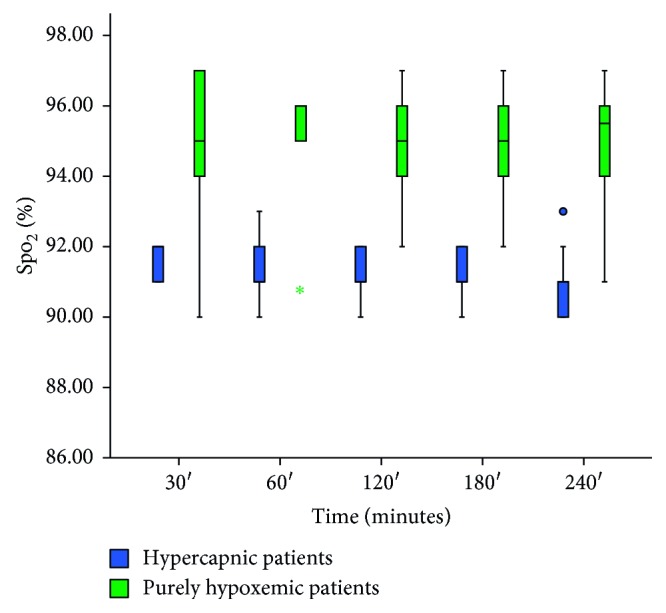
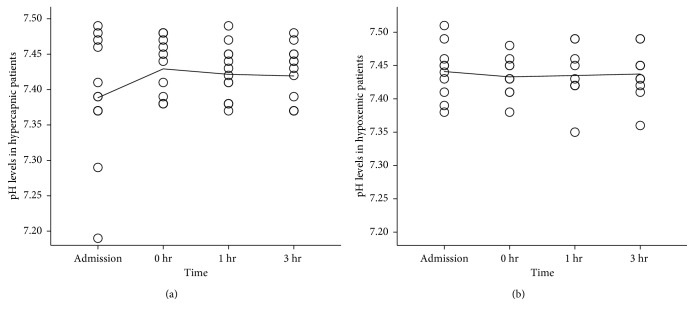
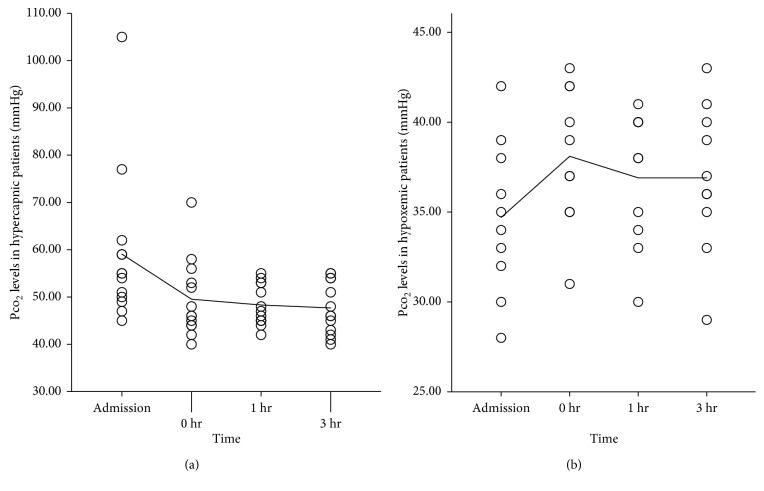
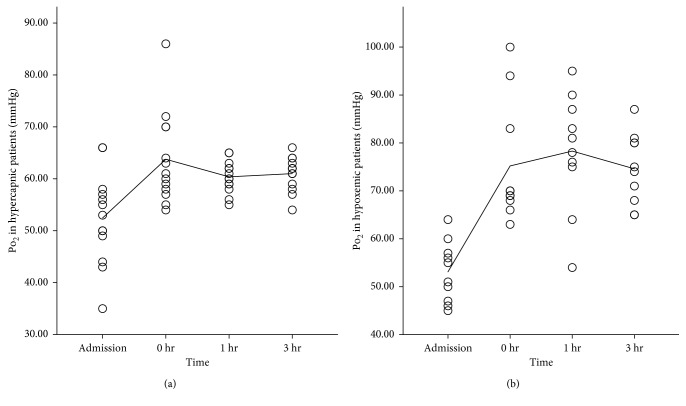
This study included 23 patients with acute respiratory failure (ARF) hospitalized in the Respiratory Medicine Department of the University Hospital of Larissa. Both patients with purely hypoxemic or hypercapnic ARF were included. Automated oxygen administration was performed with , a new closed-loop system designed to automatically adjust oxygen flow according to target oxygen saturation (SpO) of 88-92% for hypercapnic patients and 92-96% for purely hypoxemic patients with ARF. The device was applied for 4 hours. Arterial blood gas analysis was performed at 1 hour and 3 hours following the device application.
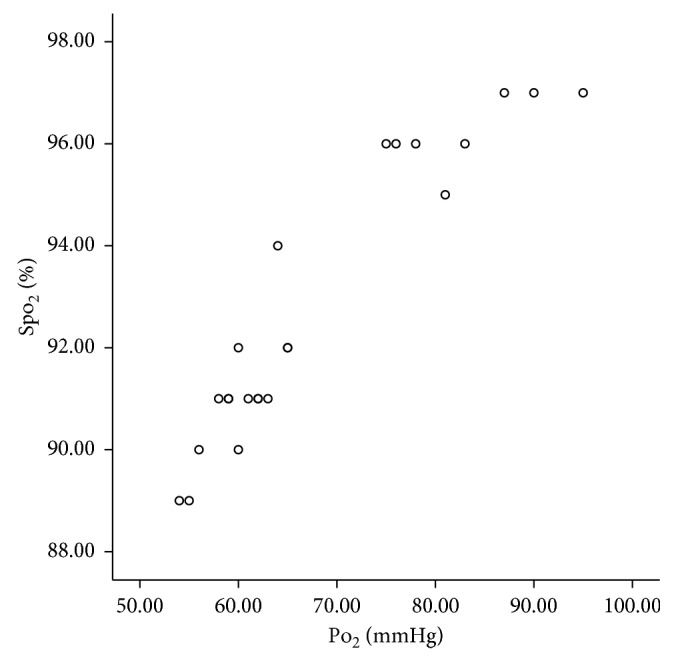
Mean age was 72.91 ± 13.91 years. Twelve patients were male, and 11 were female. The majority of patients suffered from hypercapnic respiratory failure (=13, 56.5%). At 1 hour and 3 hours, SpO and PaO displayed excellent correlation ( < 0.001, = 0.943, and < 0.001, = 0.954, respectively). We did not observe any adverse events associated with the device.
Our results indicate that automated oxygen treatment is feasible and safe in hospitalized patients with acute respiratory failure. Further studies are required in order to assess the long-term effects of automated oxygen delivery systems.
尽管已证实吸氧治疗有益,但可能会出现低氧血症或高氧驱动性高碳酸血症等潜在不良反应。自动化供氧系统可能有助于避免这些并发症。本研究旨在测试一种新型自动化供氧设备的疗效和安全性。
本研究纳入了 23 例急性呼吸衰竭(ARF)患者,这些患者均在拉里萨大学医院呼吸科住院。所有患者均为单纯性低氧血症或高碳酸血症性 ARF。采用一种新的闭环系统进行自动化氧疗,该系统旨在根据高碳酸血症患者的目标血氧饱和度(SpO₂)88-92%和单纯性低氧血症性 ARF 患者的目标血氧饱和度 92-96%自动调整氧流量。该设备应用 4 小时。在设备应用后 1 小时和 3 小时进行动脉血气分析。
患者平均年龄为 72.91±13.91 岁。12 例为男性,11 例为女性。大多数患者患有高碳酸血症性呼吸衰竭(=13,56.5%)。在 1 小时和 3 小时,SpO₂和 PaO₂显示出极好的相关性(<0.001,=0.943 和 <0.001,=0.954)。我们未观察到与设备相关的任何不良事件。
我们的研究结果表明,自动化氧疗在急性呼吸衰竭住院患者中是可行且安全的。需要进一步研究来评估自动化供氧系统的长期效果。