School of Biological Sciences, University of Nairobi, P.O. Box 30197-00100, Nairobi, Kenya.
Science for Health, P.O. Box 44970-00100, Nairobi, Kenya.
Malar J. 2019 Mar 12;18(1):77. doi: 10.1186/s12936-019-2708-z.
Everyday hundreds of people, mainly men, set out to take part in a vibrant artisanal capture fishing (ACF) industry on Lake Victoria. It is not known whether actions of artisanal fishers, in their unrelenting quest for existence, surpass ecosystems' sustainability thresholds with potentially negative repercussions on human health with respect to malaria transmission potential. This article sought to fill this information gap.
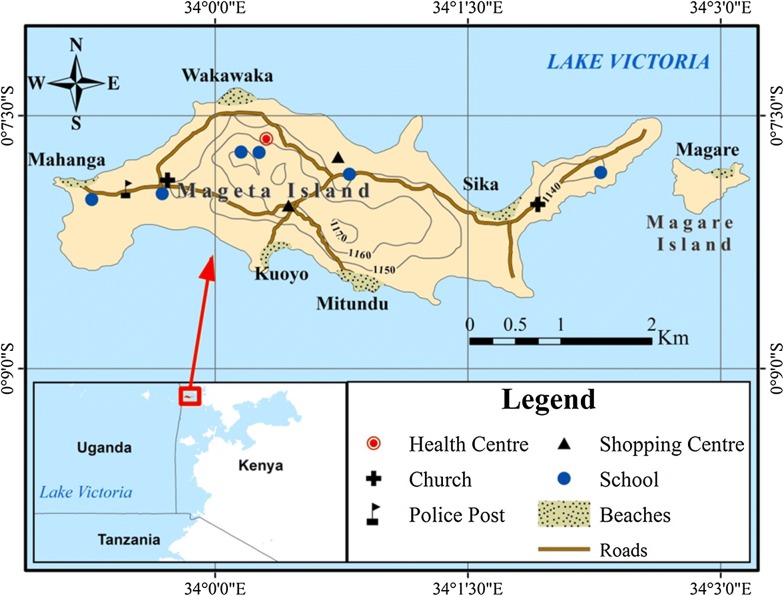
This study used an ecosystem approach to find out how ACF processes facilitate the breeding of mosquitoes. The observational study adopted a cross-sectional design and was carried out on Mageta Island situated inside Lake Victoria in western Kenya.
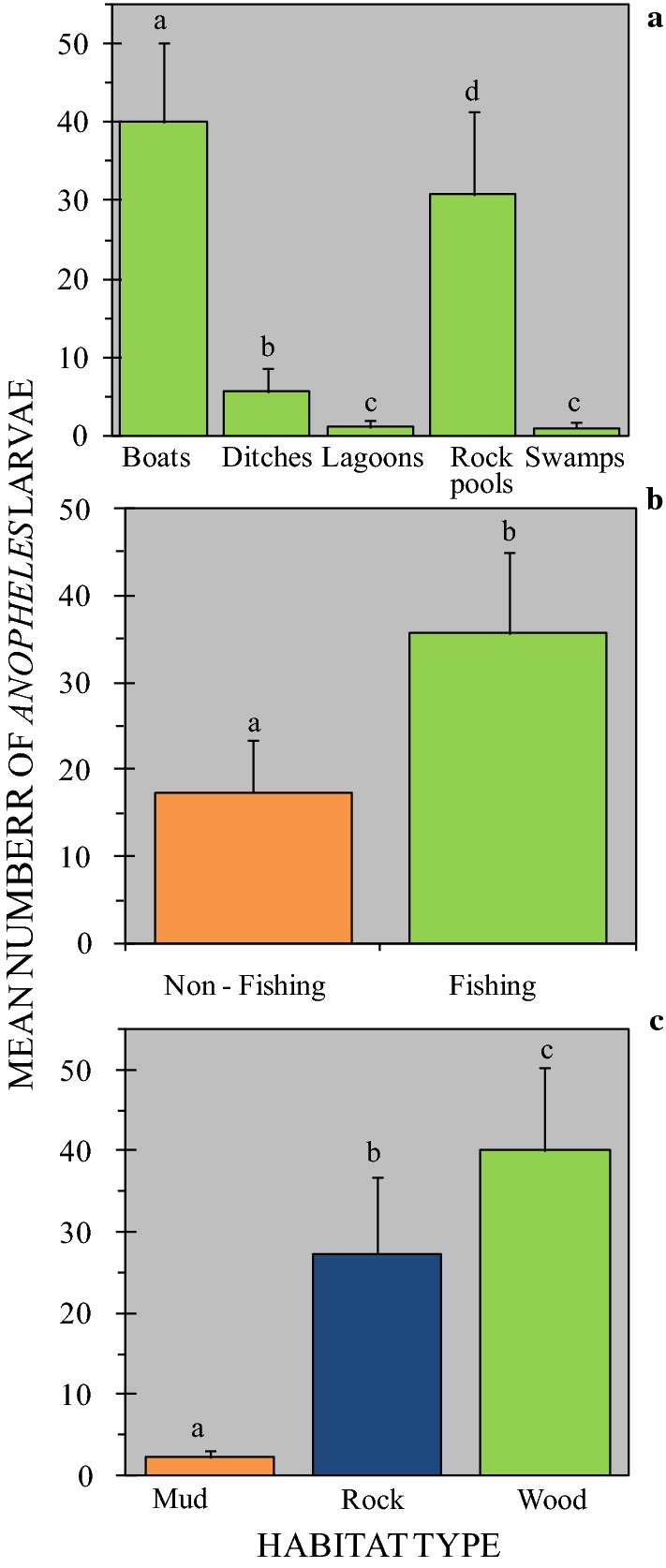
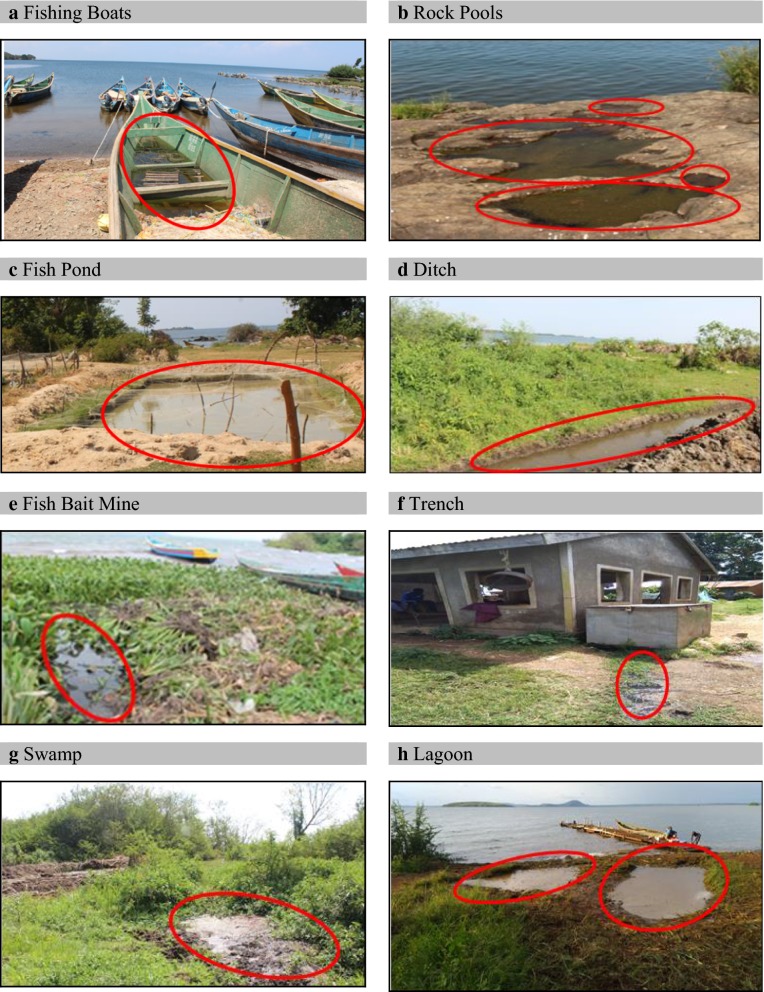
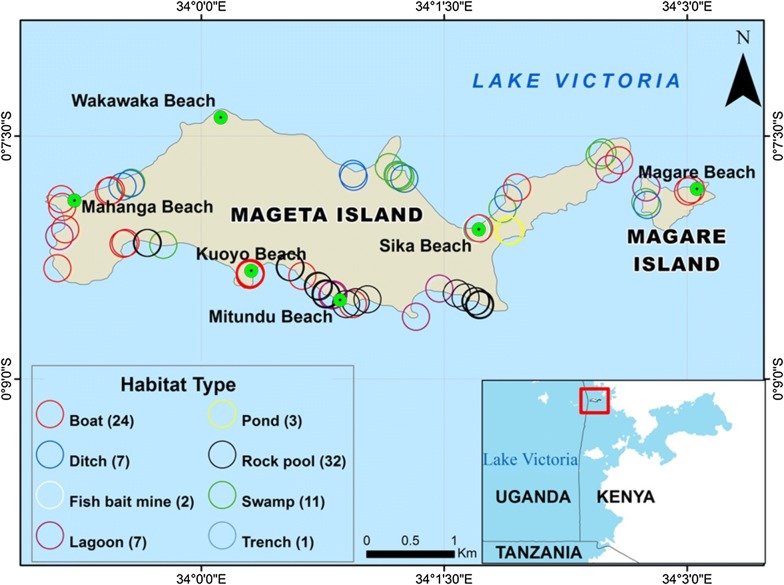
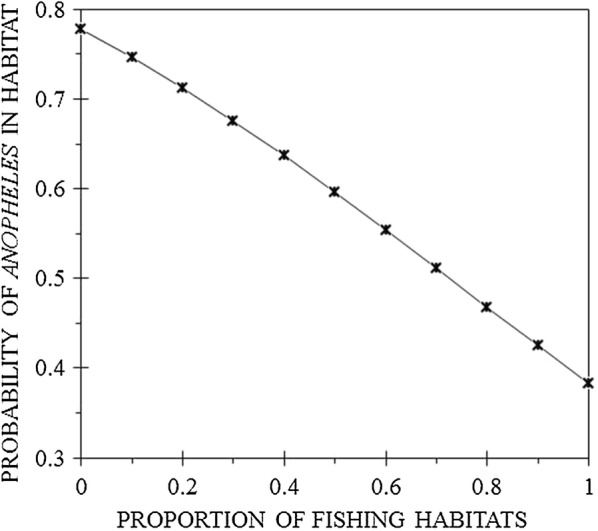
Of the 87 mosquito larval habitats identified 27 (31%) were created through ACF activities. The ACF-related habitats, hereafter collectively referred to as 'fishing habitats', included fishing boats (24), trenches (1) and fish bait mines (2). About half (48%) of Anopheles larvae were recovered from fishing habitats. The mean larval density in the fishing habitats (35.7 ± 1.15) was double that in non-fishing habitats (17.4 ± 0.539). Despite being the most common 'non-fishing habitat' type (N = 32), the mean number of Anopheles larvae present in rock pools (30.81 ± 10.54) was significantly less than those found inside fishing boats (N = 24; 40.08 ± 10.16). Overall, man-made habitats and those used to support livelihoods contained significantly more Anopheles larvae.
These data show that artisanal capture fishing is a key driver of malaria epidemiology on Mageta Island. This suggests that larval source management strategies in the global south should pay attention to the heterogeneity in Anopheles breeding habitats created through livelihood activities.
每天都有数百人,主要是男性,出海参与维多利亚湖上充满活力的手工捕捞渔业(ACF)。目前尚不清楚手工渔民为了生存而不懈努力的行为是否超过了生态系统的可持续性阈值,从而对疟疾传播潜力对人类健康产生潜在的负面影响。本文旨在填补这一信息空白。
本研究采用生态系统方法来了解 ACF 过程如何促进蚊子繁殖。这项观察性研究采用了横断面设计,在肯尼亚西部维多利亚湖内的 Mageta 岛上进行。
在所确定的 87 个蚊子幼虫栖息地中,有 27 个(31%)是通过 ACF 活动创造的。与 ACF 相关的栖息地,以下统称为“捕鱼栖息地”,包括渔船(24 个)、沟渠(1 个)和鱼诱饵矿(2 个)。约一半(48%)的疟蚊幼虫是从捕鱼栖息地中回收的。捕鱼栖息地的幼虫密度平均值(35.7±1.15)是非捕鱼栖息地(17.4±0.539)的两倍。尽管是最常见的“非捕鱼栖息地”类型(N=32),但岩石池中的疟蚊幼虫平均数(30.81±10.54)明显少于渔船中的数量(N=24;40.08±10.16)。总体而言,人造栖息地和用于支持生计的栖息地中含有更多的疟蚊幼虫。
这些数据表明,手工捕捞渔业是 Mageta 岛上疟疾流行病学的关键驱动因素。这表明,在全球南方,幼虫源管理策略应注意通过生计活动创造的按蚊繁殖栖息地的异质性。