Ajam Mustafa, Abu-Heija Ahmad A, Shokr Mohamed, Ajam Firas, Saydain Ghulam
Internal Medicine, Detroit Medical Center - Wayne State University, Detroit, USA.
Cardiology, Detroit Medical Center - Wayne State University, Detroit, USA.
Cureus. 2019 Jan 3;11(1):e3821. doi: 10.7759/cureus.3821.
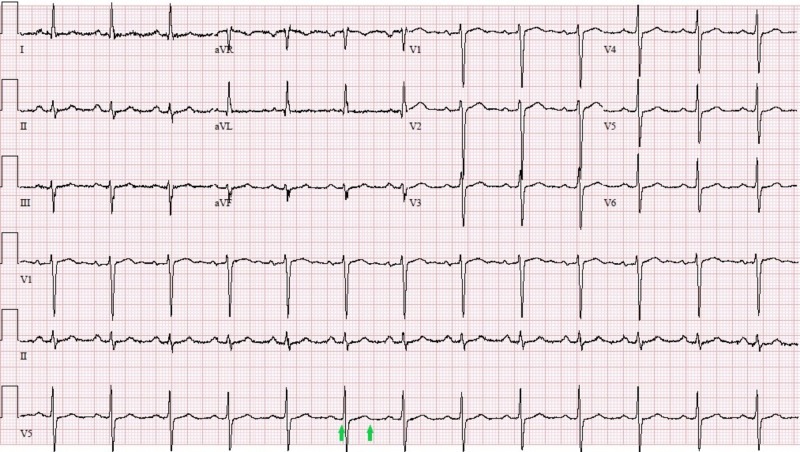
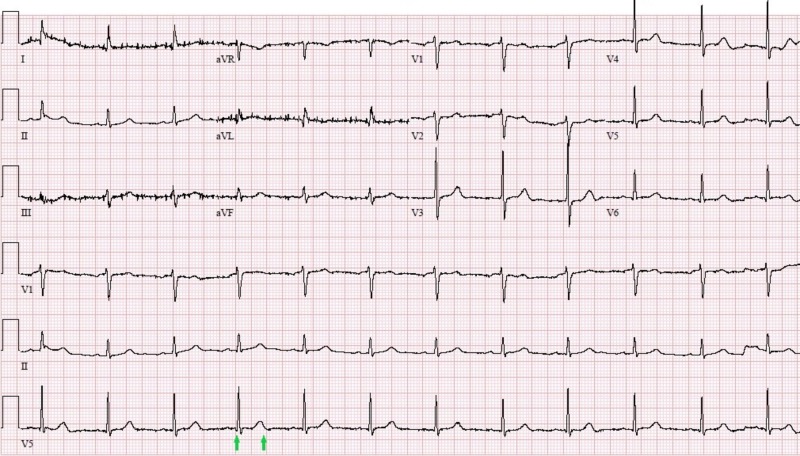
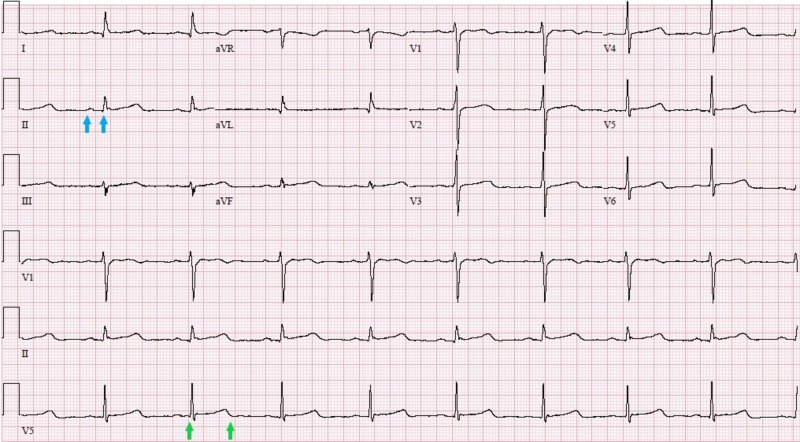
Cardiac arrhythmias were reported in cases of West Nile Virus (WNV) encephalitis; however, the underlying pathophysiology remains incompletely understood. We present a 67-year-old male with altered mental status, later diagnosed with WNV encephalitis. Hospital course was complicated by progressive sinus bradycardia and corrected QT (QTc) prolongation. These findings persisted despite the absence of classical causes and resolved only after improvement of the underlying encephalitis. After excluding classical causes, autonomic dysfunction is one of the proposed mechanisms behind cardiac arrhythmias in WNV encephalitis. Resolution of arrhythmias is expected after the improvement of underlying encephalitis and should be taken into consideration before proceeding for pacemaker placement or other cardiac intervention. Furthermore, this case highlights the importance of continuous cardiac monitoring in WNV encephalitis patients.
西尼罗河病毒(WNV)脑炎病例中曾有心脏心律失常的报告;然而,其潜在的病理生理学仍未完全明确。我们报告一名67岁男性,其精神状态改变,后来被诊断为WNV脑炎。住院过程中出现了进行性窦性心动过缓和校正QT(QTc)延长等并发症。尽管没有典型病因,这些表现仍持续存在,且仅在基础脑炎病情改善后才得以缓解。在排除典型病因后,自主神经功能障碍是WNV脑炎中心脏心律失常背后的一种推测机制。预计基础脑炎病情改善后心律失常会得到缓解,在考虑植入起搏器或进行其他心脏干预之前应予以考虑。此外,该病例凸显了对WNV脑炎患者进行持续心脏监测的重要性。