Institute of Neuroscience and Department of Neurology of the Second Affiliated Hospital of Guangzhou Medical University, Key Laboratory of Neurogenetics and Channelopathies of Guangdong Province and the Ministry of Education of China, Guangzhou, 510260, China.
Department of Neurology of the Sixth Affiliated Hospital, Guangzhou Medical University, Guangzhou, 511518, China.
J Neuroinflammation. 2019 Mar 14;16(1):62. doi: 10.1186/s12974-019-1450-3.
Alzheimer's disease (AD) is a progressive neurodegenerative disorder characterized by an abnormal accumulation of amyloid-β (Aβ) plaques, neuroinflammation, and impaired neurogenesis. Urolithin A (UA), a gut-microbial metabolite of ellagic acid, has been reported to exert anti-inflammatory effects in the brain. However, it is unknown whether UA exerts its properties of anti-inflammation and neuronal protection in the APPswe/PS1ΔE9 (APP/PS1) mouse model of AD.
Morris water maze was used to detect the cognitive function. Terminal deoxynucleotidyl transferase-mediated dUTP nick end labeling (TUNEL) assay was performed to detect neuronal apoptosis. Immunohistochemistry analyzed the response of glia, Aβ deposition, and neurogenesis. The expression of inflammatory mediators were measured by enzyme-linked immunosorbent assay (ELISA) and quantitative real-time polymerase chain reaction (qRT-PCR). The modulating effects of UA on cell signaling pathways were assayed by Western blotting.
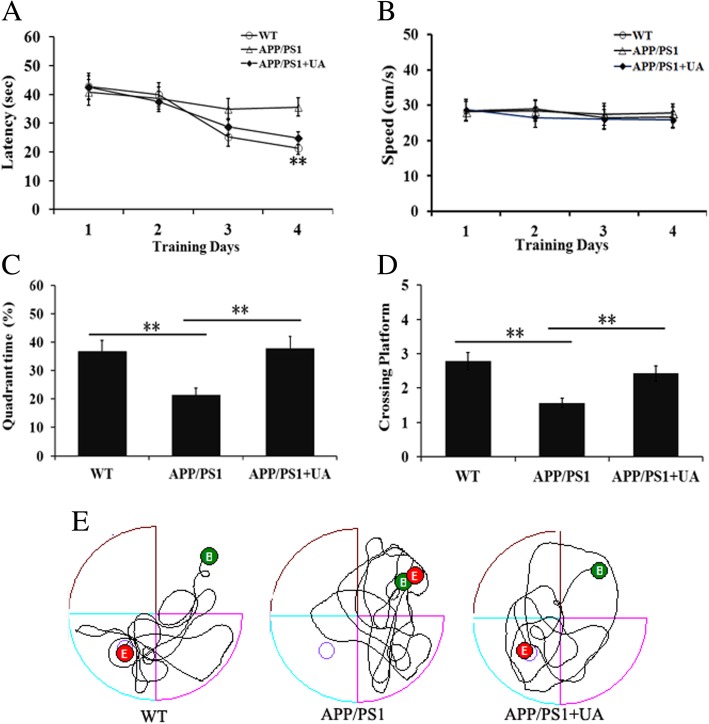
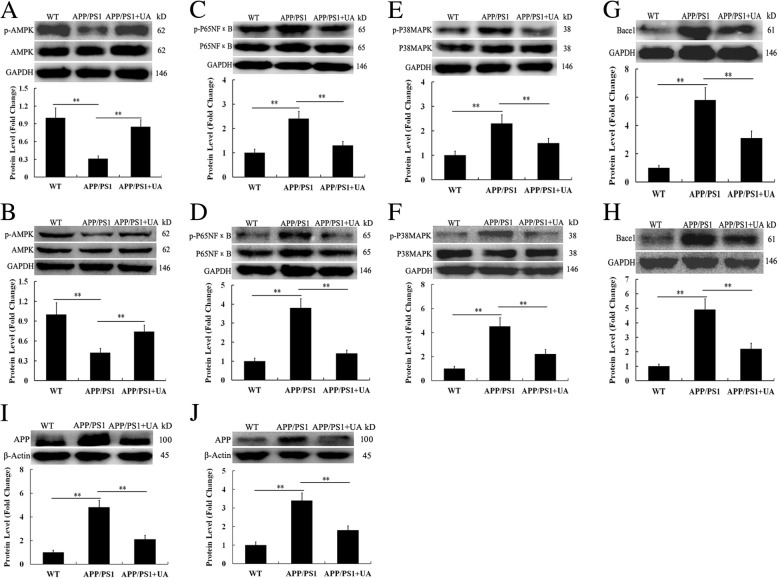
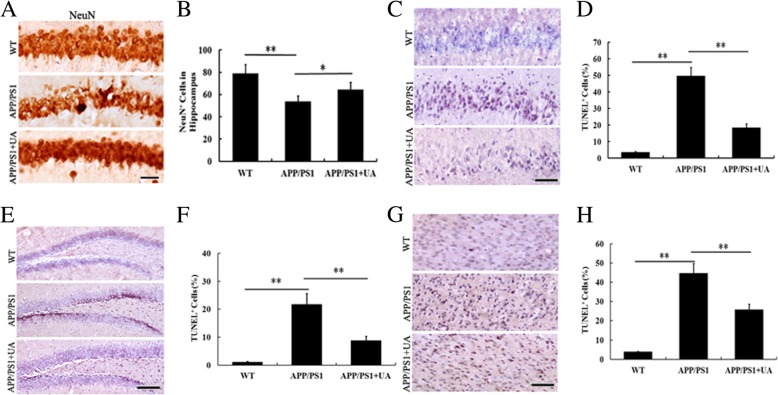
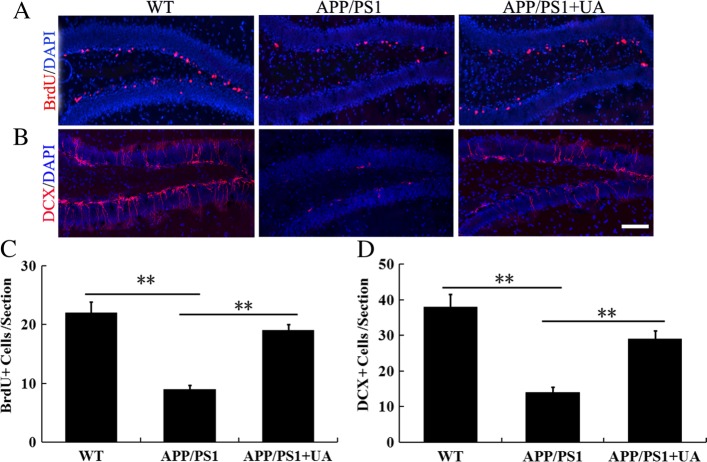
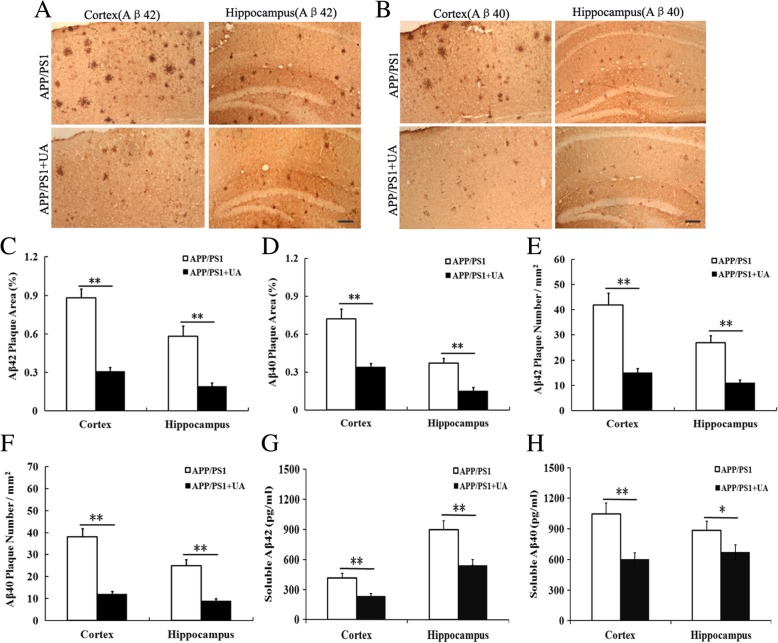
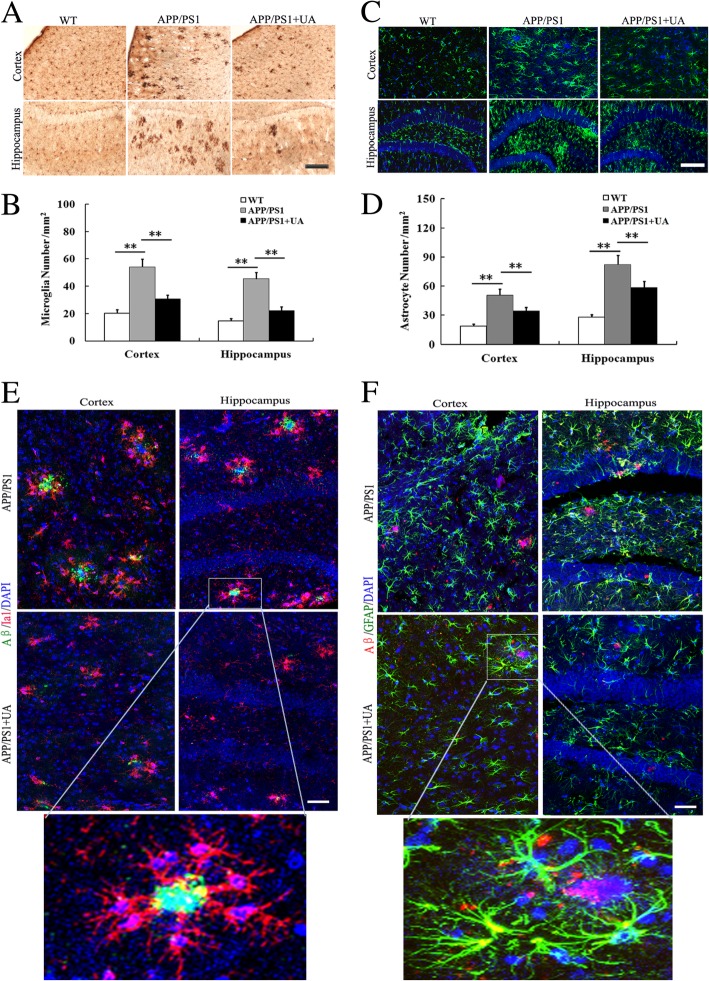
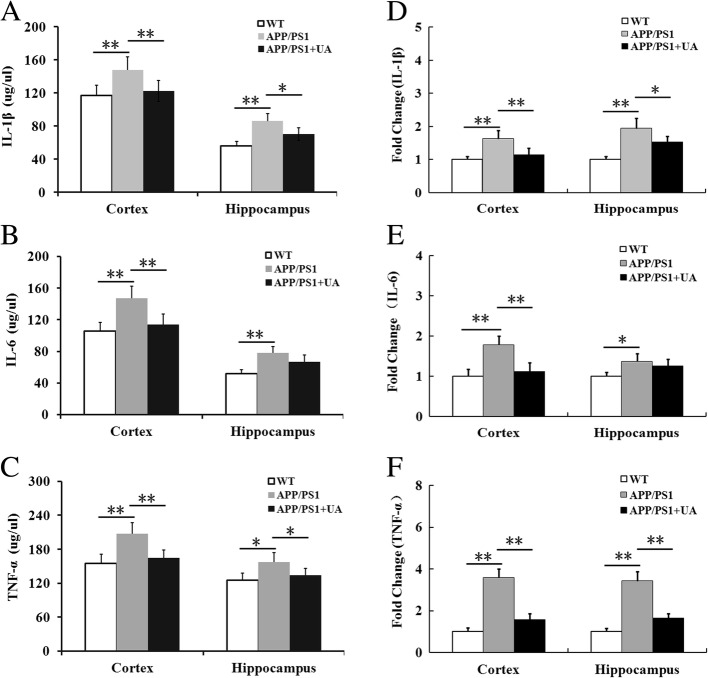
We demonstrated that UA ameliorated cognitive impairment, prevented neuronal apoptosis, and enhanced neurogenesis in APP/PS1 mice. Furthermore, UA attenuated Aβ deposition and peri-plaque microgliosis and astrocytosis in the cortex and hippocampus. We also found that UA affected critical cell signaling pathways, specifically by enhancing cerebral AMPK activation, decreasing the activation of P65NF-κB and P38MAPK, and suppressing Bace1 and APP degradation.
Our results indicated that UA imparted cognitive protection by protecting neurons from death and triggering neurogenesis via anti-inflammatory signaling in APP/PS1 mice, suggesting that UA might be a promising therapeutic drug to treat AD.
阿尔茨海默病(AD)是一种进行性神经退行性疾病,其特征是淀粉样β(Aβ)斑块异常积累、神经炎症和神经发生受损。尿石素 A(UA)是鞣花酸的肠道微生物代谢物,已被报道在大脑中发挥抗炎作用。然而,UA 是否在 AD 的 APPswe/PS1ΔE9(APP/PS1)小鼠模型中发挥抗炎和神经元保护作用尚不清楚。
采用 Morris 水迷宫检测认知功能。末端脱氧核苷酸转移酶介导的 dUTP 缺口末端标记(TUNEL)检测神经元凋亡。免疫组织化学分析神经胶质反应、Aβ沉积和神经发生。酶联免疫吸附试验(ELISA)和定量实时聚合酶链反应(qRT-PCR)检测炎症介质的表达。Western blot 检测 UA 对细胞信号通路的调节作用。
我们证明 UA 改善了 APP/PS1 小鼠的认知障碍,防止了神经元凋亡,并增强了神经发生。此外,UA 减弱了皮质和海马中 Aβ沉积和斑块周围小胶质细胞和星形胶质细胞的激活。我们还发现 UA 影响了关键的细胞信号通路,特别是通过增强大脑 AMPK 的激活,降低 P65NF-κB 和 P38MAPK 的激活,以及抑制 Bace1 和 APP 的降解。
我们的结果表明,UA 通过抗炎信号在 APP/PS1 小鼠中保护神经元免受死亡并触发神经发生,从而赋予认知保护作用,提示 UA 可能是治疗 AD 的一种有前途的治疗药物。