Marks Carine J, Muller Gert J, Sachno Dmitrij, Reuter Helmuth, Wium Cherylynn A, Du Plessis Catharina E, Van Hoving Daniel J
Division of Clinical Pharmacology, Stellenbosch University, Cape Town, South Africa.
Division of Emergency Medicine, Stellenbosch University, Cape Town, South Africa.
Afr J Emerg Med. 2019 Mar;9(1):21-24. doi: 10.1016/j.afjem.2018.12.003. Epub 2019 Feb 4.
South Africa has a wide distribution of scorpion species, yet limited data are available regarding the incidence and severity of scorpion envenomation. The aim of this study was to analyse South African epidemiological data of scorpion stings and envenomation as reported to the Tygerberg Poisons Information Centre (TPIC).
A retrospective analysis was conducted of scorpion-related telephonic consultations to the TPIC over a ten year period (1 January 2005 to 31 December 2014). Data were entered onto a Microsoft Excel® spreadsheet and descriptive statistics are presented for all variables. Associations with severity of envenomation are presented as odds ratios (OR) with 95% confidence intervals (95%CI).
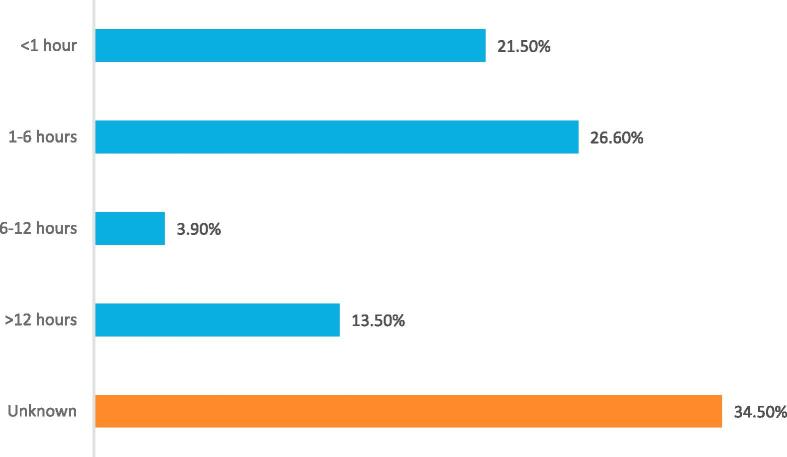
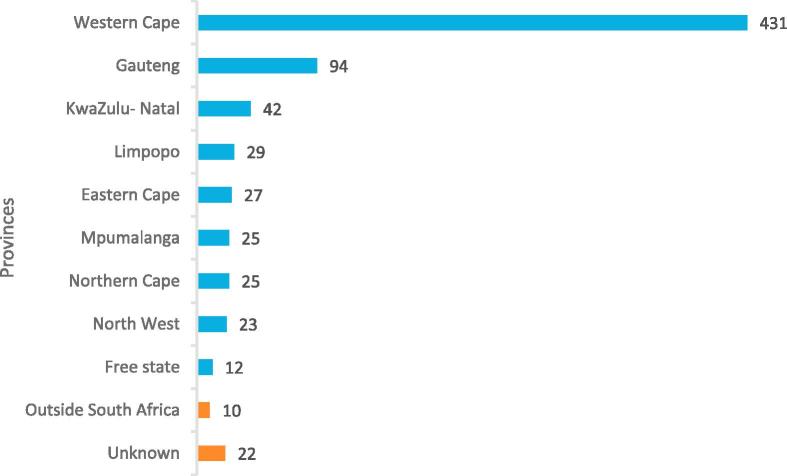
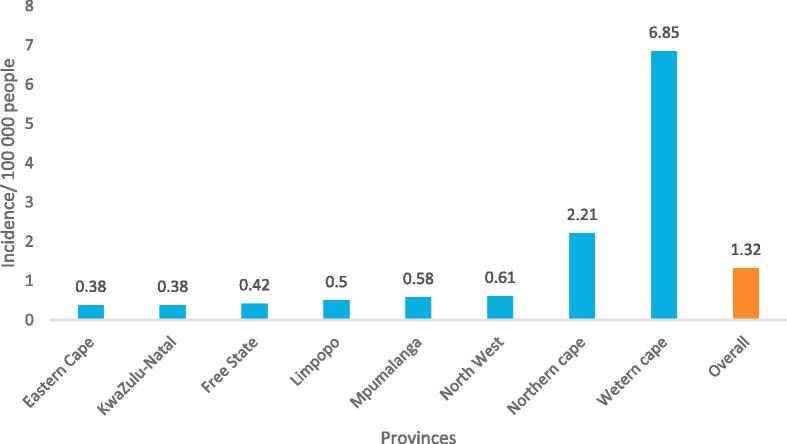
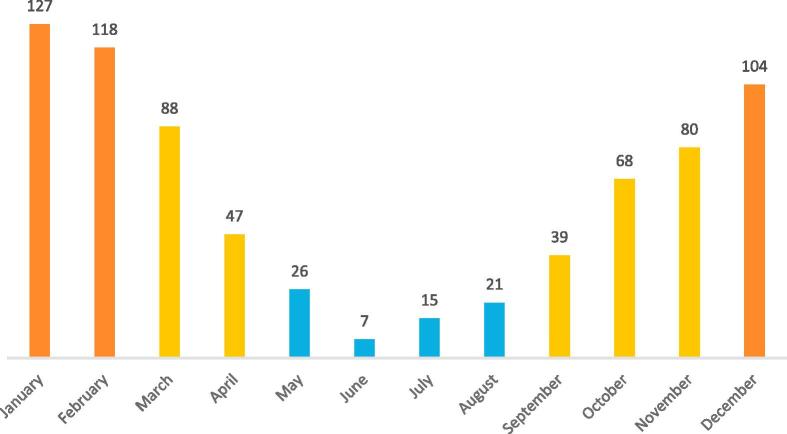
During the study period 52,163 consultations were processed by the TPIC of which 740 (1.4%) cases involved scorpion stings. Of these, 146 (19.7%) cases were deemed serious envenomations. Antivenom was recommended to be administered in 131 (90%) of these cases. Healthcare professionals made most calls (63%), but were less likely to phone for non-serious cases (OR 0.16; 95%CI 0.09 to 0.29). The Western Cape Province had the highest incidence of calls (6.9 scorpion-related calls/100 000 people). Adults (>20 years) were victims in 71.4% of cases, and were more likely to experience less serious stings (OR 0.57; 95%CI 0.37 to 0.86). The TPIC was consulted within six hours of the sting occurring in 356 (48.1%) cases with a significant association to less severity (OR 3.51; 95%CI 1.9 to 6.3). Only 2% (15) of the scorpions were available for identification.
The incidence of severe scorpionism to the TPIC was low. Care should be taken when children are involved and when calls are received more than six hours after the sting. TPIC consultants as well as healthcare professionals working in semi-arid regions should be aware of these high risk populations.
南非蝎子种类分布广泛,但关于蝎子蜇伤的发生率和严重程度的数据有限。本研究的目的是分析向泰格堡毒物信息中心(TPIC)报告的南非蝎子蜇伤和中毒的流行病学数据。
对TPIC在十年期间(2005年1月1日至2014年12月31日)接到的与蝎子相关的电话咨询进行回顾性分析。数据录入Microsoft Excel®电子表格,并对所有变量进行描述性统计。中毒严重程度的关联以比值比(OR)和95%置信区间(95%CI)表示。
在研究期间,TPIC处理了52163次咨询,其中740例(1.4%)涉及蝎子蜇伤。其中,146例(19.7%)被视为严重中毒。在这些病例中,131例(90%)被建议使用抗蛇毒血清。医疗保健专业人员拨打的电话最多(63%),但拨打非严重病例电话的可能性较小(OR 0.16;95%CI 0.09至0.29)。西开普省的电话发生率最高(每10万人中有6.9次与蝎子相关的电话)。71.(4%)的病例受害者为成年人(>20岁),且更有可能遭受不太严重的蜇伤(OR 0.57;95%CI 0.37至0.86)。356例(48.1%)病例在蜇伤发生后6小时内咨询了TPIC,这与较低的严重程度有显著关联(OR 3.51;95%CI 1.9至6.3)。只有2%(15只)的蝎子可供鉴定。
向TPIC报告的严重蝎子中毒发生率较低。涉及儿童以及蜇伤后6小时以上接到电话时应格外小心。TPIC顾问以及在半干旱地区工作的医疗保健专业人员应了解这些高危人群。