Liu Yao, Qin Rong, Zaat Sebastian A J, Breukink Eefjan, Heger Michal
Department of Membrane Biochemistry and Biophysics, Utrecht University, the Netherlands.
Department of Medical Microbiology, Academic Medical Center, University of Amsterdam, the Netherlands.
J Clin Transl Res. 2015 Dec 1;1(3):140-167. eCollection 2015 Dec 30.
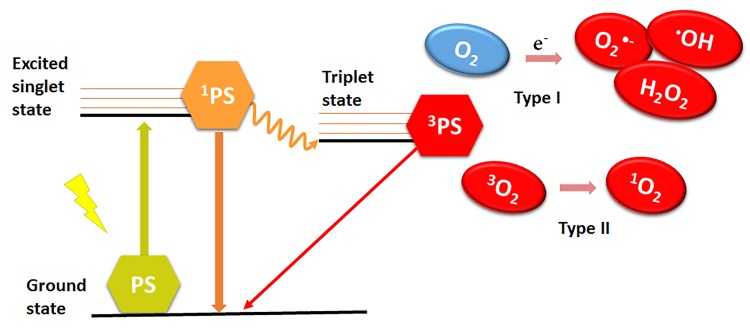
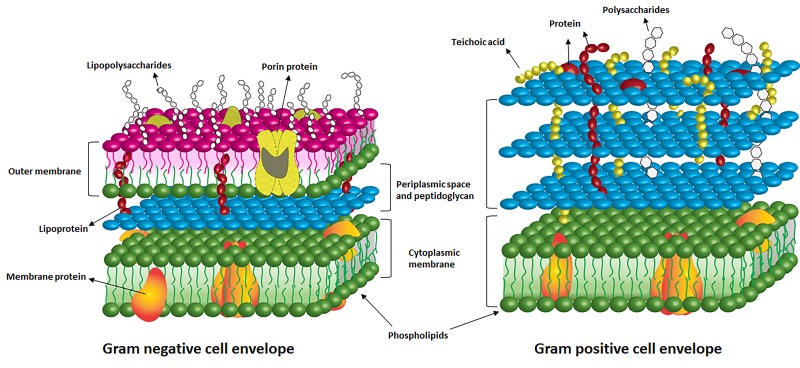
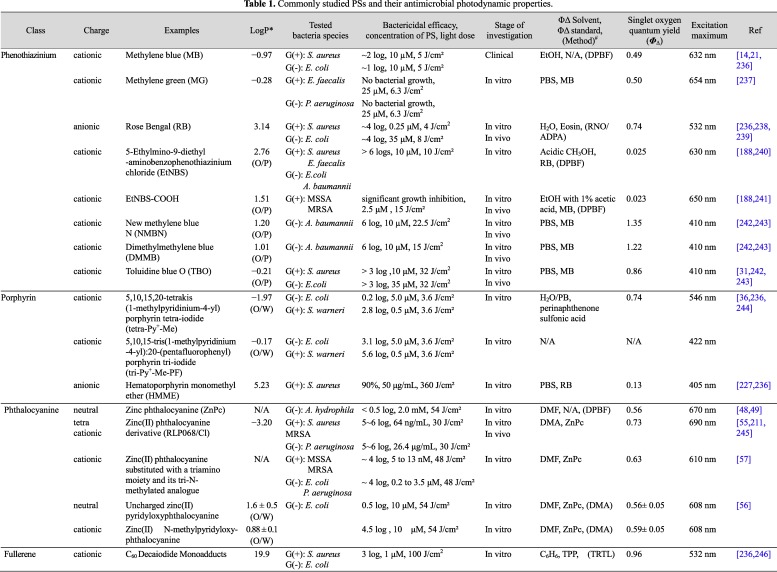
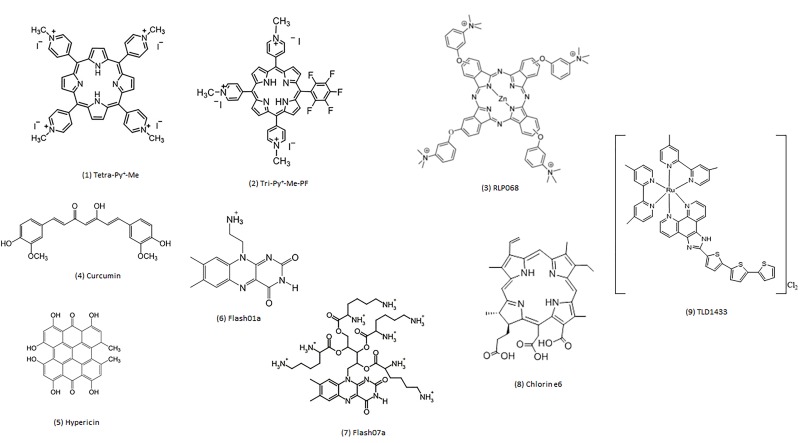
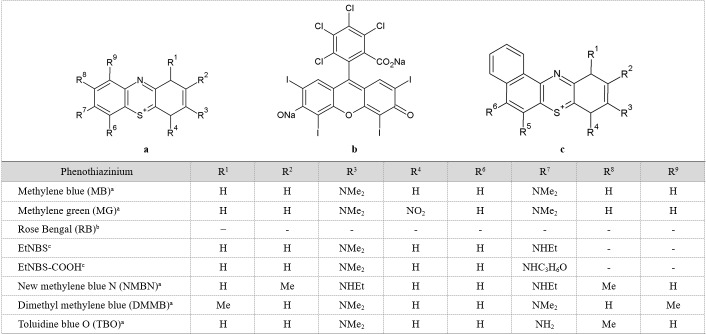
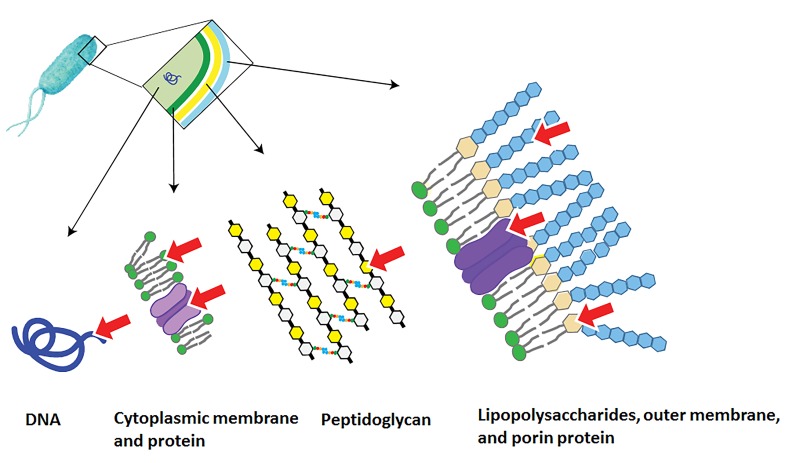
Antibacterial photodynamic therapy (APDT) has drawn increasing attention from the scientific society for its potential to effectively kill multidrug-resistant pathogenic bacteria and for its low tendency to induce drug resistance that bacteria can rapidly develop against traditional antibiotic therapy. The review summarizes the mechanism of action of APDT, the photosensitizers, the barriers to PS localization, the targets, the in vitro-, in vivo-, and clinical evidence, the current developments in terms of treating Gram-positive and Gram-negative bacteria, the limitations, as well as future perspectives. A structured overview of all important aspects of APDT is provided in the context of resistant bacterial species. The information presented is relevant and accessible for scientists as well as clinicians, whose joint effort is required to ensure that this technology benefits patients in the post-antibiotic era.
抗菌光动力疗法(APDT)因其有效杀灭多重耐药病原菌的潜力以及相较于传统抗生素疗法细菌不易快速产生耐药性的特点,已引起科学界越来越多的关注。本综述总结了APDT的作用机制、光敏剂、光敏剂定位的障碍、靶点、体外、体内及临床证据、治疗革兰氏阳性菌和革兰氏阴性菌方面的当前进展、局限性以及未来展望。在耐药细菌种类的背景下,对APDT的所有重要方面进行了结构化概述。所提供信息对科学家和临床医生都具有相关性且易于获取,需要他们共同努力以确保该技术在抗生素后时代使患者受益。