Department of Orthopaedics and Central Laboratory, The Third Hospital Affiliated to Nantong University, Wuxi, China.
Department of Orthopaedics and Central Laboratory, The Hospital Affiliated to Jiangnan University, Wuxi, China.
J Cell Mol Med. 2019 May;23(5):3665-3675. doi: 10.1111/jcmm.14268. Epub 2019 Mar 20.
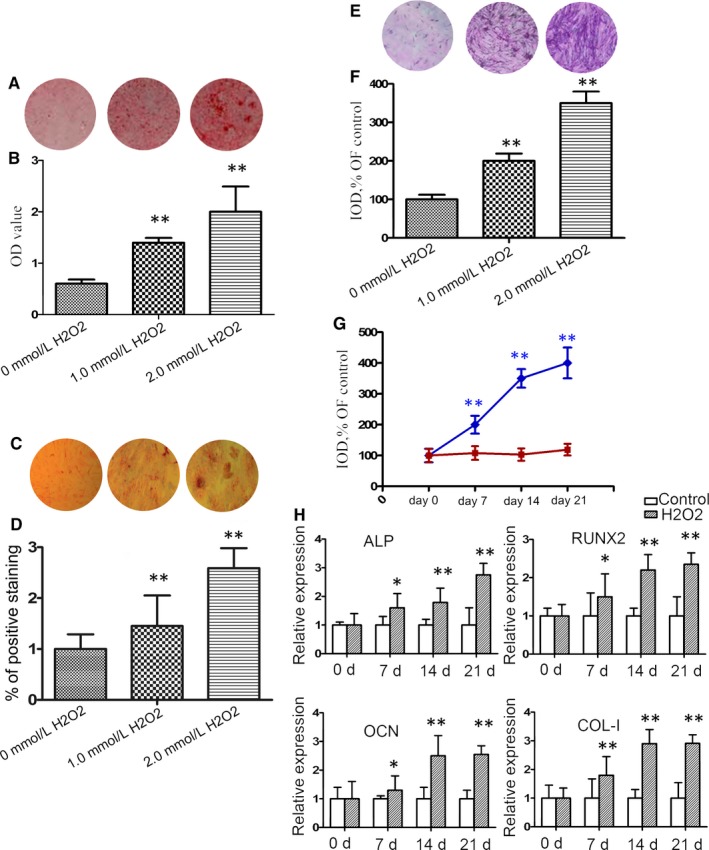
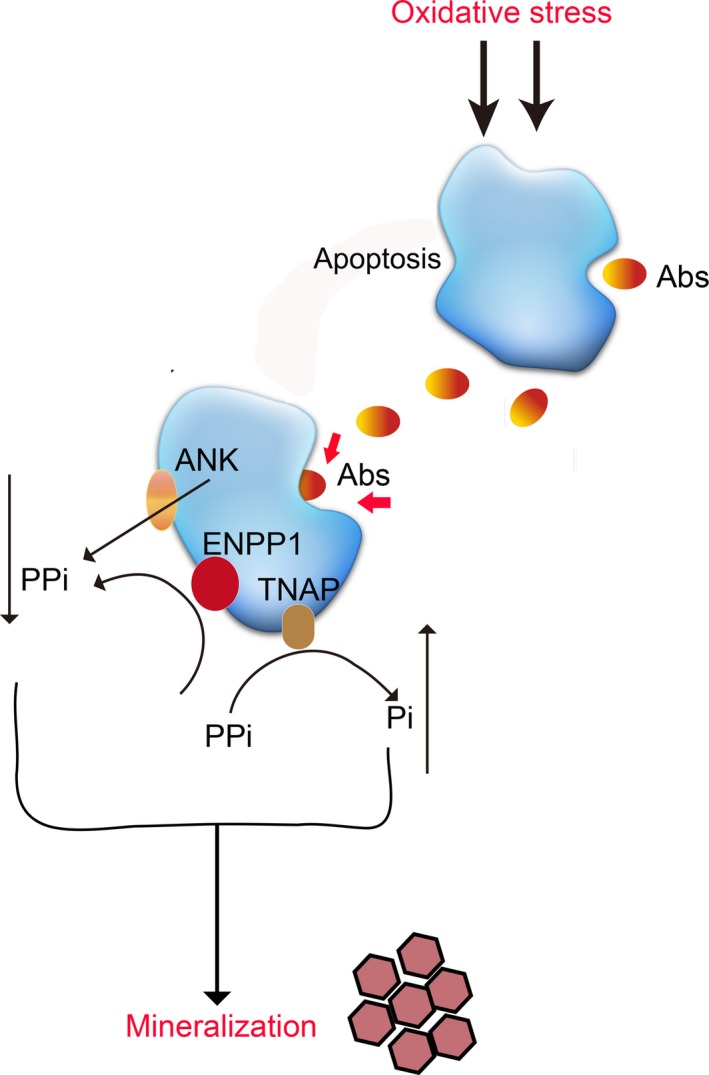
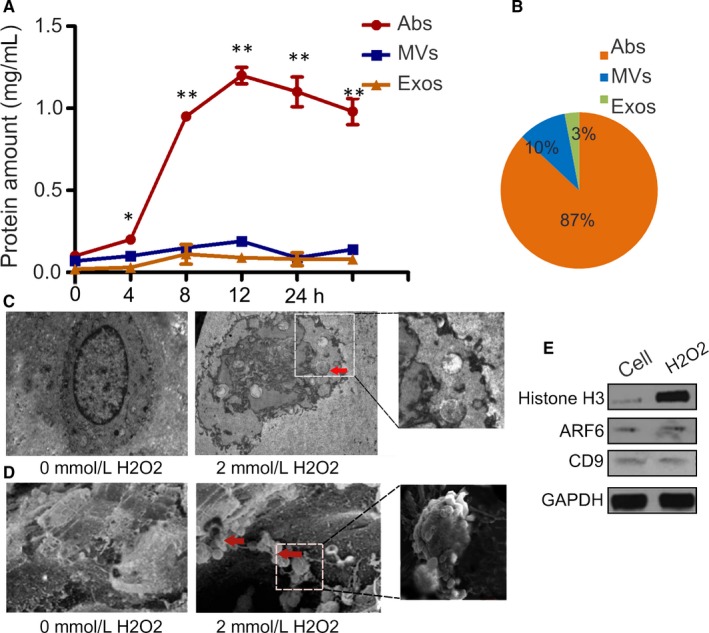
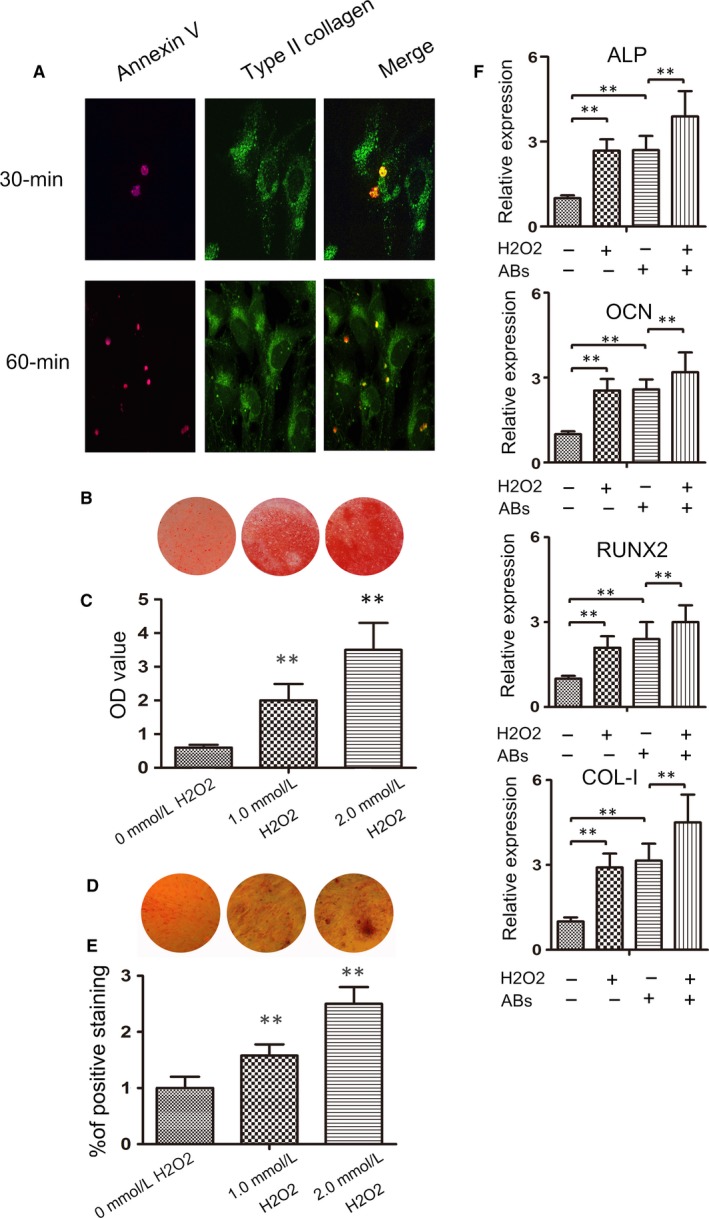
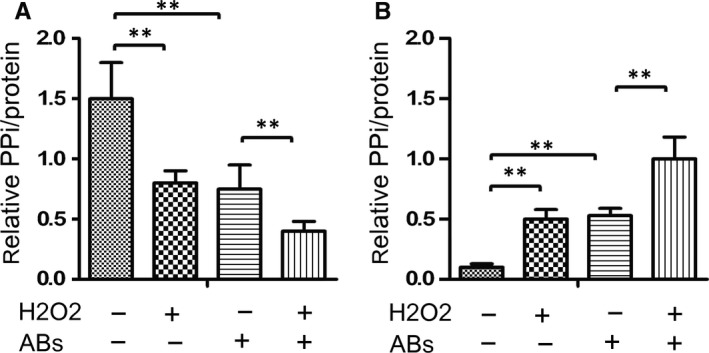
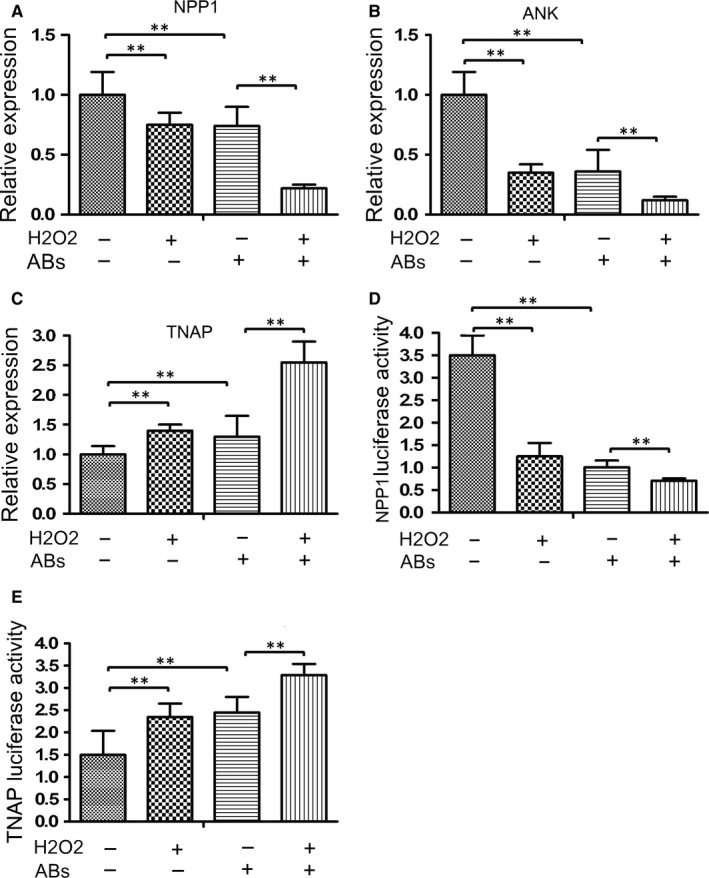
This study aimed to investigate the role of apoptotic bodies (Abs) from the oxidative stressed endplate chondrocytes in regulating mineralization and potential mechanisms. Endplate chondrocytes were isolated from rats and treated with H2O2 to induce oxidative stress. The calcium deposition for matrix mineralization in the cells was examined by histological staining. The expression levels of calcification-related genes in individual groups of cells were determined by quantitative real time-PCR (qRT-PCR). Subsequently, extracellular vesicles (EVs) were purified and characterized. The effect of treatment with H2O2 and/or Abs on the mineralization, extracellular PPi metabolism and related gene expression were determined. Oxidative stress significantly increased the mineralization and promoted the generation of main Abs from endplate chondrocytes. Abs were effectively endocytosed by endplate chondrocytes and co-localized with collagen (COL)-II in the cytoplasm, which enhanced the mineralization, alkaline phosphatase (ALP), osteocalcin (OCN), Runt-related transcription factor 2 (RUNX2) and COL-I expression in endplate chondrocytes. Furthermore, treatment either H2O2 or Abs significantly decreased PPi, but increased Pi production and treatment with both further enhancing the changes in endplate chondrocytes. Similarly, treatment either H2O2 or Abs significantly decreased the ectonucleotide pyrophosphatase/phosphodiesterase 1 (ENPP1), and ankylosis protein (ANK) expression and ENPP1 promoter activity, but increased the tissue-nonspecific alkaline phosphatase (TNAP) expression and TNAP promoter activity in endplate chondrocytes. Oxidative stress promoted the generation of Abs, which might enhance the oxidative stress-mediated mineralization in endplate chondrocytes by regulating the PPi metabolism.
本研究旨在探讨氧化应激状态下软骨终板细胞凋亡小体(Abs)在调控软骨细胞矿化及其潜在机制中的作用。分离大鼠软骨终板细胞,用 H2O2 处理诱导氧化应激,用组织学染色法检测细胞基质矿化的钙沉积。通过定量实时 PCR(qRT-PCR)测定各组细胞中钙化相关基因的表达水平。然后,纯化和表征细胞外囊泡(EVs)。检测 H2O2 和/或 Abs 处理对矿化、细胞外 PPi 代谢和相关基因表达的影响。氧化应激显著增加了矿化,并促进了软骨终板细胞主要 Abs 的产生。Abs 被软骨终板细胞有效内吞,并在细胞质中与胶原(COL)-II 共定位,从而增强了软骨终板细胞的矿化、碱性磷酸酶(ALP)、骨钙素(OCN)、成骨相关转录因子 2(RUNX2)和 COL-I 的表达。此外,H2O2 或 Abs 处理均显著降低了 PPi,但增加了 Pi 的产生,两者联合处理进一步增强了软骨终板细胞的变化。同样,H2O2 或 Abs 处理均显著降低了细胞外核苷酸焦磷酸酶/磷酸二酯酶 1(ENPP1)和锚定蛋白(ANK)的表达和 ENPP1 启动子活性,而增加了软骨终板细胞的组织非特异性碱性磷酸酶(TNAP)的表达和 TNAP 启动子活性。氧化应激促进了 Abs 的产生,可能通过调节 PPi 代谢增强氧化应激介导的软骨终板细胞矿化。