Chioibasu Diana, Achim Alexandru, Popescu Camelia, Stan George E, Pasuk Iuliana, Enculescu Monica, Iosub Stefana, Duta Liviu, Popescu Andrei
Center for Advanced Laser Technologies-CETAL, National Institute for Lasers, Plasma and Radiation Physics, 077125 Magurele, Ilfov, Romania.
Faculty of Applied Sciences, Department of Physics University Politehnica of Bucharest, 060042 Bucharest, Romania.
Materials (Basel). 2019 Mar 19;12(6):906. doi: 10.3390/ma12060906.
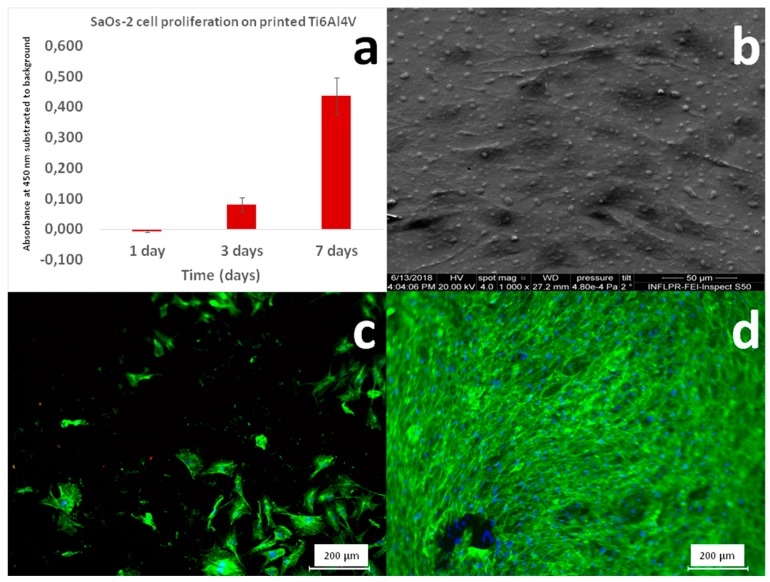
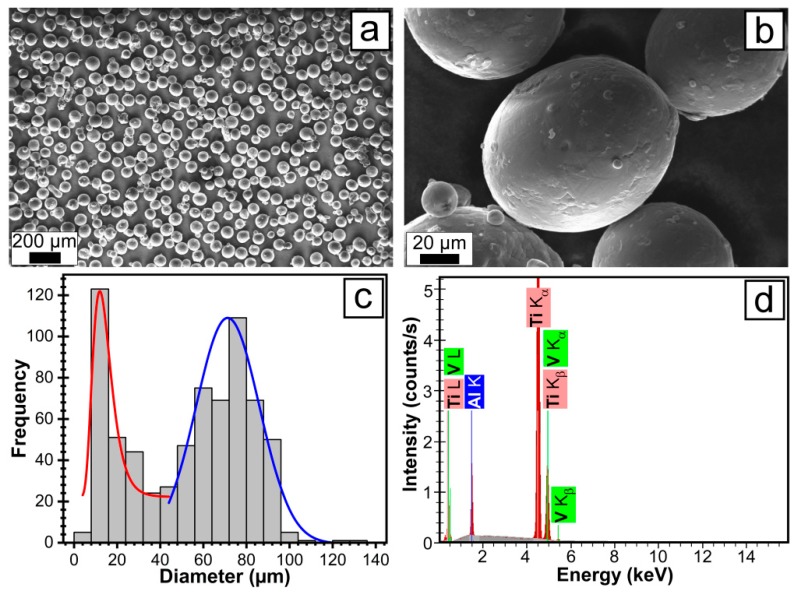
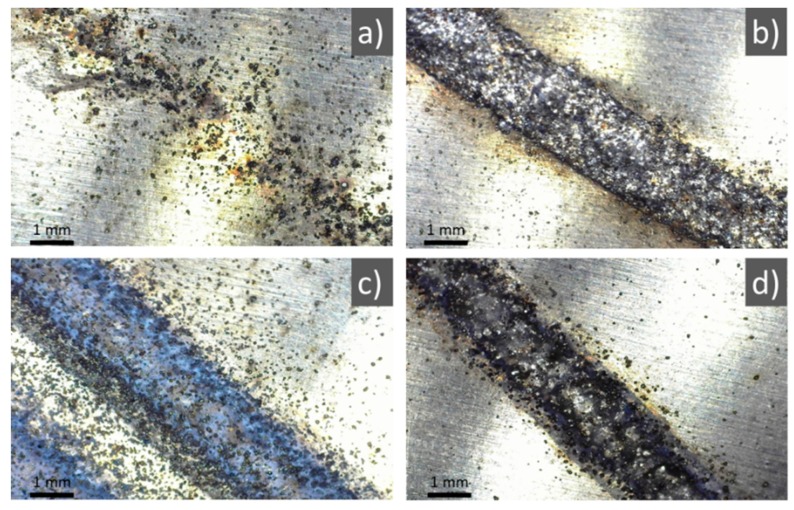
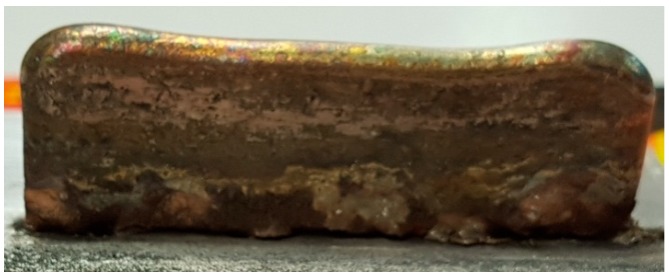
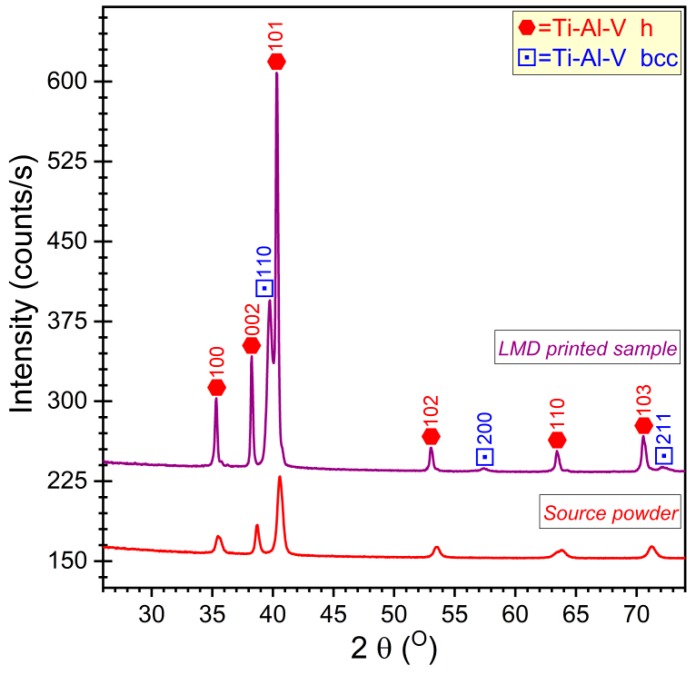
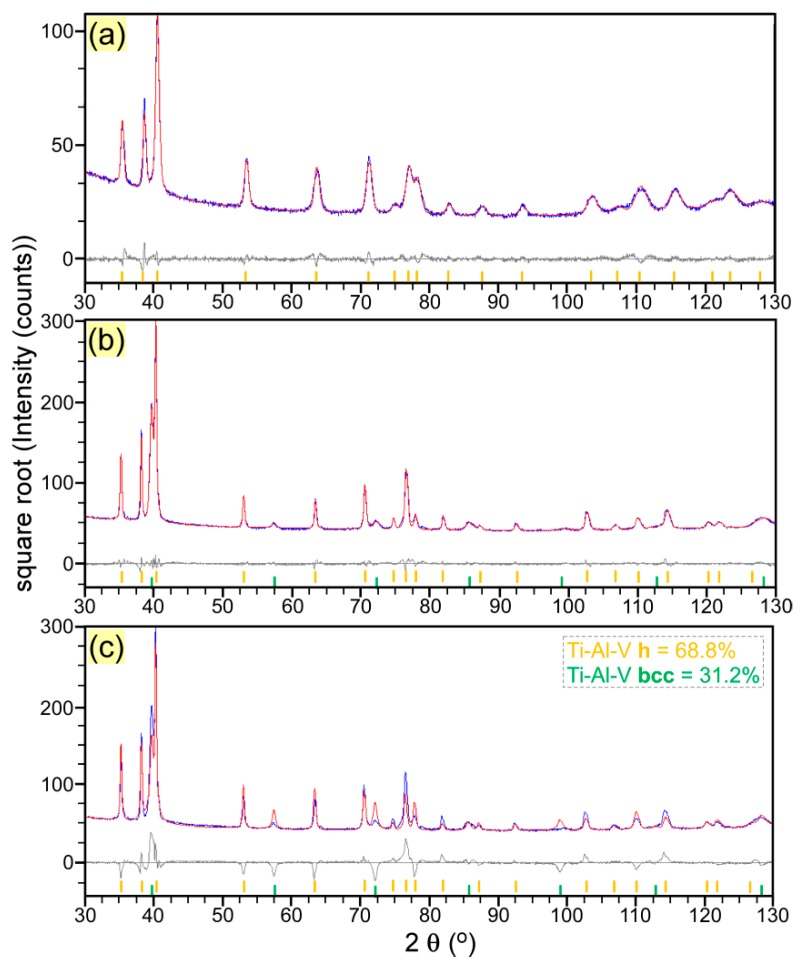
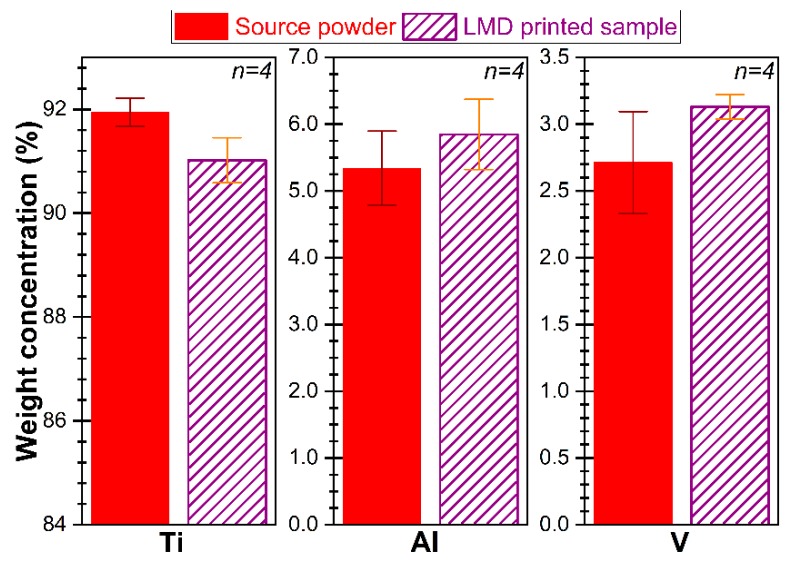
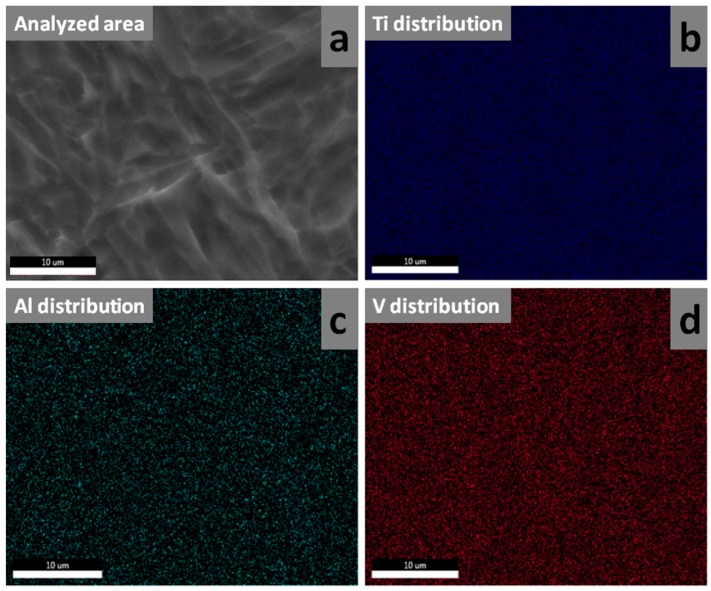
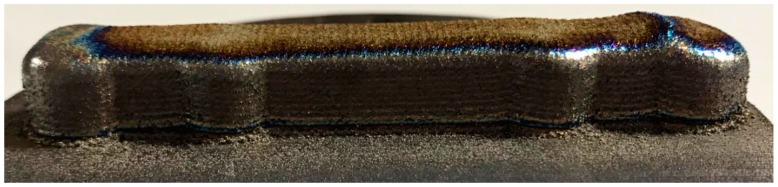
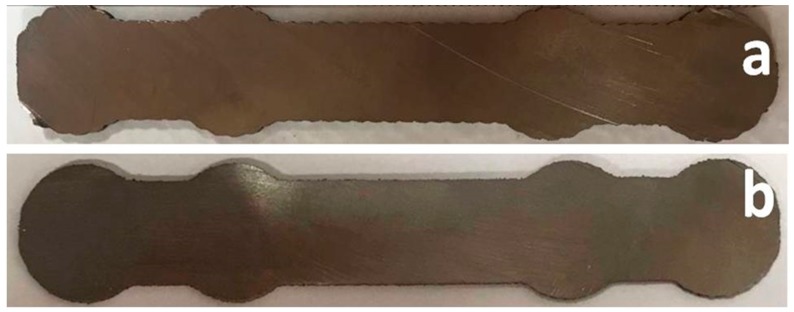
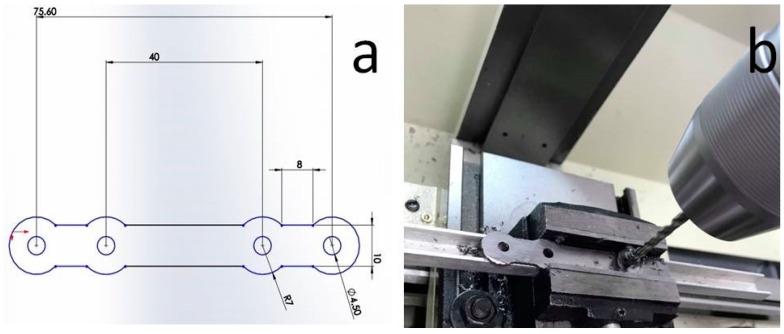
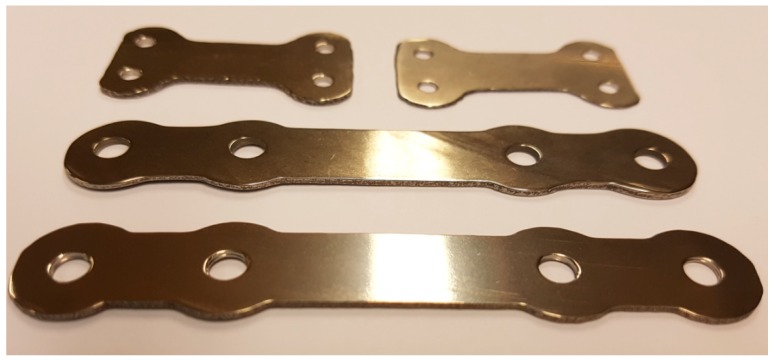
Laser melting deposition is a 3D printing method usually studied for the manufacturing of machine parts in the industry. However, for the medical sector, although feasible, applications and actual products taking advantage of this technique are only scarcely reported. Therefore, in this study, Ti6Al4V orthopedic implants in the form of plates were 3D printed by laser melting deposition. Tuning of the laser power, scanning speed and powder feed rate was conducted, in order to obtain a continuous deposition after a single laser pass and to diminish unwanted blown powder, stuck in the vicinity of the printed elements. The fabrication of bone plates is presented in detail, putting emphasis on the scanning direction, which had a decisive role in the 3D printing resolution. The printed material was investigated by optical microscopy and was found to be dense, with no visible pores or cracks. The metallographic investigations and X-ray diffraction data exposed an unusual biphasic α+β structure. The energy dispersive X-ray spectroscopy revealed a composition very similar to the one of the starting powder material. The mapping of the surface showed a uniform distribution of elements, with no segregations or areas with deficient elemental distribution. The in vitro tests performed on the 3D printed Ti6Al4V samples in osteoblast-like cell cultures up to 7 days showed that the material deposited by laser melting is cytocompatible.
激光熔化沉积是一种通常用于工业领域制造机械零件的3D打印方法。然而,对于医疗领域而言,尽管可行,但利用该技术的应用和实际产品却鲜有报道。因此,在本研究中,通过激光熔化沉积3D打印出了板状的Ti6Al4V骨科植入物。对激光功率、扫描速度和粉末进给速率进行了调整,以便在单次激光扫描后获得连续沉积,并减少卡在打印元件附近的多余吹散粉末。详细介绍了骨板的制造过程,重点强调了扫描方向,其在3D打印分辨率中起决定性作用。通过光学显微镜对打印材料进行了研究,发现其致密,无可见孔隙或裂纹。金相研究和X射线衍射数据显示出一种不寻常的双相α+β结构。能量色散X射线光谱分析表明其成分与起始粉末材料非常相似。表面映射显示元素分布均匀,无偏析或元素分布不足的区域。在成骨样细胞培养中对3D打印的Ti6Al4V样品进行长达7天的体外测试表明,激光熔化沉积的材料具有细胞相容性。