Maia Miguel A, Sousa Emília
Laboratory of Organic and Pharmaceutical Chemistry, Department of Chemical Sciences, Faculty of Pharmacy, University of Porto, Rua Jorge Viterbo Ferreira, 228, 4050-313 Porto, Portugal.
Interdisciplinary Centre of Marine and Environmental Research (CIIMAR), Terminal de Cruzeiros do Porto de Leixões, Av. General Norton de Matos s/n, 4450-208 Matosinhos, Portugal.
Pharmaceuticals (Basel). 2019 Mar 19;12(1):41. doi: 10.3390/ph12010041.
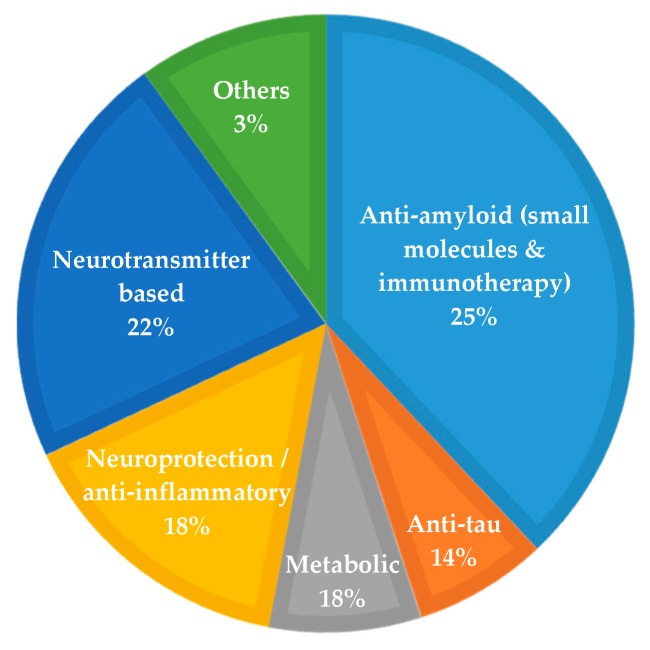
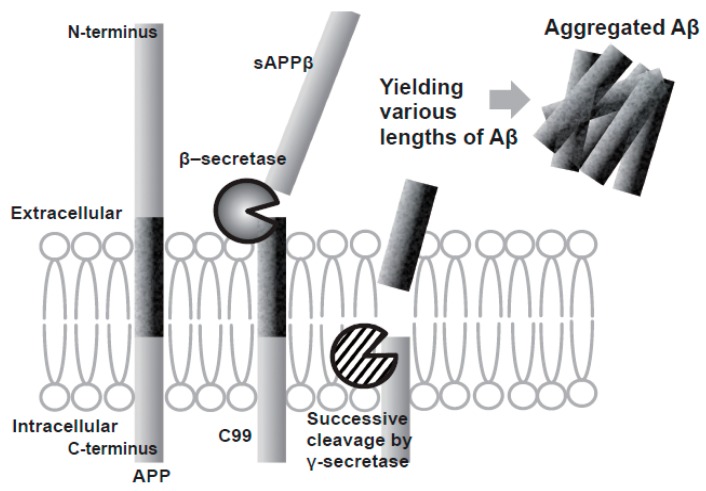
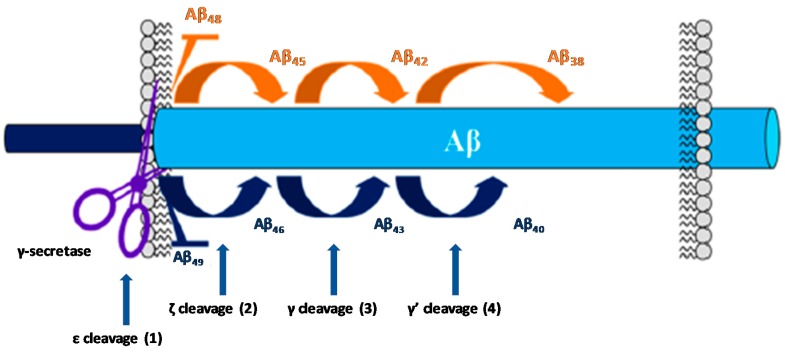
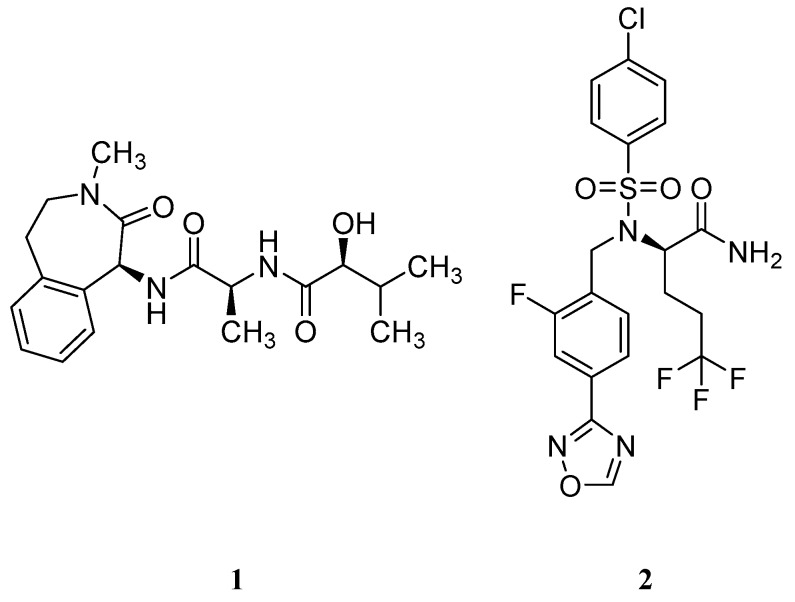
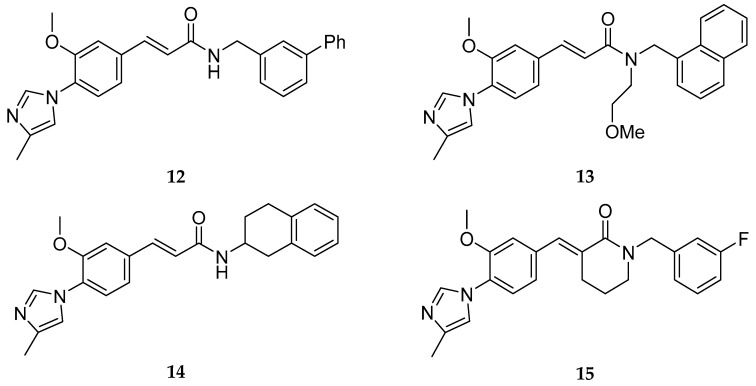
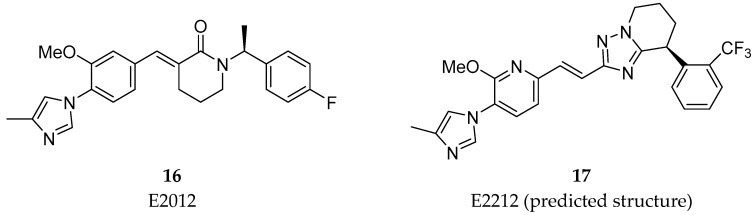
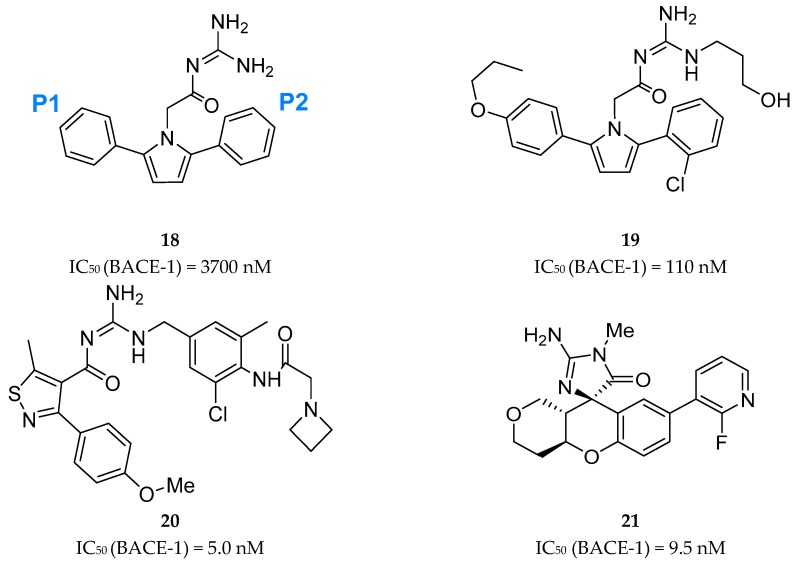
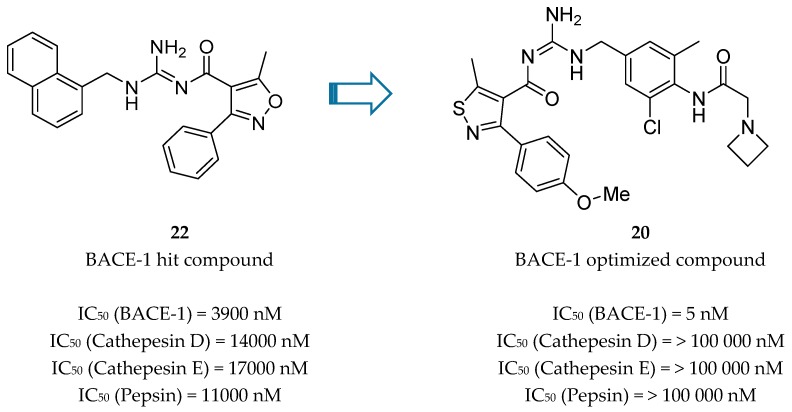
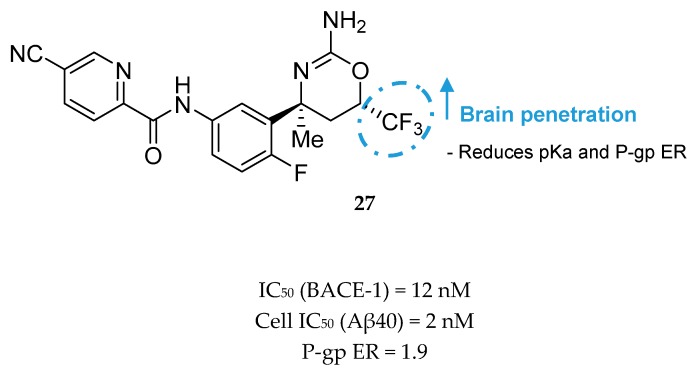
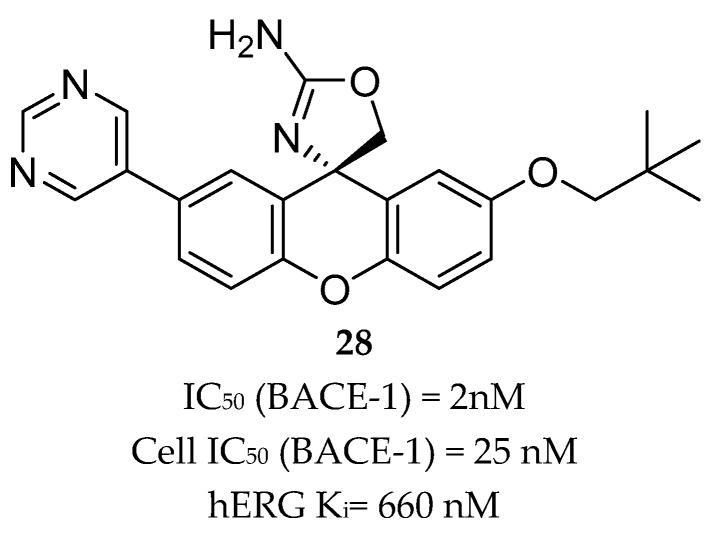
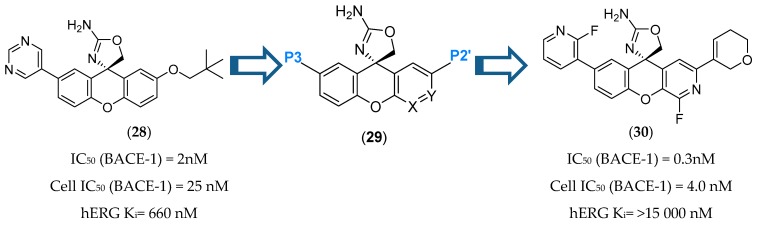
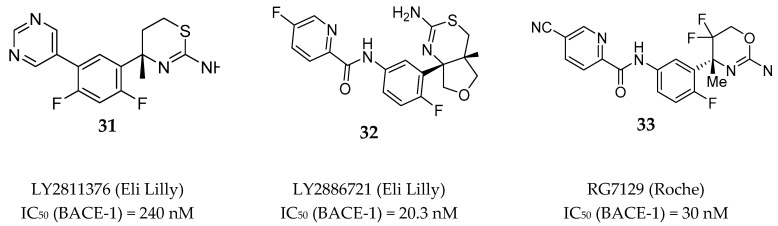
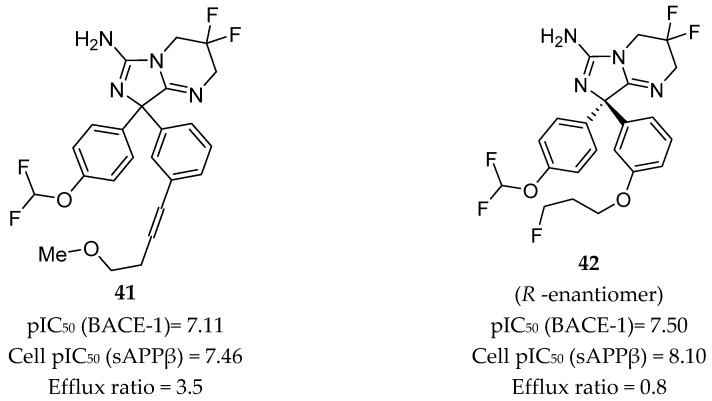
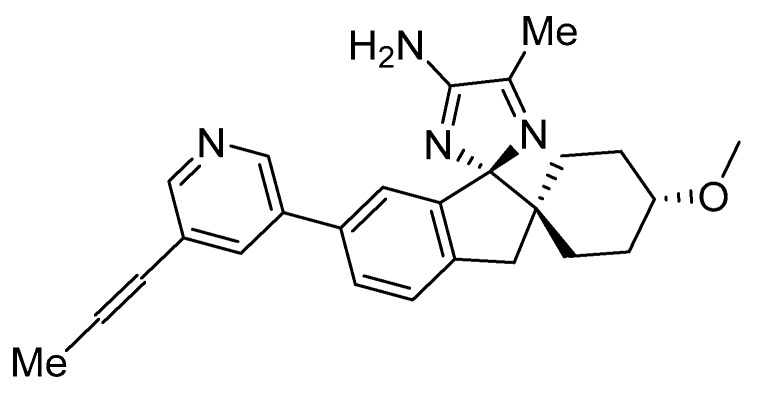
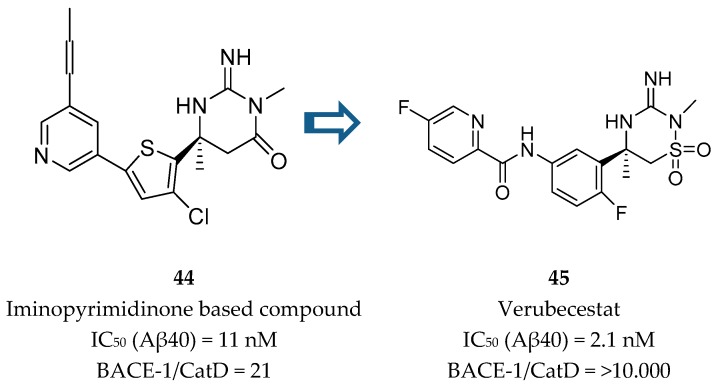
Alzheimer's disease (AD) is a growing global health concern with a massive impact on affected individuals and society. Despite the considerable advances achieved in the understanding of AD pathogenesis, researchers have not been successful in fully identifying the mechanisms involved in disease progression. The amyloid hypothesis, currently the prevalent theory for AD, defends the deposition of β-amyloid protein (Aβ) aggregates as the trigger of a series of events leading to neuronal dysfunction and dementia. Hence, several research and development (R&D) programs have been led by the pharmaceutical industry in an effort to discover effective and safety anti-amyloid agents as disease modifying agents for AD. Among 19 drug candidates identified in the AD pipeline, nine have their mechanism of action centered in the activity of β or γ-secretase proteases, covering almost 50% of the identified agents. These drug candidates must fulfill the general rigid prerequisites for a drug aimed for central nervous system (CNS) penetration and selectivity toward different aspartyl proteases. This review presents the classes of γ-secretase and beta-site APP cleaving enzyme 1 (BACE-1) inhibitors under development, highlighting their structure-activity relationship, among other physical-chemistry aspects important for the successful development of new anti-AD pharmacological agents.
阿尔茨海默病(AD)是一个日益严重的全球健康问题,对患者个人和社会都产生了巨大影响。尽管在理解AD发病机制方面取得了相当大的进展,但研究人员尚未成功完全确定疾病进展所涉及的机制。淀粉样蛋白假说目前是AD的主流理论,该假说认为β-淀粉样蛋白(Aβ)聚集体的沉积是导致神经元功能障碍和痴呆的一系列事件的触发因素。因此,制药行业主导了多个研发项目,致力于发现有效且安全的抗淀粉样蛋白药物,作为AD的疾病修饰药物。在AD研发流程中确定的19种候选药物中,有9种的作用机制集中在β或γ-分泌酶蛋白酶的活性上,几乎占已确定药物的50%。这些候选药物必须满足针对中枢神经系统(CNS)渗透以及对不同天冬氨酸蛋白酶具有选择性的药物的一般严格先决条件。本综述介绍了正在研发的γ-分泌酶和β-位点APP切割酶1(BACE-1)抑制剂的类别,突出了它们的构效关系以及对新型抗AD药物成功研发至关重要的其他物理化学方面。