Hung Hung Te, Ye Dong Qing, Lai Chern Hsiung
Department of Epidemiology and Biostatistics, School of Public Health, Anhui Medical University, 81 Mei-San Road, Hefe 230032, Anhui, China.
Department of Biomedical Science and Environmental Biology, College of Life Science, Kaohsiung Medical University, 100 Shih-Chuan 1st Road, San-Ming District, Kaohsiung, Taiwan.
J Dent Sci. 2016 Dec;11(4):437-442. doi: 10.1016/j.jds.2016.07.005. Epub 2016 Nov 9.
BACKGROUND/PURPOSE: is an early colonizer of biofilm and plays a key role in the process of adhesion to prosthetic surfaces by facilitating the adhesion of later colonizers. The main aim of this study was to determine if is affected by the gold concentration dental prosthetic alloys.
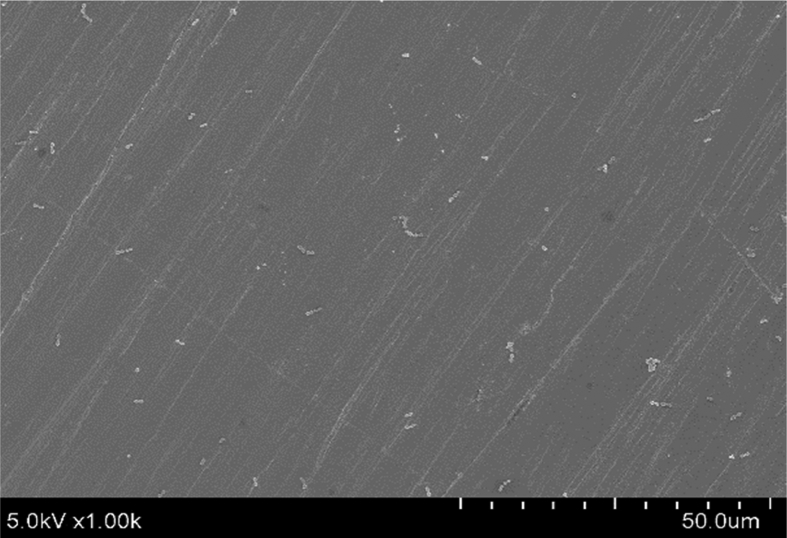
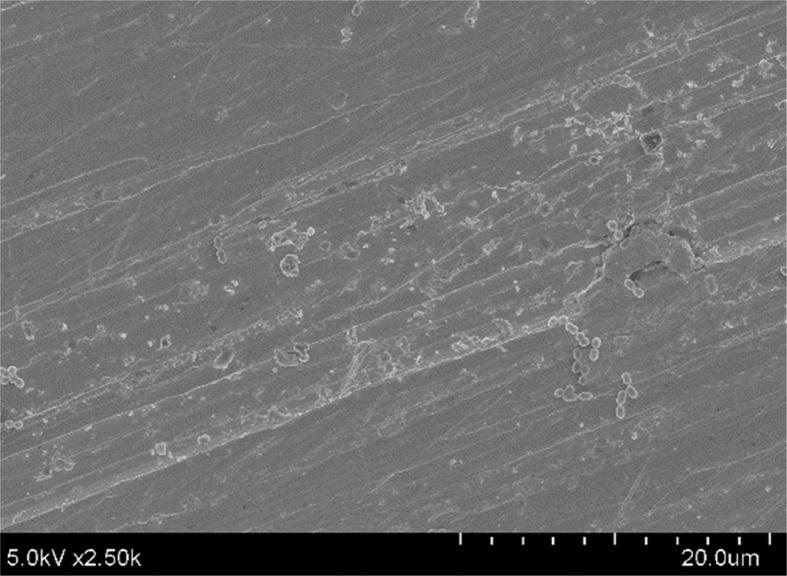
Five commonly used alloys with varying degrees of gold concentration were selected for this study. We evaluated the ability of ATCC strain 10556 to adhere to each of these alloys by counting the number of cells that adhered to each of the tested alloys. Each alloy was also assessed for cell adherence using scanning electron microscopy. One-way analysis of variance and Student-Newman-Keuls comparison test were used for statistical analysis based on cell counts from each well for the test and control groups.
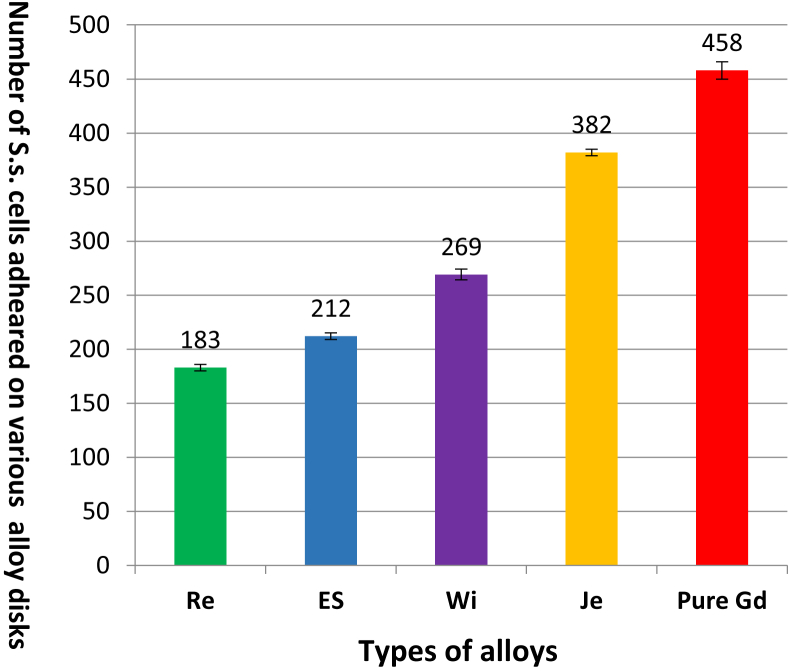
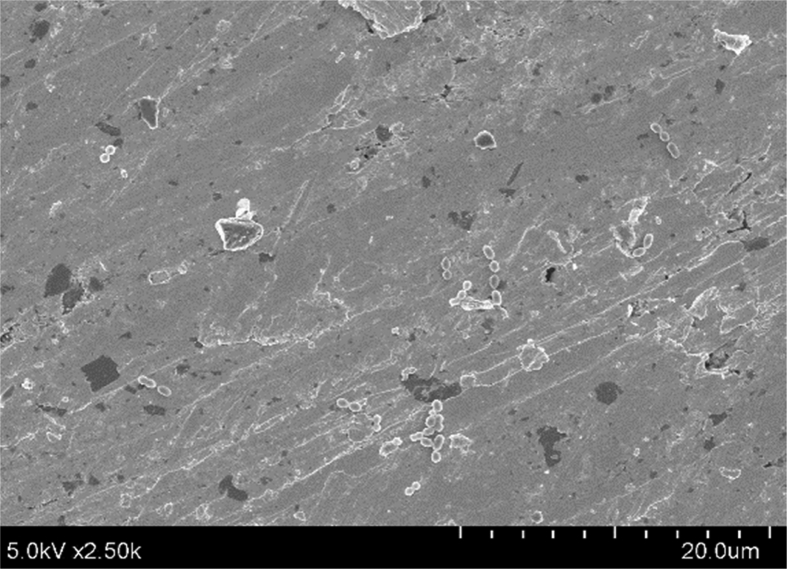
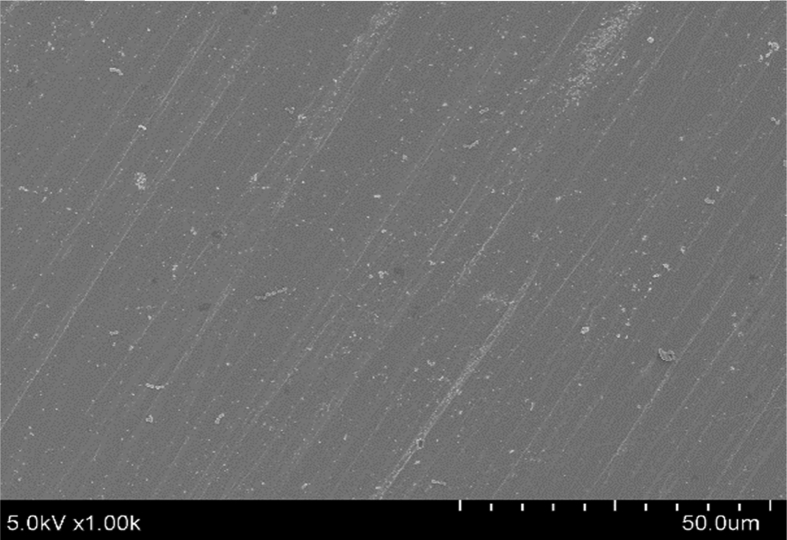
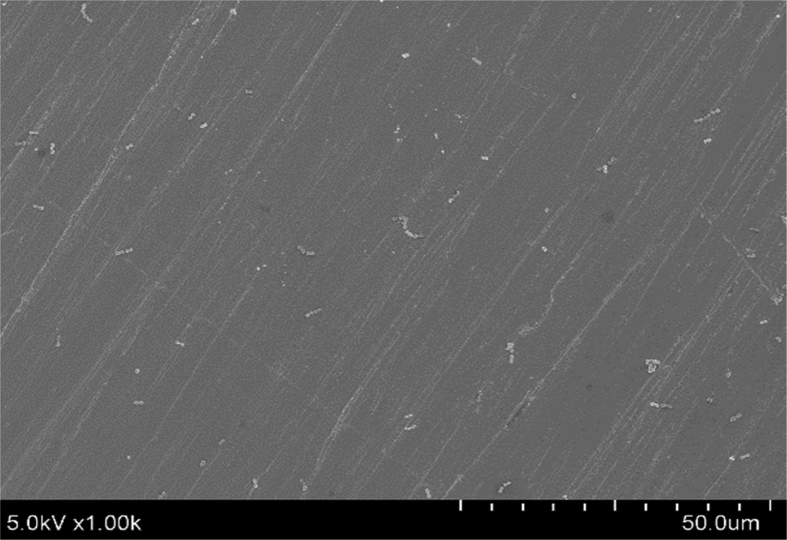
The highest concentration of bacterial cells adhered best to pure gold alloy (458 ± 8) followed by 88.4% gold Je alloy (382.33 ± 2), 56% gold Wi alloy (269 ± 4), 2% gold Es alloy (212.33 ± 2), and nongold Re alloy (183 ± 3). Based on the cell counts and scanning electron microscopy observations, there was a clear correlation between gold concentration and adherence.
The findings of this study suggest that alloys with a lower gold concentration may result in lower bacterial colonization rates and may reduce the risk of invasive infections. When choosing an alloy, low gold concentrations may be a better clinical choice.
背景/目的:[细菌名称]是生物膜的早期定植菌,通过促进后期定植菌的黏附,在假体表面黏附过程中起关键作用。本研究的主要目的是确定[细菌名称]是否受牙科修复合金金浓度的影响。
本研究选择了五种金浓度不同的常用合金。我们通过计数黏附在每种测试合金上的细胞数量,评估了[细菌名称]ATCC菌株10556对每种合金的黏附能力。还使用扫描电子显微镜对每种合金的细胞黏附情况进行了评估。基于测试组和对照组每个孔的细胞计数,采用单因素方差分析和Student-Newman-Keuls比较检验进行统计分析。
细菌细胞最高浓度与纯金合金黏附最佳(458±8),其次是88.4%金含量的Je合金(382.33±2)、56%金含量的Wi合金(269±4)、2%金含量的Es合金(212.33±2)和非金Re合金(183±3)。基于细胞计数和扫描电子显微镜观察,金浓度与[细菌名称]黏附之间存在明显相关性。
本研究结果表明,金浓度较低的合金可能导致较低的细菌定植率,并可能降低侵袭性感染的风险。在选择合金时,低金浓度可能是更好的临床选择。