Department of Drug Science and Technology, University of Turin, 10126 Torino, Italy.
Interdisciplinary Research Centre of Autoimmune Diseases (IRCAD), University of Piemonte Orientale, Amedeo Avogadro, 28100 Novara, Italy.
Cells. 2019 Mar 20;8(3):262. doi: 10.3390/cells8030262.
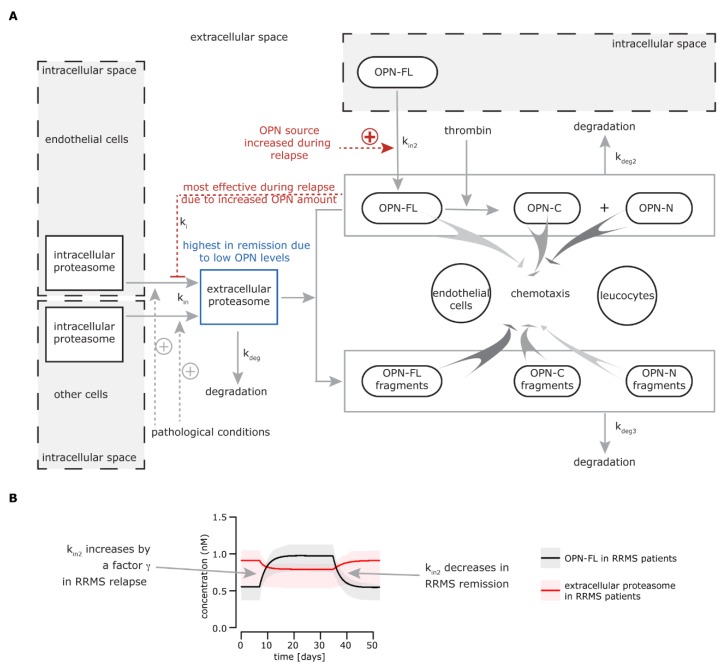
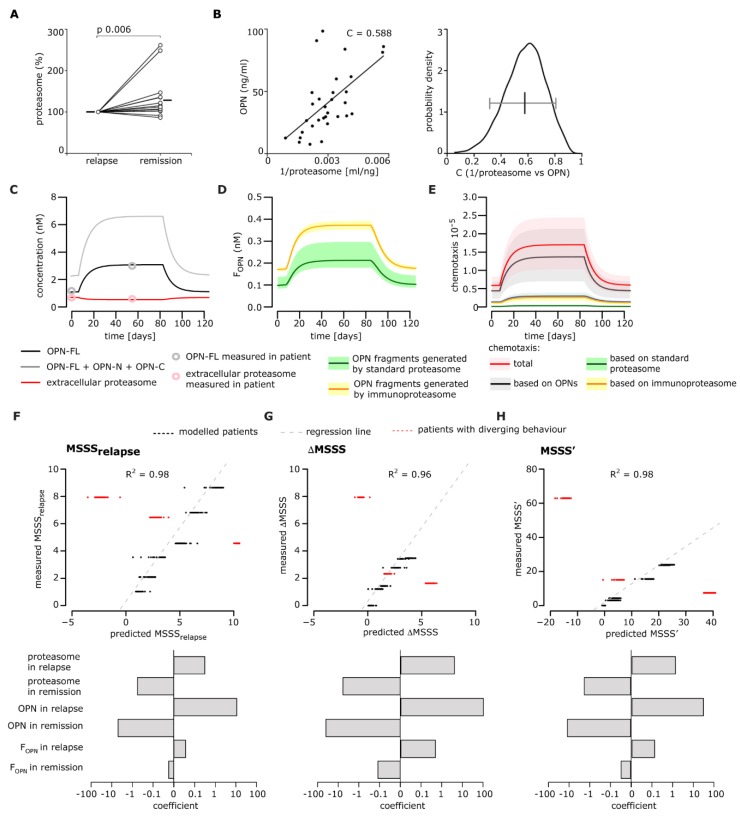
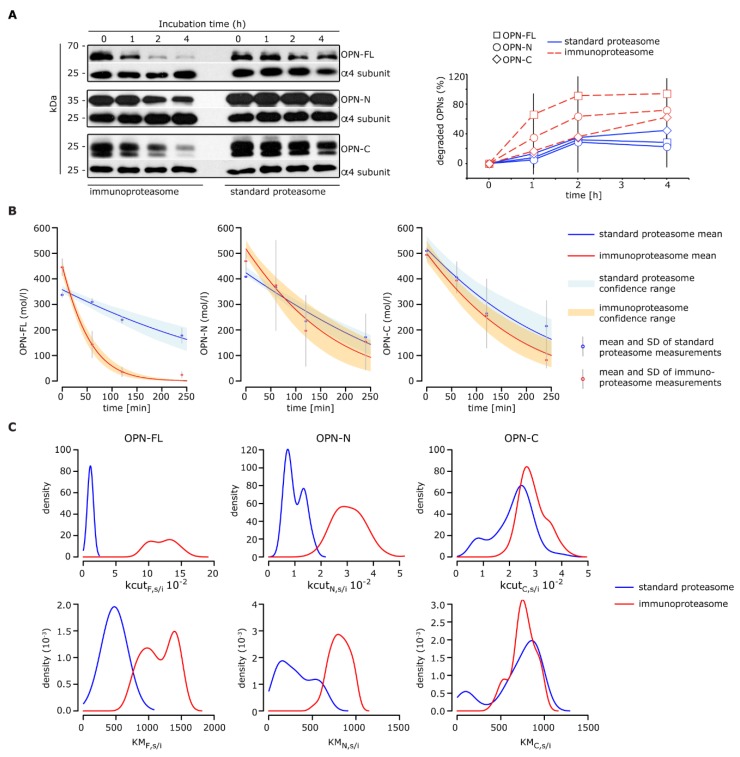
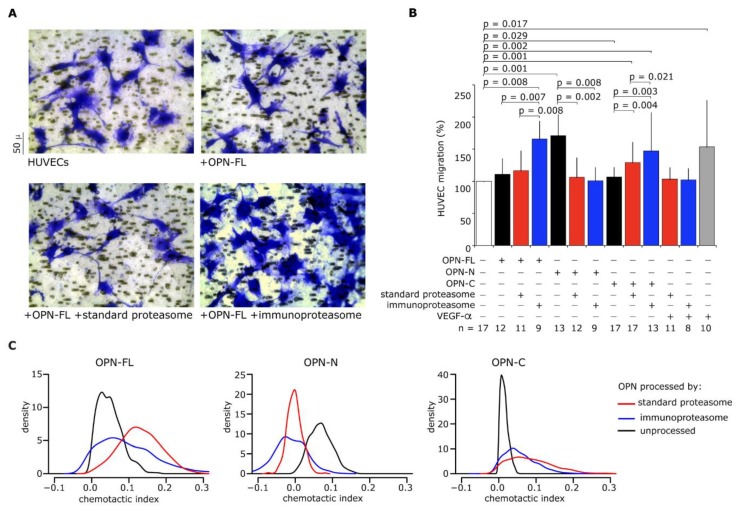
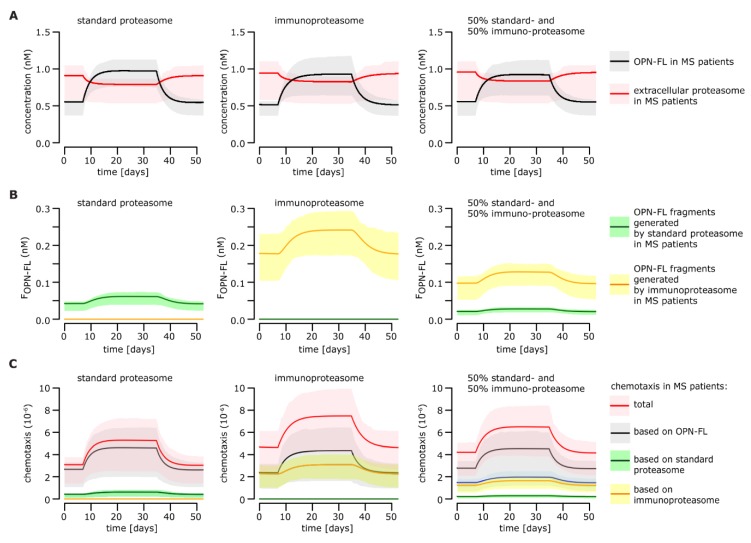
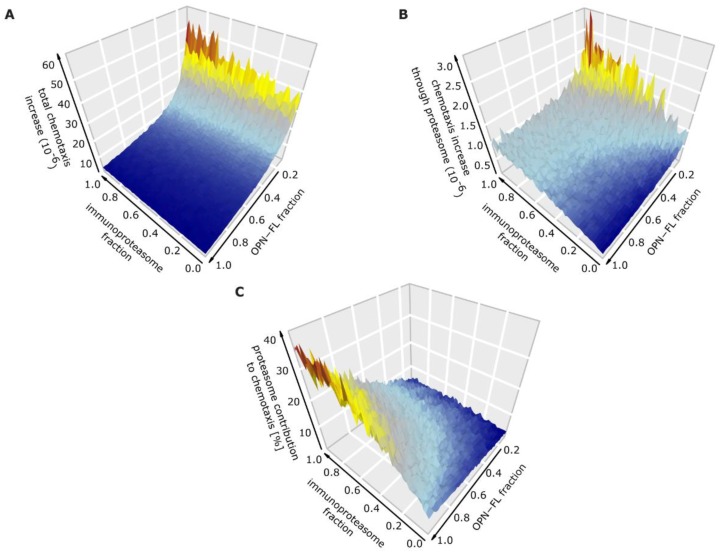
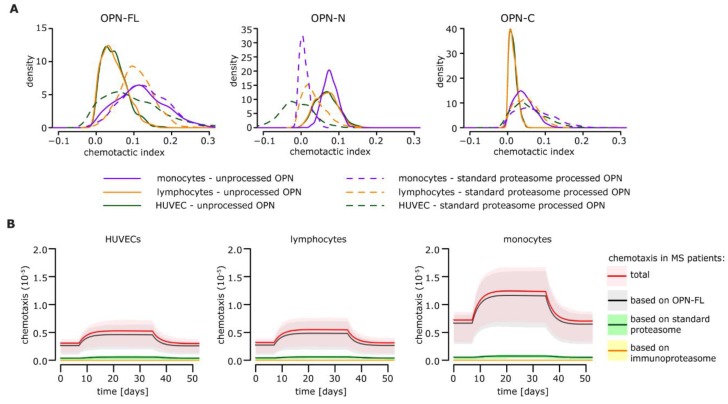
The function of proteasomes in extracellular space is still largely unknown. The extracellular proteasome-osteopontin circuit has recently been hypothesized to be part of the inflammatory machinery regulating relapse/remission phase alternation in multiple sclerosis. However, it is still unclear what dynamics there are between the different elements of the circuit, what the role of proteasome isoforms is, and whether these inflammatory circuit dynamics are associated with the clinical severity of multiple sclerosis. To shed light on these aspects of this novel inflammatory circuit, we integrated in vitro proteasome isoform data, cell chemotaxis cell culture data, and clinical data of multiple sclerosis cohorts in a coherent computational inference framework. Thereby, we modeled extracellular osteopontin-proteasome circuit dynamics during relapse/remission alternation in multiple sclerosis. Applying this computational framework to a longitudinal study on single multiple sclerosis patients suggests a complex interaction between extracellular proteasome isoforms and osteopontin with potential clinical implications.
蛋白酶体在细胞外空间的功能在很大程度上仍然未知。最近有人假设,细胞外蛋白酶体-骨桥蛋白回路是调节多发性硬化症复发/缓解期交替的炎症机制的一部分。然而,目前尚不清楚该回路的不同元件之间存在什么样的动态关系,蛋白酶体同工型的作用是什么,以及这些炎症回路动态是否与多发性硬化症的临床严重程度有关。为了阐明这个新的炎症回路的这些方面,我们将体外蛋白酶体同工型数据、细胞趋化性细胞培养数据和多发性硬化症队列的临床数据整合到一个连贯的计算推理框架中。由此,我们在多发性硬化症的复发/缓解交替过程中对细胞外骨桥蛋白-蛋白酶体回路动力学进行了建模。将这个计算框架应用于对单个多发性硬化症患者的纵向研究表明,细胞外蛋白酶体同工型和骨桥蛋白之间存在复杂的相互作用,具有潜在的临床意义。