a GigaGen Inc ., South San Francisco , CA , USA.
MAbs. 2019 Jul;11(5):870-883. doi: 10.1080/19420862.2019.1583995. Epub 2019 Mar 21.
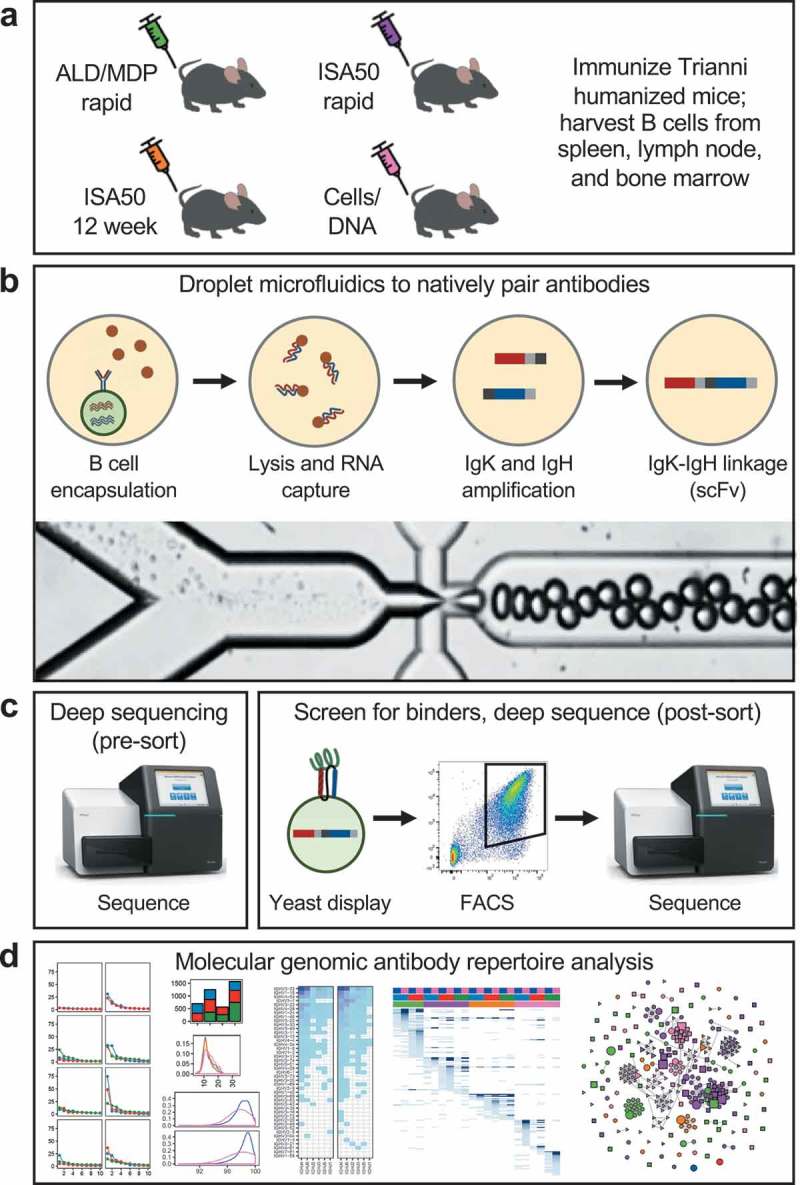
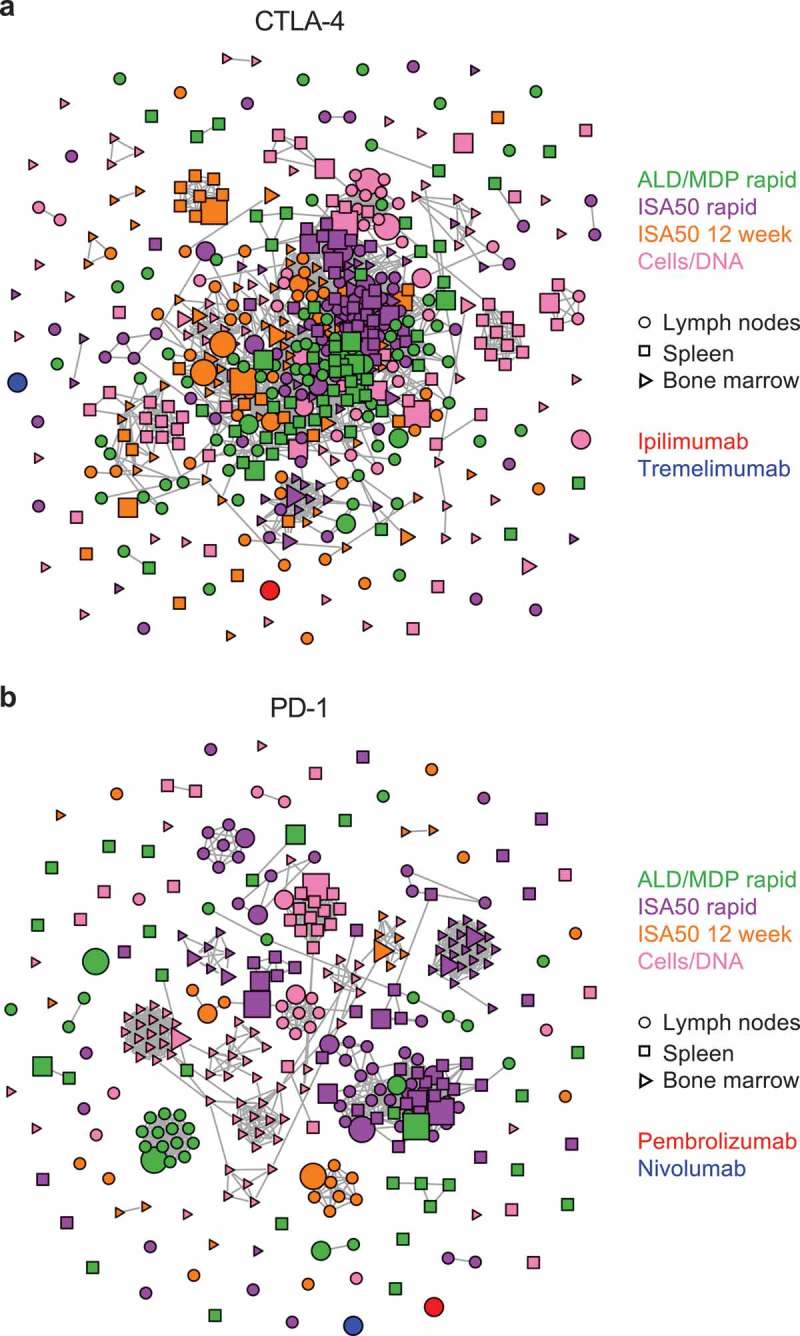
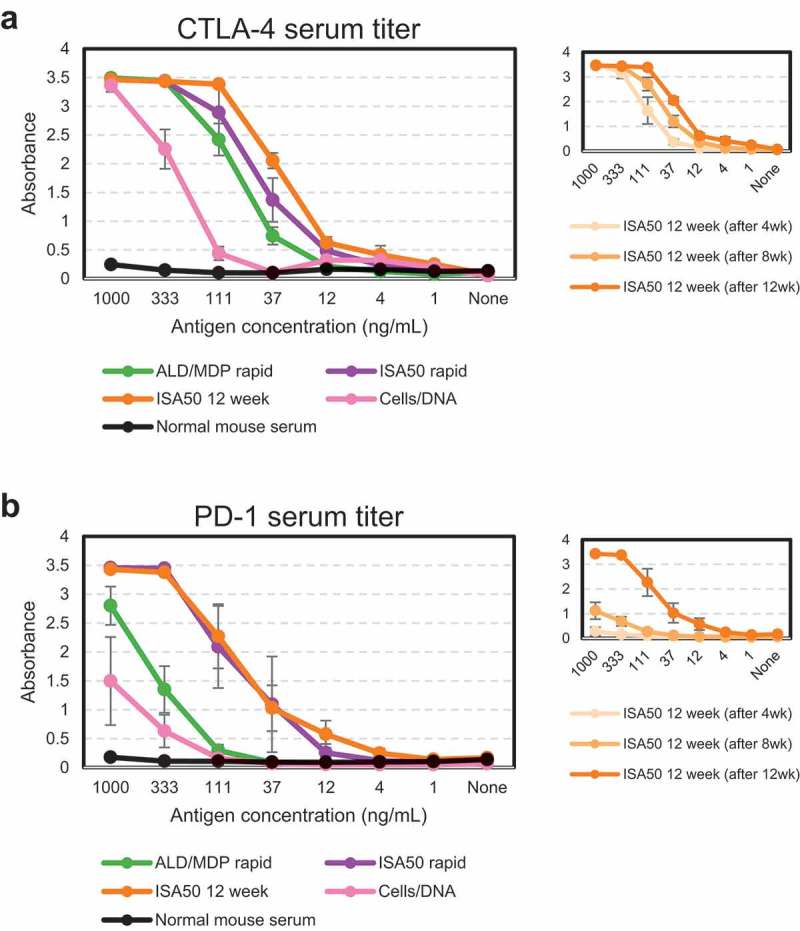
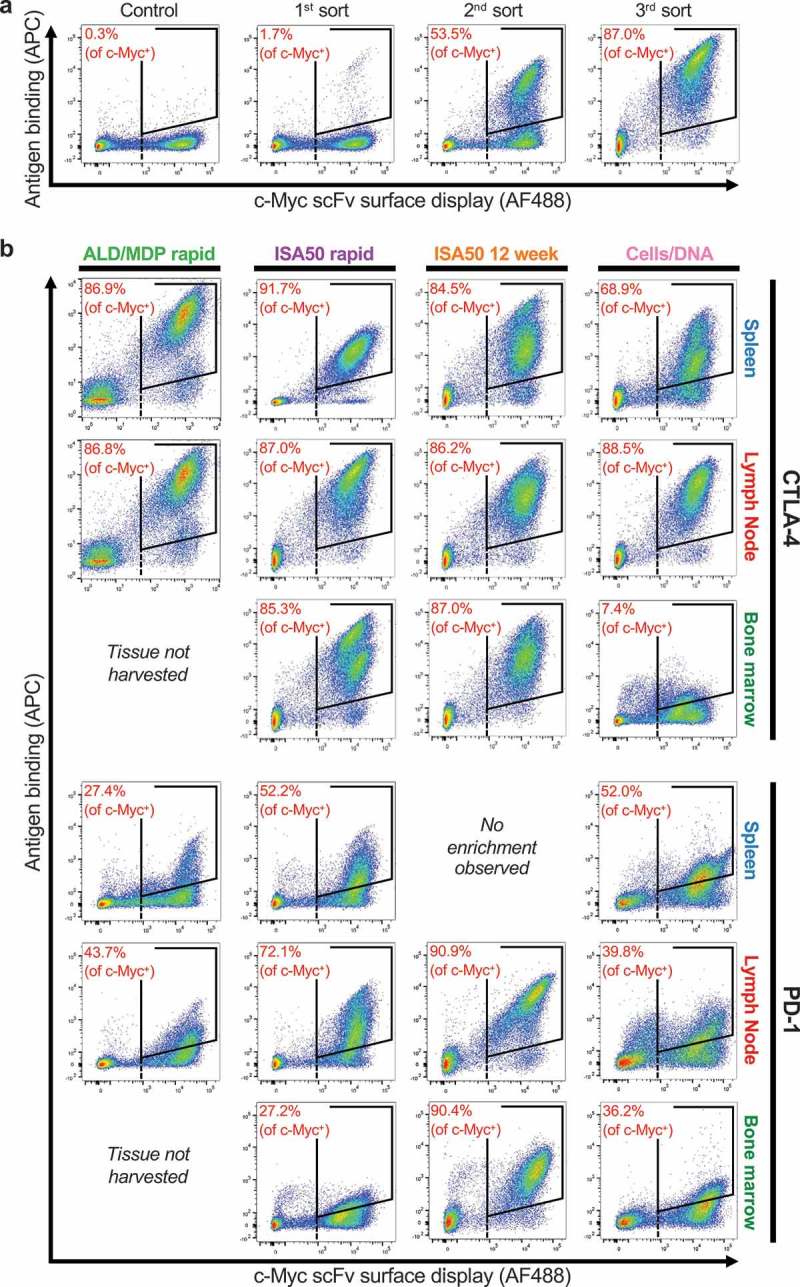
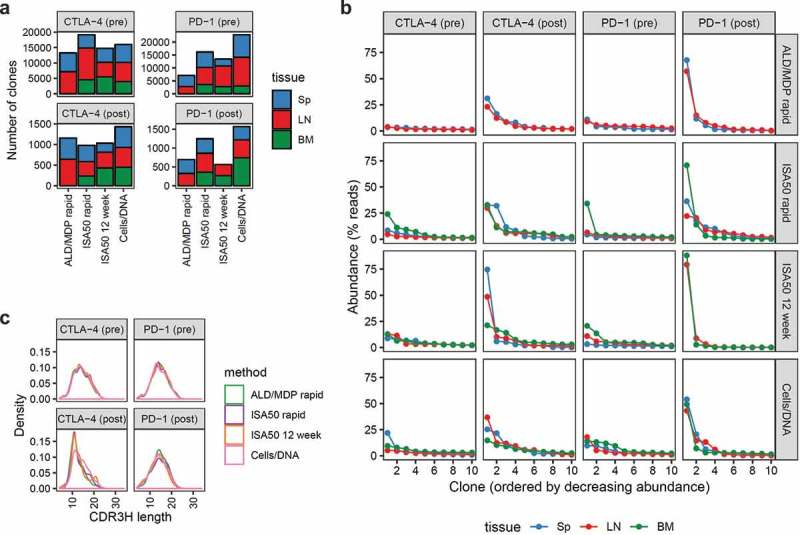
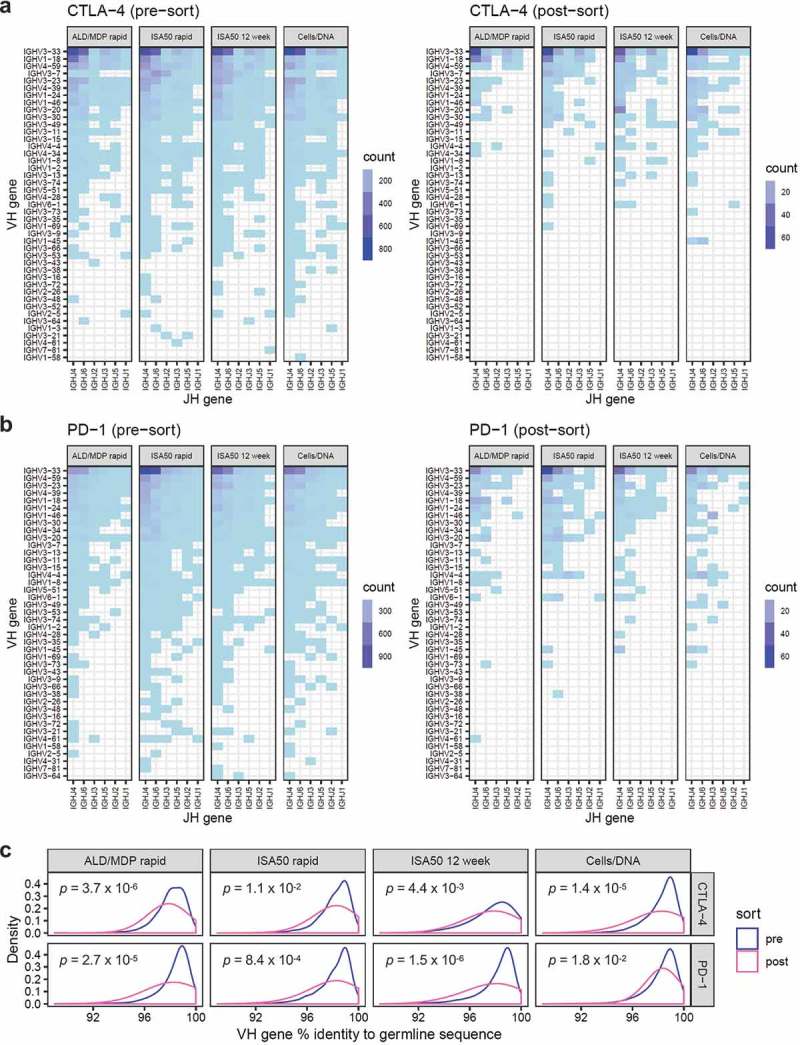
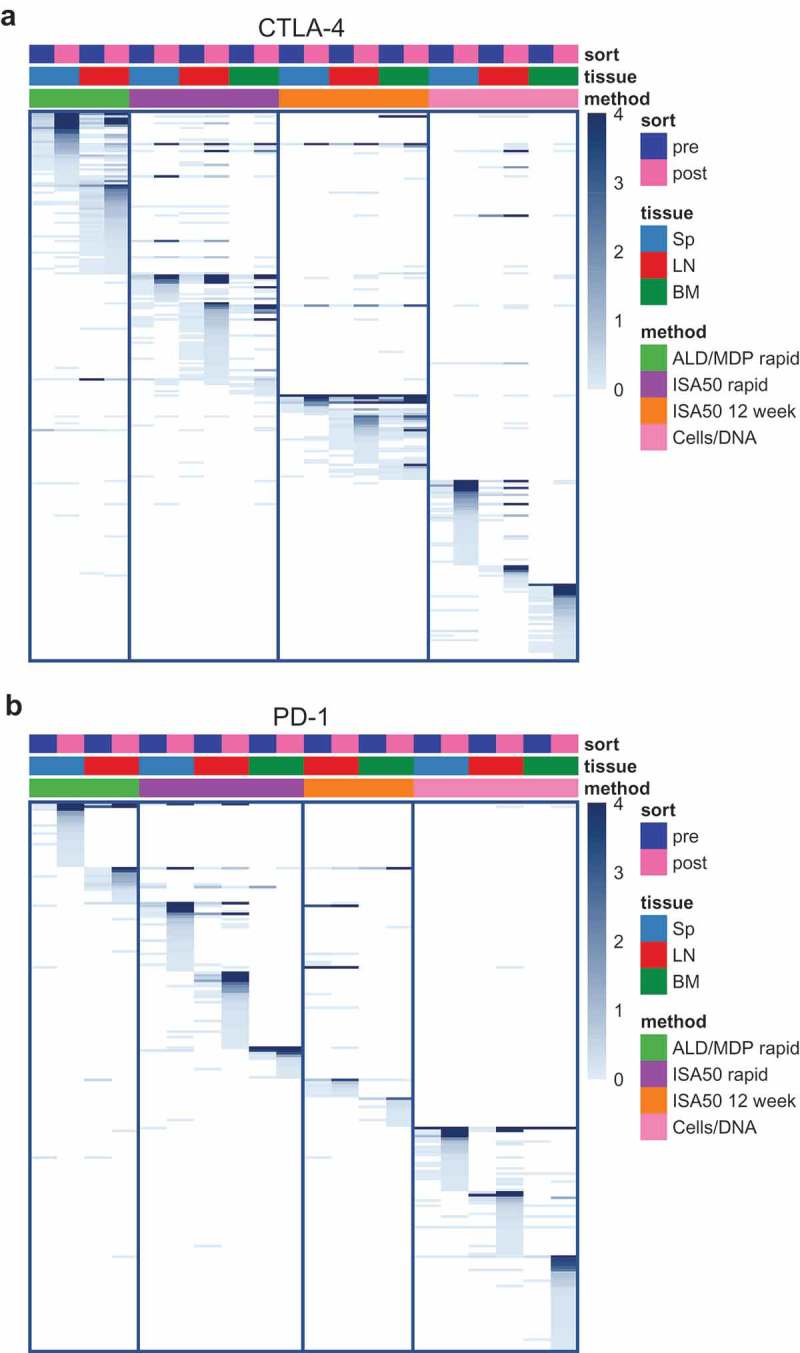
Immunization of mice followed by hybridoma or B-cell screening is one of the most common antibody discovery methods used to generate therapeutic monoclonal antibody (mAb) candidates. There are a multitude of different immunization protocols that can generate an immune response in animals. However, an extensive analysis of the antibody repertoires that these alternative immunization protocols can generate has not been performed. In this study, we immunized mice that transgenically express human antibodies with either programmed cell death 1 protein or cytotoxic T-lymphocyte associated protein 4 using four different immunization protocols, and then utilized a single cell microfluidic platform to generate tissue-specific, natively paired immunoglobulin (Ig) repertoires from each method and enriched for target-specific binders using yeast single-chain variable fragment (scFv) display. We deep sequenced the scFv repertoires from both the pre-sort and post-sort libraries. All methods and both targets yielded similar oligoclonality, variable (V) and joining (J) gene usage, and divergence from germline of enriched libraries. However, there were differences between targets and/or immunization protocols for overall clonal counts, complementarity-determining region 3 (CDR3) length, and antibody/CDR3 sequence diversity. Our data suggest that, although different immunization protocols may generate a response to an antigen, performing multiple immunization protocols in parallel can yield greater Ig diversity. We conclude that modern microfluidic methods, followed by an extensive molecular genomic analysis of antibody repertoires, can be used to quickly analyze new immunization protocols or mouse platforms.
对转基因表达人抗体的小鼠进行免疫,然后通过杂交瘤或 B 细胞筛选,是生成治疗性单克隆抗体(mAb)候选物的最常用抗体发现方法之一。有许多不同的免疫方案可以在动物中引发免疫反应。然而,尚未对这些替代免疫方案可以产生的抗体库进行广泛分析。在这项研究中,我们使用四种不同的免疫方案对转染人抗体的小鼠进行程序性细胞死亡蛋白 1 或细胞毒性 T 淋巴细胞相关蛋白 4 免疫,然后利用单细胞微流控平台从每种方法中生成组织特异性、天然配对的免疫球蛋白(Ig)库,并利用酵母单链可变片段(scFv)展示来富集针对目标的结合物。我们对预分选和分选后文库的 scFv 库进行了深度测序。所有方法和两种靶标都产生了相似的寡克隆性、可变(V)和连接(J)基因使用以及富集文库与胚系的差异。然而,在总克隆计数、互补决定区 3(CDR3)长度和抗体/CDR3 序列多样性方面,靶标和/或免疫方案之间存在差异。我们的数据表明,尽管不同的免疫方案可能对抗原产生反应,但平行进行多次免疫方案可以产生更大的 Ig 多样性。我们得出结论,现代微流控方法,加上对抗体库的广泛分子基因组分析,可以用于快速分析新的免疫方案或小鼠平台。