Willms Inka Marie, Kamran Aysha, Aßmann Nils Frederik, Krone Denis, Bolz Simon Henning, Fiedler Fabian, Nacke Heiko
Department of Genomic and Applied Microbiology and Göttingen Genomics Laboratory, Institute of Microbiology and Genetics, Georg-August University, Göttingen, Germany.
Department of General Microbiology, Institute of Microbiology and Genetics, Georg-August University, Göttingen, Germany.
Front Microbiol. 2019 Mar 7;10:460. doi: 10.3389/fmicb.2019.00460. eCollection 2019.
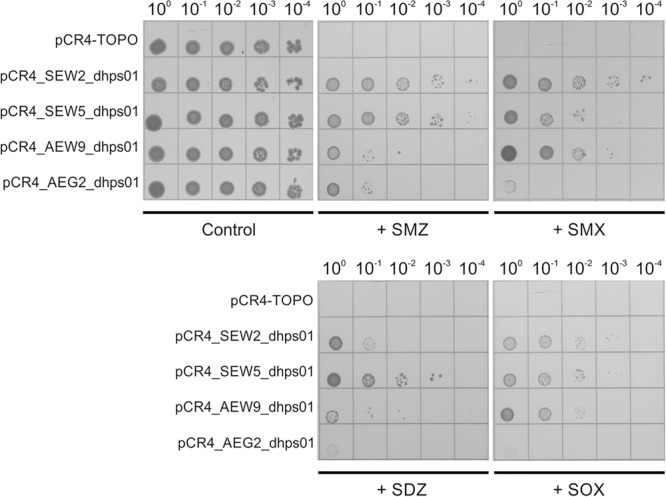
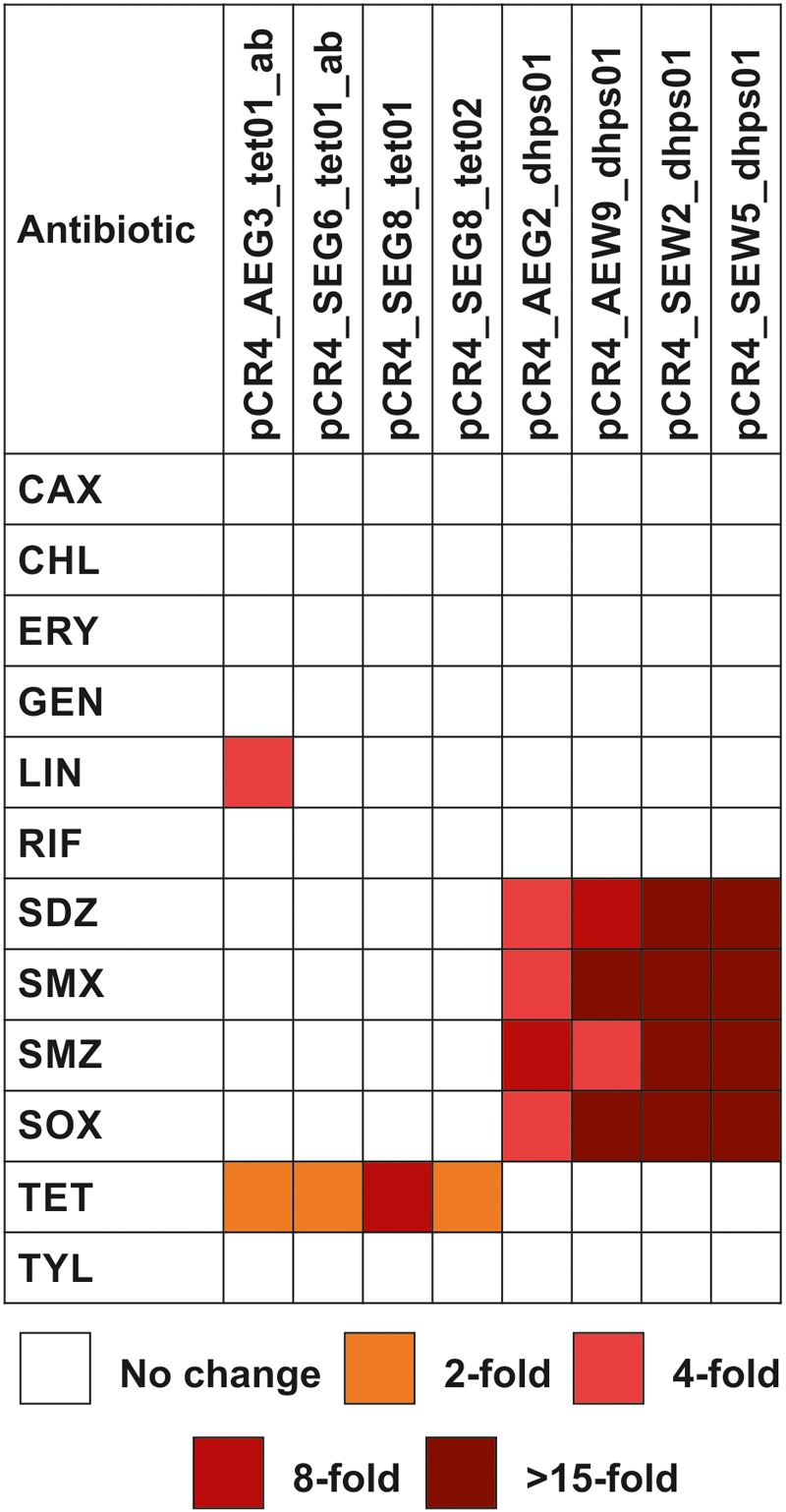
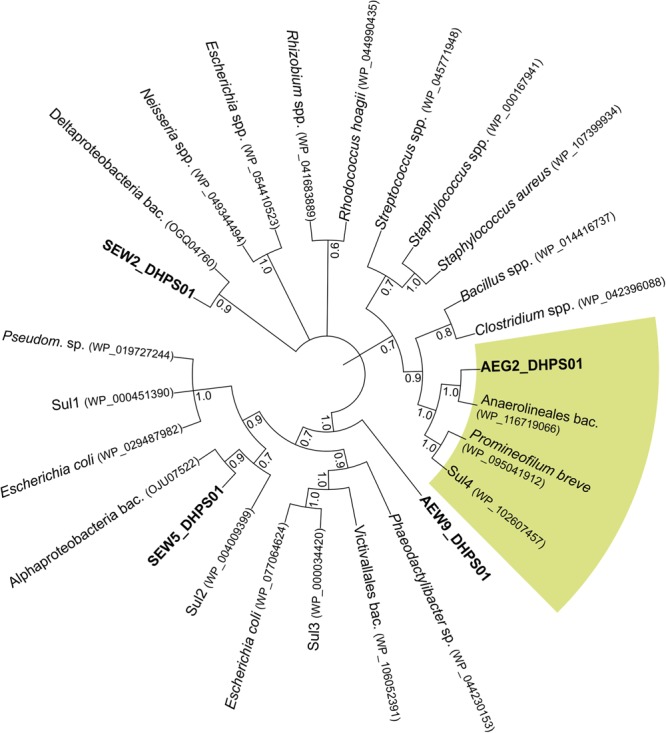
Soil represents a significant reservoir of antibiotic resistance genes (ARGs), which can potentially spread across distinct ecosystems and be acquired by pathogens threatening human as well as animal health. Currently, information on the identity and diversity of these genes, enabling anticipation of possible future resistance development in clinical environments and the livestock sector, is lacking. In this study, we applied functional metagenomics to discover novel sulfonamide as well as tetracycline resistance genes in soils derived from forest and grassland. Screening of soil metagenomic libraries revealed a total of eight so far unknown ARGs. The recovered genes originate from phylogenetically diverse soil bacteria (e.g., Actinobacteria, Chloroflexi, or Proteobacteria) and encode proteins with a minimum identity of 46% to other antibiotic resistance determinants. In particular forest soil ecosystems have so far been neglected in studies focusing on antibiotic resistance. Here, we detected for the first time non-mobile dihydropteroate synthase (DHPS) genes conferring resistance to sulfonamides in forest soil with no history of exposure to these synthetic drugs. In total, three sulfonamide resistant DHPSs, differing in taxonomic origin, were discovered in beech or pine forest soil. This indicates that sulfonamide resistance naturally occurs in forest-resident soil bacterial communities. Besides forest soil-derived sulfonamide resistance proteins, we also identified a DHPS affiliated to Chloroflexi in grassland soil. This enzyme and the other recovered DHPSs confer reduced susceptibility toward sulfamethazine, which is widely used in food animal production. With respect to tetracycline resistance, four efflux proteins affiliated to the major facilitator superfamily (MFS) were identified. Noteworthy, one of these proteins also conferred reduced susceptibility toward lincomycin.
土壤是抗生素抗性基因(ARGs)的重要储存库,这些基因有可能在不同生态系统中传播,并被威胁人类和动物健康的病原体获取。目前,缺乏关于这些基因的身份和多样性的信息,而这些信息有助于预测临床环境和畜牧部门未来可能出现的耐药性发展。在本研究中,我们应用功能宏基因组学在森林和草原土壤中发现新的磺胺类和四环素抗性基因。对土壤宏基因组文库的筛选共发现了8个迄今未知的ARGs。回收的基因源自系统发育多样的土壤细菌(如放线菌、绿弯菌或变形菌),其编码的蛋白质与其他抗生素抗性决定因子的最小同源性为46%。特别是,在关注抗生素抗性的研究中,森林土壤生态系统迄今一直被忽视。在这里,我们首次在没有接触过这些合成药物历史的森林土壤中检测到赋予磺胺类抗性的非移动二氢蝶酸合酶(DHPS)基因。在山毛榉或松林土壤中总共发现了3种分类起源不同的磺胺抗性DHPS。这表明磺胺抗性天然存在于森林土壤细菌群落中。除了源自森林土壤的磺胺抗性蛋白外,我们还在草原土壤中鉴定出一种属于绿弯菌的DHPS。这种酶和其他回收的DHPS对广泛用于食用动物生产的磺胺二甲嘧啶的敏感性降低。关于四环素抗性,鉴定出了4种属于主要转运体超家族(MFS)的外排蛋白。值得注意的是,其中一种蛋白对林可霉素的敏感性也降低。