Mitochon Pharmaceuticals, Inc., 970 Cross Lane, Blue Bell, PA 19422, USA.
Cells. 2019 Mar 23;8(3):280. doi: 10.3390/cells8030280.
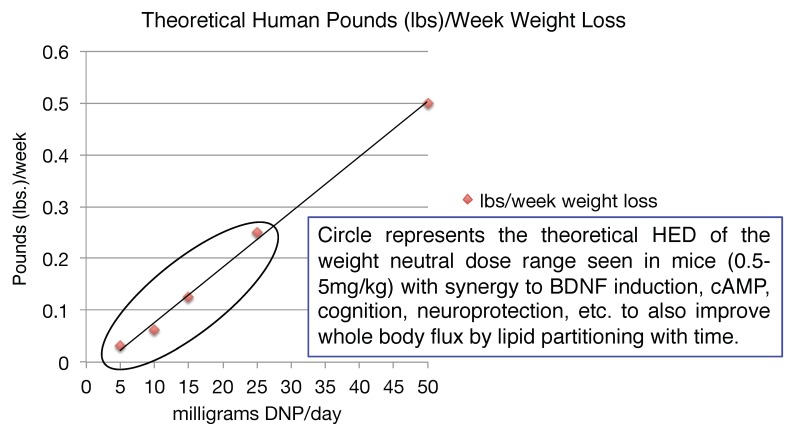
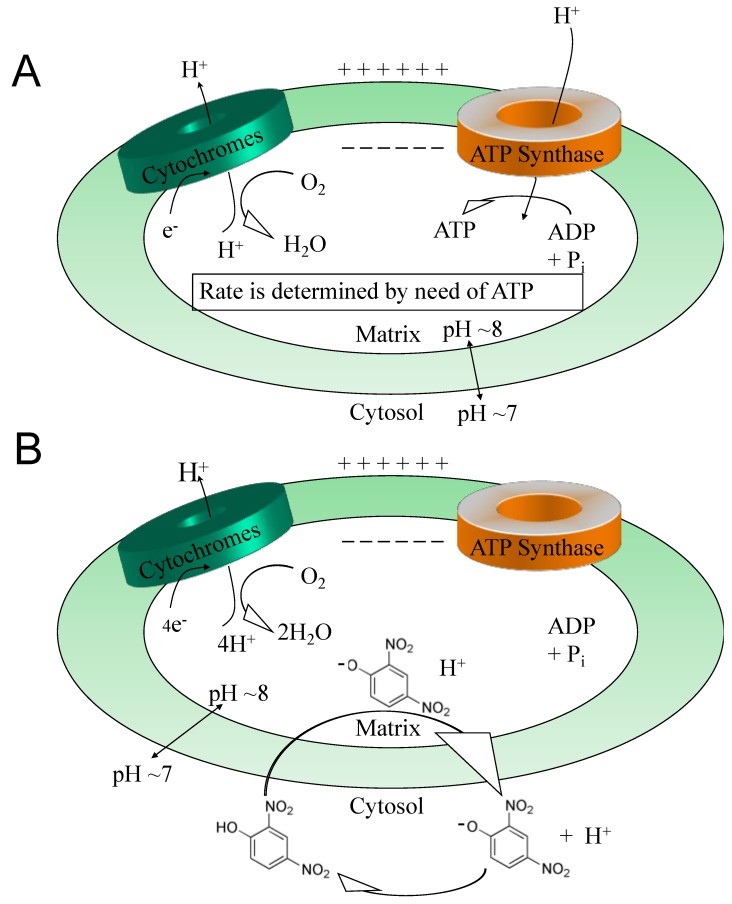
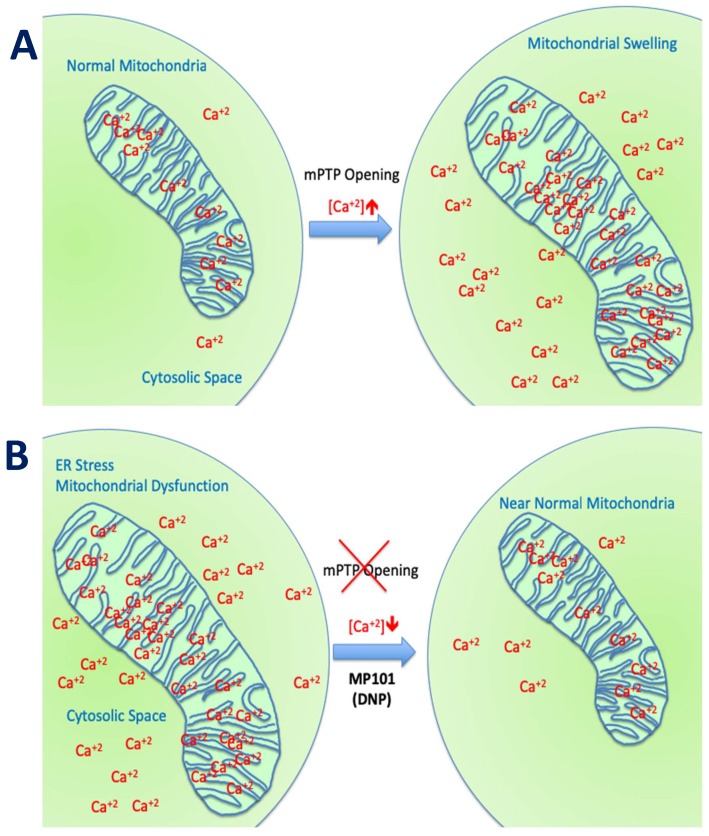
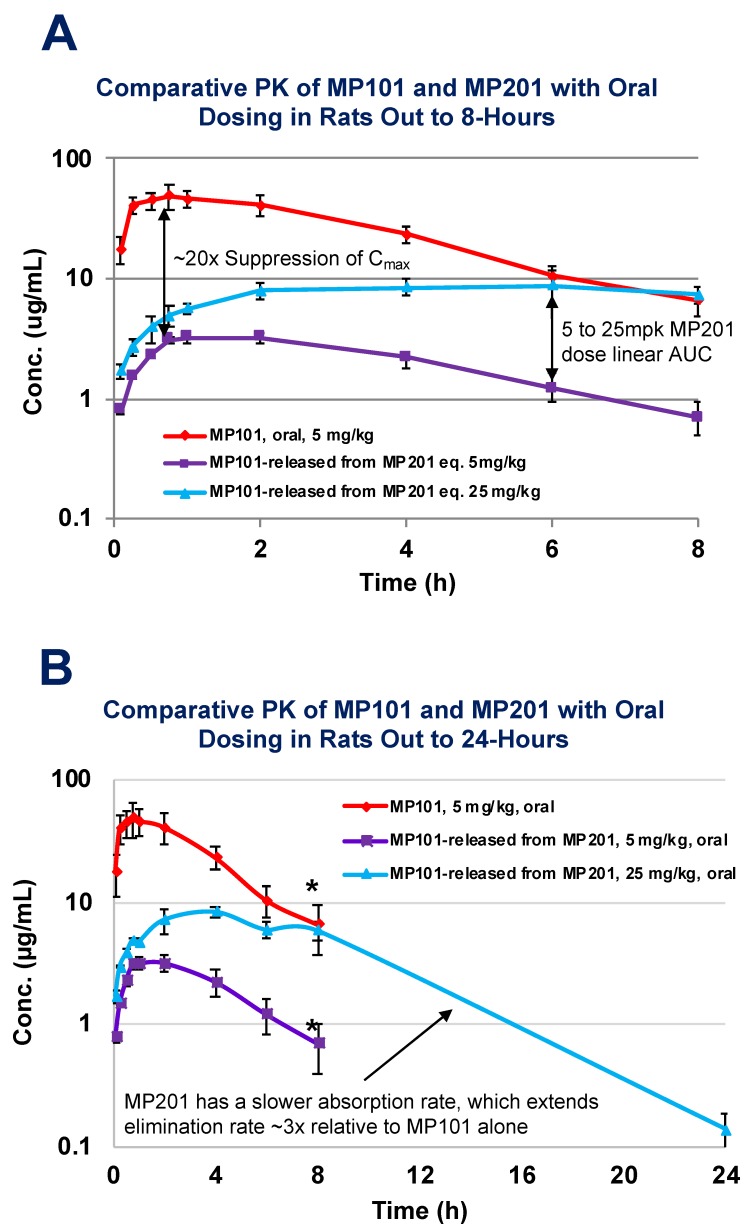
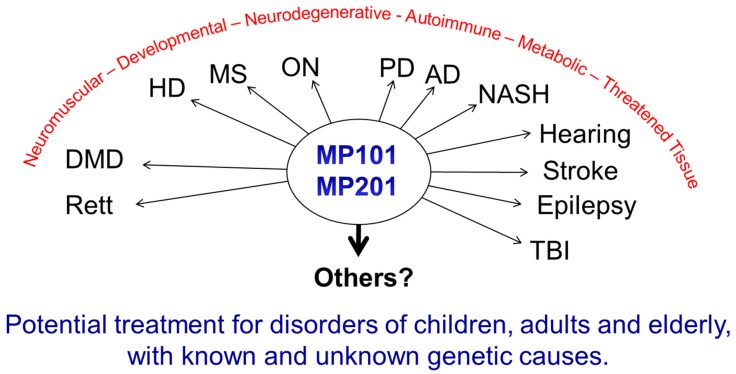
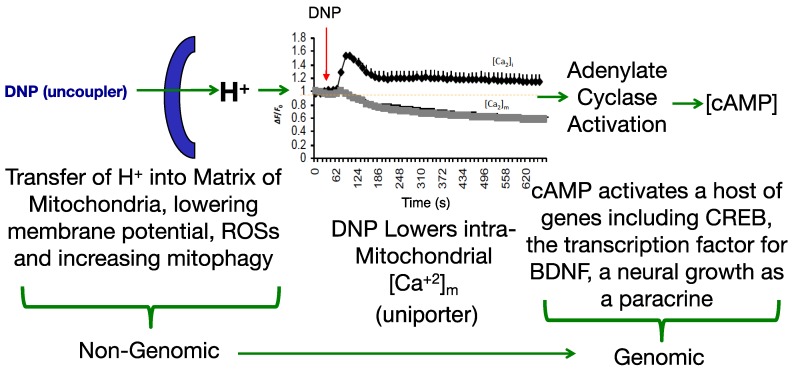
In the sanctity of pure drug discovery, objective reasoning can become clouded when pursuing ideas that appear unorthodox, but are spot on physiologically. To put this into historical perspective, it was an unorthodox idea in the 1950's to suggest that warfarin, a rat poison, could be repositioned into a breakthrough drug in humans to protect against strokes as a blood thinner. Yet it was approved in 1954 as Coumadin and has been prescribed to billions of patients as a standard of care. Similarly, no one can forget the horrific effects of thalidomide, prescribed or available without a prescription, as both a sleeping pill and "morning sickness" anti-nausea medication targeting pregnant women in the 1950's. The "thalidomide babies" became the case-in-point for the need of strict guidelines by the U.S. Food & Drug Administration (FDA) or full multi-species teratogenicity testing before drug approval. More recently it was found that thalidomide is useful in graft versus host disease, leprosy and resistant tuberculosis treatment, and as an anti-angiogenesis agent as a breakthrough drug for multiple myeloma (except for pregnant female patients). Decades of diabetes drug discovery research has historically focused on every possible angle, except, the energy-out side of the equation, namely, raising mitochondrial energy expenditure with chemical uncouplers. The idea of "social responsibility" allowed energy-in agents to be explored and the portfolio is robust with medicines of insulin sensitizers, insulin analogues, secretagogues, SGLT2 inhibitors, etc., but not energy-out medicines. The primary reason? It appeared unorthodox, to return to exploring a drug platform used in the 1930s in over 100,000 obese patients used for weight loss. This is over 80-years ago and prior to Dr Peter Mitchell explaining the mechanism of how mitochondrial uncouplers, like 2,4-dinitrophenol (DNP) even worked by three decades later in 1961. Although there is a clear application for metabolic disease, it was not until recently that this platform was explored for its merit at very low, weight-neutral doses, for treating insidious human illnesses and completely unrelated to weight reduction. It is known that mitochondrial uncouplers specifically target the entire organelle's physiology non-genomically. It has been known for years that many neuromuscular and neurodegenerative diseases are associated with overt production of reactive oxygen species (ROSs), a rise in isoprostanes (biomarker of mitochondrial ROSs in urine or blood) and poor calcium (Ca) handing. It has also been known that mitochondrial uncouplers lower ROS production and Ca overload. There is evidence that elevation of isoprostanes disease onset, in Alzheimer's Disease (AD). It is also curious, why so many neurodegenerative diseases of known and unknown etiology start at mid-life or later, such as Multiple Sclerosis (MS), Huntington Disease (HD), AD, Parkinson Disease, and Amyotrophic Lateral Sclerosis (ALS). Is there a relationship to a buildup of mutations that are sequestered over time due to ROSs exceeding the rate of repair? If ROS production were managed, could disease onset due to aging be delayed or prevented? Is it possible that most, if not all neurodegenerative diseases are manifested through mitochondrial dysfunction? Although DNP, a historic mitochondrial uncoupler, was used in the 1930s at high doses for obesity in well over 100,000 humans, and so far, it has never been an FDA-approved drug. This review will focus on the application of using DNP, but now, repositioned as a potential disease-modifying drug for a legion of insidious diseases at much lower and paradoxically, weight doses. DNP will be addressed as a treatment for "metabesity", an emerging term related to the global comorbidities associated with the over-nutritional phenotype; obesity, diabetes, nonalcoholic steatohepatitis (NASH), metabolic syndrome, cardiovascular disease, but including neurodegenerative disorders and accelerated aging. Some unexpected drug findings will be discussed, such as DNP's induction of neurotrophic growth factors involved in neuronal heath, learning and cognition. For the first time in 80's years, the FDA has granted (to Mitochon Pharmaceutical, Inc., Blue Bell, PA, USA) an open Investigational New Drug (IND) approval to begin rigorous clinical testing of DNP for safety and tolerability, including for the first ever, pharmacokinetic profiling in humans. Successful completion of Phase I clinical trial will open the door to explore the merits of DNP as a possible treatment of people with many truly unmet medical needs, including those suffering from HD, MS, PD, AD, ALS, Duchenne Muscular Dystrophy (DMD), and Traumatic Brain Injury (TBI).
在纯粹的药物发现的神圣领域中,当追求看似非正统但在生理学上却非常准确的想法时,客观的推理可能会变得模糊。从历史角度来看,在 20 世纪 50 年代,提出一种老鼠药华法林可以重新定位为人类的突破性药物,以防止中风作为血液稀释剂,这是一个非正统的想法。然而,它于 1954 年被批准为 Coumadin,并已为数以十亿计的患者开出处方作为标准治疗。同样,没有人会忘记沙利度胺的可怕影响,它在 20 世纪 50 年代被开处方或无处方提供,既是一种安眠药,也是一种针对孕妇的“晨吐”止吐药。“沙利度胺婴儿”成为美国食品和药物管理局(FDA)需要严格指导方针或在药物批准前进行全面多物种致畸性测试的案例。最近发现,沙利度胺在移植物抗宿主病、麻风病和耐多药结核病治疗以及多发性骨髓瘤的抗血管生成药物方面有用(除了孕妇患者)。几十年来,糖尿病药物发现研究一直从各个可能的角度进行,除了能量输出方面,即通过化学解偶联剂提高线粒体能量消耗。“社会责任”的想法允许探索能量输入剂,并且该产品组合非常强大,包括胰岛素增敏剂、胰岛素类似物、分泌剂、SGLT2 抑制剂等,但没有能量输出药物。主要原因是什么?回到探索一种在 20 世纪 30 年代用于 10 多万肥胖患者减肥的药物平台,这似乎是非正统的。这是 80 多年前的事了,直到 30 年后的 1961 年,彼得·米切尔博士才解释了线粒体解偶联剂(如 2,4-二硝基苯酚(DNP))的作用机制。尽管代谢疾病有明确的应用,但直到最近,人们才在非常低的、体重中性剂量下探索这种平台,用于治疗阴险的人类疾病,与减肥完全无关。众所周知,线粒体解偶联剂专门针对整个细胞器的生理学,而不是基因组。多年来,人们一直知道许多神经肌肉和神经退行性疾病与明显的活性氧(ROS)产生有关,尿或血液中的异前列烷(线粒体 ROS 的生物标志物)升高,钙(Ca)处理能力下降。也已经知道线粒体解偶联剂可以降低 ROS 的产生和 Ca 的过载。有证据表明,阿尔茨海默病(AD)中异前列烷的升高与疾病的发病有关。还有一个奇怪的现象,为什么许多已知和未知病因的神经退行性疾病会在中年或以后发病,如多发性硬化症(MS)、亨廷顿病(HD)、AD、帕金森病和肌萎缩侧索硬化症(ALS)。这与由于 ROS 超过修复速度而导致的突变积累是否有关?如果能够控制 ROS 的产生,是否可以延迟或预防因衰老而导致的疾病发作?是否有可能,即使不是全部,神经退行性疾病都是通过线粒体功能障碍表现出来的?尽管 DNP,一种历史悠久的线粒体解偶联剂,在 20 世纪 30 年代曾在超过 10 万名人类中以高剂量用于肥胖,但迄今为止,它从未获得 FDA 的批准。本综述将重点关注使用 DNP 的应用,但现在,它被重新定位为一种潜在的疾病修饰药物,用于治疗许多阴险疾病,剂量更低,甚至是体重中性剂量。DNP 将被用作“代谢性肥胖症”的治疗方法,这是一个与营养过盛表型相关的全球合并症的新兴术语;肥胖症、糖尿病、非酒精性脂肪性肝炎(NASH)、代谢综合征、心血管疾病,但包括神经退行性疾病和加速衰老。将讨论一些意想不到的药物发现,如 DNP 诱导参与神经元健康、学习和认知的神经营养生长因子。80 年来,FDA 首次批准(给米托康制药公司,美国宾夕法尼亚州蓝铃)一项开放的研究性新药(IND)批准,开始对 DNP 进行安全性和耐受性的严格临床试验,包括首次在人类中进行药代动力学分析。一期临床试验的成功完成将为探索 DNP 作为可能的治疗方法打开大门,为许多真正未满足医疗需求的患者提供治疗,包括患有 HD、MS、PD、AD、ALS、杜氏肌营养不良症(DMD)和创伤性脑损伤(TBI)的患者。