eVIDA Research Group, University of Deusto, 48007 Bilbao, Spain.
Department of Computer Engineering and Computer Science (CECS), University of Louisville, Louisville, KY 40292, USA.
Sensors (Basel). 2019 Mar 28;19(7):1523. doi: 10.3390/s19071523.
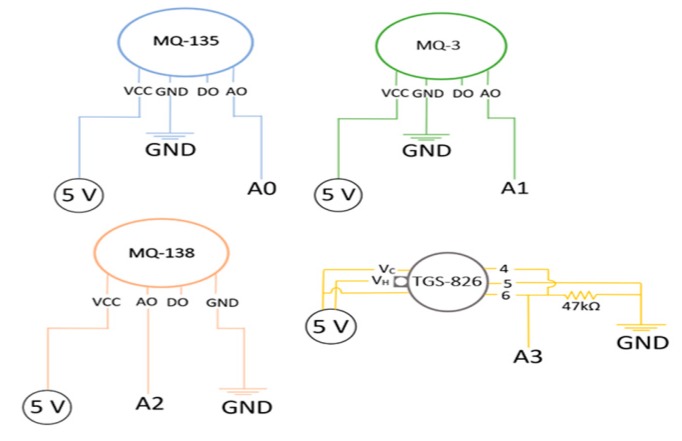
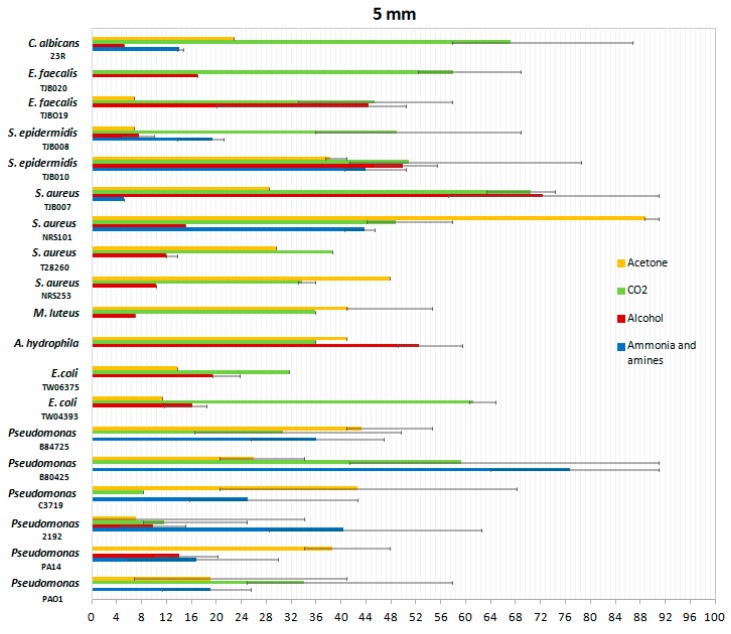
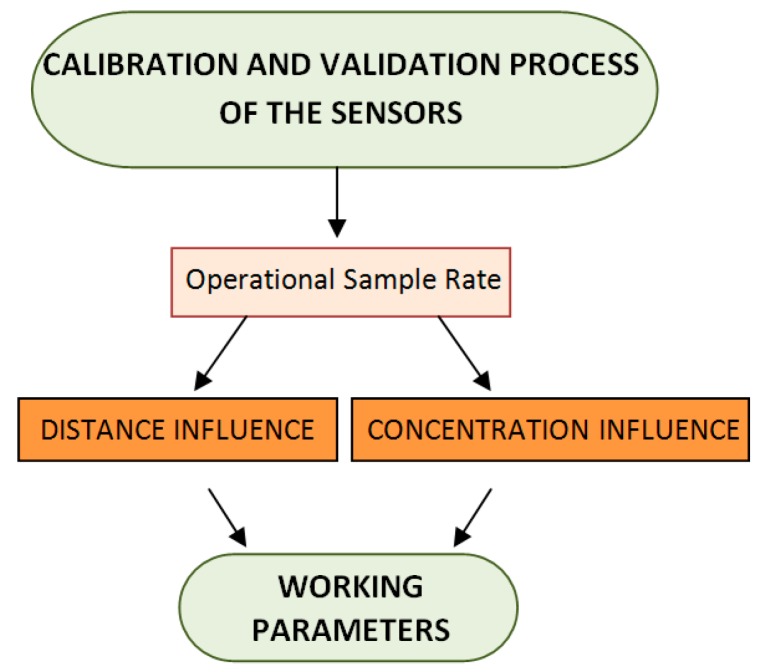
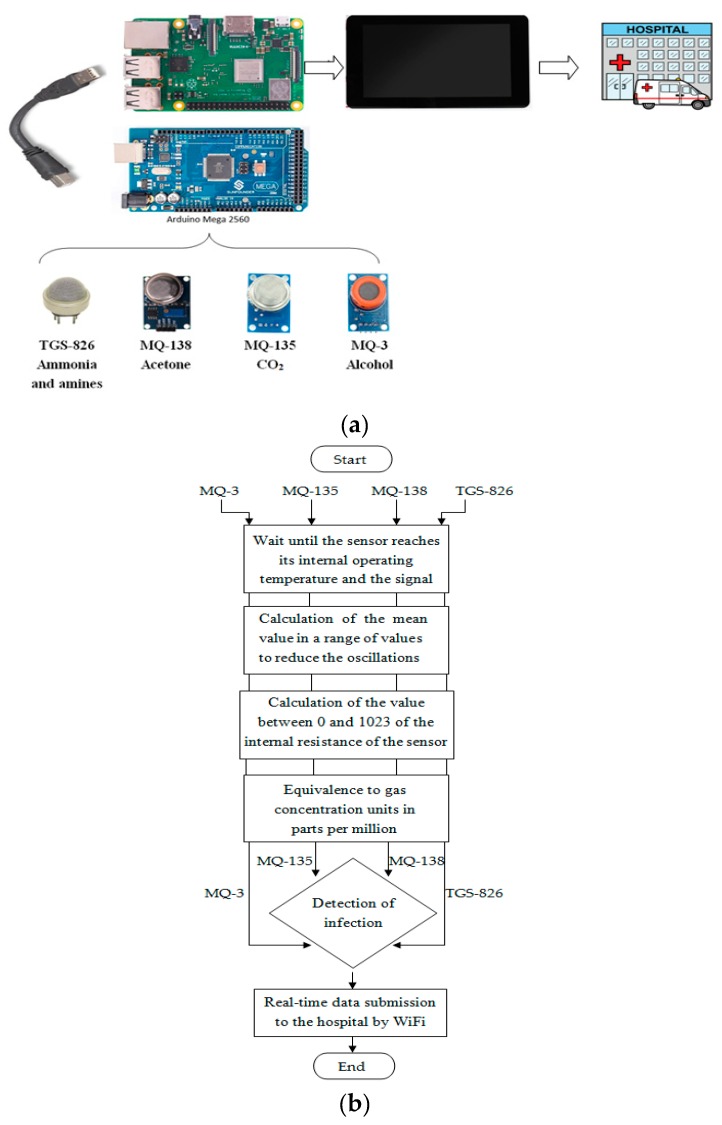
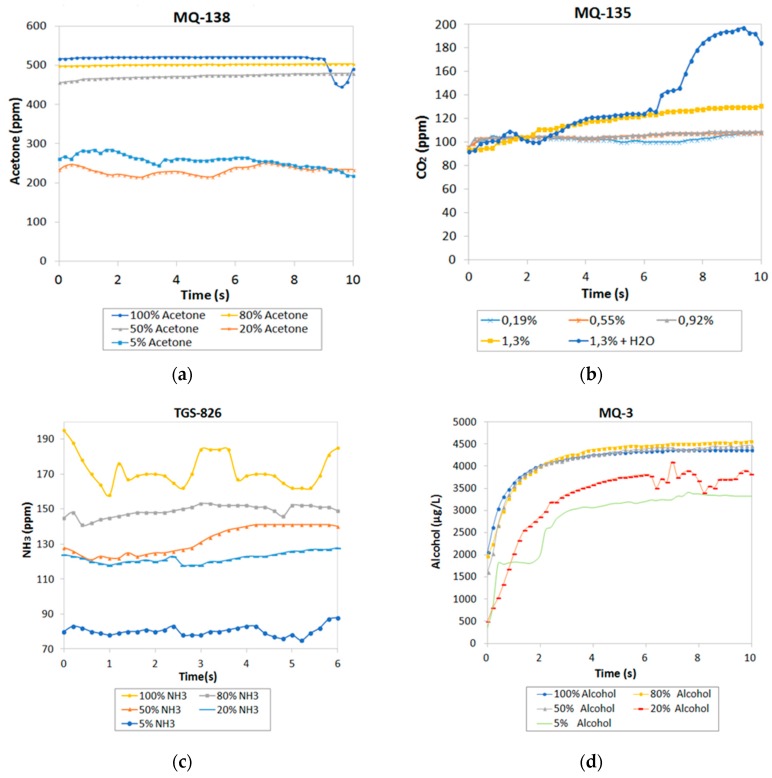
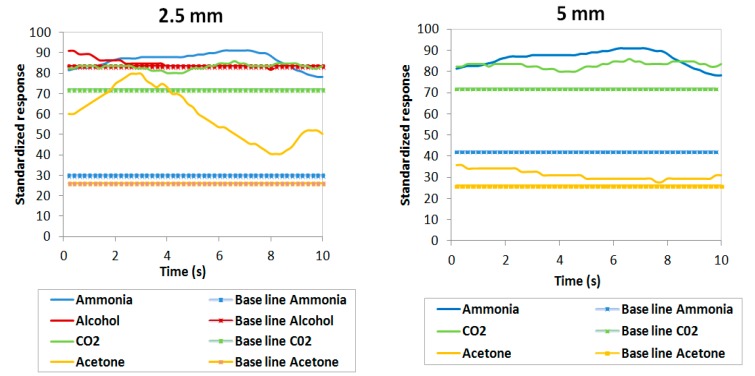
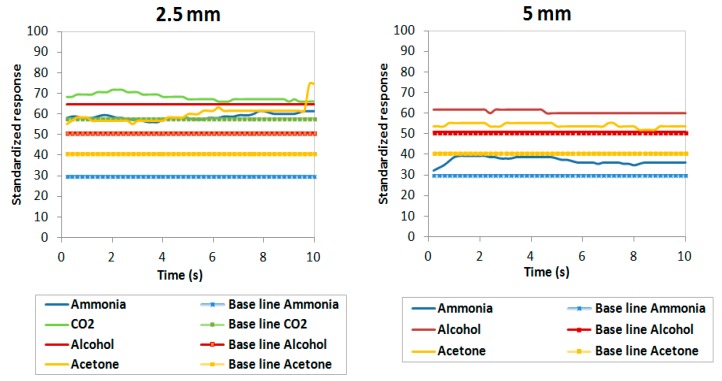
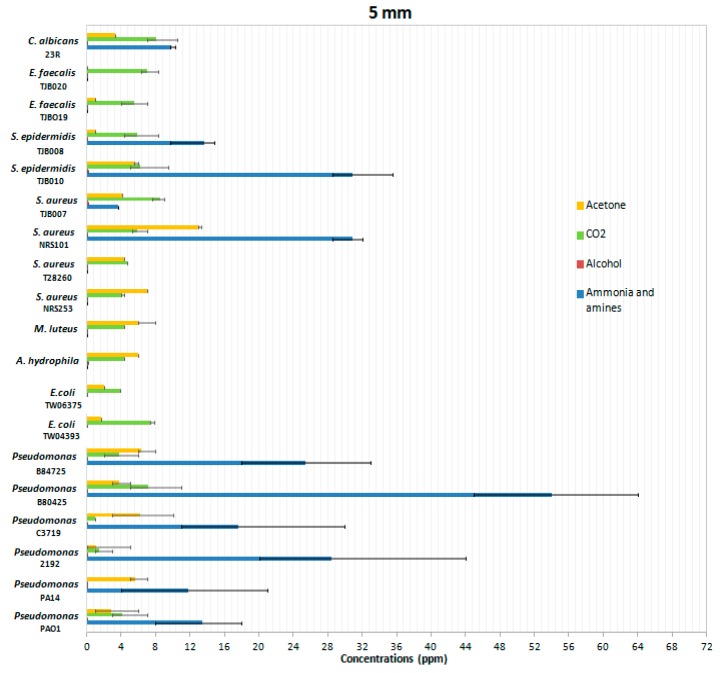
In this paper we analyze an experiment for the use of low-cost gas sensors intended to detect bacteria in wounds using a non-intrusive technique. Seven different genera/species of microbes tend to be present in most wound infections. Detection of these bacteria usually requires sample and laboratory testing which is costly, inconvenient and time-consuming. The validation processes for these sensors with nineteen types of microbes (1 , 2 , 6 , 1 , 1 , 2 and 6 ) are presented here, in which four sensors were evaluated: TGS-826 used for ammonia and amines, MQ-3 used for alcohol detection, MQ-135 for CO₂ and MQ-138 for acetone detection. Validation was undertaken by studying the behavior of the sensors at different distances and gas concentrations. Preliminary results with liquid cultures of 10⁸ CFU/mL and solid cultures of 10⁸ CFU/cm of the 6 strains revealed that the four gas sensors showed a response at a height of 5 mm. The ammonia detection response of the TGS-826 to showed the highest responses for the experimental samples over the background signals, with a difference between the values of up to 60 units in the solid samples and the most consistent and constant values. This could suggest that this sensor is a good detector of , and the recording made of its values could be indicative of the detection of this species. All the species revealed similar CO₂ emission and a high response rate with acetone for , and .
在本文中,我们分析了一项使用低成本气体传感器检测伤口中细菌的实验,该实验采用非侵入性技术。大多数伤口感染中通常存在七种不同的属/种微生物。这些细菌的检测通常需要进行样本和实验室测试,这既昂贵、不便又耗时。这里呈现了这些传感器与 19 种微生物(1、2、6、1、1、2 和 6)的验证过程,其中评估了四种传感器:用于检测氨和胺的 TGS-826、用于检测酒精的 MQ-3、用于检测 CO₂的 MQ-135 和用于检测丙酮的 MQ-138。通过研究传感器在不同距离和气体浓度下的行为来进行验证。对 10⁸ CFU/mL 的液体培养物和 10⁸ CFU/cm 的 6 株固体培养物进行初步研究后发现,四种气体传感器在 5 毫米高度处均有响应。TGS-826 对 显示出的氨检测响应在实验样本中相对于背景信号具有最高的响应,在固体样本中,数值之间的差异高达 60 个单位,并且具有最一致和恒定的值。这可能表明该传感器是检测 的良好探测器,并且对其值的记录可能表明检测到了该物种。所有物种都表现出类似的 CO₂排放和对丙酮的高响应率,适用于 、 和 。