Tsuzuki Takuya, He Rongliang, Dodd Aaron, Saunders Martin
Research School of Electric, Energy and Materials Engineering, College of Engineering and Computer Science, Australian National University, Canberra 0200, Australia.
Institute for Frontier Materials, Deakin University, Waurn Ponds 3216, Australia.
Nanomaterials (Basel). 2019 Mar 25;9(3):481. doi: 10.3390/nano9030481.
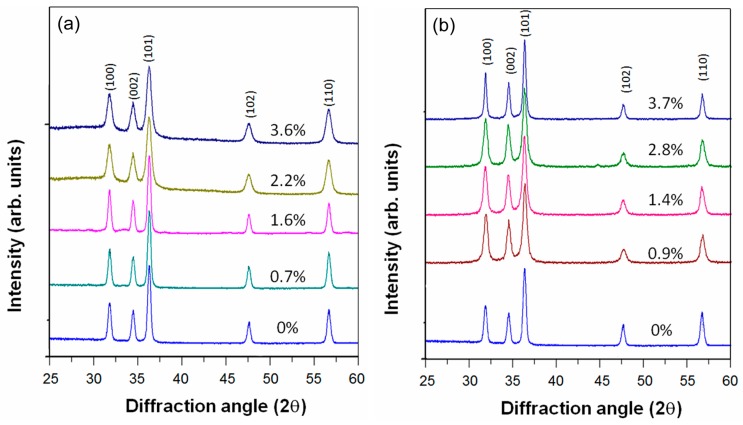
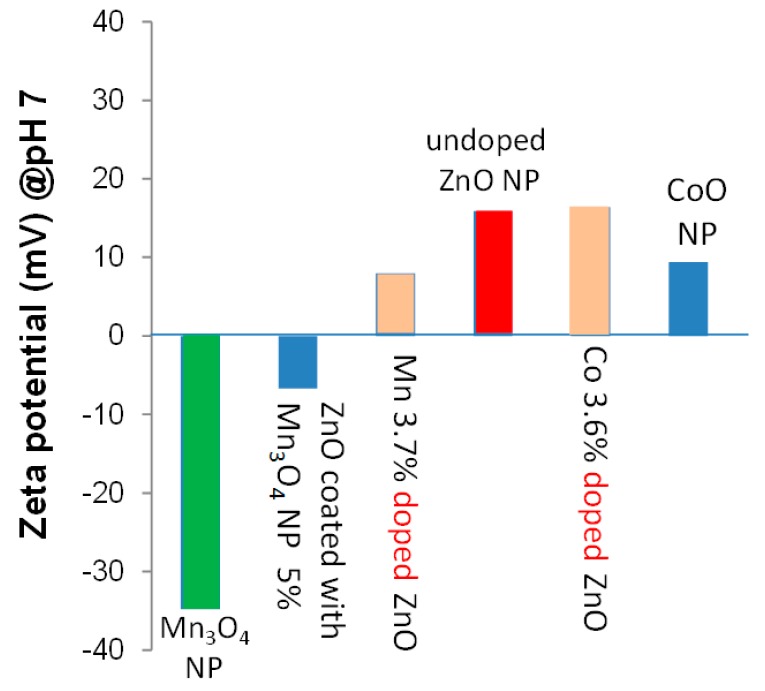
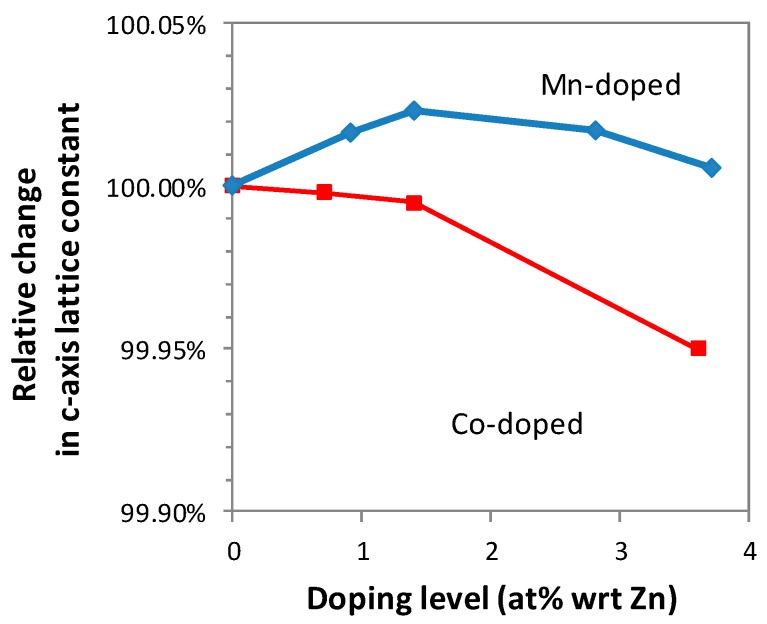
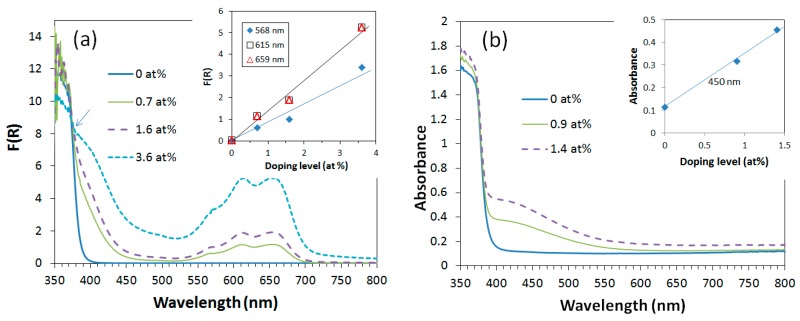
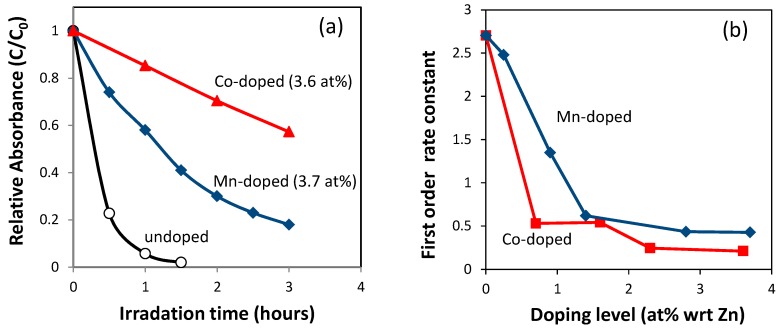
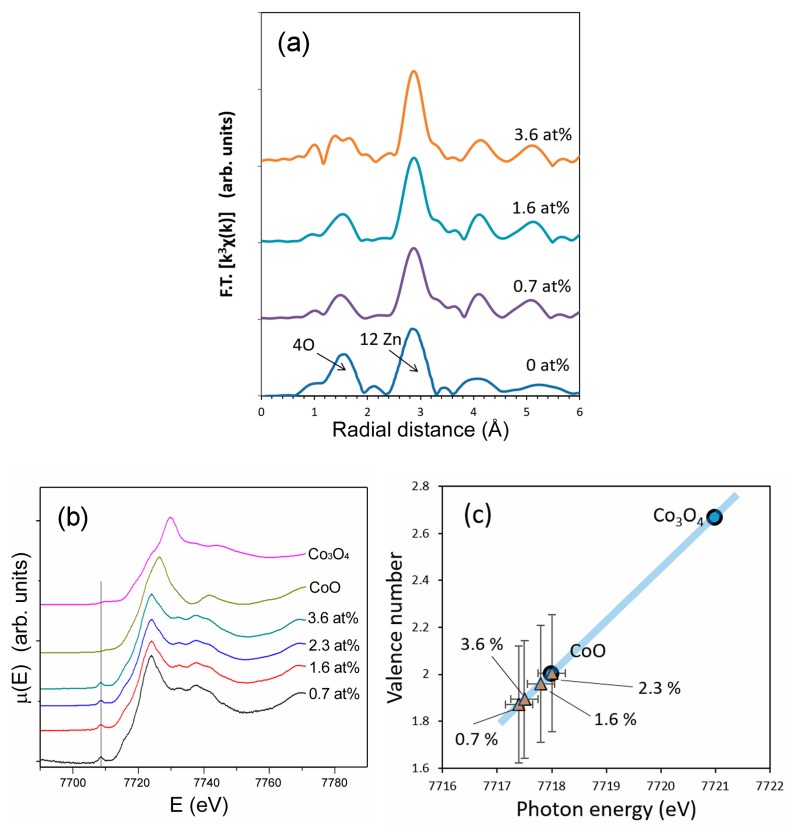
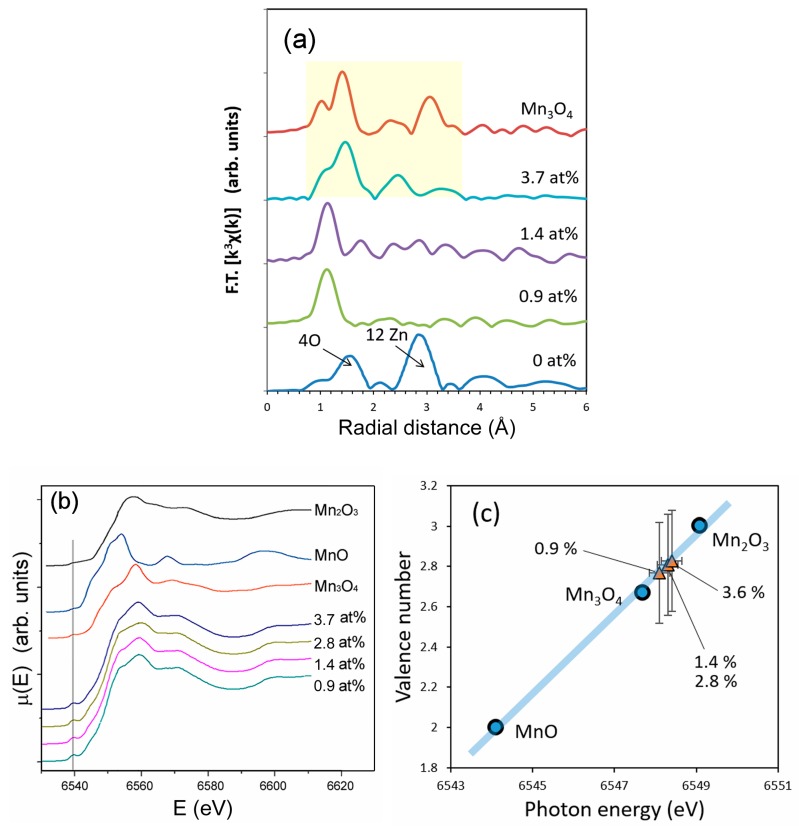
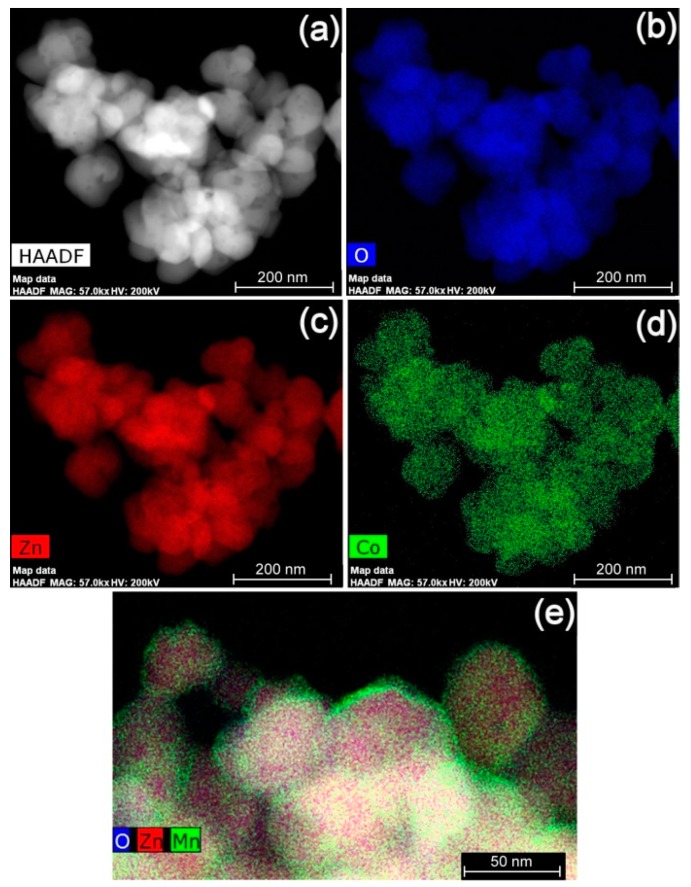
Impurity doping is one of the common approaches to enhance the photoactivity of semiconductor nanomaterials by increasing photon-capture efficiency in the visible light range. However, many studies on the doping effects have produced inconclusive and conflicting results. There are some misleading assumptions and errors that are frequently made in the data interpretation, which can lead to inconsistent results about the doping effects on photocatalysis. One of them is the determination of the location of dopants. Even using advanced analytical techniques, it is still challenging to distinguish between bulk modification and surface modification. The paper provides a case study of transition-metal-doped ZnO nanoparticles, whereby demonstrating common pitfalls in the interpretation of the results of widely-used analytical methods in detail, and discussing the importance of using a combination of many characterization techniques to correctly determine the location of added impurities, for elucidating the influence of metal doping on the photocatalytic activities of semiconductor nanoparticles.
杂质掺杂是通过提高可见光范围内的光子捕获效率来增强半导体纳米材料光活性的常见方法之一。然而,许多关于掺杂效应的研究结果并不确定且相互矛盾。在数据解释中经常存在一些误导性的假设和错误,这可能导致关于掺杂对光催化影响的结果不一致。其中之一是掺杂剂位置的确定。即使使用先进的分析技术,区分体相改性和表面改性仍然具有挑战性。本文提供了一个过渡金属掺杂的ZnO纳米颗粒的案例研究,详细展示了在解释广泛使用的分析方法结果时常见的陷阱,并讨论了使用多种表征技术相结合来正确确定添加杂质位置的重要性,以阐明金属掺杂对半导体纳米颗粒光催化活性的影响。