Eleftheriadis Theodoros, Pissas Georgios, Liakopoulos Vassilios, Stefanidis Ioannis
Department of Nephrology, Faculty of Medicine, University of Thessaly, 41110 Larissa, Greece.
Biology (Basel). 2019 Mar 31;8(2):22. doi: 10.3390/biology8020022.
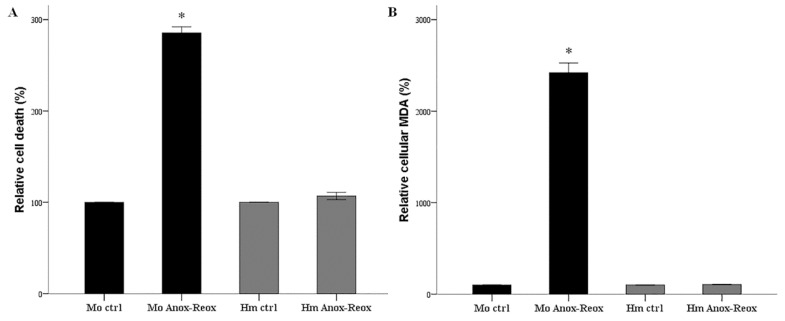
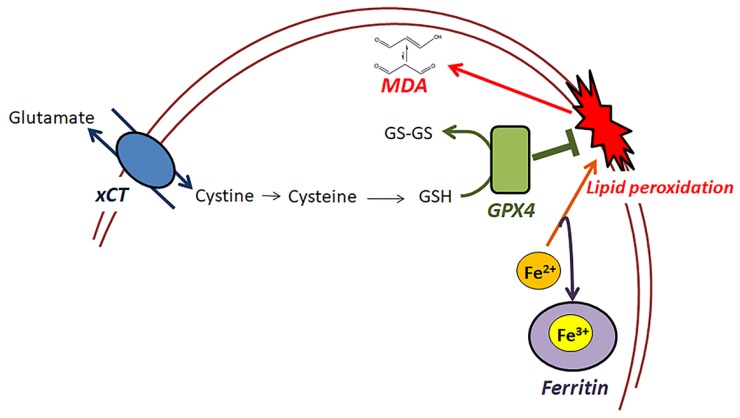
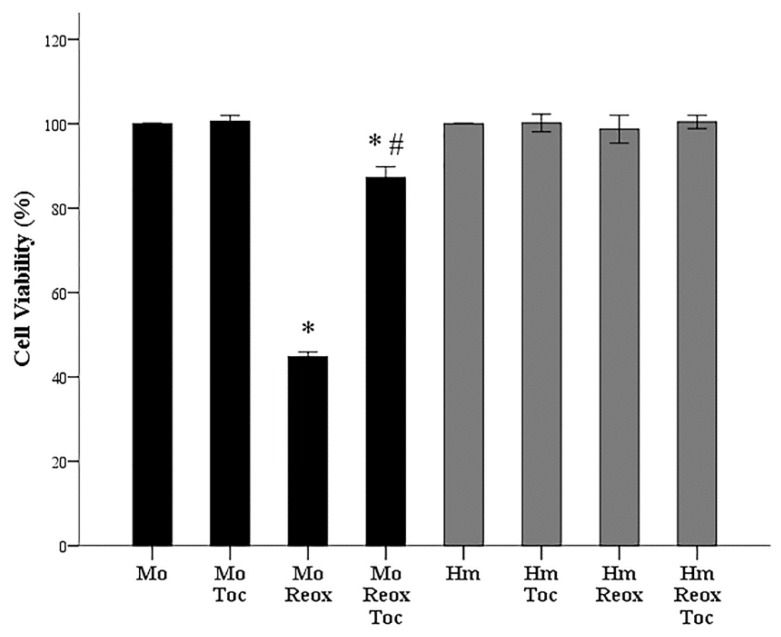
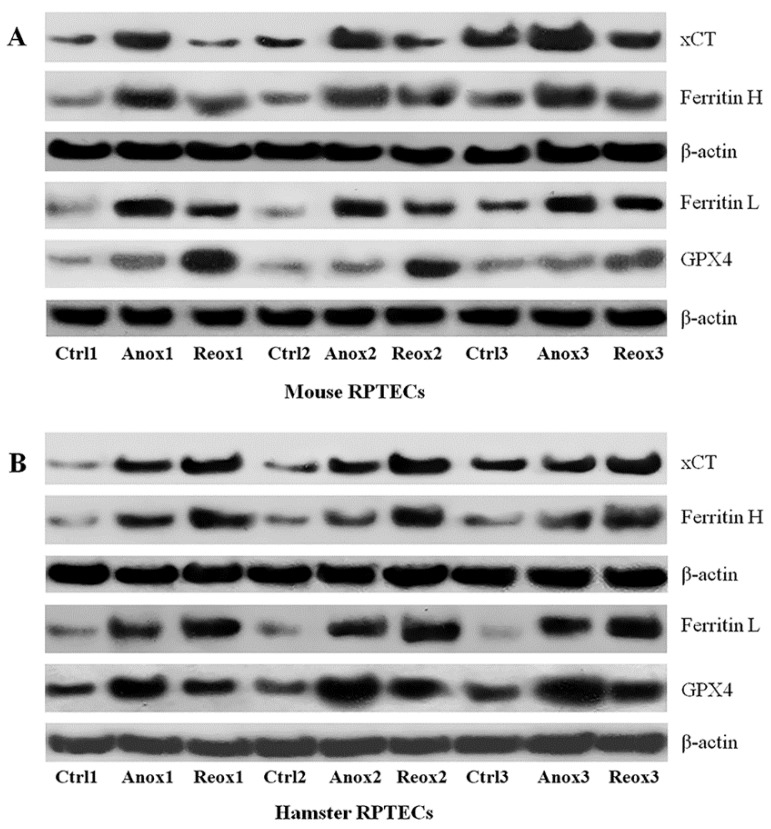
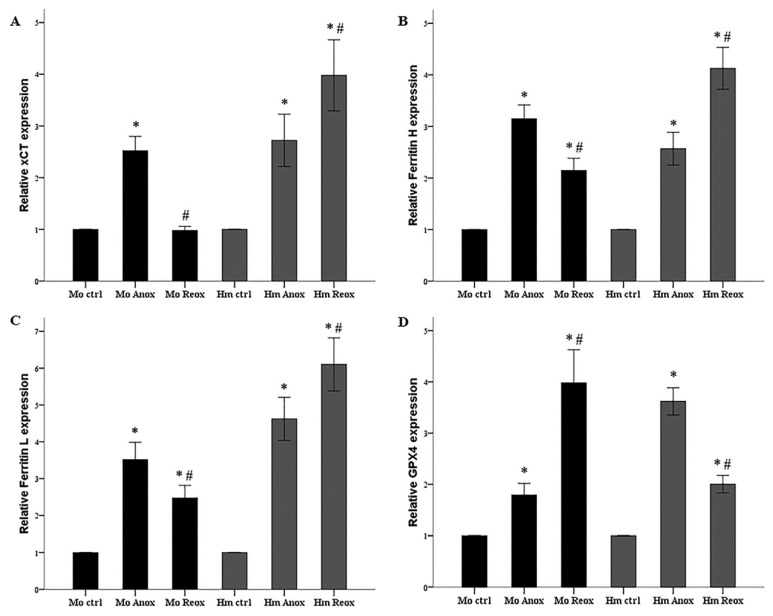
Warm anoxia-reoxygenation induces ferroptotic cell death in mouse proximal renal tubular epithelial cells (RPTECs), whereas RPTECs of the native hibernator Syrian hamster resist cell death. Clarifying how hamster cells escape ferroptosis may reveal new molecular targets for preventing or ameliorating ischemia-reperfusion-induced human diseases or expanding the survival of organ transplants. Mouse or hamster RPTECs were subjected to anoxia and subsequent reoxygenation. Cell death was assessed with the lactated dehydrogenase (LDH) release assay and lipid peroxidation by measuring cellular malondialdehyde (MDA) fluorometrically. The effect of the ferroptosis inhibitor α-tocopherol on cell survival was assessed by the 2,3-bis (2-methoxy-4-nitro-5-sulfophenyl)-5-[(phenylamino) carbonyl]-2H-tetrazolium hydroxide (XTT) assay. The expression of the critical ferroptotic elements cystine-glutamate antiporter (xCT), ferritin, and glutathione peroxidase 4 (GPX4) was assessed by Western blot. Contrary to mouse RPTECs, hamster RPTECs resisted anoxia-reoxygenation-induced cell death and lipid peroxidation. In mouse RPTECs, α-tocopherol increased cell survival. Anoxia increased the levels of xCT, ferritin, and GPX4 in both cell types. During reoxygenation, at which reactive oxygen species overproduction occurs, xCT and ferritin decreased, whereas GPX4 increased in mouse RPTECs. In hamster RPTECs, reoxygenation raised xCT and ferritin, but lowered GPX4. Hamster RPTECs resist lipid peroxidation-induced cell death. From the three main evaluated components of the ferroptotic pathway, the increased expression of xCT and ferritin may contribute to the resistance of the hamster RPTECs to warm anoxia-reoxygenation.
温暖条件下的缺氧-复氧诱导小鼠近端肾小管上皮细胞(RPTECs)发生铁死亡性细胞死亡,而天然冬眠动物叙利亚仓鼠的RPTECs可抵抗细胞死亡。阐明仓鼠细胞如何逃避铁死亡可能会揭示预防或改善缺血-再灌注诱导的人类疾病或延长器官移植存活时间的新分子靶点。对小鼠或仓鼠的RPTECs进行缺氧及随后的复氧处理。通过乳酸脱氢酶(LDH)释放试验评估细胞死亡情况,并通过荧光法测量细胞丙二醛(MDA)来评估脂质过氧化。通过2,3-双(2-甲氧基-4-硝基-5-磺基苯基)-5-[(苯基氨基)羰基]-2H-四唑氢氧化合物(XTT)试验评估铁死亡抑制剂α-生育酚对细胞存活的影响。通过蛋白质免疫印迹法评估关键铁死亡元件胱氨酸-谷氨酸反向转运体(xCT)、铁蛋白和谷胱甘肽过氧化物酶4(GPX4)的表达。与小鼠RPTECs相反,仓鼠RPTECs可抵抗缺氧-复氧诱导的细胞死亡和脂质过氧化。在小鼠RPTECs中,α-生育酚可提高细胞存活率。缺氧使两种细胞类型中的xCT、铁蛋白和GPX4水平均升高。在复氧过程中,此时会发生活性氧过量产生的情况,xCT和铁蛋白在小鼠RPTECs中降低,而GPX4升高。在仓鼠RPTECs中,复氧使xCT和铁蛋白升高,但使GPX4降低。仓鼠RPTECs可抵抗脂质过氧化诱导的细胞死亡。从铁死亡途径的三个主要评估成分来看,xCT和铁蛋白表达的增加可能有助于仓鼠RPTECs抵抗温暖条件下的缺氧-复氧。