Centro Nacional de Investigaciones Cardiovasculares (CNIC), Madrid, Spain.
Centro Nacional de Biotecnología, Madrid, Spain.
J Exp Med. 2019 May 6;216(5):1108-1119. doi: 10.1084/jem.20181288. Epub 2019 Apr 3.
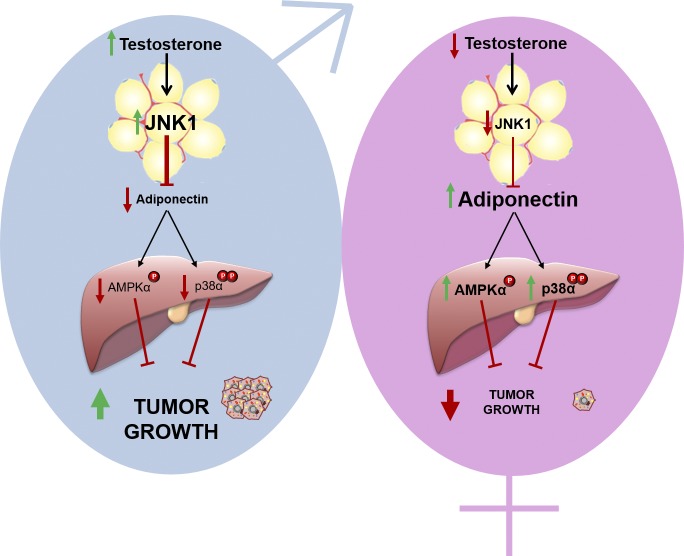
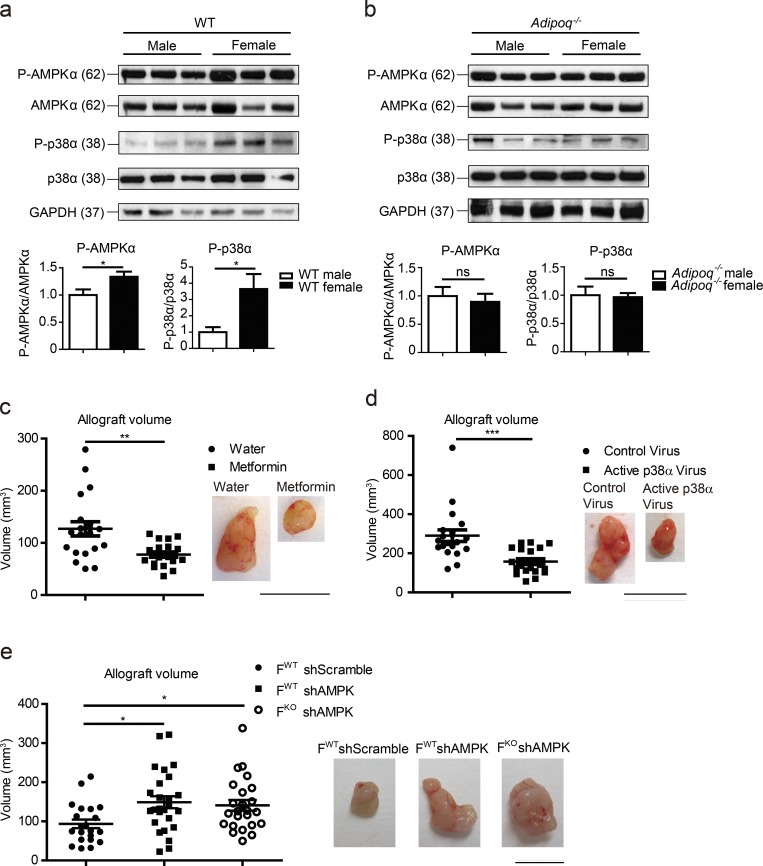
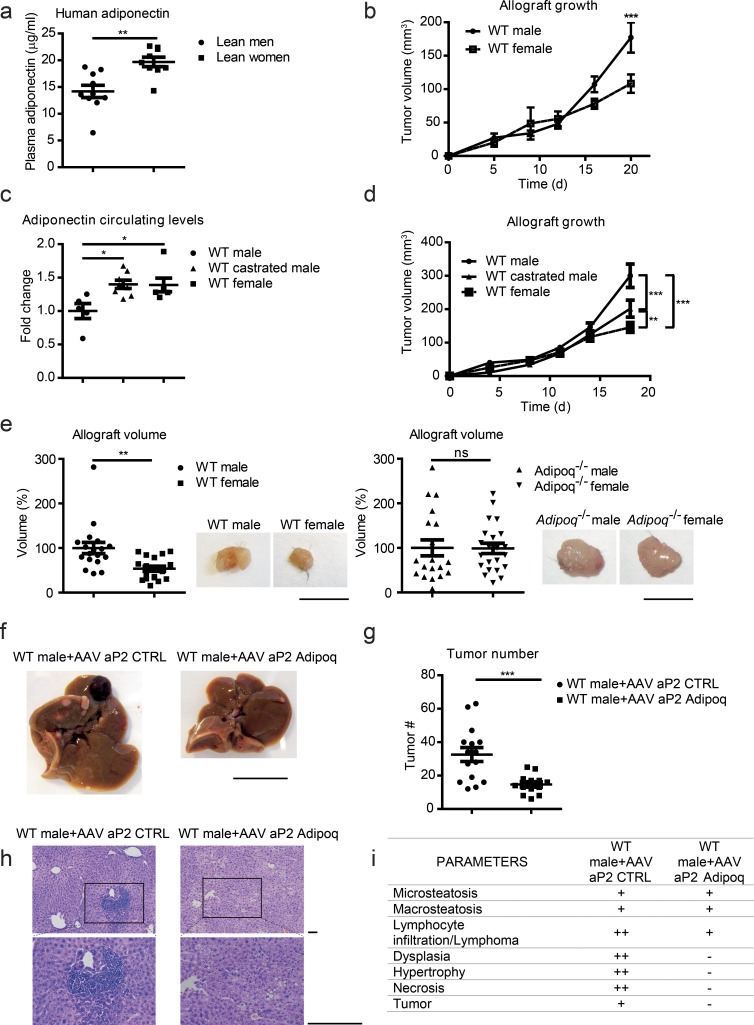
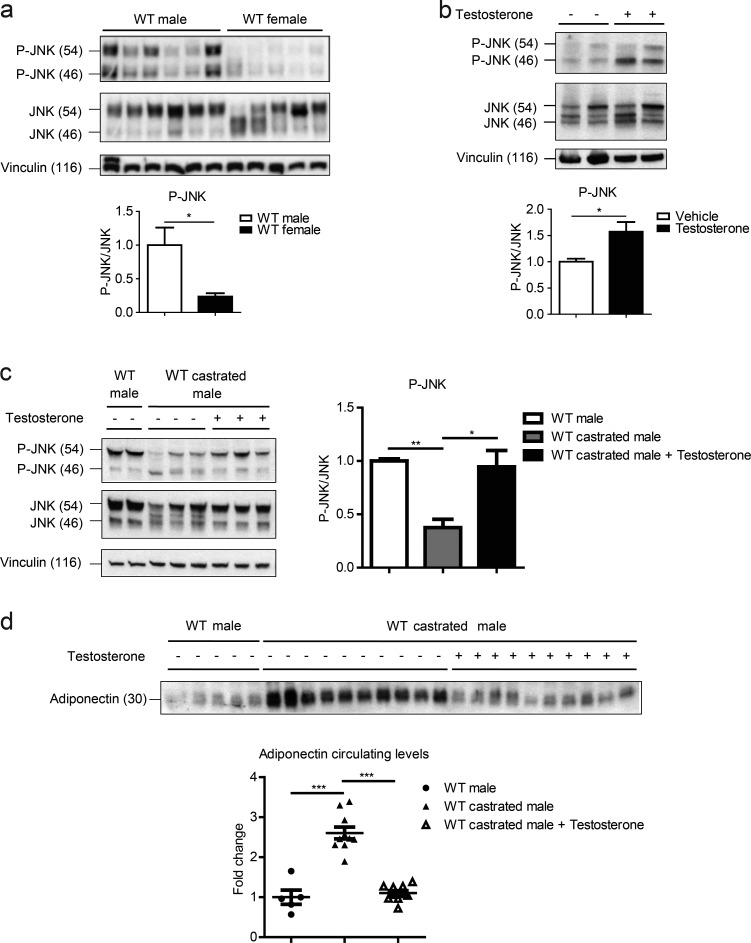
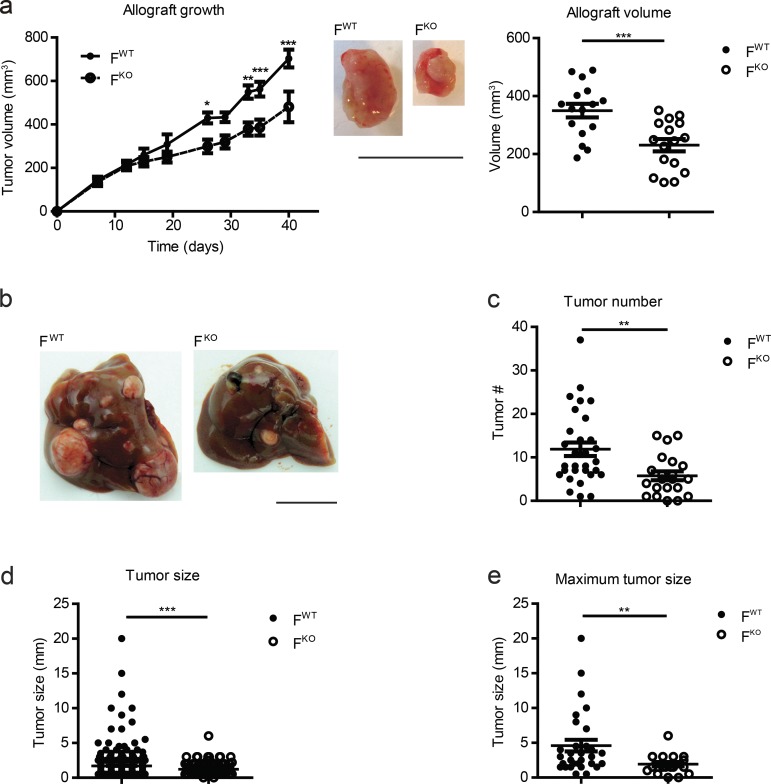
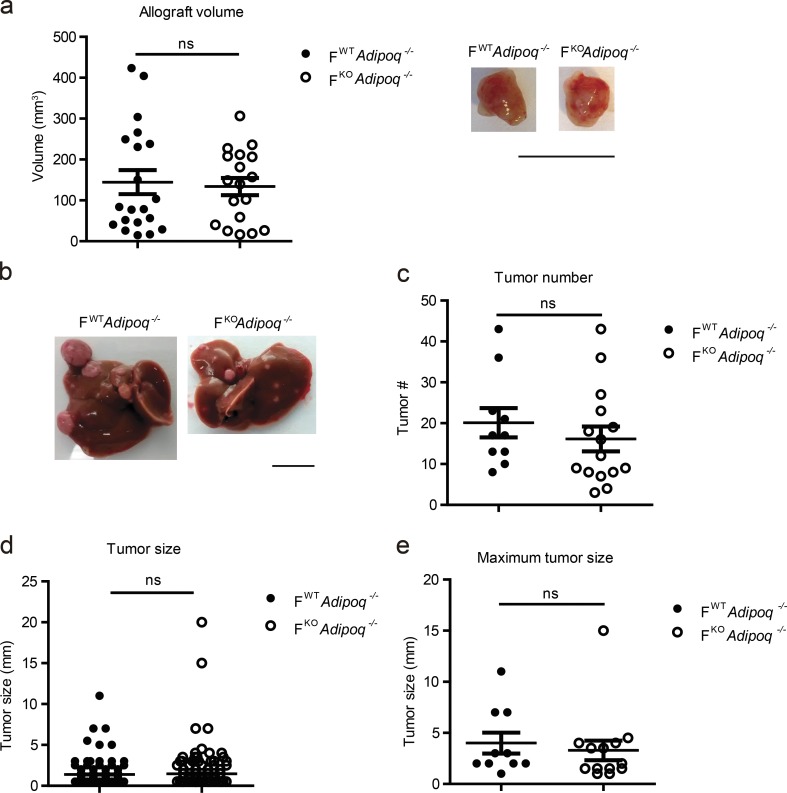
Hepatocellular carcinoma (HCC) is the sixth most common cancer type and the fourth leading cause of cancer-related death. This cancer appears with higher incidence in men and during obesity; however, the specific mechanisms underlying this correlation are unknown. Adipose tissue, a key organ in metabolic syndrome, shows evident gender disparities in the production of adipokines. Levels of the important adipokine adiponectin decrease in men during puberty, as well as in the obese state. Here, we show that this decrease in adiponectin levels is responsible for the increased liver cancer risk in males. We found that testosterone activates the protein JNK in mouse and human adipocytes. JNK-mediated inhibition of adiponectin secretion increases liver cancer cell proliferation, since adiponectin protects against liver cancer development through the activation of AMP-activated protein kinase (AMPK) and p38α. This study provides insight into adipose tissue to liver crosstalk and its gender relation during cancer development, having the potential to guide strategies for new cancer therapeutics.
肝细胞癌(HCC)是第六大常见癌症类型,也是癌症相关死亡的第四大主要原因。这种癌症在男性和肥胖人群中发病率更高;然而,这种相关性的具体机制尚不清楚。脂肪组织是代谢综合征的一个关键器官,在产生脂肪因子方面表现出明显的性别差异。青春期和肥胖状态下,男性的重要脂肪因子脂联素水平下降。在这里,我们表明,这种脂联素水平的下降是导致男性肝癌风险增加的原因。我们发现,睾丸激素激活了小鼠和人类脂肪细胞中的蛋白 JNK。JNK 介导的脂联素分泌抑制增加了肝癌细胞的增殖,因为脂联素通过激活 AMP 激活的蛋白激酶(AMPK)和 p38α 来保护肝脏免受癌症的发展。这项研究深入了解了脂肪组织与肝脏的相互作用及其在癌症发展过程中的性别关系,有可能为新的癌症治疗策略提供指导。