Almazov National Medical Research Centre, 2 Akkuratova Street, St. Petersburg, 197341, Russia.
J Diabetes Res. 2019 Mar 3;2019:1365162. doi: 10.1155/2019/1365162. eCollection 2019.
It is well known that diabetes mellitus (DM) exacerbates the mechanisms underlying atherosclerosis. Currently, glucagon-like peptide-1 receptor agonists (aGLP-1) have one of the most prominent cardioprotective effects among the antidiabetic agents. However, the treatment with aGLP-1 is effective only in 50-70% of the cases. Taking into account the high cost of these medications, discovery of the predictors of optimal response to treatment is required.
To identify the predictors of the greater impact of aGLP-1 on HbA1c levels, weight reduction, and improvement in lipid profile.
The study group consisted of 40 patients with type 2 DM (T2DM) and obesity who were treated with aGLP-1. The follow-up period was 24 weeks. Patients' evaluation was conducted at baseline and after 24 weeks. In addition, it included the assessment of the hormones involved in glucose and lipid metabolism and appetite regulation.
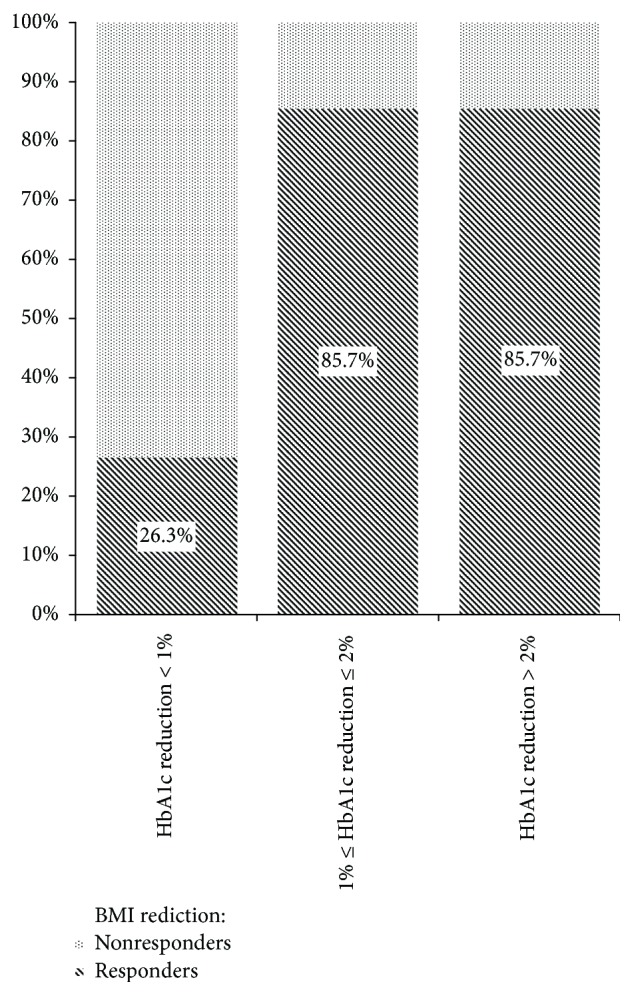
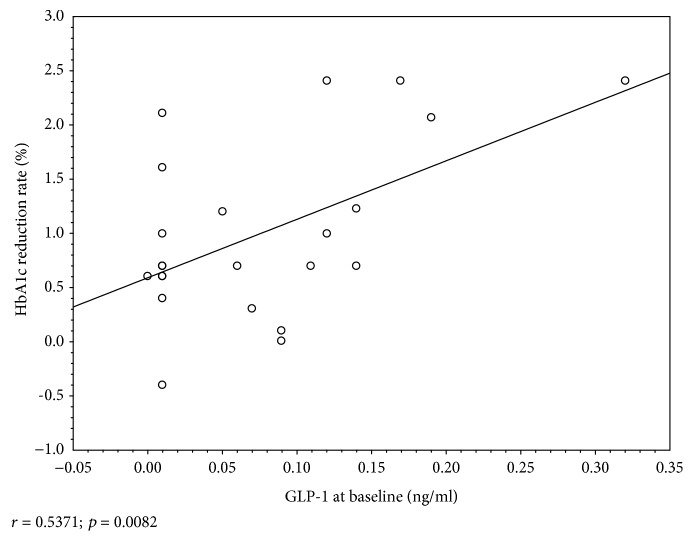
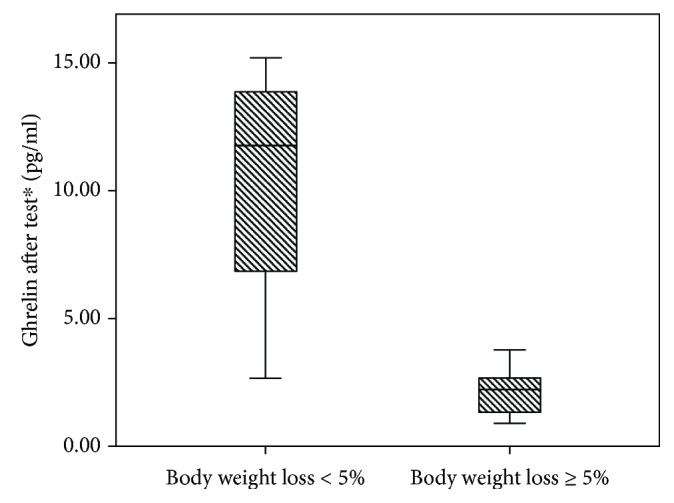
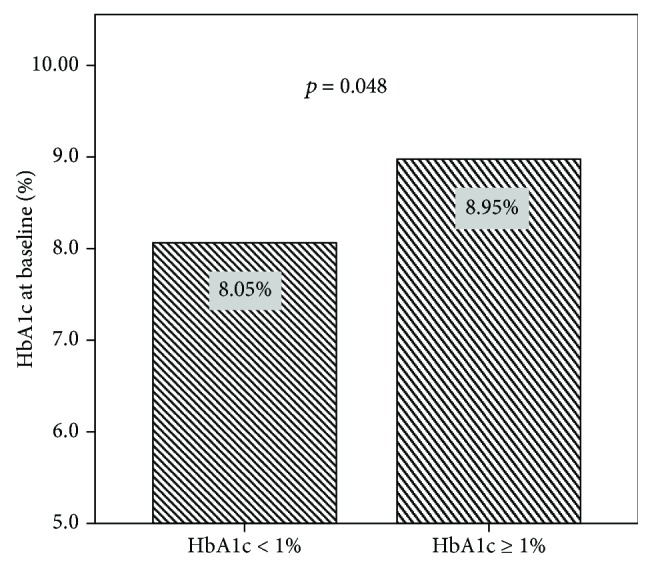
Patients who have initially higher BMI (body mass index), glycemia, and triglycerides (TG) had better improvement in these parameters undergoing aGLP-1 treatment. In patients with a BMI loss ≥ 5%, GLP-1 and fasting ghrelin levels were higher and ghrelin level in postnutritional status was lower. The HbA1c levels decreased more intensively in participants with higher GLP-1 levels. TG responders had lower baseline fasting glucose-dependent insulinotropic peptide (GIP) and postprandial ghrelin levels.
The evaluation of the glycemic control, lipid profile, and GLP-1, GIP, and ghrelin levels are useable for estimating the expected efficacy of aGLP-1.
众所周知,糖尿病(DM)会加剧动脉粥样硬化的发生机制。目前,胰高血糖素样肽-1 受体激动剂(aGLP-1)在抗糖尿病药物中具有最突出的心脏保护作用之一。然而,aGLP-1 的治疗仅在 50-70%的病例中有效。考虑到这些药物的高成本,需要发现预测最佳治疗反应的指标。
确定预测 aGLP-1 对 HbA1c 水平、体重减轻和改善血脂谱影响更大的指标。
研究组由 40 名患有 2 型糖尿病(T2DM)和肥胖症的患者组成,他们接受 aGLP-1 治疗。随访期为 24 周。在基线和 24 周后对患者进行评估。此外,还包括评估参与葡萄糖和脂质代谢以及食欲调节的激素。
在接受 aGLP-1 治疗的患者中,初始 BMI(体重指数)、血糖和甘油三酯(TG)较高的患者这些参数的改善更好。在 BMI 下降≥5%的患者中,GLP-1 和空腹 ghrelin 水平更高,营养后状态下的 ghrelin 水平更低。HbA1c 水平下降幅度较大的参与者 GLP-1 水平较高。TG 应答者的基线空腹葡萄糖依赖性胰岛素释放肽(GIP)和餐后 ghrelin 水平较低。
评估血糖控制、血脂谱以及 GLP-1、GIP 和 ghrelin 水平可用于估计 aGLP-1 的预期疗效。