Center for Medical, Agricultural and Veterinary Entomology, United States Department of Agriculture, Agricultural Research Service, Gainesville, Florida, United States of America.
PLoS One. 2019 Apr 4;14(4):e0208966. doi: 10.1371/journal.pone.0208966. eCollection 2019.
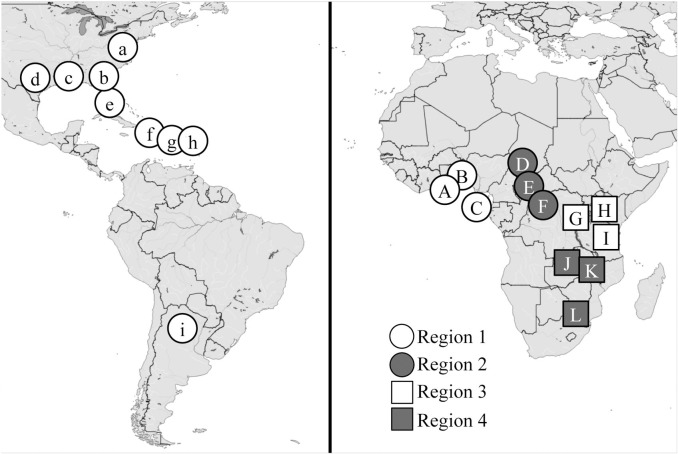
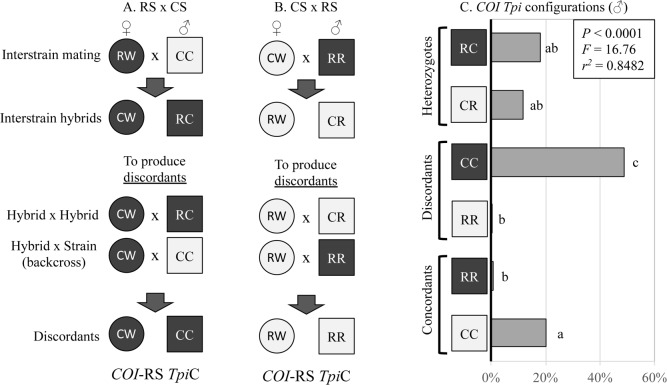
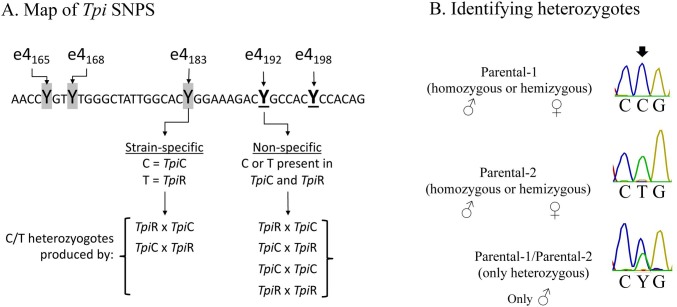
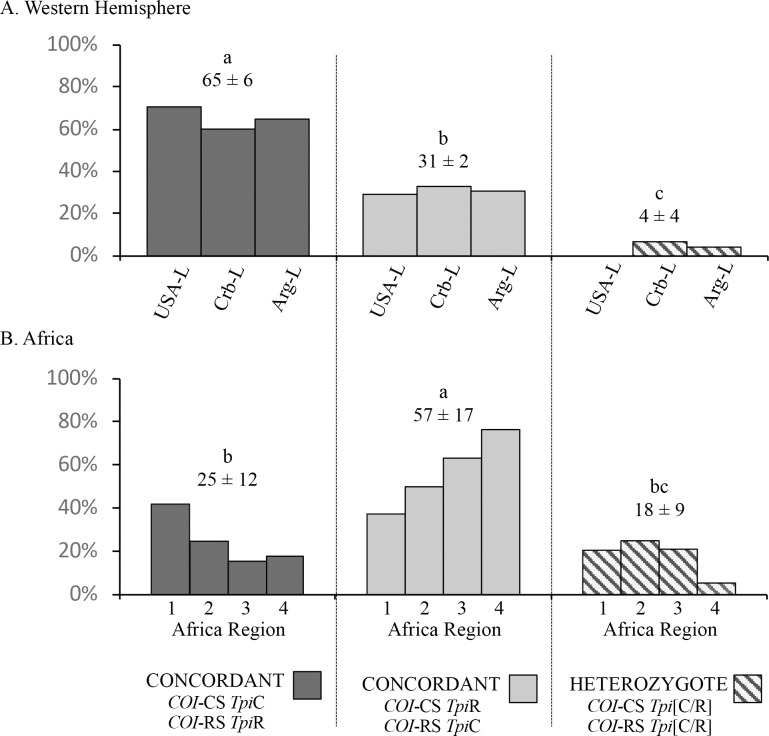
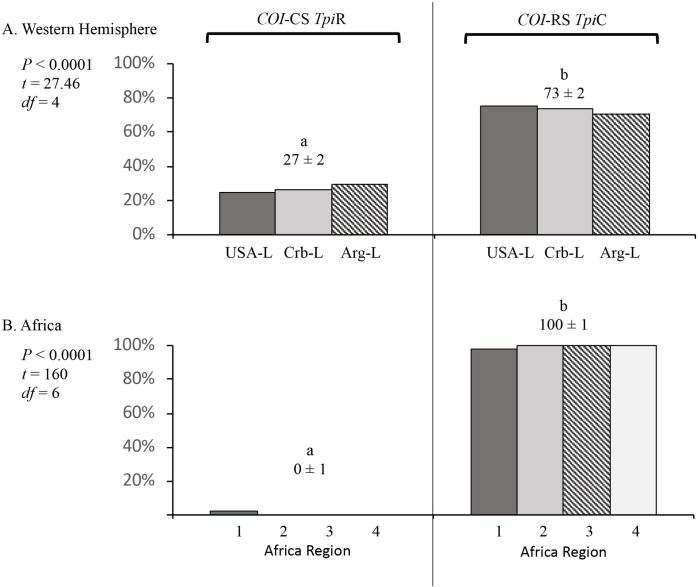
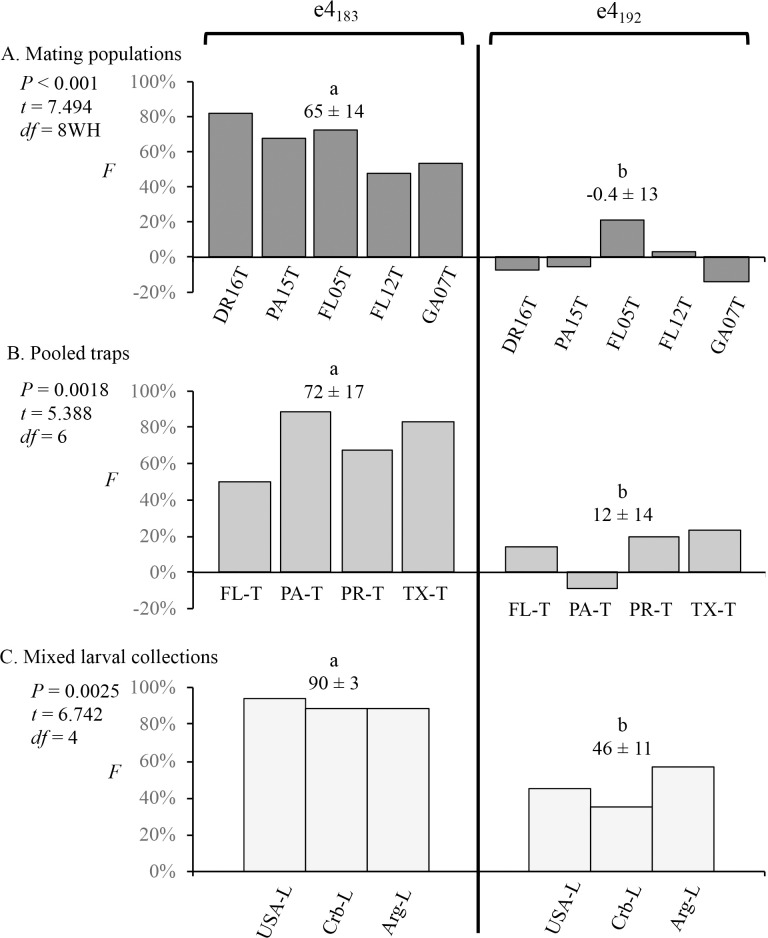
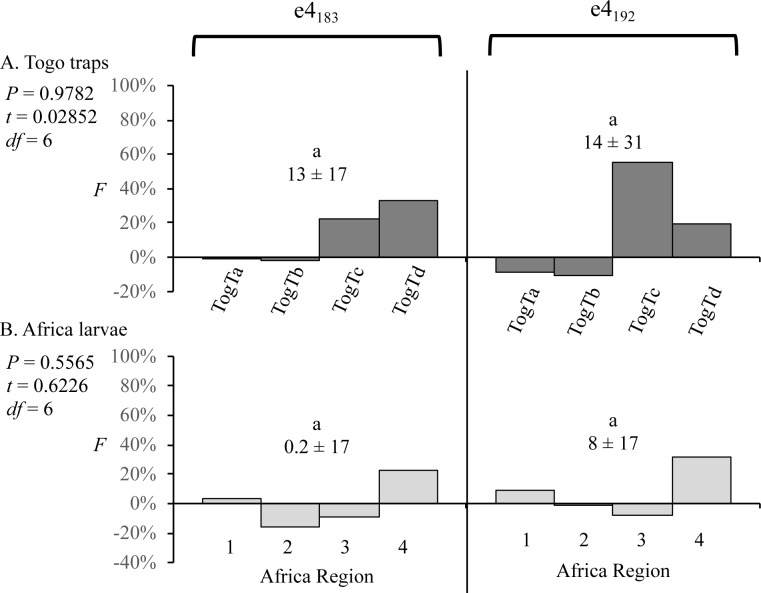
The introduction and establishment of fall armyworm (Spodoptera frugiperda) in Africa presents a major threat to agriculture in that continent and potentially to the entire Eastern Hemisphere. The species is subdivided into two subpopulations called the R-strain and C-strain that differ in their distribution on different plant hosts. This means that the scope of the economic risk posed by invasive fall armyworm is influenced by whether one or both strains are present. Multiple studies have found mitochondrial markers diagnostic of the two strains throughout Africa but there is substantial disagreement with a nuclear strain marker that makes conclusions about strain composition uncertain. In this study the issue of whether both strains are present in Africa was tested by an assay that can detect strain-biased mating behaviors. Western Hemisphere fall armyworm consistently showed evidence of strain-specific assortative mating in the field that was not found in surveys from multiple locations in Africa. The absence of strain mating biases and the disagreements between the strain diagnostic genetic markers indicates that the R-strain is rare (<1% of the population) or absent in Africa. Instead, it appears that the African fall armyworm populations are dominated by two groups, the C-strain and the descendants of interstrain hybrids. These results suggest that plant hosts associated with the R-strain may not be at high risk of fall armyworm infestation in Africa.
秋黏虫(Spodoptera frugiperda)在非洲的引入和定殖对非洲农业,甚至可能对整个东半球构成重大威胁。该物种分为两个亚种群,称为 R 株和 C 株,它们在不同的植物宿主上的分布不同。这意味着入侵秋黏虫造成的经济风险范围受到是否存在一种或两种菌株的影响。多项研究在整个非洲都发现了可诊断两种菌株的线粒体标记,但存在大量核菌株标记不一致的情况,这使得对菌株组成的结论不确定。在这项研究中,通过检测可检测菌株偏性交配行为的测定方法,检验了两种菌株是否都存在于非洲。西半球秋黏虫在野外表现出与菌株特异性交配的证据,但在非洲多个地点的调查中没有发现。缺乏菌株交配偏差以及菌株诊断遗传标记之间的不一致性表明,R 株在非洲很少(<1%的种群)或不存在。相反,似乎非洲秋黏虫种群主要由两个群体组成,即 C 株和菌株间杂种的后代。这些结果表明,与 R 株相关的植物宿主在非洲可能不会受到秋黏虫大量侵袭的高风险。