Long Marcus J C, Liu Xuyu, Aye Yimon
Independent Researcher, Beverley, United Kingdom.
École Polytechnique Fédérale de Lausanne, Institute of Chemical Sciences and Engineering, Lausanne, Switzerland.
Front Chem. 2019 Mar 21;7:125. doi: 10.3389/fchem.2019.00125. eCollection 2019.
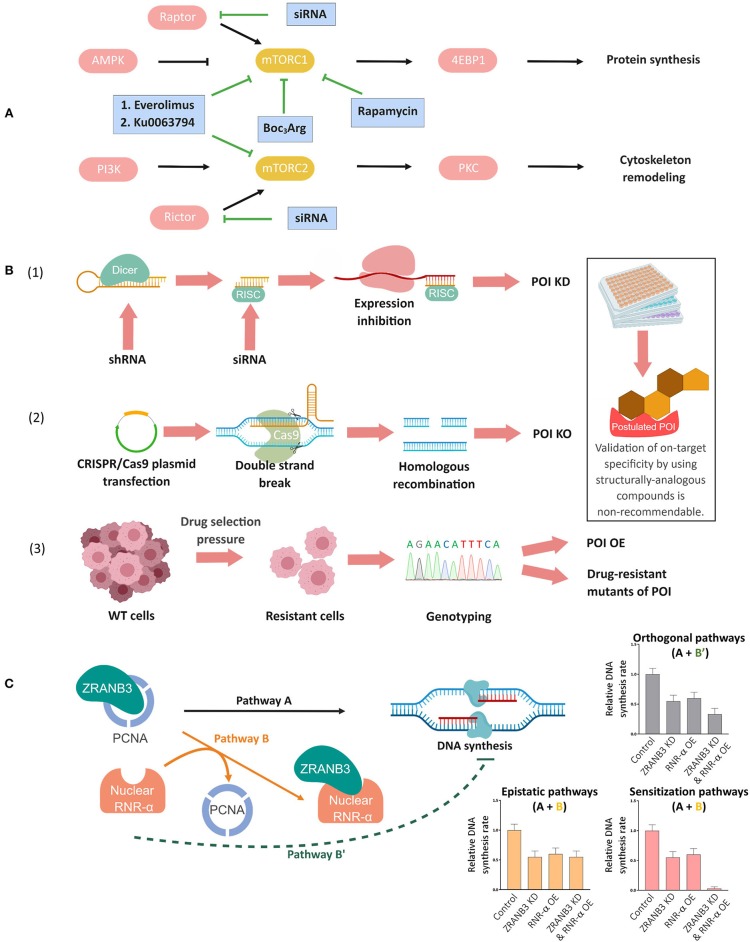
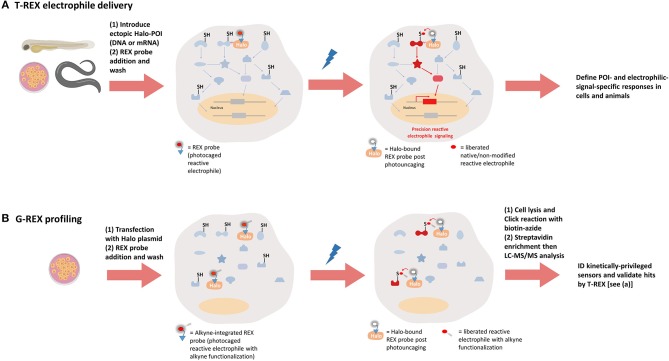
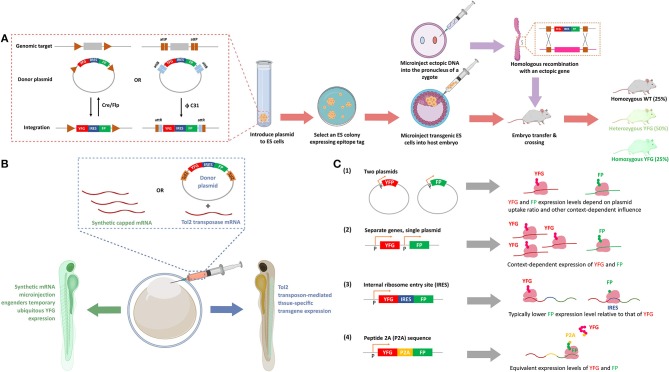
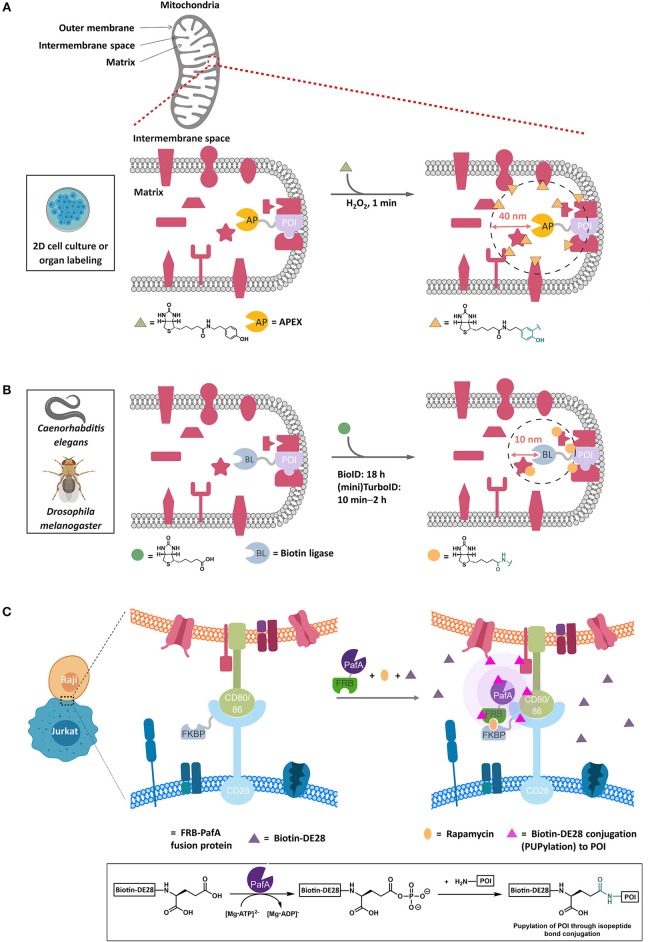
Here we discuss, how by applying chemical concepts to biological problems, methods have been developed to map spatiotemporal regulation of proteins and small-molecule modulation of proteome signaling responses. We outline why chemical-biology platforms are ideal for such purposes. We further discuss strengths and weaknesses of chemical-biology protocols, contrasting them against classical genetic and biochemical approaches. We make these evaluations based on three parameters: occupancy; functional information; and spatial restriction. We demonstrate how the specific choice of chemical reagent and experimental set-up unite to resolve biological problems. Potential improvements/extensions as well as specific controls that in our opinion are often overlooked or employed incorrectly are also considered. Finally, we discuss some of the latest emerging methods to illuminate how chemical-biology innovations provide a gateway toward information hitherto inaccessible by conventional genetic/biochemical means. Finally, we also caution against solely relying on chemical-biology strategies and urge the field to undertake orthogonal validations to ensure robustness of results.
在此,我们讨论如何通过将化学概念应用于生物学问题,开发出用于绘制蛋白质时空调控以及蛋白质组信号转导反应小分子调控图谱的方法。我们概述了化学生物学平台为何非常适合此类目的。我们进一步讨论了化学生物学方案的优缺点,并将它们与经典遗传学和生物化学方法进行对比。我们基于三个参数进行这些评估:占有率;功能信息;以及空间限制。我们展示了化学试剂的特定选择和实验设置如何结合起来解决生物学问题。我们还考虑了潜在的改进/扩展以及我们认为经常被忽视或使用不当的特定对照。最后,我们讨论了一些最新出现的方法,以阐明化学生物学创新如何为传统遗传学/生物化学方法迄今无法获取的信息提供了一条途径。最后,我们也告诫不要仅仅依赖化学生物学策略,并敦促该领域进行正交验证以确保结果的稳健性。