Division of Molecular Medicine, Department of Anesthesiology, Division of Cardiology, Department of Medicine, Cardiovascular Research Laboratories, David Geffen School of Medicine at University of California Los Angeles, 650 Charles E. Young Drive, Los Angeles, CA, 90095, USA.
Division of Molecular Medicine, Department of Anesthesiology, Division of Cardiology, Department of Medicine, Cardiovascular Research Laboratories, David Geffen School of Medicine at University of California Los Angeles, 650 Charles E. Young Drive, Los Angeles, CA, 90095, USA.
Redox Biol. 2019 Jun;24:101185. doi: 10.1016/j.redox.2019.101185. Epub 2019 Mar 29.
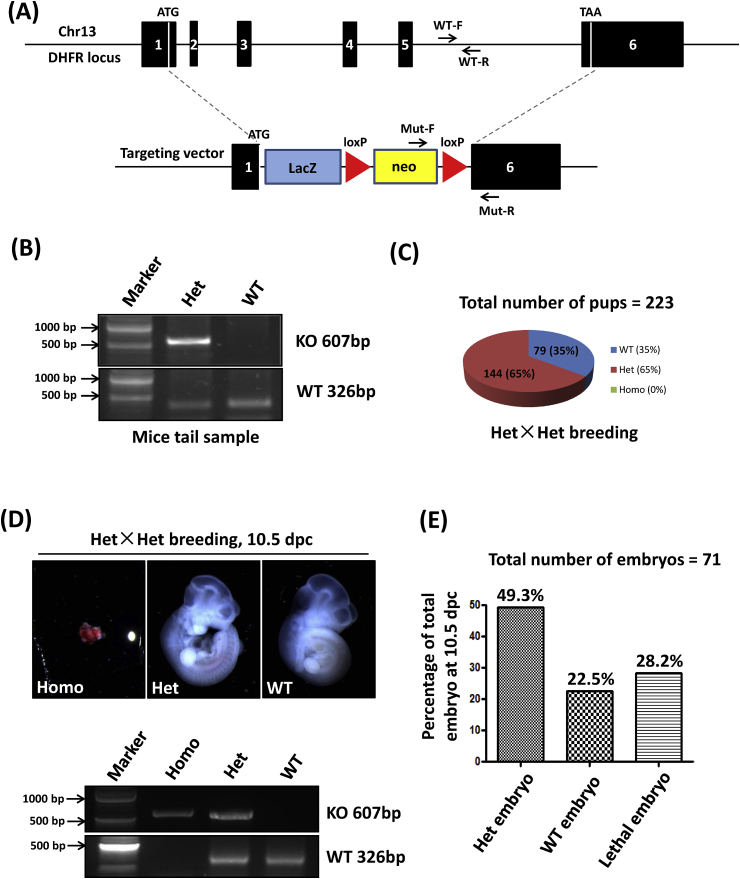
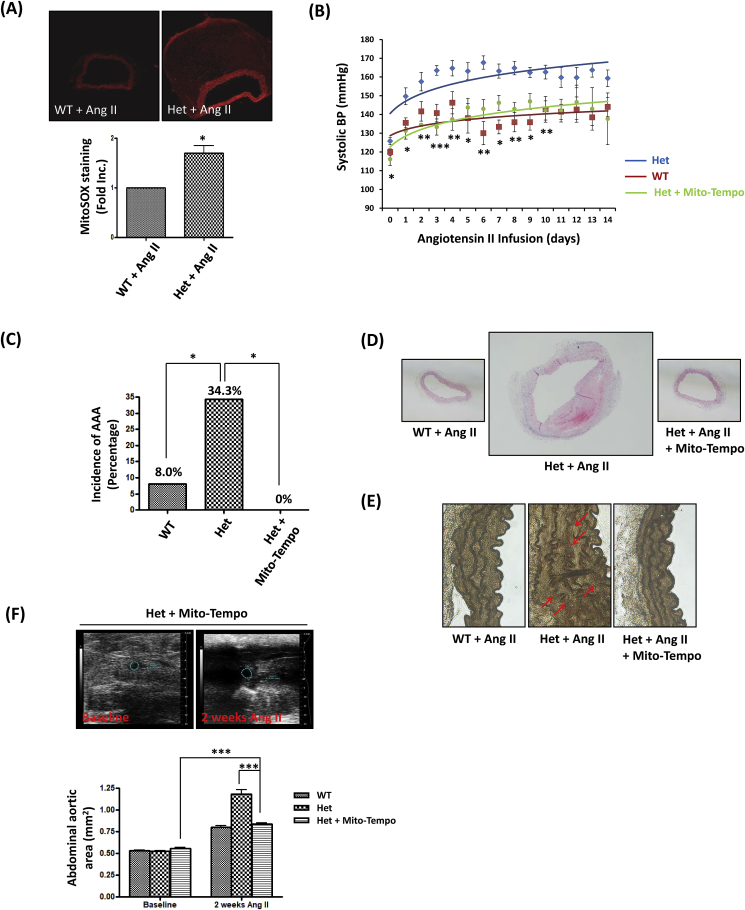
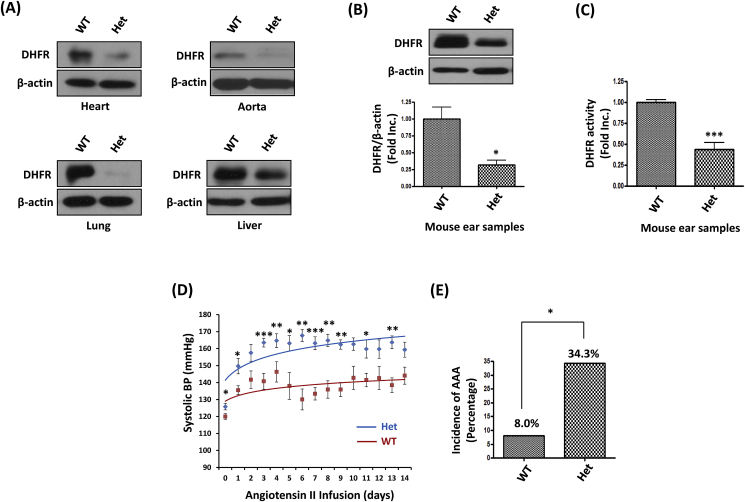
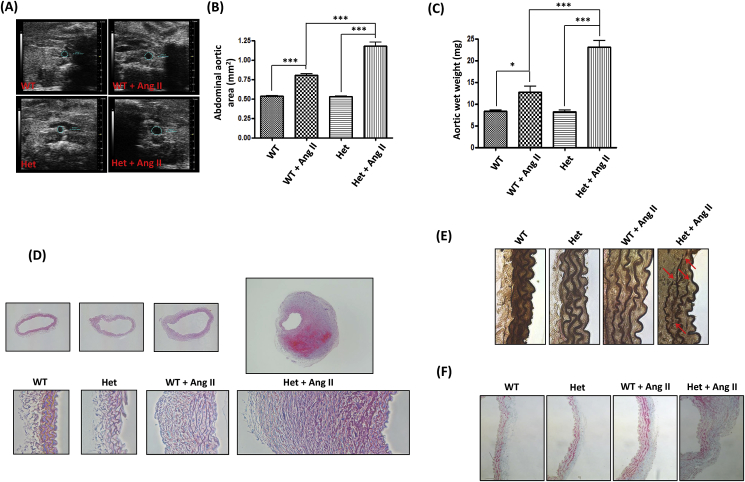
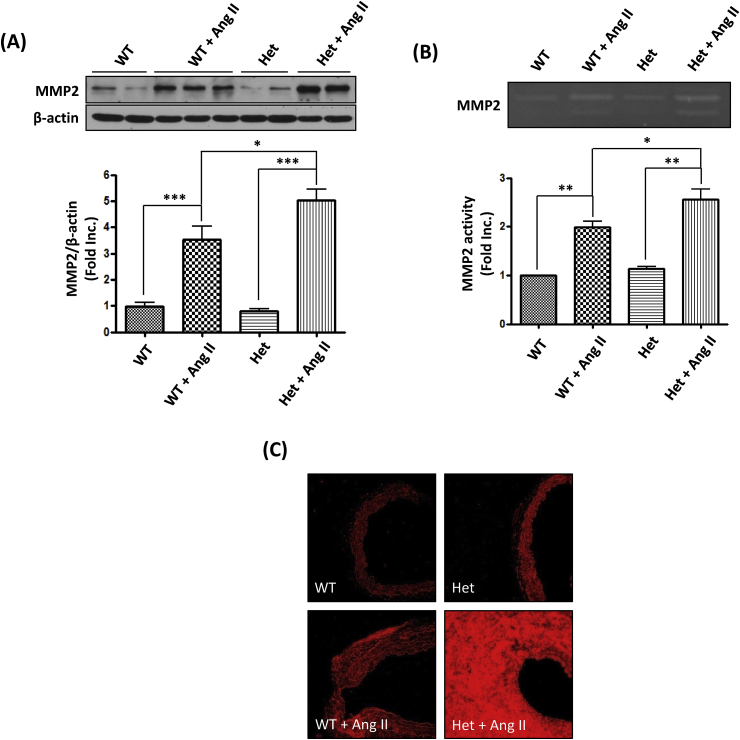
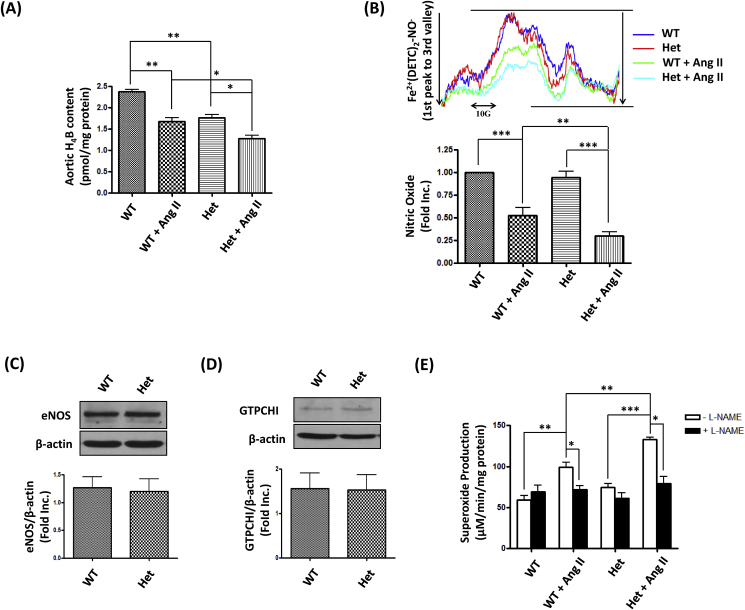
Hypertension and abdominal aortic aneurysm (AAA) are severe cardiovascular diseases with incompletely defined molecular mechanisms. In the current study we generated dihydrofolate reductase (DHFR) knockout mice for the first time to examine its potential contribution to the development of hypertension and AAA, as well as the underlying molecular mechanisms. Whereas the homozygote knockout mice were embryonically lethal, the heterozygote knockout mice had global reduction in DHFR protein expression and activity. Angiotensin II infusion into these animals resulted in substantially exaggerated elevation in blood pressure and development of AAA, which was accompanied by excessive eNOS uncoupling activity (featured by significantly impaired tetrahydrobiopterin and nitric oxide bioavailability), vascular remodeling (MMP2 activation, medial elastin breakdown and adventitial fibrosis) and inflammation (macrophage infiltration). Importantly, scavenging of mitochondrial reactive oxygen species with Mito-Tempo in vivo completely abrogated development of hypertension and AAA in DHFR knockout mice, indicating a novel role of mitochondria in mediating hypertension and AAA downstream of DHFR deficiency-dependent eNOS uncoupling. These data for the first time demonstrate that targeting DHFR-deficiency driven mitochondrial dysfunction may represent an innovative therapeutic option for the treatment of AAA and hypertension.
高血压和腹主动脉瘤(AAA)是严重的心血管疾病,其分子机制尚未完全阐明。在本研究中,我们首次生成二氢叶酸还原酶(DHFR)敲除小鼠,以研究其对高血压和 AAA 发展的潜在贡献以及潜在的分子机制。尽管纯合子敲除小鼠在胚胎期死亡,但杂合子敲除小鼠的 DHFR 蛋白表达和活性显著降低。血管紧张素 II 输注到这些动物中导致血压显著升高和 AAA 的发展,这伴随着 eNOS 解偶联活性的过度增加(表现为四氢生物蝶呤和一氧化氮生物利用度显著受损)、血管重塑(MMP2 激活、中膜弹力蛋白分解和外膜纤维化)和炎症(巨噬细胞浸润)。重要的是,体内使用 Mito-Tempo 清除线粒体活性氧完全消除了 DHFR 敲除小鼠的高血压和 AAA 的发展,表明在线粒体 DHFR 缺陷依赖性 eNOS 解偶联的下游,线粒体在介导高血压和 AAA 中发挥新的作用。这些数据首次表明,针对 DHFR 缺乏驱动的线粒体功能障碍可能是治疗 AAA 和高血压的一种创新治疗选择。