Molecular and Behavioral Neuroscience, The Azrieli Faculty of Medicine, Bar-Ilan University, Henrietta Szold St. 8, Safed, Israel.
Microbiome Research, The Azrieli Faculty of Medicine, Bar-Ilan University, Henrietta Szold St. 8, Safed, Israel.
Transl Psychiatry. 2019 Apr 9;9(1):133. doi: 10.1038/s41398-019-0466-x.
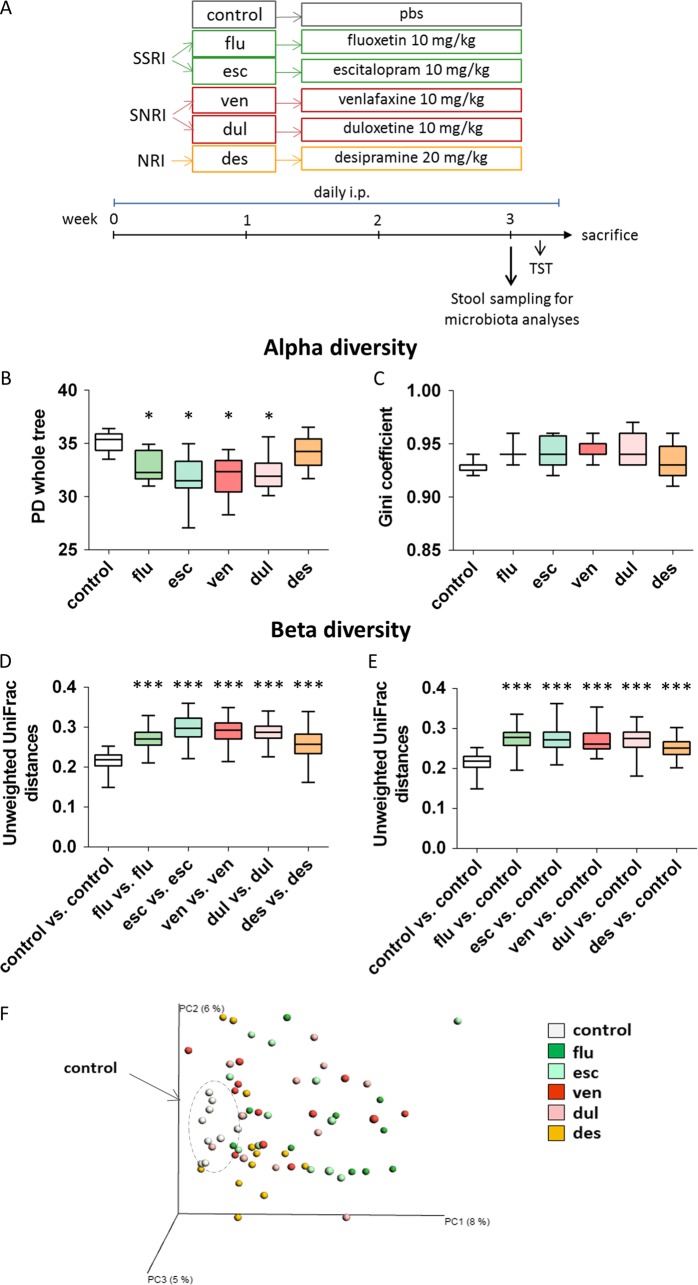
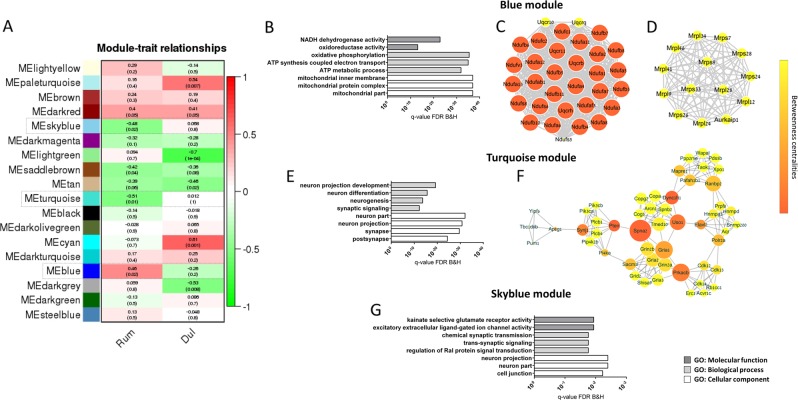
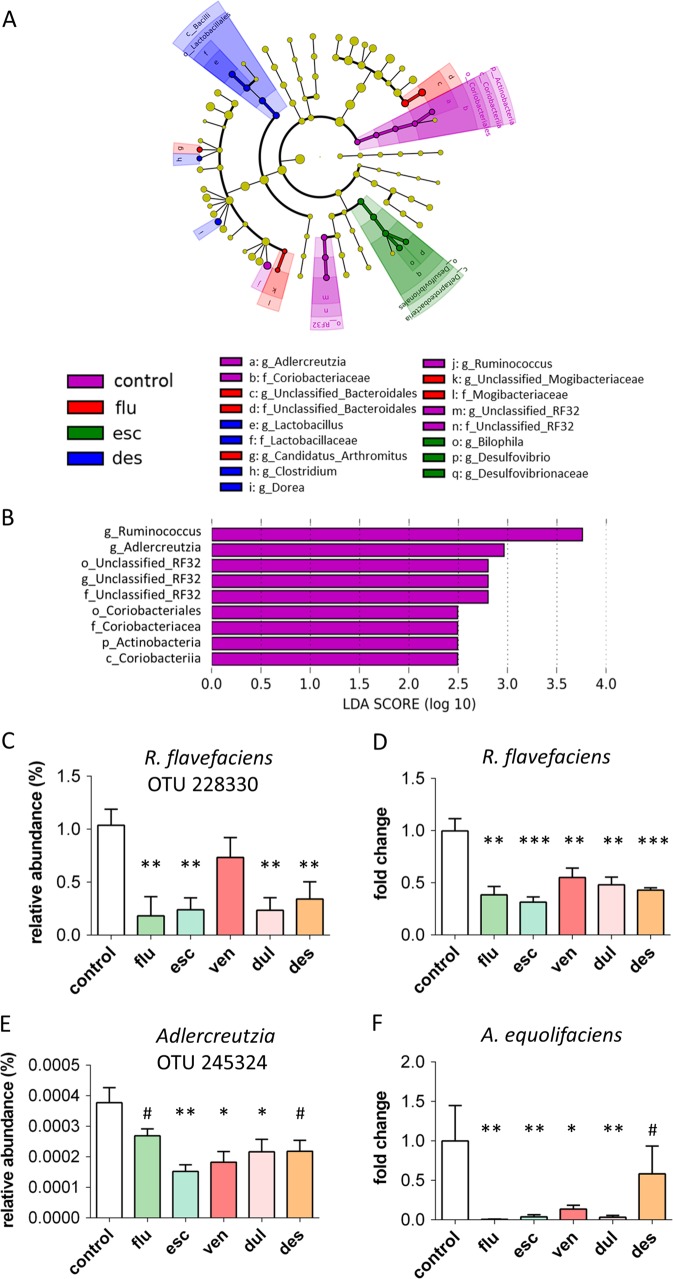
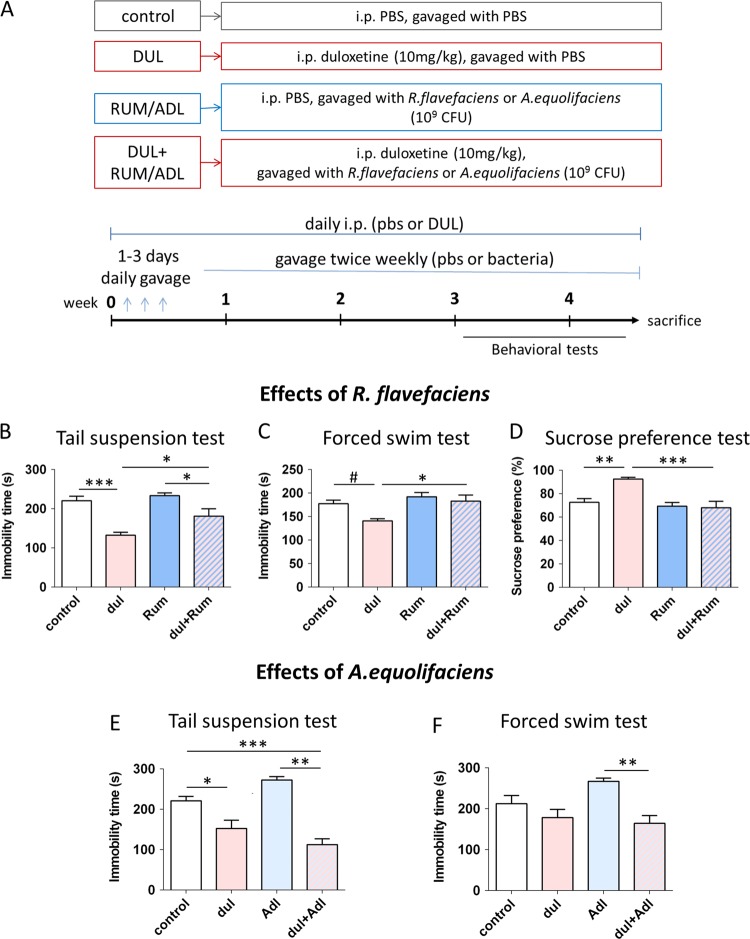
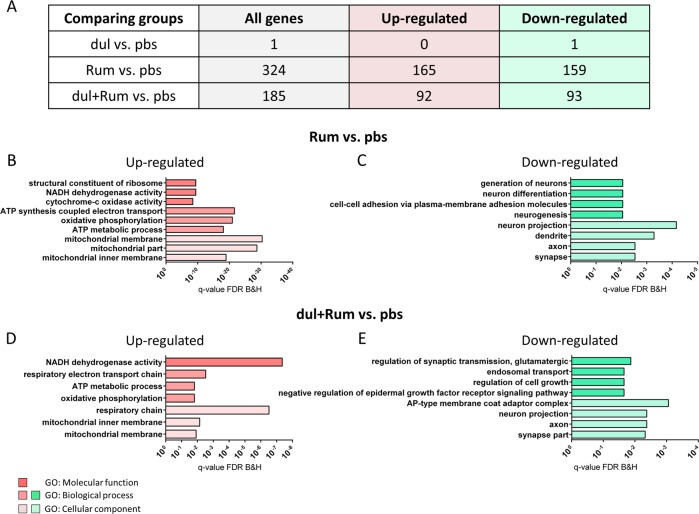
Accumulating evidence demonstrates that the gut microbiota affects brain function and behavior, including depressive behavior. Antidepressants are the main drugs used for treatment of depression. We hypothesized that antidepressant treatment could modify gut microbiota which can partially mediate their antidepressant effects. Mice were chronically treated with one of five antidepressants (fluoxetine, escitalopram, venlafaxine, duloxetine or desipramine), and gut microbiota was analyzed, using 16s rRNA gene sequencing. After characterization of differences in the microbiota, chosen bacterial species were supplemented to vehicle and antidepressant-treated mice, and depressive-like behavior was assessed to determine bacterial effects. RNA-seq analysis was performed to determine effects of bacterial treatment in the brain. Antidepressants reduced richness and increased beta diversity of gut bacteria, compared to controls. At the genus level, antidepressants reduced abundances of Ruminococcus, Adlercreutzia, and an unclassified Alphaproteobacteria. To examine implications of the dysregulated bacteria, we chose one of antidepressants (duloxetine) and investigated if its antidepressive effects can be attenuated by simultaneous treatment with Ruminococcus flavefaciens or Adlercreutzia equolifaciens. Supplementation with R. flavefaciens diminished duloxetine-induced decrease in depressive-like behavior, while A. equolifaciens had no such effect. R. flavefaciens treatment induced changes in cortical gene expression, up-regulating genes involved in mitochondrial oxidative phosphorylation, while down-regulating genes involved in neuronal plasticity. Our results demonstrate that various types of antidepressants alter gut microbiota composition, and further implicate a role for R. flavefaciens in alleviating depressive-like behavior. Moreover, R. flavefaciens affects gene networks in the brain, suggesting a mechanism for microbial regulation of antidepressant treatment efficiency.
越来越多的证据表明,肠道微生物群会影响大脑功能和行为,包括抑郁行为。抗抑郁药是治疗抑郁症的主要药物。我们假设抗抑郁治疗可以改变肠道微生物群,而肠道微生物群可以部分介导其抗抑郁作用。用五种抗抑郁药(氟西汀、依地普仑、文拉法辛、度洛西汀或去甲丙咪嗪)对小鼠进行慢性治疗,并使用 16s rRNA 基因测序分析肠道微生物群。在对微生物群的差异进行特征描述后,选择的细菌种类被补充到载体和抗抑郁治疗的小鼠中,并评估抑郁样行为,以确定细菌的作用。进行 RNA-seq 分析以确定细菌处理对大脑的影响。与对照组相比,抗抑郁药降低了肠道细菌的丰富度并增加了β多样性。在属水平上,抗抑郁药降低了 Ruminococcus、Adlercreutzia 和未分类的 Alphaproteobacteria 的丰度。为了研究失调细菌的影响,我们选择了一种抗抑郁药(度洛西汀),并研究了其抗抑郁作用是否可以通过同时用 Ruminococcus flavefaciens 或 Adlercreutzia equolifaciens 治疗来减弱。用 R. flavefaciens 补充可减少度洛西汀诱导的抑郁样行为减少,而 A. equolifaciens 则没有这种作用。R. flavefaciens 处理诱导皮质基因表达变化,上调参与线粒体氧化磷酸化的基因,同时下调参与神经元可塑性的基因。我们的结果表明,各种类型的抗抑郁药改变了肠道微生物群的组成,并进一步表明 R. flavefaciens 在缓解抑郁样行为中起作用。此外,R. flavefaciens 影响大脑中的基因网络,表明微生物调节抗抑郁治疗效率的一种机制。