Department of Exercise Science, University of South Carolina, Columbia, USA.
Department of Applied Physiology and Kinesiology, University of Florida, Gainesville, USA.
J Cachexia Sarcopenia Muscle. 2019 Aug;10(4):767-781. doi: 10.1002/jcsm.12427. Epub 2019 Apr 10.
Mechanical ventilation (MV) is a life-saving measure for patients in respiratory failure. However, prolonged MV results in significant diaphragm atrophy and contractile dysfunction, a condition referred to as ventilator-induced diaphragm dysfunction (VIDD). While there are currently no clinically approved countermeasures to prevent VIDD, increased expression of heat shock protein 72 (HSP72) has been demonstrated to attenuate inactivity-induced muscle wasting. HSP72 elicits cytoprotection via inhibition of NF-κB and FoxO transcriptional activity, which contribute to VIDD. In addition, exercise-induced prevention of VIDD is characterized by an increase in the concentration of HSP72 in the diaphragm. Therefore, we tested the hypothesis that increased HSP72 expression is required for the exercise-induced prevention of VIDD. We also determined whether increasing the abundance of HSP72 in the diaphragm, independent of exercise, is sufficient to prevent VIDD.
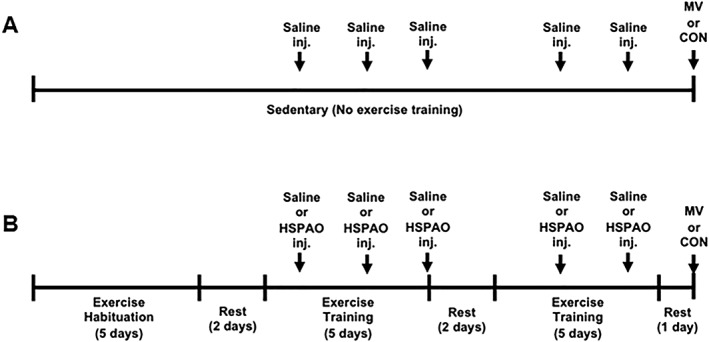
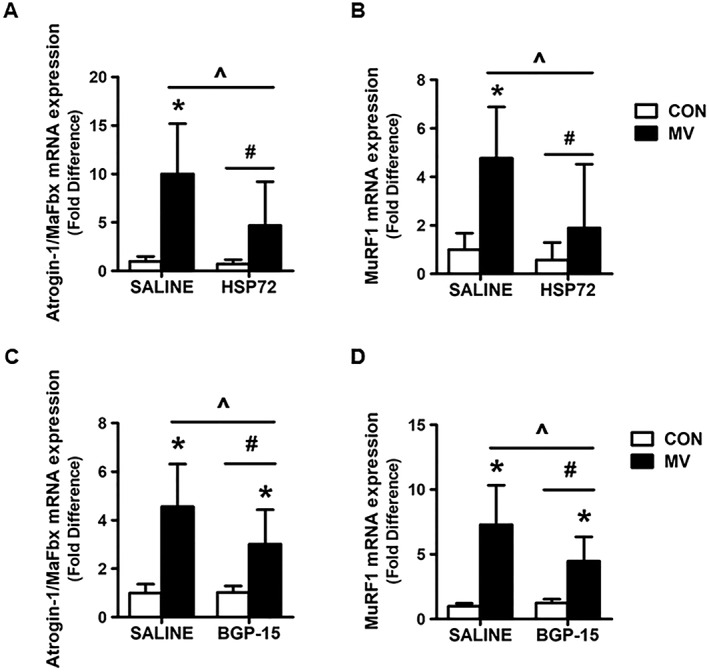
Cause and effect was determined by inhibiting the endurance exercise-induced increase in HSP72 in the diaphragm of exercise trained animals exposed to prolonged MV via administration of an antisense oligonucleotide targeting HSP72. Additional experiments were performed to determine if increasing HSP72 in the diaphragm via genetic (rAAV-HSP72) or pharmacological (BGP-15) overexpression is sufficient to prevent VIDD.
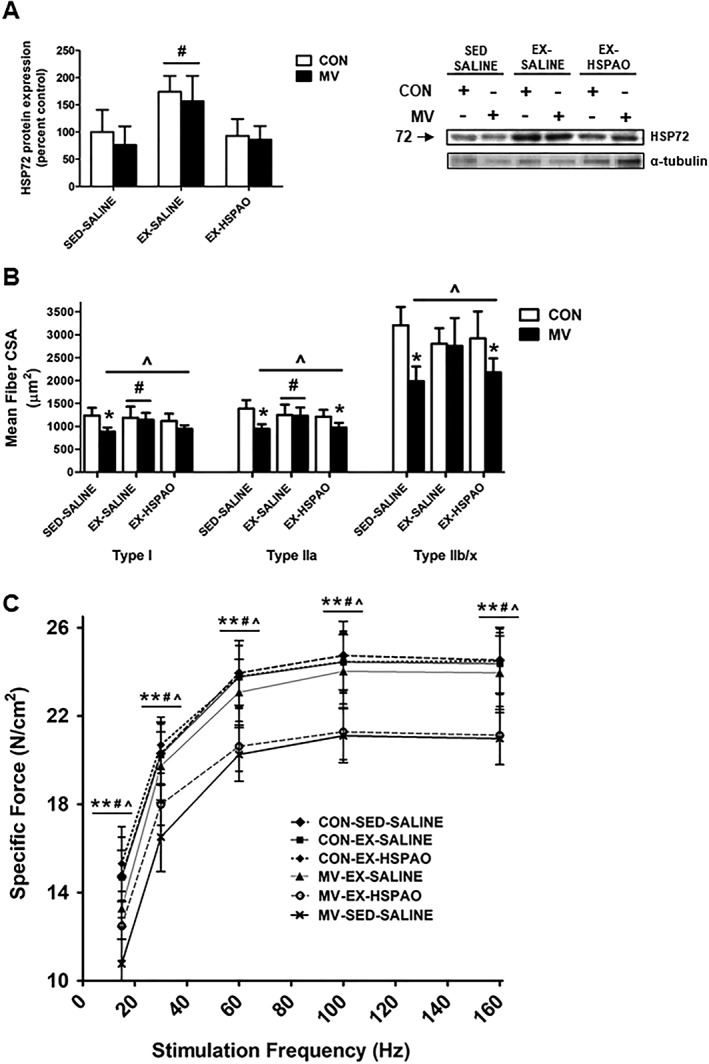
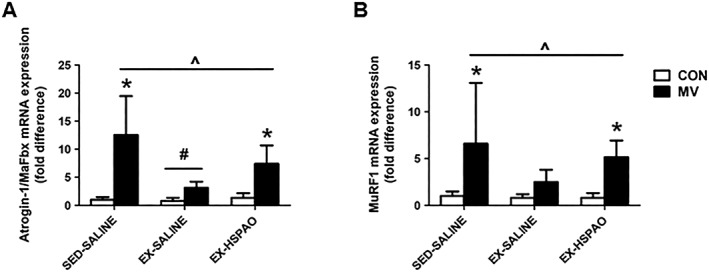
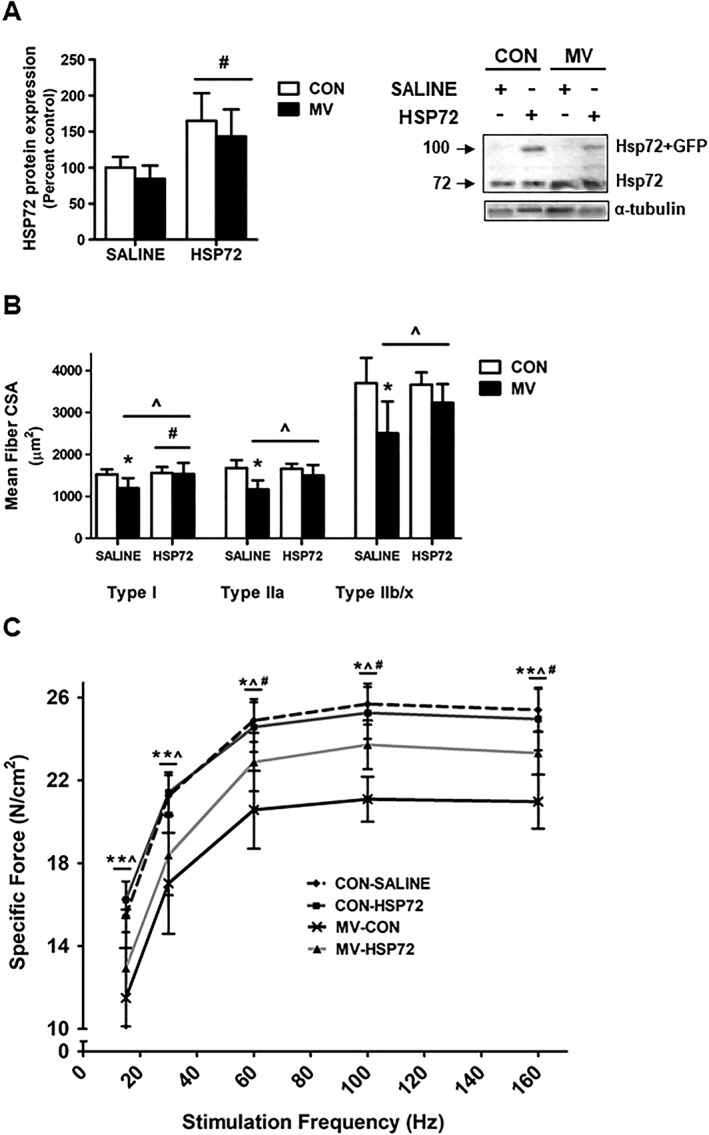
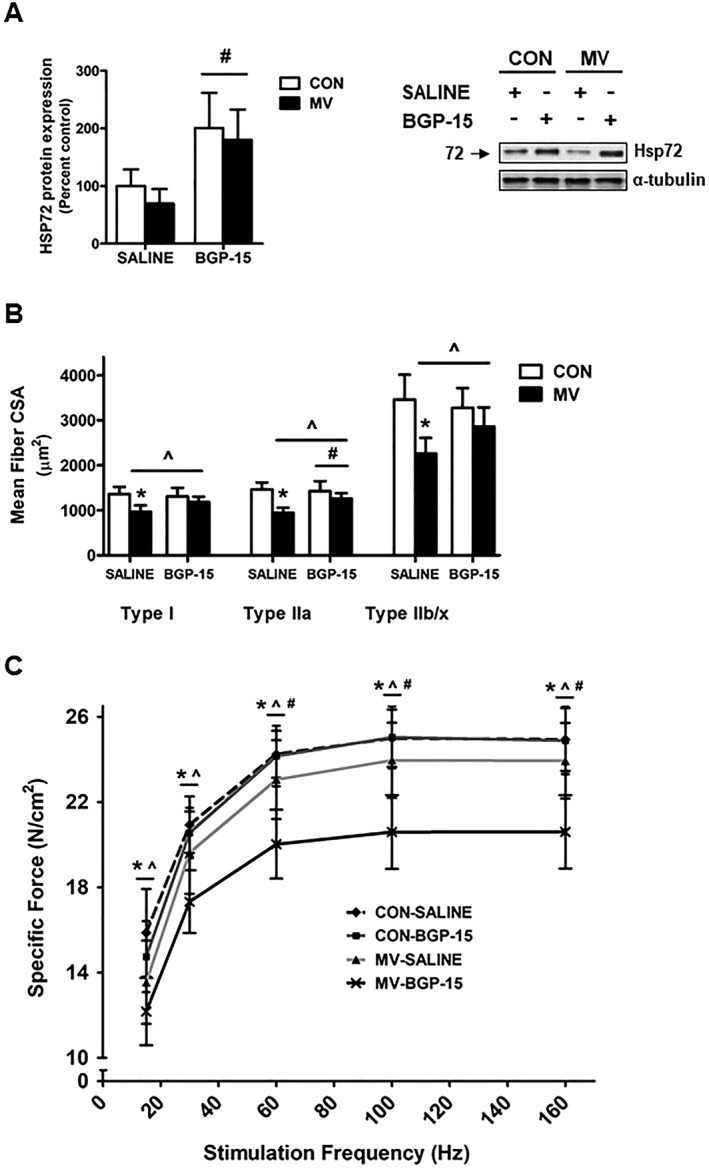
Our results demonstrate that the exercise-induced increase in HSP72 protein abundance is required for the protective effects of exercise against VIDD. Moreover, both rAAV-HSP72 and BGP-15-induced overexpression of HSP72 were sufficient to prevent VIDD. In addition, modification of HSP72 in the diaphragm is inversely related to the expression of NF-κB and FoxO target genes.
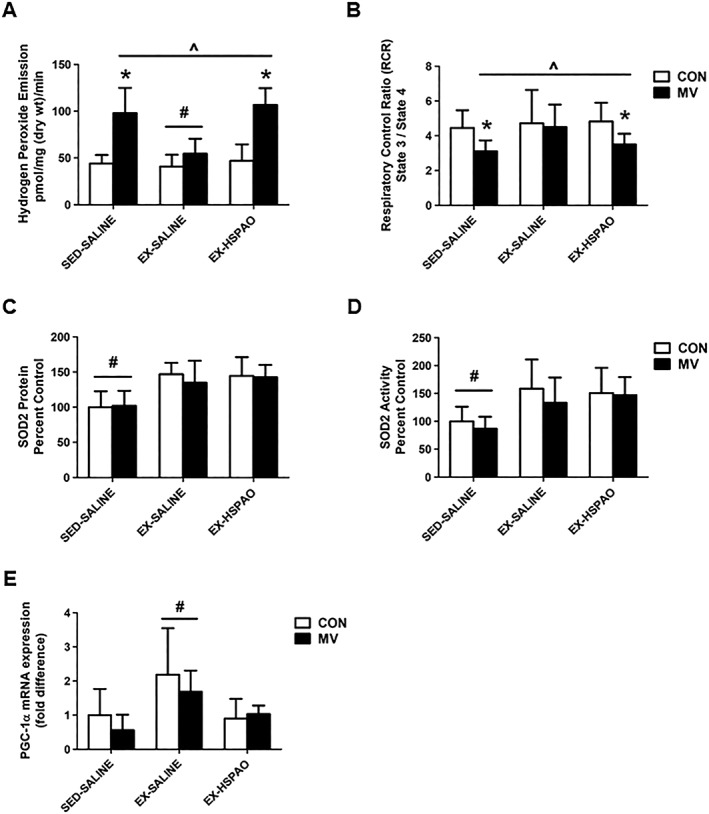
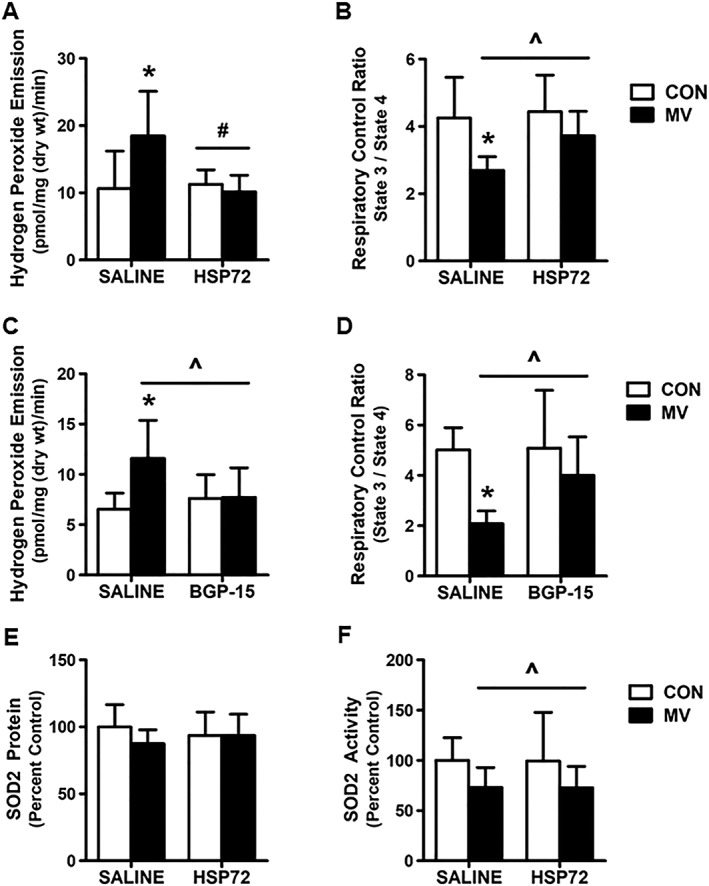
HSP72 overexpression in the diaphragm is an effective intervention to prevent MV-induced oxidative stress and the transcriptional activity of NF-κB and FoxO. Therefore, overexpression of HSP72 in the diaphragm is a potential therapeutic target to protect against VIDD.
机械通气(MV)是呼吸衰竭患者的救命措施。然而,长时间的 MV 会导致膈肌明显萎缩和收缩功能障碍,这种情况被称为呼吸机诱导的膈肌功能障碍(VIDD)。虽然目前还没有临床批准的对策来预防 VIDD,但已经证明热休克蛋白 72(HSP72)的表达增加可以减轻因不活动引起的肌肉消耗。HSP72 通过抑制 NF-κB 和 FoxO 转录活性来发挥细胞保护作用,这有助于 VIDD 的发生。此外,运动预防 VIDD 的特征是膈肌中 HSP72 浓度增加。因此,我们测试了增加 HSP72 表达是预防运动诱导的 VIDD 的假设。我们还确定了在不依赖运动的情况下增加膈肌中 HSP72 的丰度是否足以预防 VIDD。
通过在接受长时间 MV 的运动训练动物的膈肌中给予针对 HSP72 的反义寡核苷酸来抑制耐力运动诱导的 HSP72 增加,从而确定因果关系。进行了额外的实验来确定通过基因(rAAV-HSP72)或药理学(BGP-15)过表达来增加膈肌中的 HSP72 是否足以预防 VIDD。
我们的结果表明,HSP72 蛋白丰度的运动诱导增加是运动对 VIDD 的保护作用所必需的。此外,rAAV-HSP72 和 BGP-15 诱导的 HSP72 过表达都足以预防 VIDD。此外,膈肌中 HSP72 的修饰与 NF-κB 和 FoxO 靶基因的表达呈反比。
膈肌中 HSP72 的过表达是预防 MV 诱导的氧化应激和 NF-κB 和 FoxO 转录活性的有效干预措施。因此,膈肌中 HSP72 的过表达是预防 VIDD 的潜在治疗靶点。