Department of Critical Care Medicine, Heping Hospital Affiliated to Changzhi Medical College, 110 South Yan'an Road, Luzhou District, Changzhi, 046012, China.
Department of Biomedical Engineering, Changzhi Medical College, Changzhi, 046012, China.
Skelet Muscle. 2022 Sep 9;12(1):21. doi: 10.1186/s13395-022-00304-w.
In intensive care units (ICU), mechanical ventilation (MV) is commonly applied to save patients' lives. However, ventilator-induced diaphragm dysfunction (VIDD) can complicate treatment by hindering weaning in critically ill patients and worsening outcomes. The goal of this study was to identify potential genes involved in the endogenous protective mechanism against VIDD.
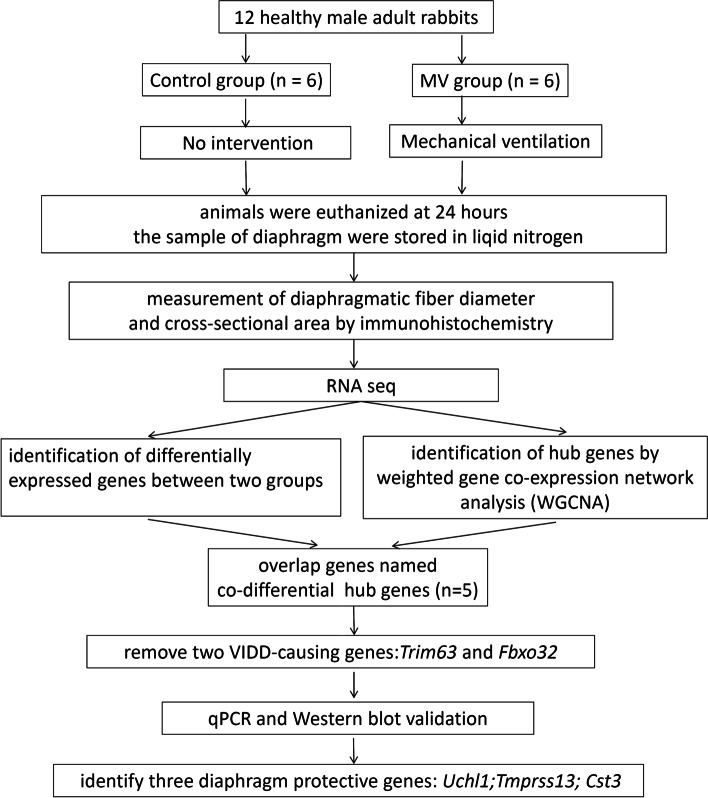
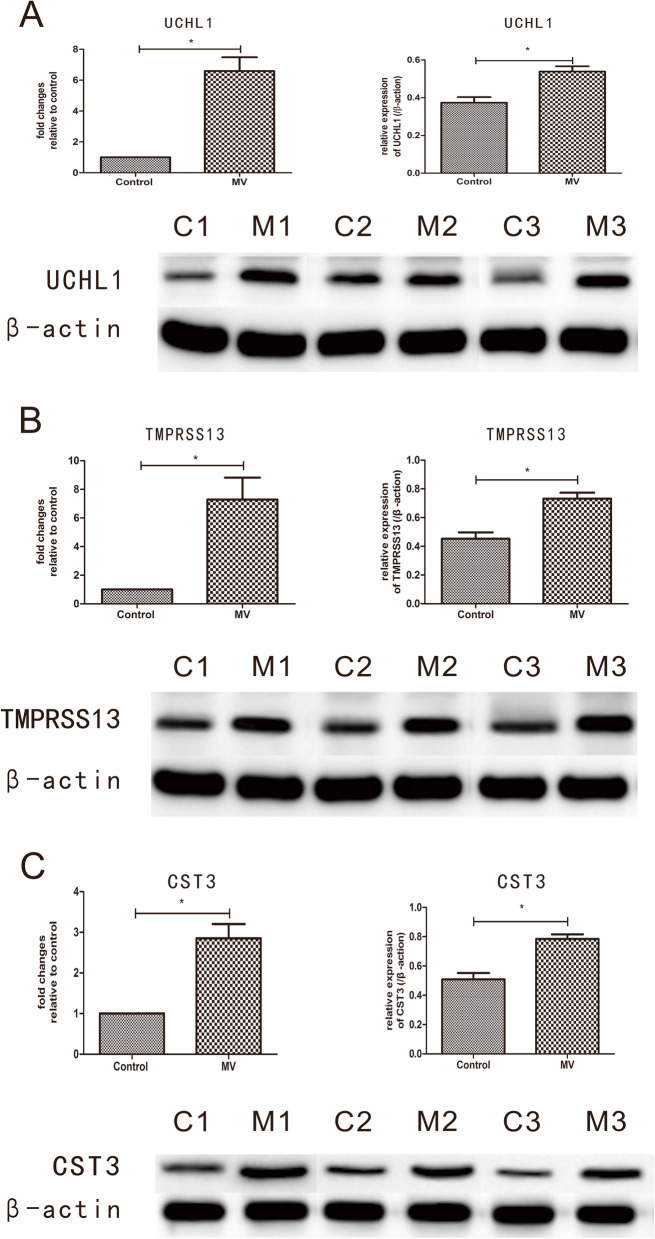
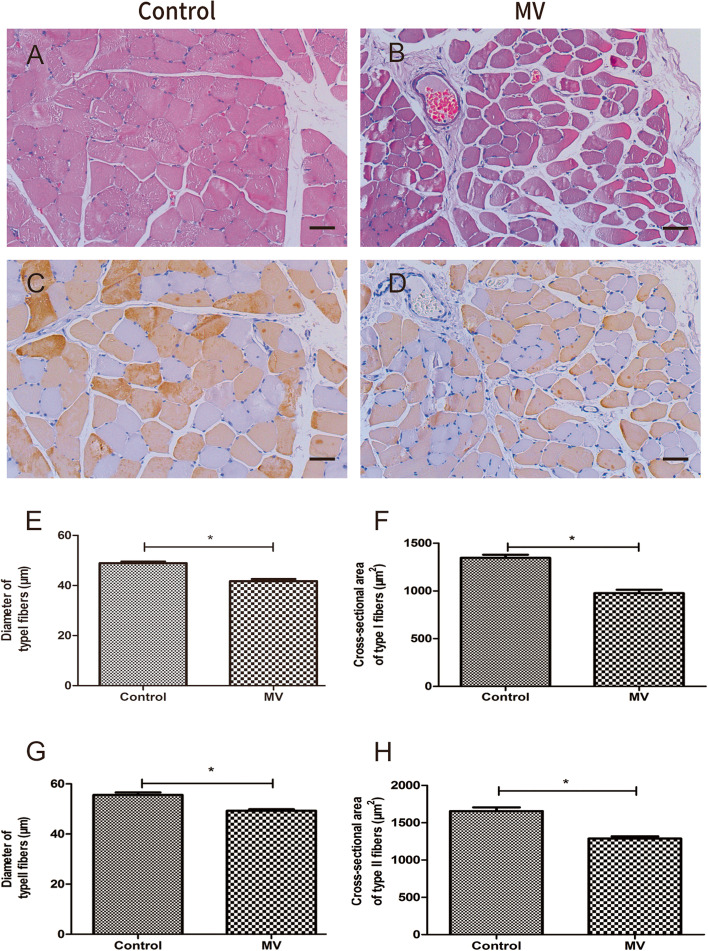
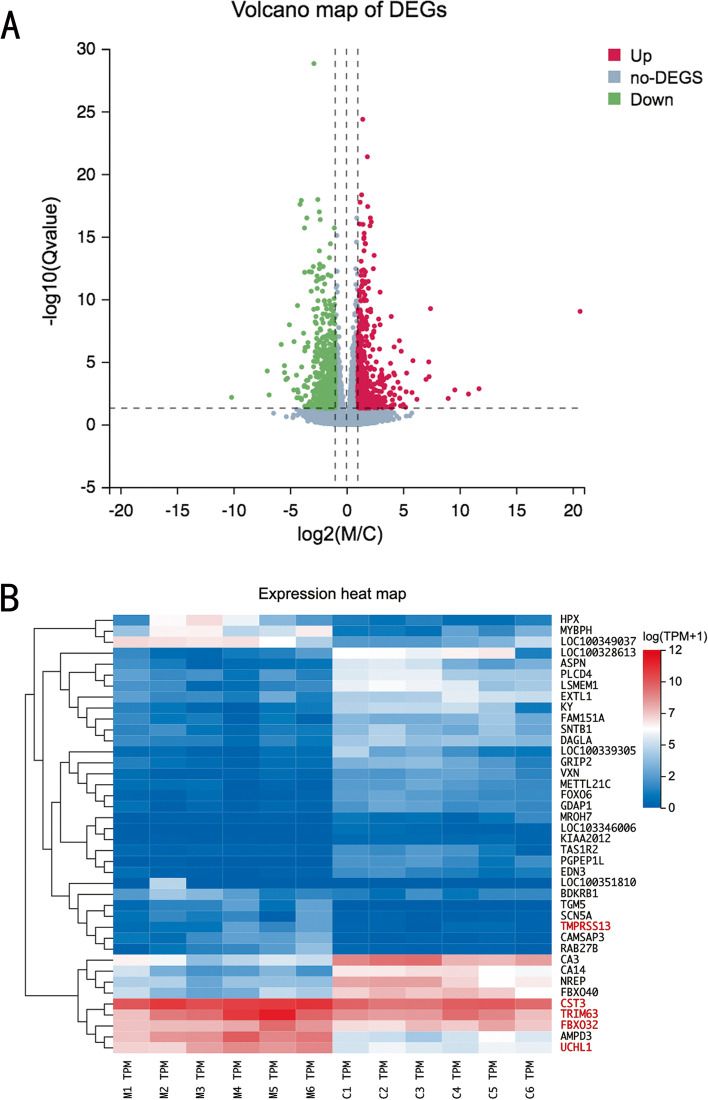
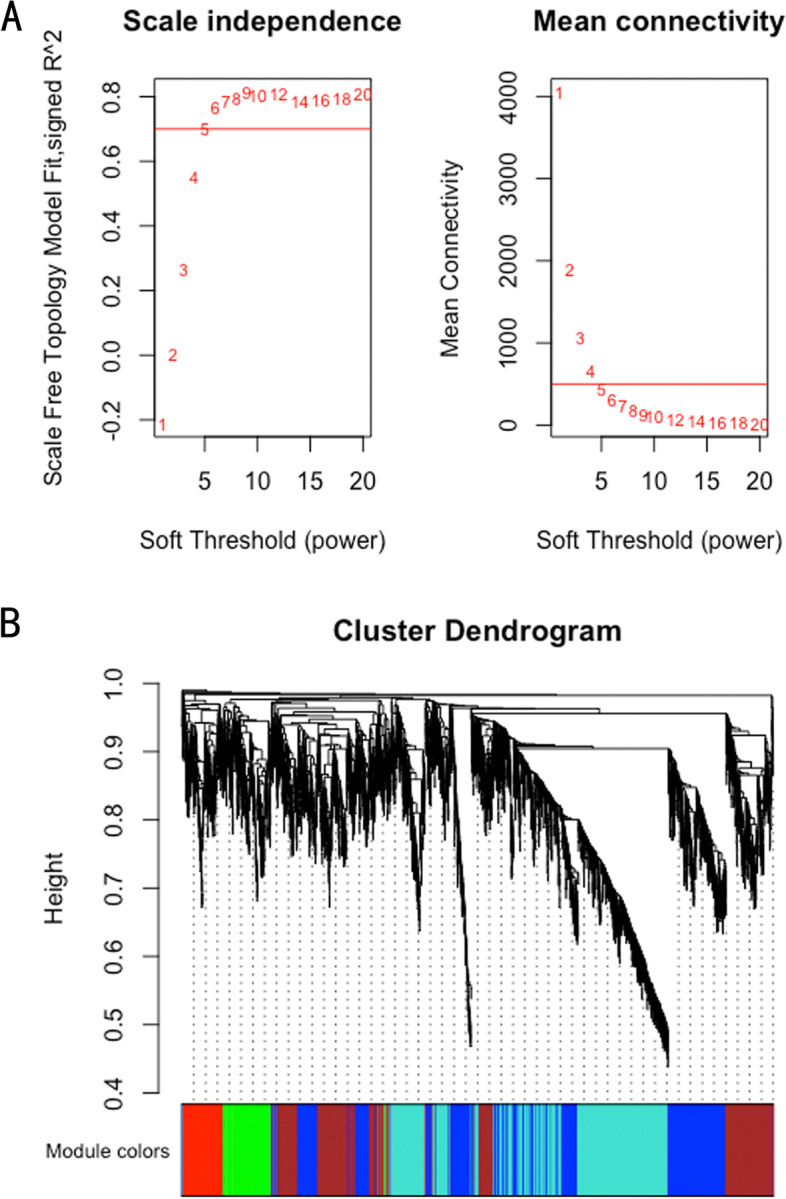
Twelve adult male rabbits were assigned to either an MV group or a control group under the same anesthetic conditions. Immunostaining and quantitative morphometry were used to assess diaphragm atrophy, while RNA-seq was used to investigate molecular differences between the groups. Additionally, core module and hub genes were analyzed using WGCNA, and co-differentially expressed hub genes were subsequently discovered by overlapping the differentially expressed genes (DEGs) with the hub genes from WGCNA. The identified genes were validated by western blotting (WB) and quantitative real-time polymerase chain reaction (qRT-PCR).
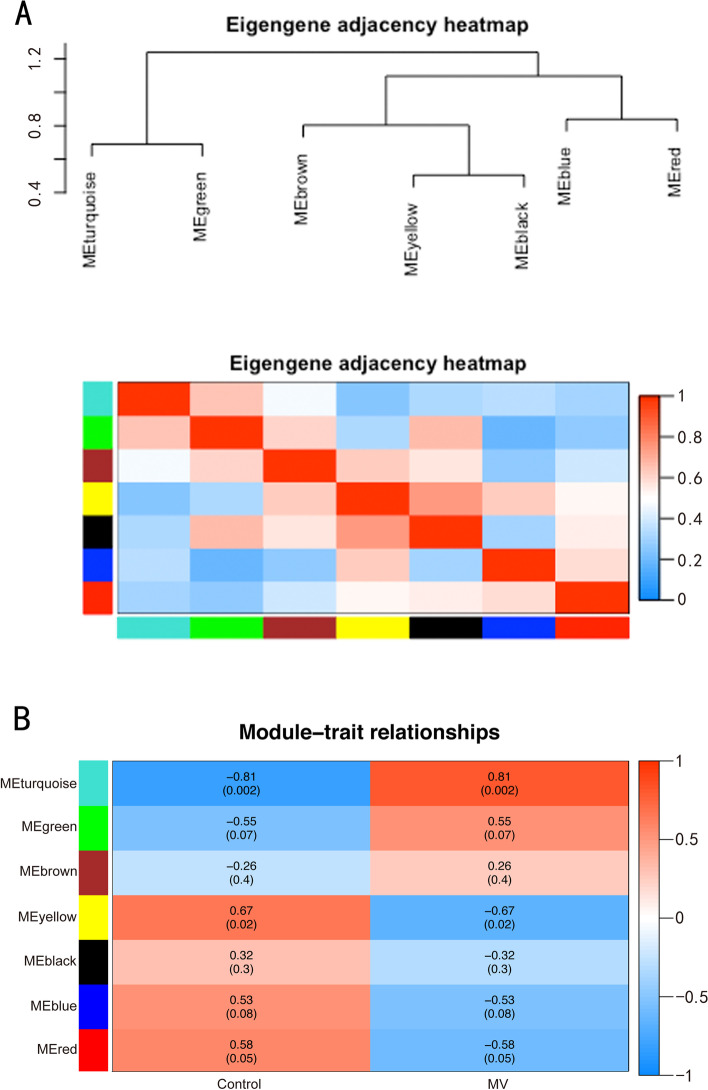
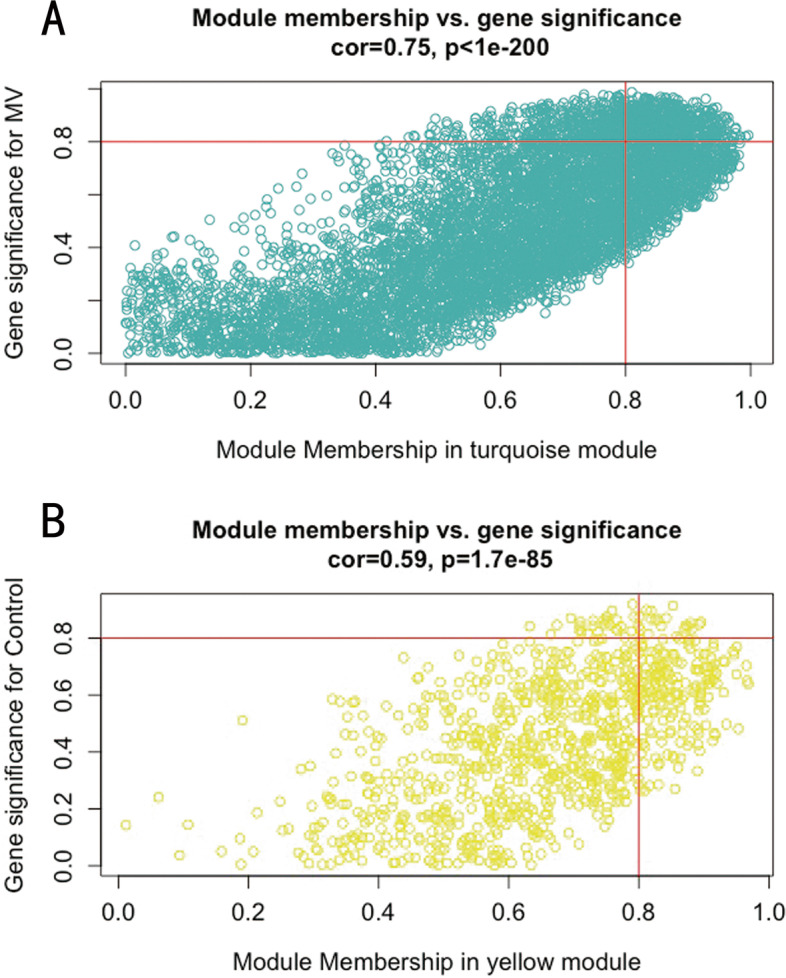
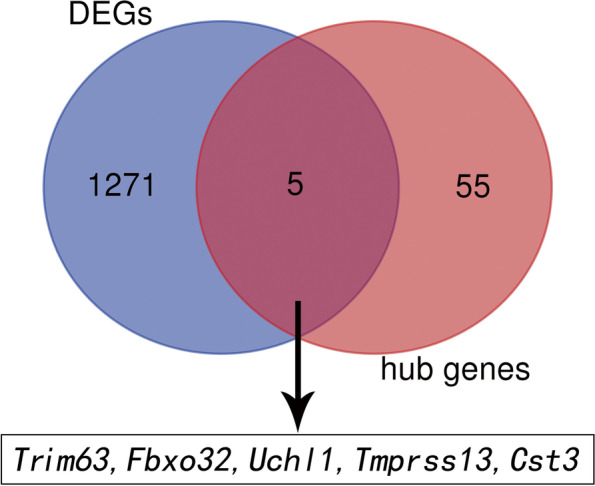
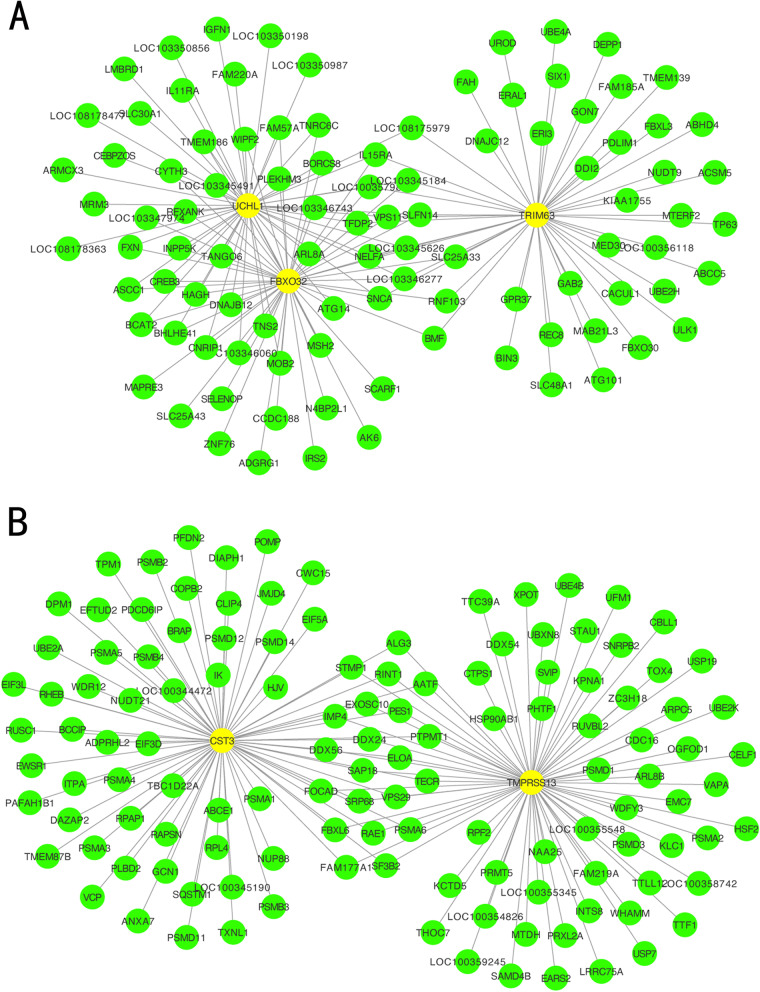
After a VIDD model was successfully built, 1276 DEGs were found between the MV and control groups. The turquoise and yellow modules were identified as the core modules, and Trim63, Fbxo32, Uchl1, Tmprss13, and Cst3 were identified as the five co-differentially expressed hub genes. After the two atrophy-related genes (Trim63 and Fbxo32) were excluded, the levels of the remaining three genes/proteins (Uchl1/UCHL1, Tmprss13/TMPRSS13, and Cst3/CST3) were found to be significantly elevated in the MV group (P < 0.05), suggesting the existence of a potential antiproteasomal, antiapoptotic, and antiautophagic mechanism against diaphragm dysfunction.
The current research helps to reveal a potentially important endogenous protective mechanism that could serve as a novel therapeutic target against VIDD.
在重症监护病房(ICU)中,机械通气(MV)常用于拯救患者生命。然而,呼吸机引起的膈肌功能障碍(VIDD)会使危重病患者的脱机复杂化,并导致预后恶化。本研究旨在确定与 VIDD 内源性保护机制相关的潜在基因。
12 只成年雄性兔在相同的麻醉条件下分为 MV 组和对照组。免疫染色和定量形态计量学用于评估膈肌萎缩,而 RNA-seq 用于研究两组之间的分子差异。此外,使用 WGCNA 分析核心模块和枢纽基因,并通过将差异表达基因(DEGs)与 WGCNA 中的枢纽基因重叠来发现共同差异表达的枢纽基因。通过蛋白质印迹(WB)和定量实时聚合酶链反应(qRT-PCR)验证鉴定的基因。
成功建立 VIDD 模型后,MV 组和对照组之间发现 1276 个 DEGs。鉴定出绿松石和黄色模块为核心模块,Trim63、Fbxo32、Uchl1、Tmprss13 和 Cst3 为五个共同差异表达的枢纽基因。排除两个萎缩相关基因(Trim63 和 Fbxo32)后,MV 组中其余三个基因/蛋白(Uchl1/UCHL1、Tmprss13/TMPRSS13 和 Cst3/CST3)的水平明显升高(P<0.05),提示存在一种潜在的抗蛋白酶体、抗凋亡和抗自噬机制对抗膈肌功能障碍。
本研究有助于揭示一种潜在的重要内源性保护机制,可为治疗 VIDD 提供新的治疗靶点。