Paiva Diana, Gonçalves Carolina, Vale Isabel, Bastos Margarida M S M, Magalhães Fernão D
LEPABE⁻Faculdade de Engenharia, Universidade do Porto, Rua Dr. Roberto Frias, 4200-465 Porto, Portugal.
Polymers (Basel). 2016 Jul 14;8(7):259. doi: 10.3390/polym8070259.
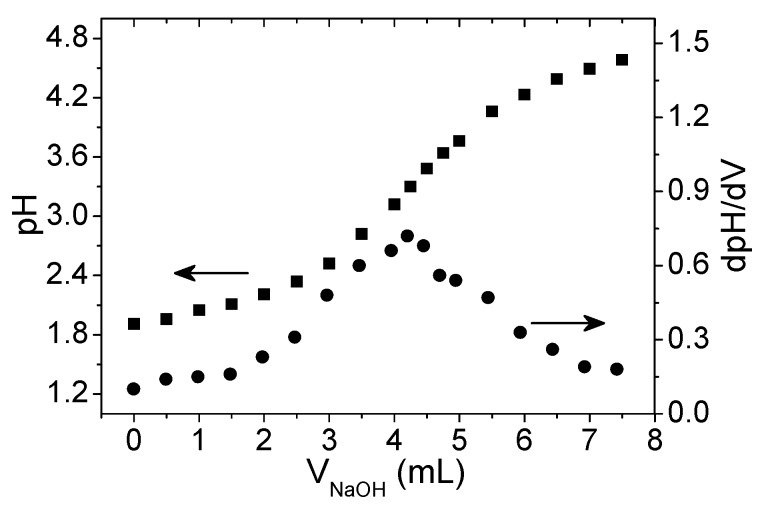
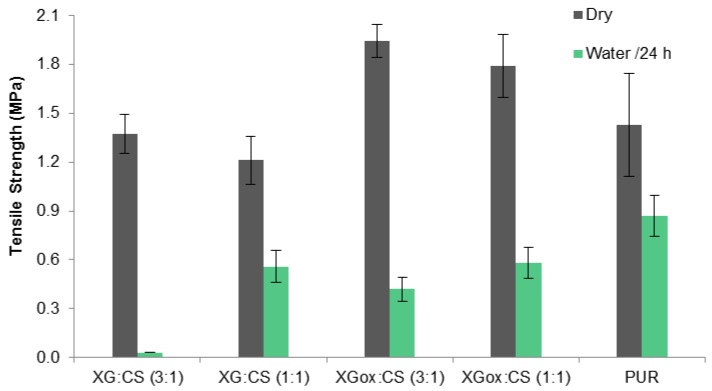
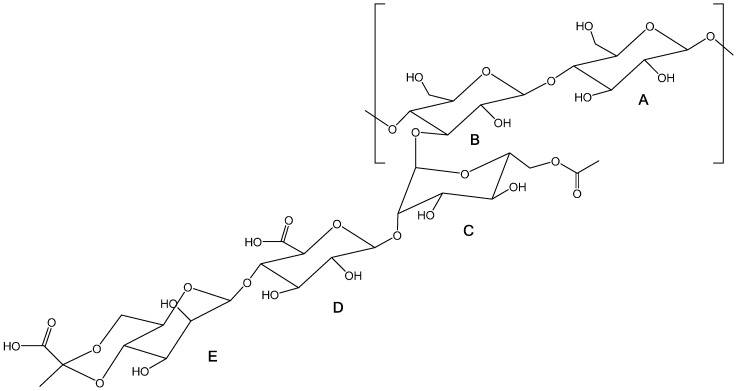
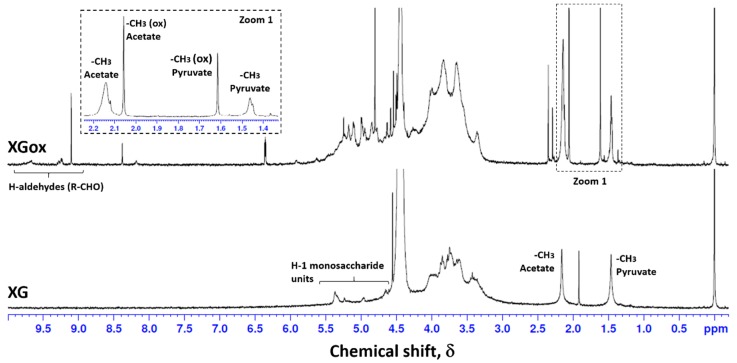
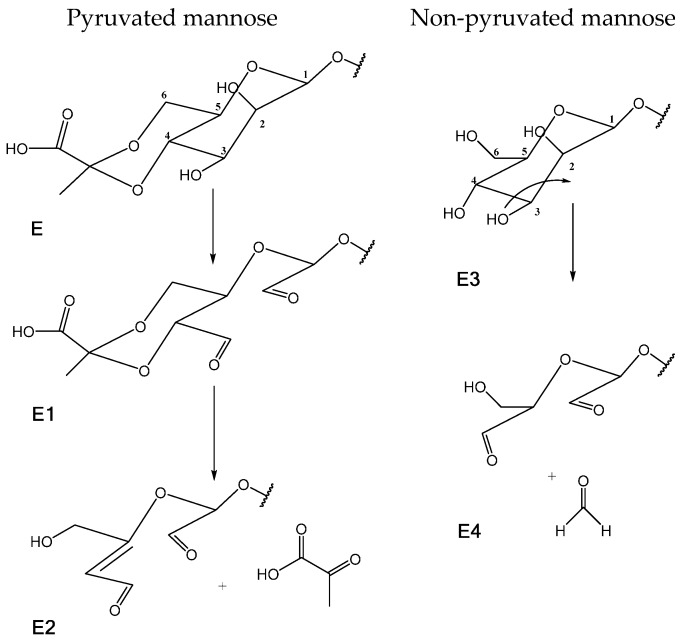
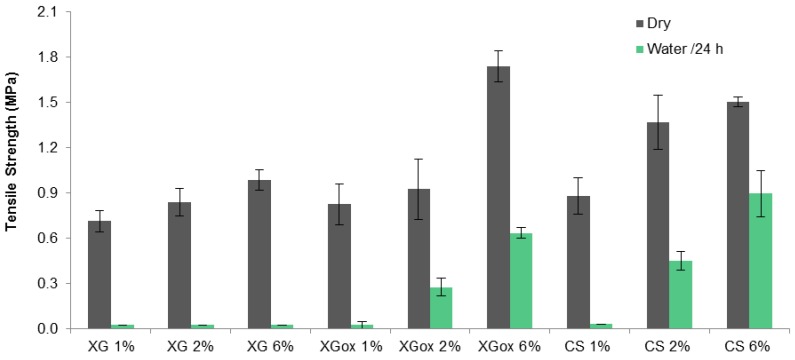
Natural cork stopper manufacturing produces a significant amount of cork waste, which is granulated and combined with synthetic glues for use in a wide range of applications. There is a high demand for using biosourced polymers in these composite materials. In this study, xanthan gum (XG) and chitosan (CS) were investigated as possible natural binders for cork. Xanthan gum was oxidized at two different aldehyde contents as a strategy to improve its water resistance. This modification was studied in detail by ¹H and C nuclear magnetic resonance (NMR), and the degree of oxidation was determined by the hydroxylamine hydrochloride titration method. The performance of the adhesives was studied by tensile tests and total soluble matter (TSM) determinations. Xanthan gum showed no water resistance, contrary to oxidized xanthan gum and chitosan. It is hypothesized that the good performance of oxidized xanthan gum is due to the reaction of aldehyde groups-formed in the oxidation process-with hydroxyl groups on the cork surface during the high temperature drying. Combining oxidized xanthan gum with chitosan did not yield significant improvements.
天然软木塞制造过程会产生大量软木废料,这些废料被制成颗粒,并与合成胶水混合,用于广泛的应用领域。在这些复合材料中,对使用生物源聚合物有很高的需求。在本研究中,研究了黄原胶(XG)和壳聚糖(CS)作为软木可能的天然粘合剂。黄原胶在两种不同的醛含量下被氧化,作为提高其耐水性的一种策略。通过¹H和C核磁共振(NMR)对这种改性进行了详细研究,并通过盐酸羟胺滴定法测定了氧化程度。通过拉伸试验和总可溶物(TSM)测定研究了粘合剂的性能。与氧化黄原胶和壳聚糖相反,黄原胶没有耐水性。据推测,氧化黄原胶的良好性能是由于氧化过程中形成的醛基在高温干燥过程中与软木表面的羟基发生了反应。将氧化黄原胶与壳聚糖结合并没有产生显著的改善。