Sovic Michael, Fries Anthony, Martin Scott A, Lisle Gibbs H
Department of Evolution, Ecology and Organismal Biology and Ohio Biodiversity Conservation Partnership The Ohio State University Columbus Ohio.
Present address: College of Pharmacy The Ohio State University Columbus Ohio.
Evol Appl. 2019 Jan 28;12(4):664-678. doi: 10.1111/eva.12731. eCollection 2019 Apr.
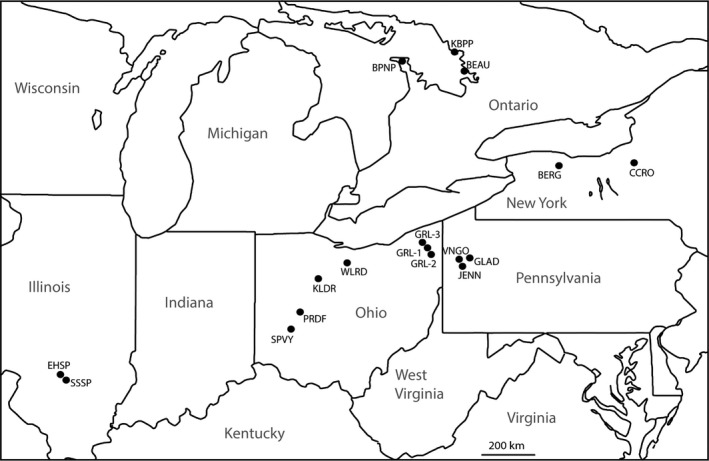
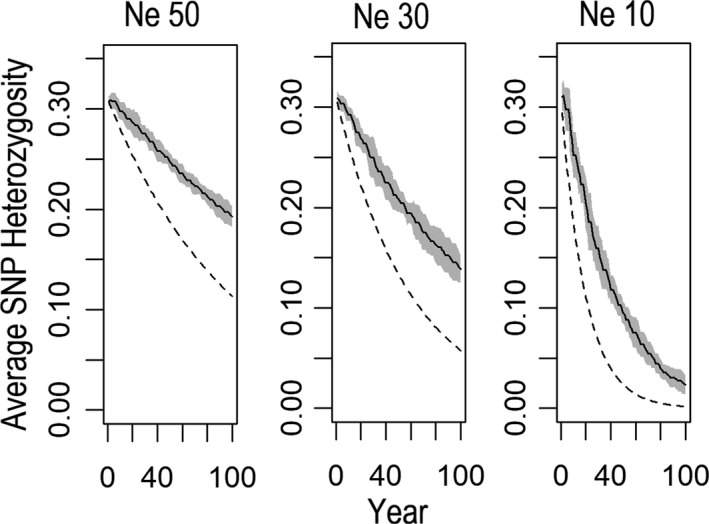
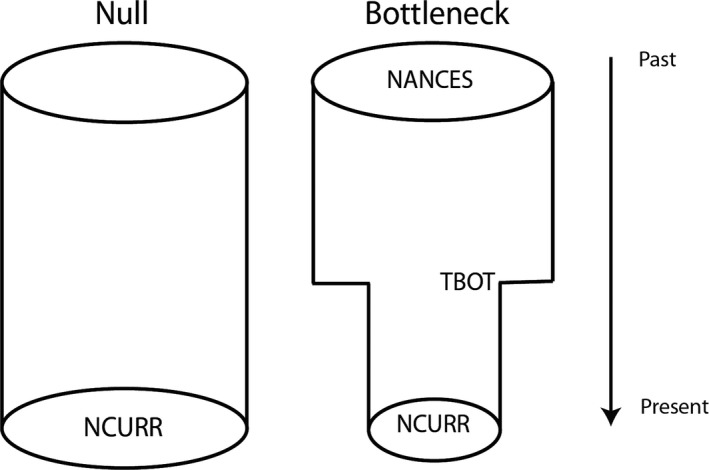
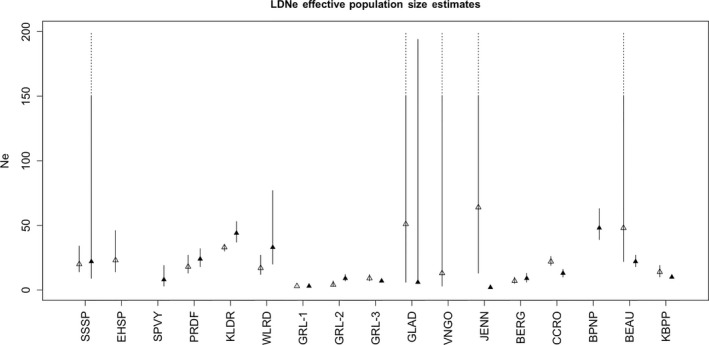
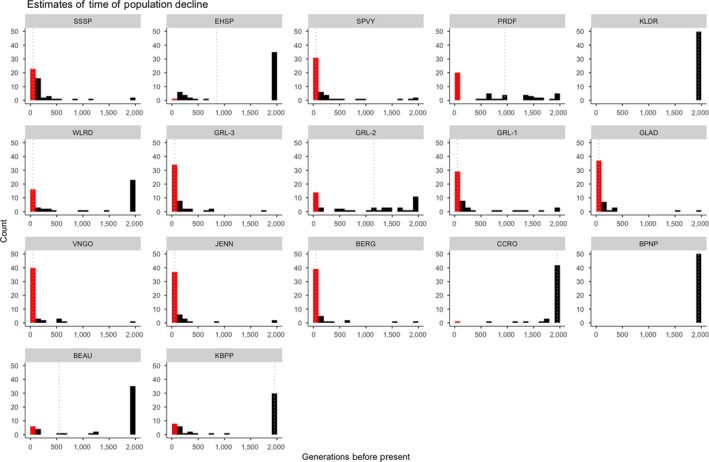
Endangered species that exist in small isolated populations are at elevated risk of losing adaptive variation due to genetic drift. Analyses that estimate short-term effective population sizes, characterize historical demographic processes, and project the trajectory of genetic variation into the future are useful for predicting how levels of genetic diversity may change. Here, we use data from two independent types of genetic markers (single nucleotide polymorphisms [SNPs] and microsatellites) to evaluate genetic diversity in 17 populations spanning the geographic range of the endangered eastern massasauga rattlesnake (). First, we use SNP data to confirm previous reports that these populations exhibit high levels of genetic structure (overall Fst = 0.25). Second, we show that most populations have contemporary Ne estimates <50. Heterozygosity-fitness correlations in these populations provided no evidence for a genetic cost to living in small populations, though these tests may lack power. Third, model-based demographic analyses of individual populations indicate that all have experienced declines, with the onset of many of these declines occurring over timescales consistent with anthropogenic impacts (<200 years). Finally, forward simulations of the expected loss of variation in relatively large (Ne = 50) and small (Ne = 10) populations indicate they will lose a substantial amount of their current standing neutral variation (63% and 99%, respectively) over the next 100 years. Our results argue that drift has a significant and increasing impact on levels of genetic variation in isolated populations of this snake, and efforts to assess and mitigate associated impacts on adaptive variation should be components of the management of this endangered reptile.
由于遗传漂变,以小而孤立的种群形式存在的濒危物种失去适应性变异的风险更高。估计短期有效种群大小、刻画历史种群动态过程以及预测未来遗传变异轨迹的分析,对于预测遗传多样性水平如何变化很有用。在这里,我们使用来自两种独立类型遗传标记(单核苷酸多态性 [SNP] 和微卫星)的数据,来评估分布于濒危东部马萨索加响尾蛇地理范围内的17个种群的遗传多样性。首先,我们使用SNP数据证实了之前的报告,即这些种群表现出高水平的遗传结构(总体Fst = 0.25)。其次,我们表明大多数种群的当代有效种群大小估计值<50。这些种群中的杂合度与适合度的相关性没有提供证据表明生活在小种群中有遗传代价,尽管这些测试可能缺乏效力。第三,对各个种群基于模型的种群动态分析表明,所有种群都经历了数量下降,其中许多下降的开始时间与人为影响一致(<200年)。最后,对相对较大(有效种群大小 = 50)和较小(有效种群大小 = 10)种群预期变异损失的前瞻性模拟表明,在接下来的100年里,它们将分别失去大量当前的中性变异(分别为63%和99%)。我们的结果表明,遗传漂变对这种蛇的孤立种群的遗传变异水平有显著且不断增加的影响,评估和减轻对适应性变异的相关影响的努力应该成为这种濒危爬行动物管理工作的一部分。