Tri-Institutional PhD Program in Chemical Biology, Memorial Sloan Kettering Cancer Center, 1275 York Avenue, New York, NY, 10065, USA.
Pharmacology Graduate Program, Weill Cornell Graduate School of Medical Sciences, Memorial Sloan Kettering Cancer Center, 1275 York Avenue, New York, NY, 10065, USA.
J Antibiot (Tokyo). 2019 Jun;72(6):325-349. doi: 10.1038/s41429-019-0171-2. Epub 2019 Apr 15.
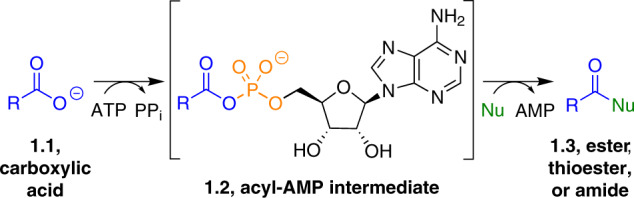
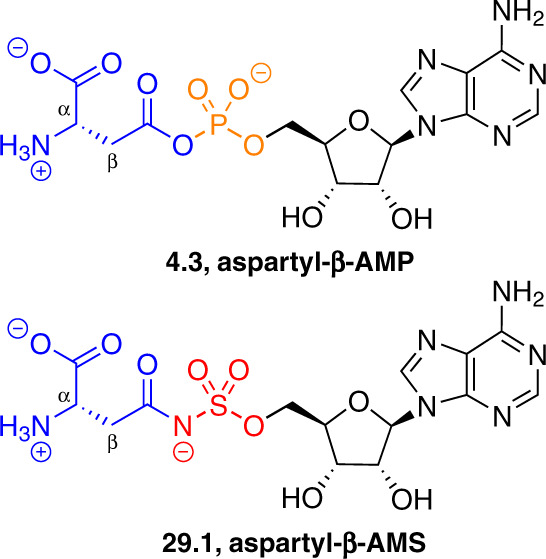
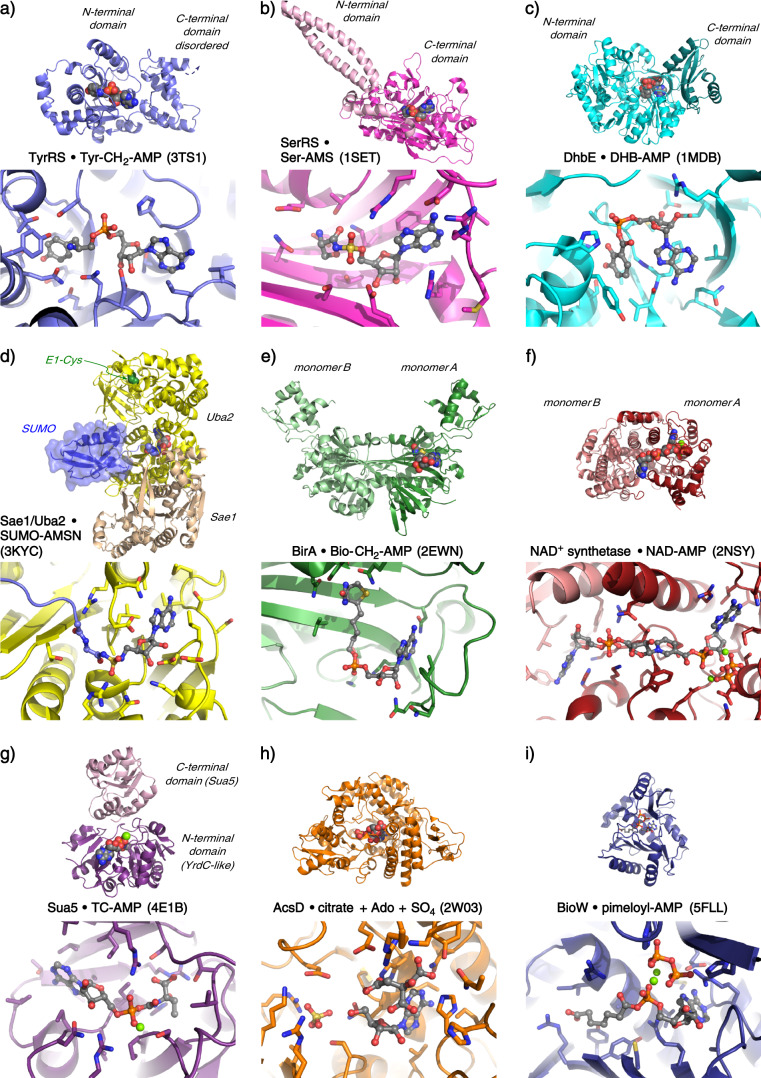
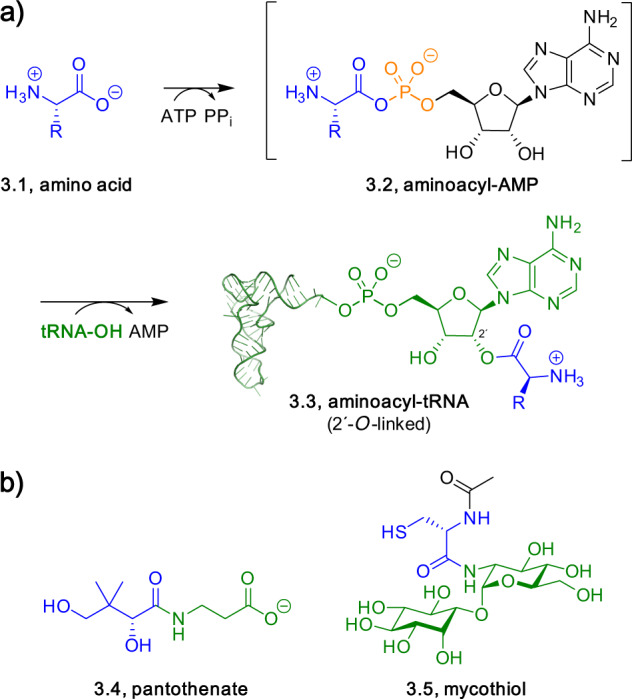
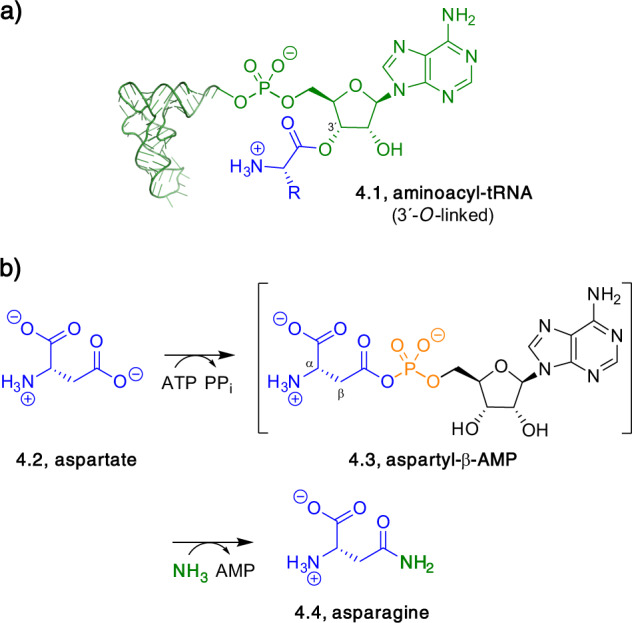
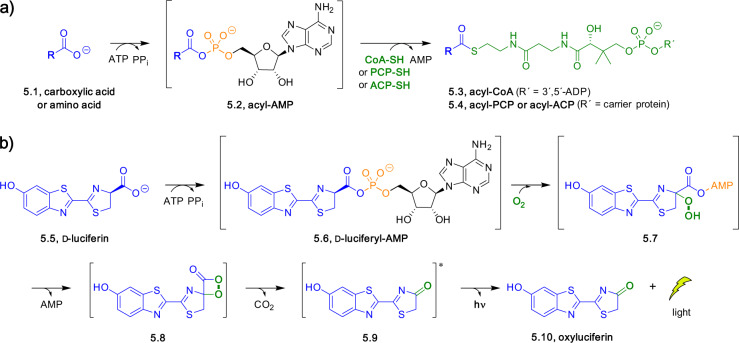
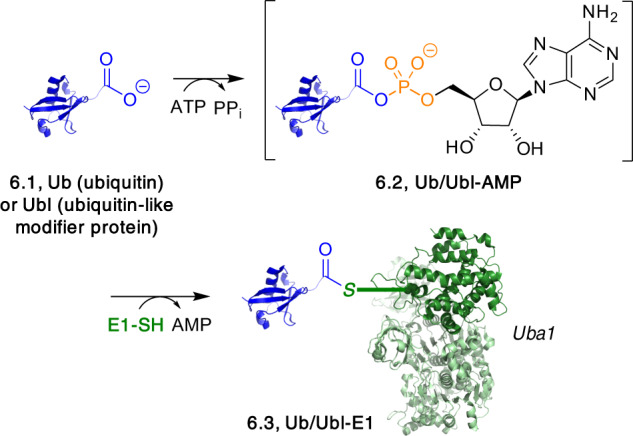
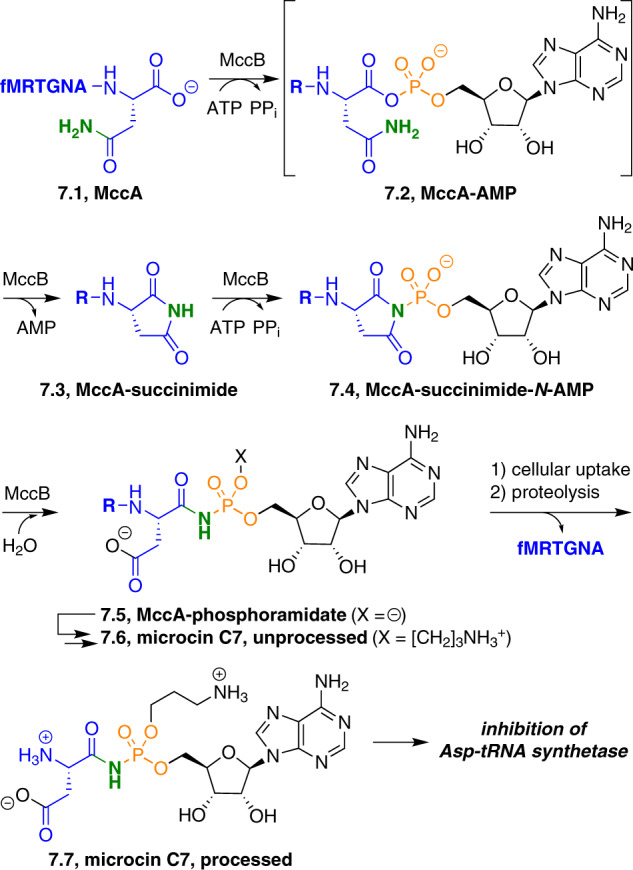
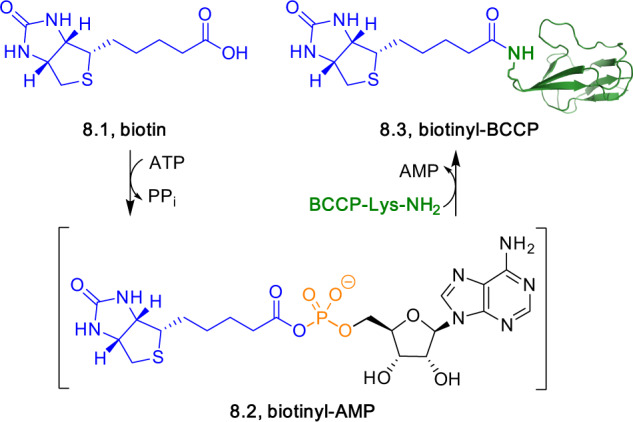
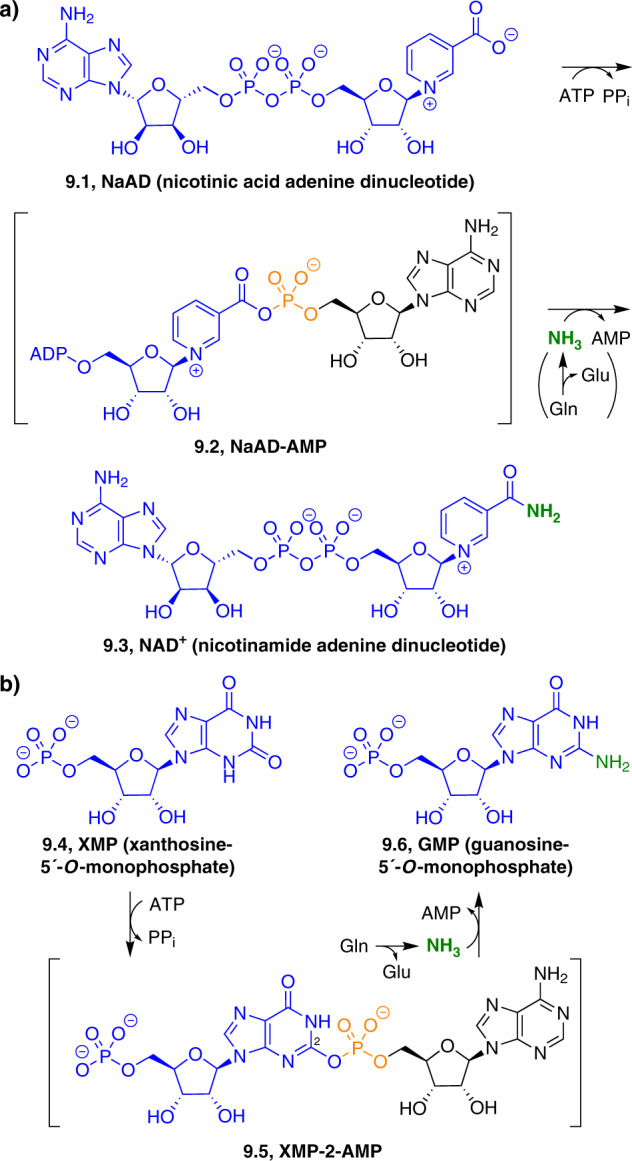
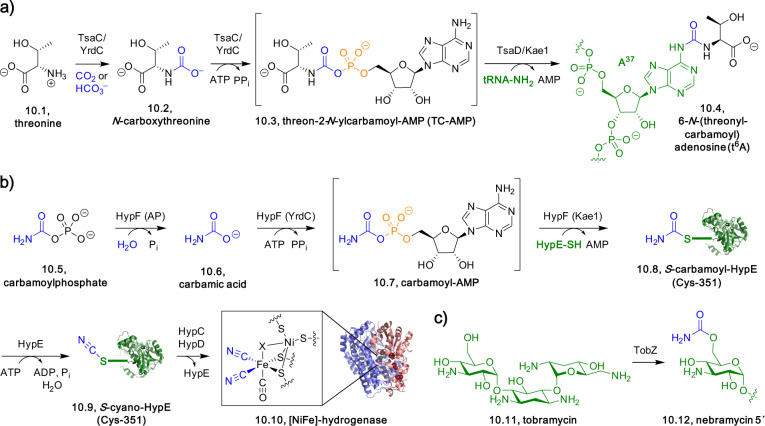
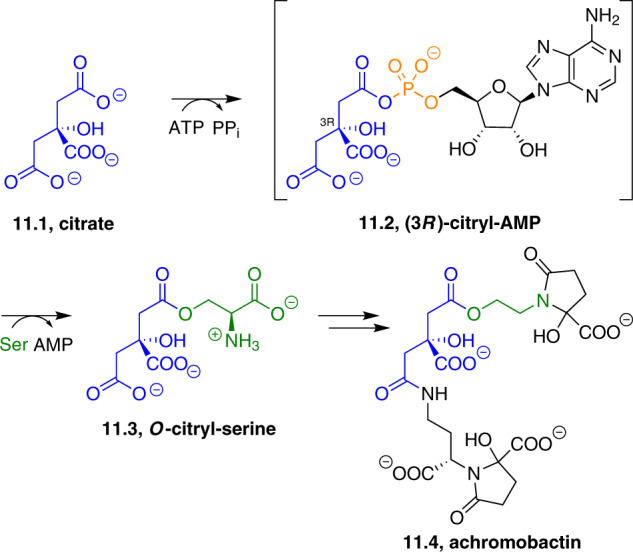
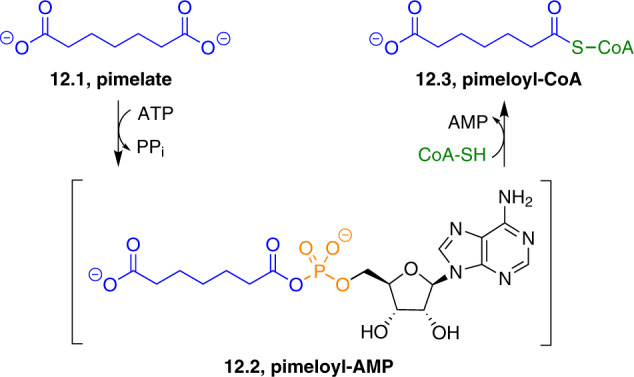
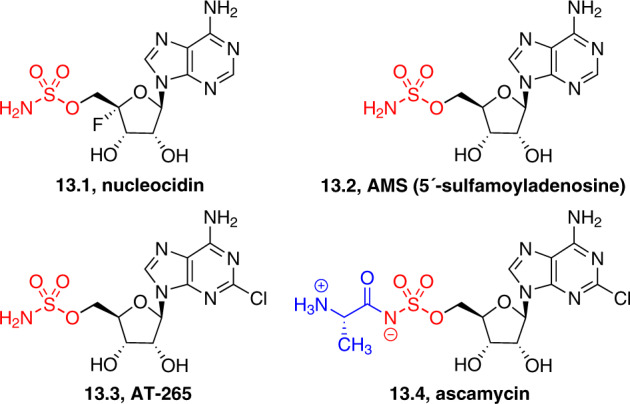
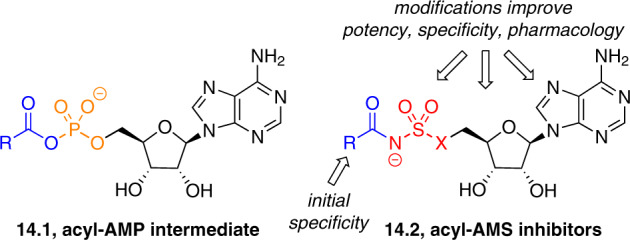
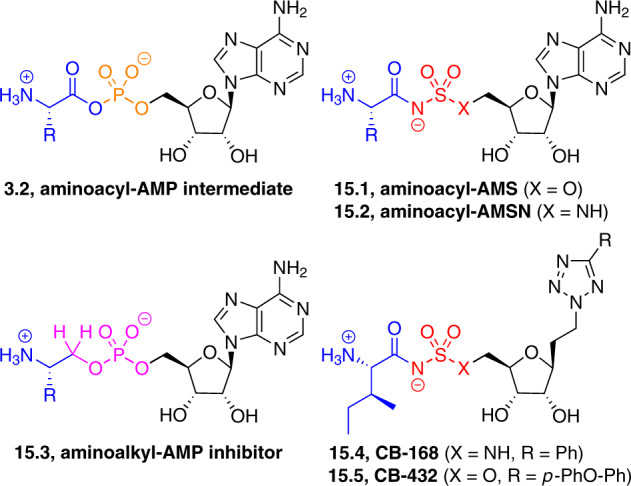
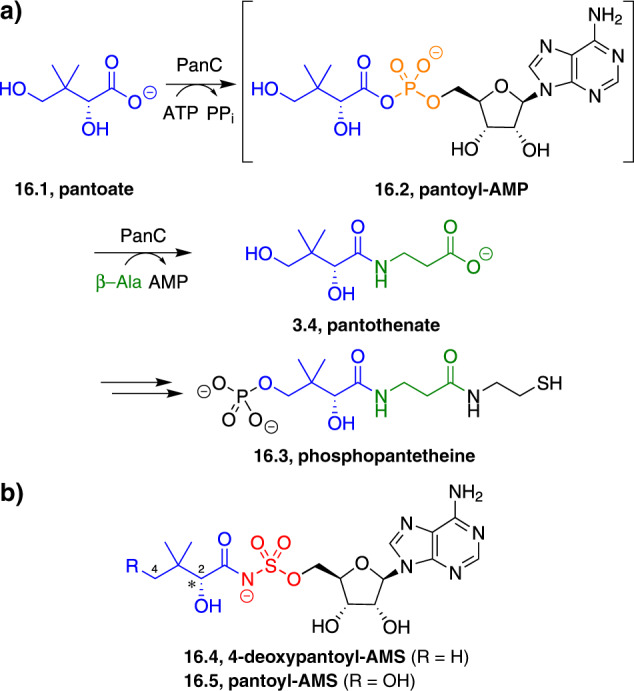
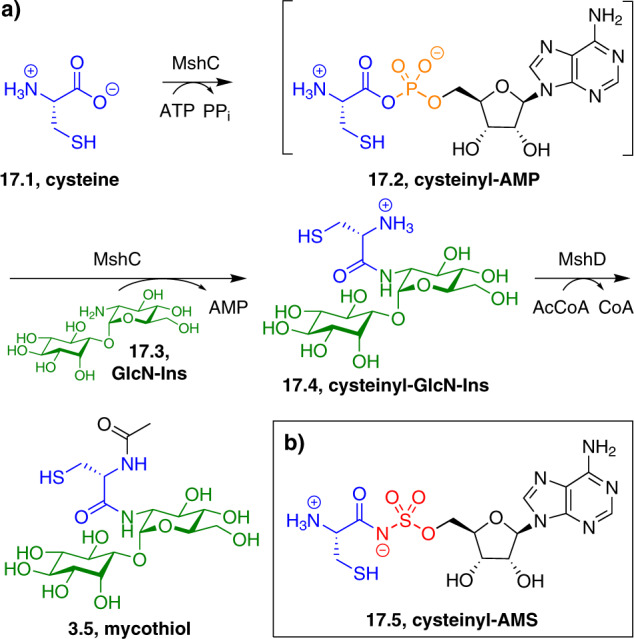
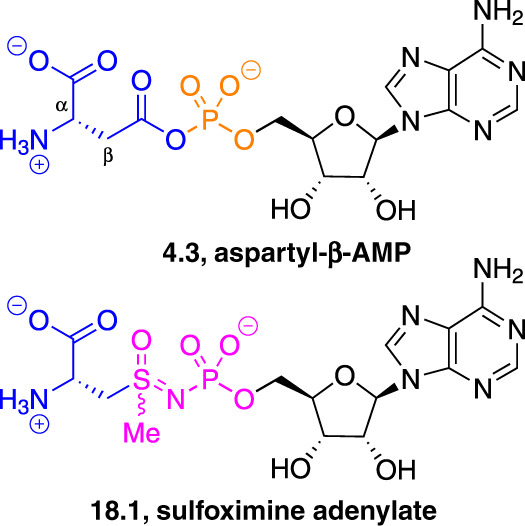
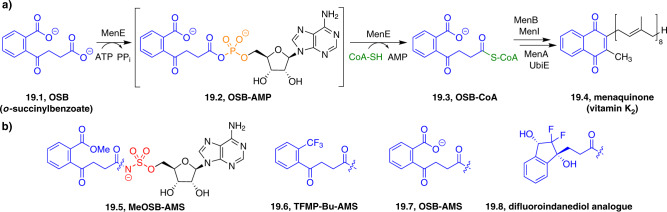
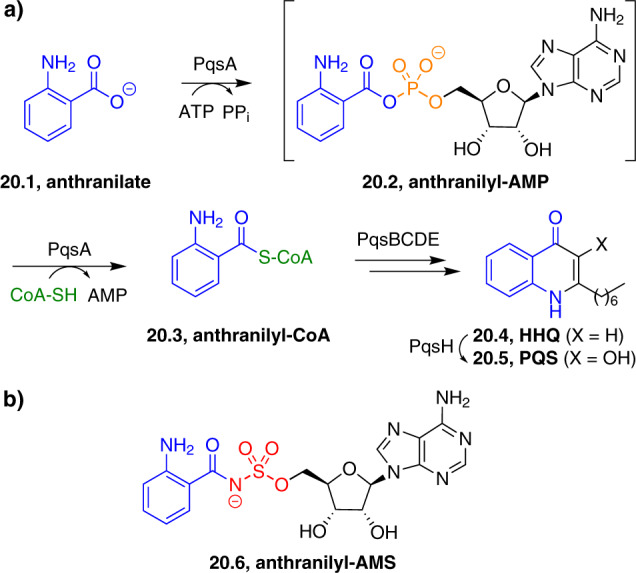
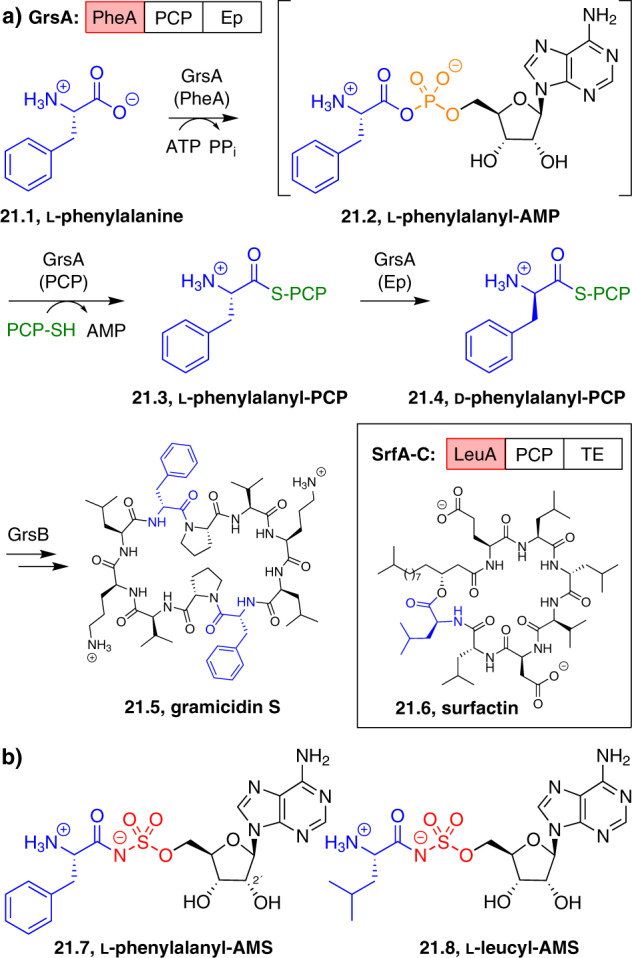
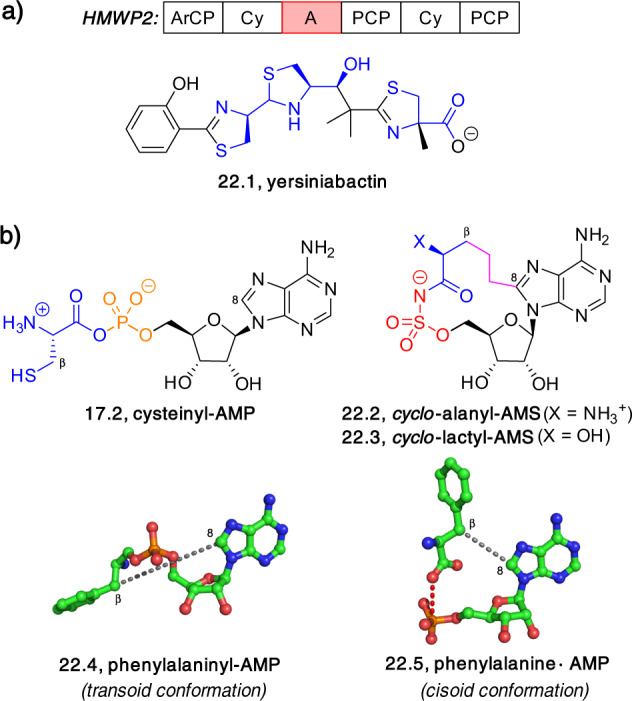
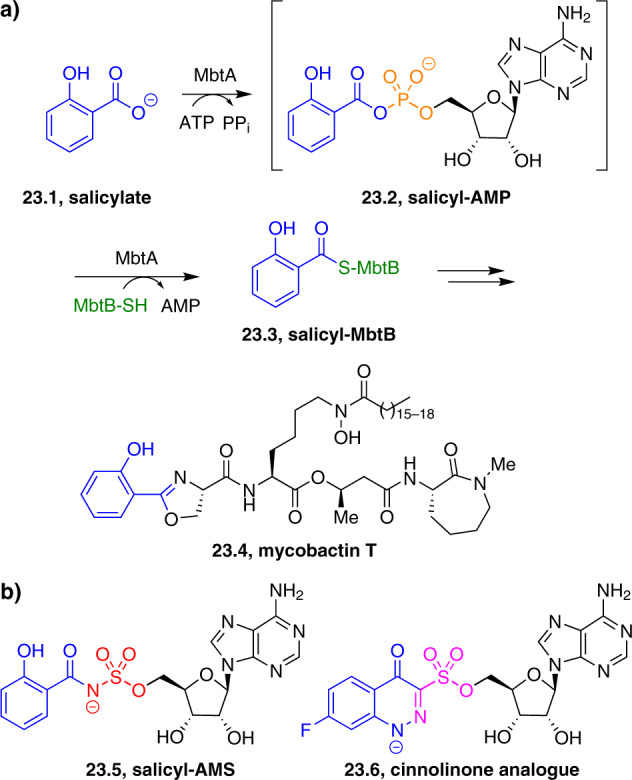
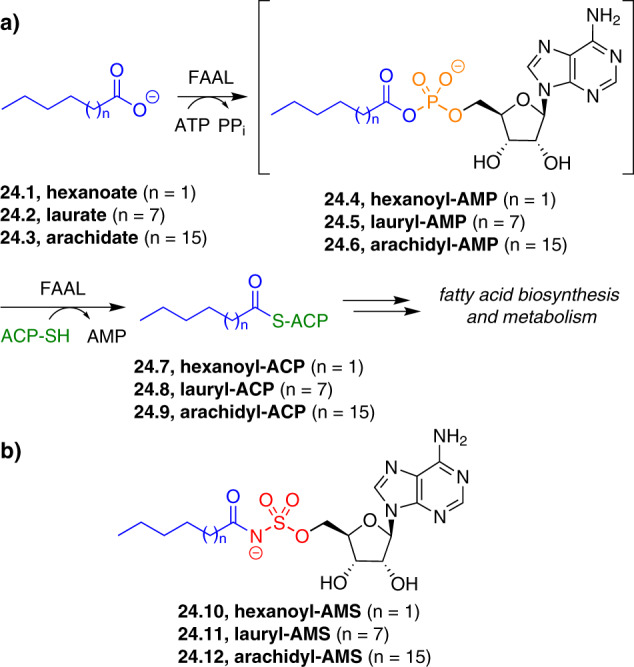
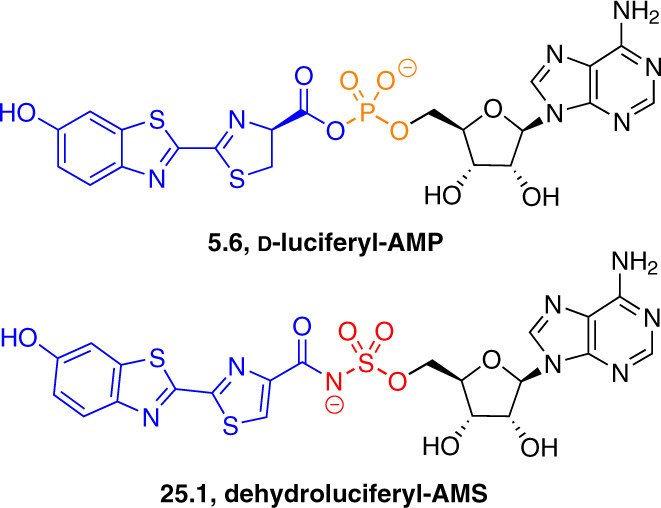
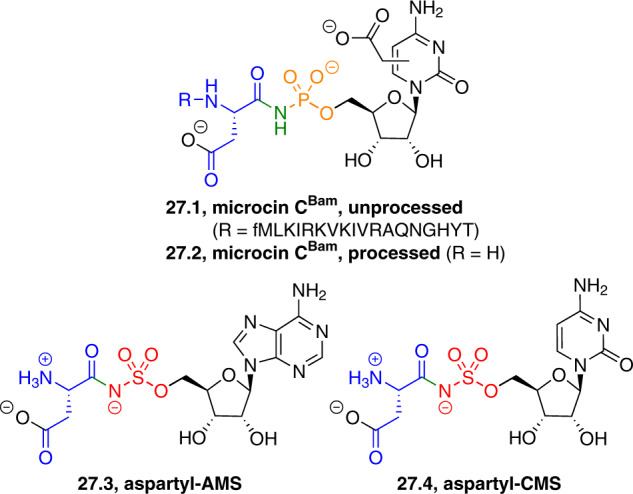
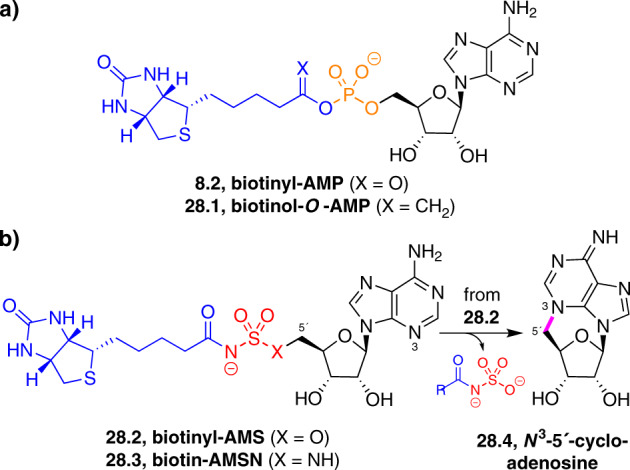
Adenylate-forming enzymes are a mechanistic superfamily that are involved in diverse biochemical pathways. They catalyze ATP-dependent activation of carboxylic acid substrates as reactive acyl adenylate (acyl-AMP) intermediates and subsequent coupling to various nucleophiles to generate ester, thioester, and amide products. Inspired by natural products, acyl sulfonyladenosines (acyl-AMS) that mimic the tightly bound acyl-AMP reaction intermediates have been developed as potent inhibitors of adenylate-forming enzymes. This simple yet powerful inhibitor design platform has provided a wide range of biological probes as well as several therapeutic lead compounds. Herein, we provide an overview of the nine structural classes of adenylate-forming enzymes and examples of acyl-AMS inhibitors that have been developed for each.
腺苷酸形成酶是一个涉及多种生化途径的机制超家族。它们催化 ATP 依赖性羧酸底物的激活,生成反应性酰基腺苷酸(酰基-AMP)中间体,然后与各种亲核试剂偶联,生成酯、硫酯和酰胺产物。受天然产物的启发,模拟紧密结合的酰基-AMP 反应中间体的酰基磺酰腺苷酸(酰基-AMS)已被开发为腺苷酸形成酶的有效抑制剂。这个简单而强大的抑制剂设计平台为广泛的生物探针以及几种治疗先导化合物提供了可能。在此,我们概述了九种结构类型的腺苷酸形成酶,并列举了针对每种酶开发的酰基-AMS 抑制剂的实例。