Sher Affan A, Glover Kathleen K M, Coombs Kevin M
Department of Medical Microbiology and Infectious Diseases, University of Manitoba, Winnipeg, MB, Canada.
Manitoba Centre for Proteomics and Systems Biology, Winnipeg, MB, Canada.
Front Microbiol. 2019 Mar 26;10:596. doi: 10.3389/fmicb.2019.00596. eCollection 2019.
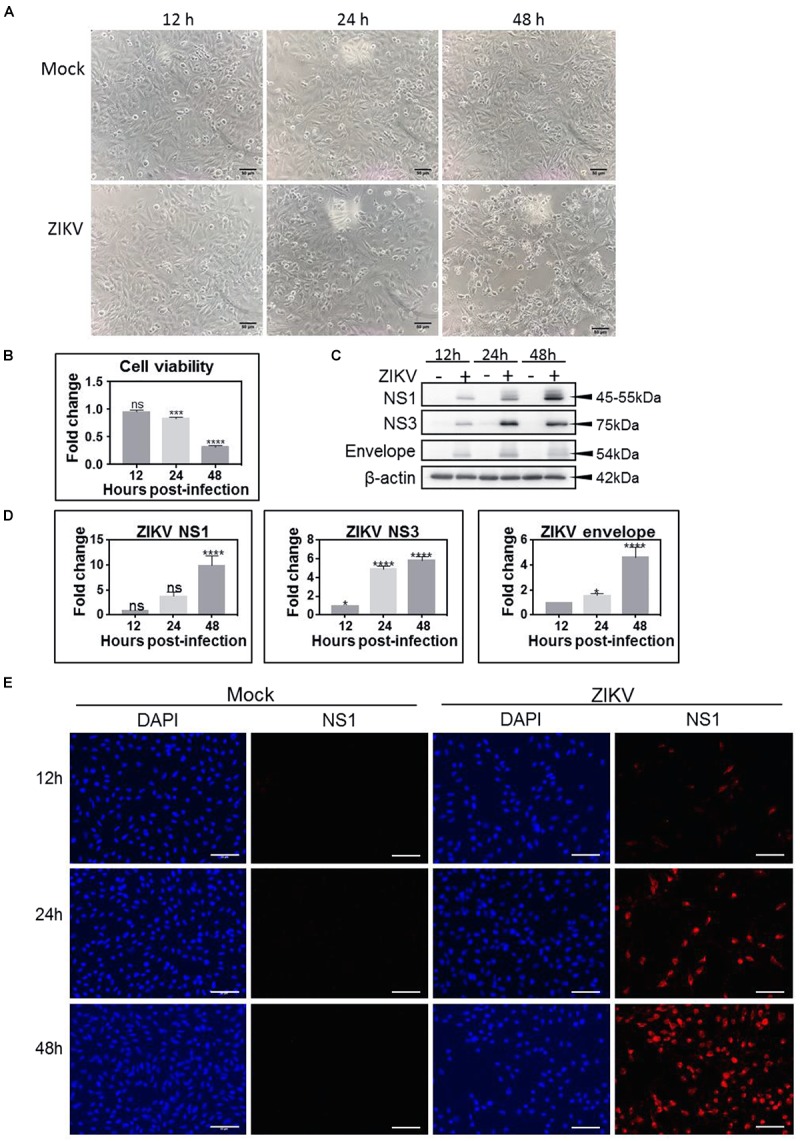
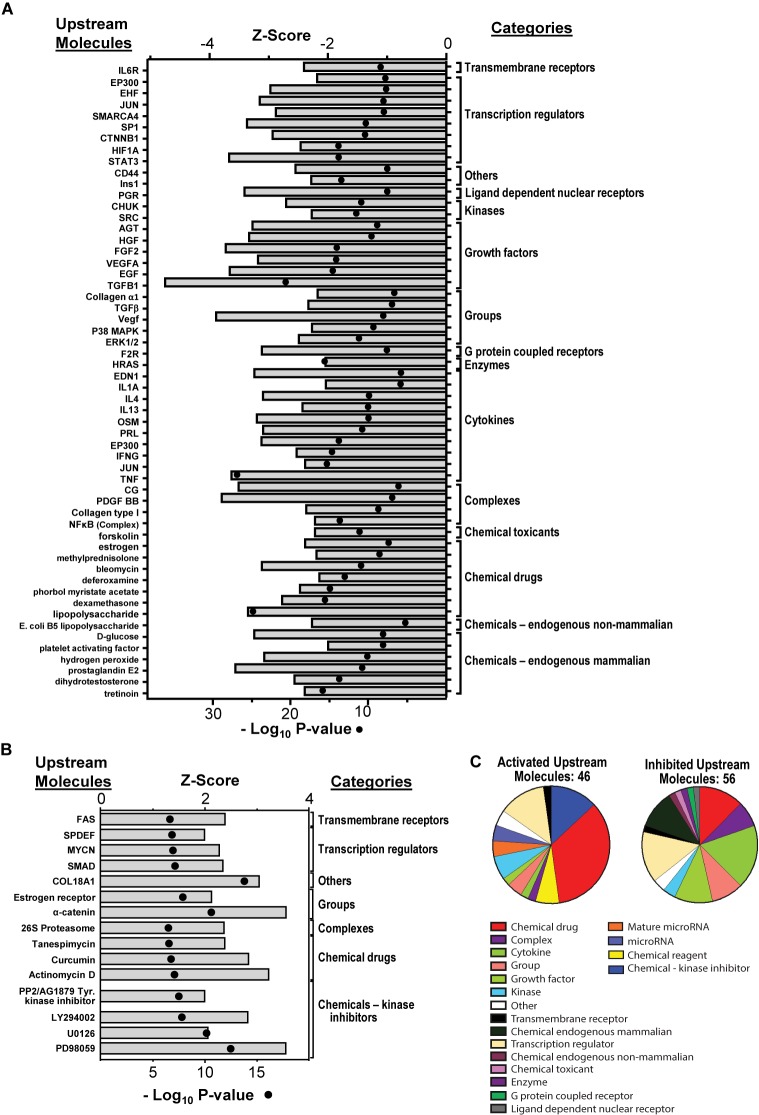
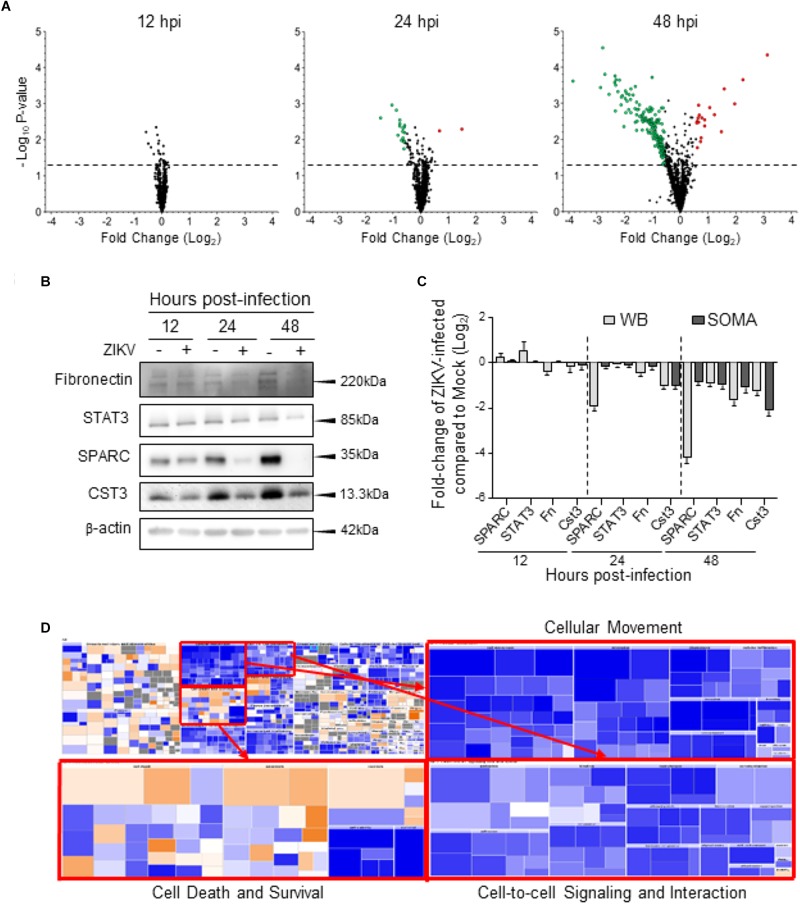
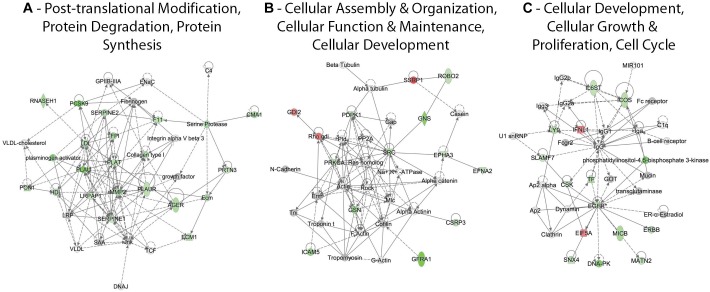
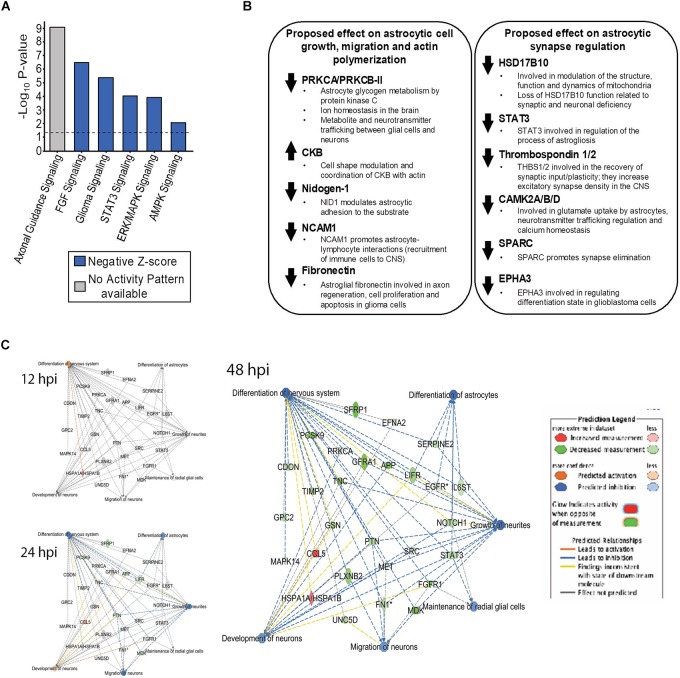
The first human Zika virus (ZIKV) outbreak was reported in Micronesia in 2007, followed by one in Brazil in 2015. Recent studies have reported cases in Europe, Oceania and Latin America. In 2016, ZIKV transmission was also reported in the US and the World Health Organization declared it a Public Health Emergency of International Concern. Because various neurological conditions are associated with ZIKV, such as microcephaly, Guillain-Barré syndrome, and other disorders of both the central and peripheral nervous systems, including encephalopathy, (meningo)encephalitis and myelitis, and because of the lack of reliable patient diagnosis, numerous ongoing studies seek to understand molecular mechanisms underlying ZIKV pathogenesis. Astrocytes are one of the most abundant cells in the CNS. They control axonal guidance, synaptic signaling, neurotransmitter trafficking and maintenance of neurons, and are targeted by ZIKV. In this study, we used a newly developed multiplexed aptamer-based technique (SOMAScan) to examine > 1300 human astrocyte cell proteins. We identified almost 300 astrocyte proteins significantly dysregulated by ZIKV infection that span diverse functions and signaling pathways, including protein translation, synaptic control, cell migration and differentiation.
2007年,密克罗尼西亚首次报告了人类寨卡病毒(ZIKV)疫情,随后2015年巴西也出现了疫情。最近的研究报告了欧洲、大洋洲和拉丁美洲的病例。2016年,美国也报告了寨卡病毒传播情况,世界卫生组织宣布其为国际关注的突发公共卫生事件。由于各种神经系统疾病与寨卡病毒有关,如小头畸形、吉兰-巴雷综合征以及中枢和周围神经系统的其他疾病,包括脑病、(脑膜)脑炎和脊髓炎,并且由于缺乏可靠的患者诊断方法,众多正在进行的研究试图了解寨卡病毒发病机制的分子基础。星形胶质细胞是中枢神经系统中最丰富的细胞之一。它们控制轴突导向、突触信号传递、神经递质运输和神经元维持,并且是寨卡病毒的靶标。在本研究中,我们使用了一种新开发的基于适配体的多重技术(SOMAScan)来检测1300多种人类星形胶质细胞蛋白。我们鉴定出近300种因寨卡病毒感染而显著失调的星形胶质细胞蛋白,它们涉及多种功能和信号通路,包括蛋白质翻译、突触控制、细胞迁移和分化。