Laboratory of Virology, "L. Spallanzani" National Institute for Infectious Diseases, IRCCS, 00149 Rome, Italy.
Department of Biology and Biotechnology, "C. Darwin" Sapienza University, 00100 Rome, Italy.
Cells. 2019 Apr 3;8(4):305. doi: 10.3390/cells8040305.
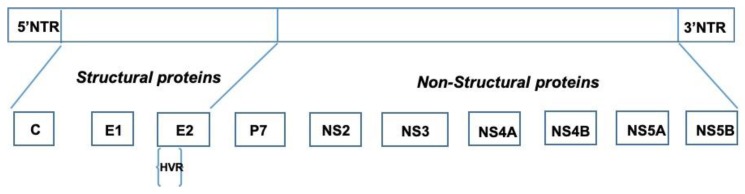
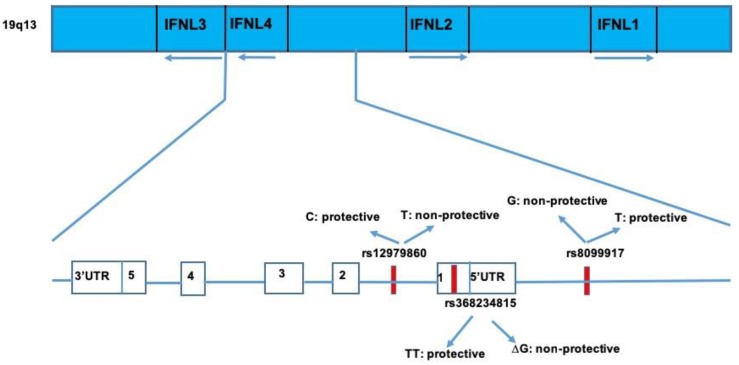
Hepatitis C virus (HCV) infection is the main cause of chronic hepatitis, affecting an estimated 150 million people worldwide. Initial exposure to HCV is most often followed by chronic hepatitis, with only a minority of individuals spontaneously clearing the virus. The induction of sustained and broadly directed HCV-specific CD4⁺ and CD8⁺ T cell responses, together with neutralizing antibodies (nAb), and specific genetic polymorphism have been associated with spontaneous resolution of the infection. However, due to its high variability, HCV is able to overwhelm the host immune response through the rapid acquisition of mutations in the epitopes targeted by T cells and neutralizing antibodies. In this context, immune-mediated pressure represents the main force in driving HCV evolution. This review summarizes the data on HCV diversity and the current state of knowledge about the contributions of antibodies, T cells, and host genetic polymorphism in driving HCV evolution in vivo.
丙型肝炎病毒 (HCV) 感染是慢性肝炎的主要病因,全球约有 1.5 亿人受到影响。最初接触 HCV 后,大多数人会发展为慢性肝炎,只有少数人能自发清除病毒。诱导持续和广泛的 HCV 特异性 CD4⁺和 CD8⁺T 细胞应答、中和抗体 (nAb) 和特定的遗传多态性与自发性感染清除有关。然而,由于 HCV 的高度变异性,它能够通过快速获得 T 细胞和中和抗体靶向表位的突变来克服宿主的免疫反应。在这种情况下,免疫介导的压力是推动 HCV 进化的主要力量。本文总结了有关 HCV 多样性的数据,以及目前关于抗体、T 细胞和宿主遗传多态性在体内驱动 HCV 进化的知识现状。