Institute of Military Cognitive and Brain Sciences, Academy of Military Medical Sciences, Beijing, PR China; Anhui Medical University, Hefei, PR China.
Institute of Military Cognitive and Brain Sciences, Academy of Military Medical Sciences, Beijing, PR China.
Biomed J. 2019 Feb;42(1):36-45. doi: 10.1016/j.bj.2018.11.001. Epub 2019 Mar 27.
Intestinal ischemia reperfusion injury is a frequent clinical damage, in which the oxidative stress and inflammation play an important role. Interleukin-1 receptor antagonist (IL-1Ra) is a natural anti-inflammatory factor, however, its effect on intestinal ischemia reperfusion injury remains unclear.
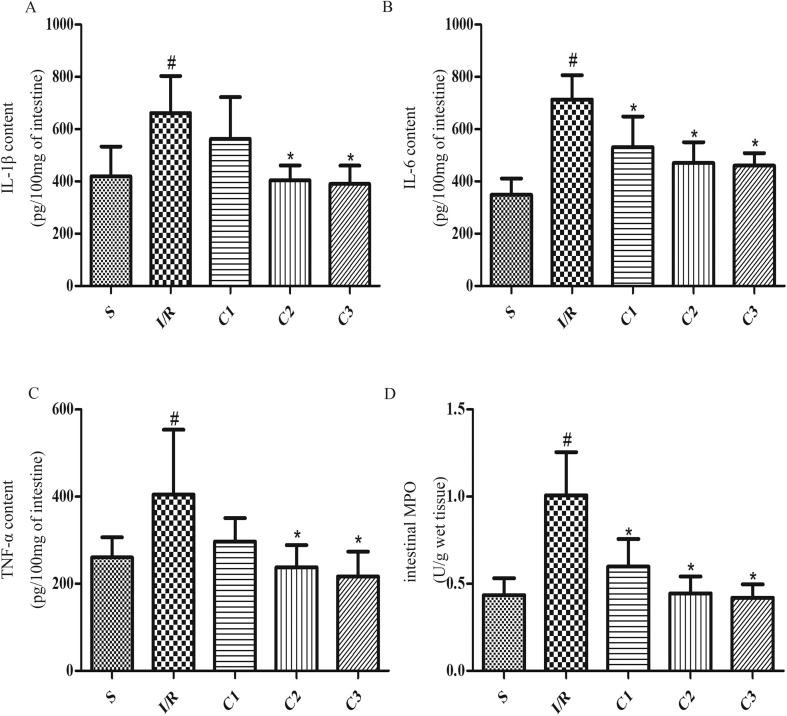
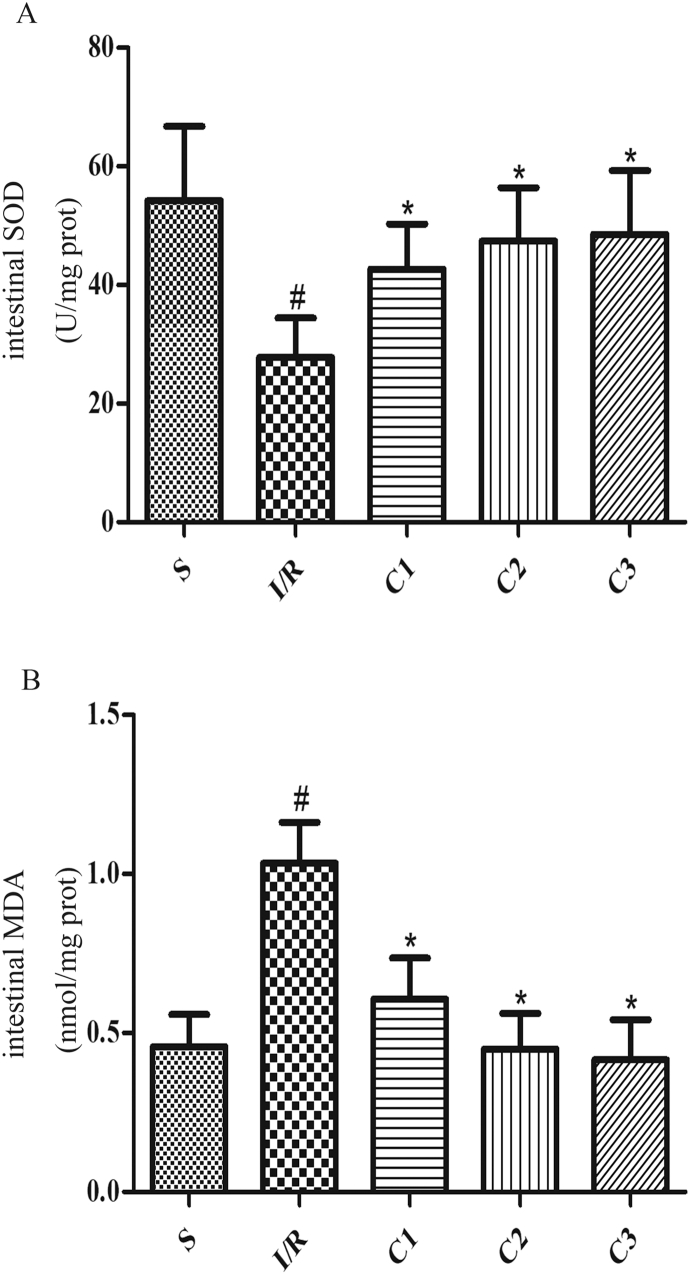
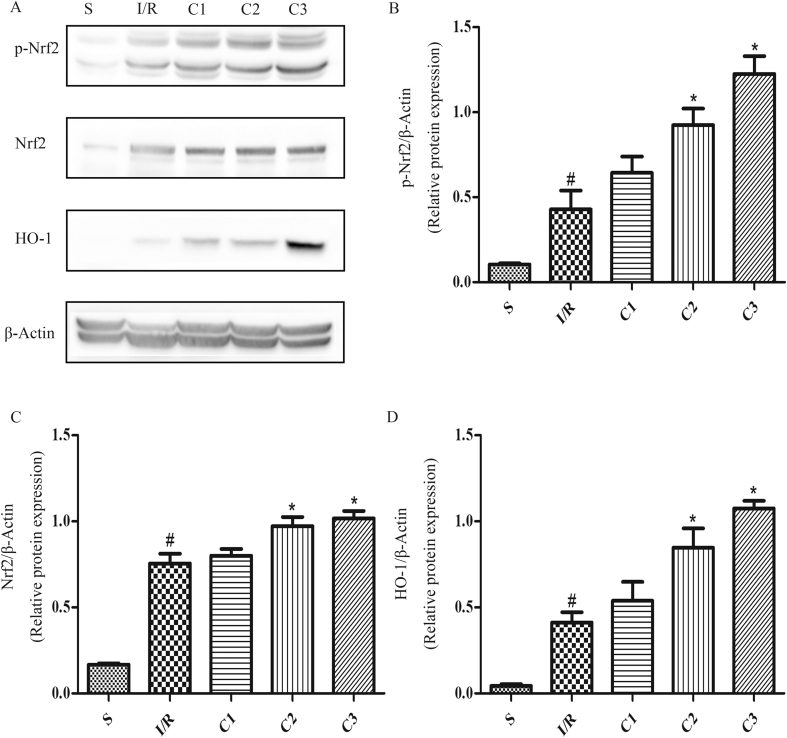
The rat model of intestinal I/R was induced by occlusion (for 60 min) and reopening (for 60 min) of superior mesenteric artery. The rats were randomly divided into the following 5 groups: sham-operation(S), model (I/R),10 mg/kgIL-1Ra + I/R (C1),20 mg/kgIL-1Ra + I/R (C2), and30 mg/kgIL-1Ra + I/R (C3).
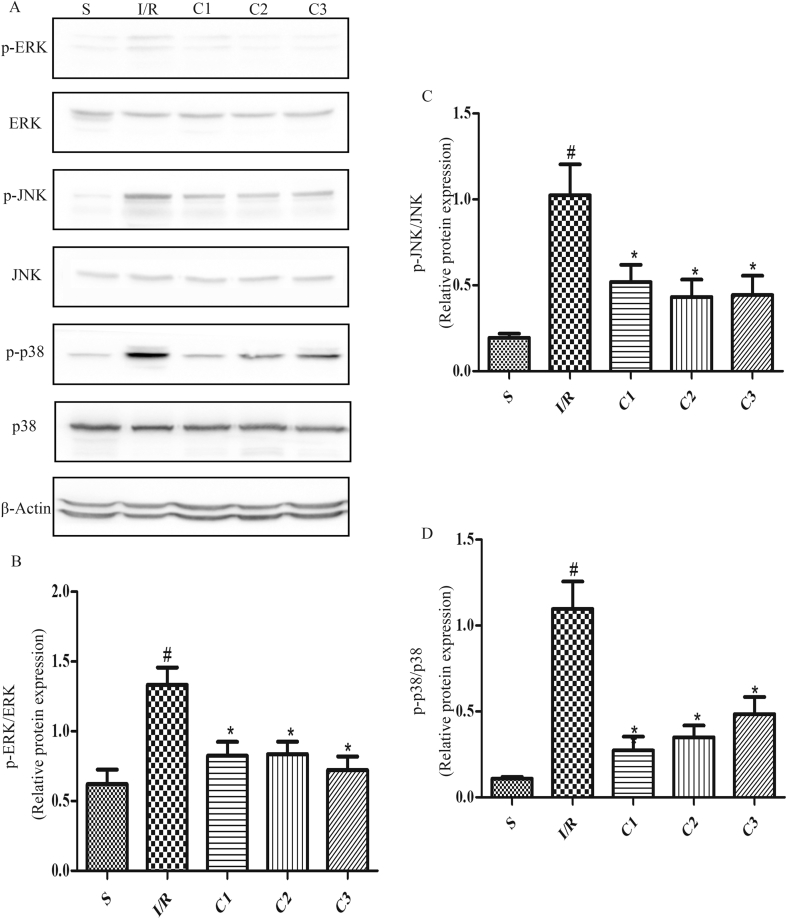
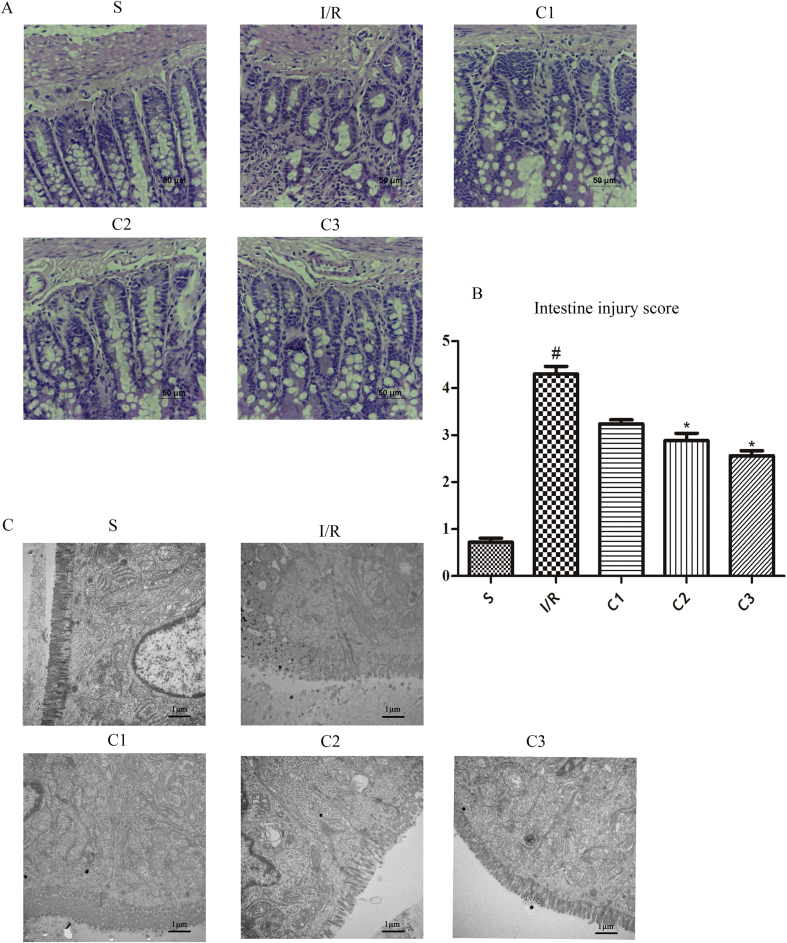
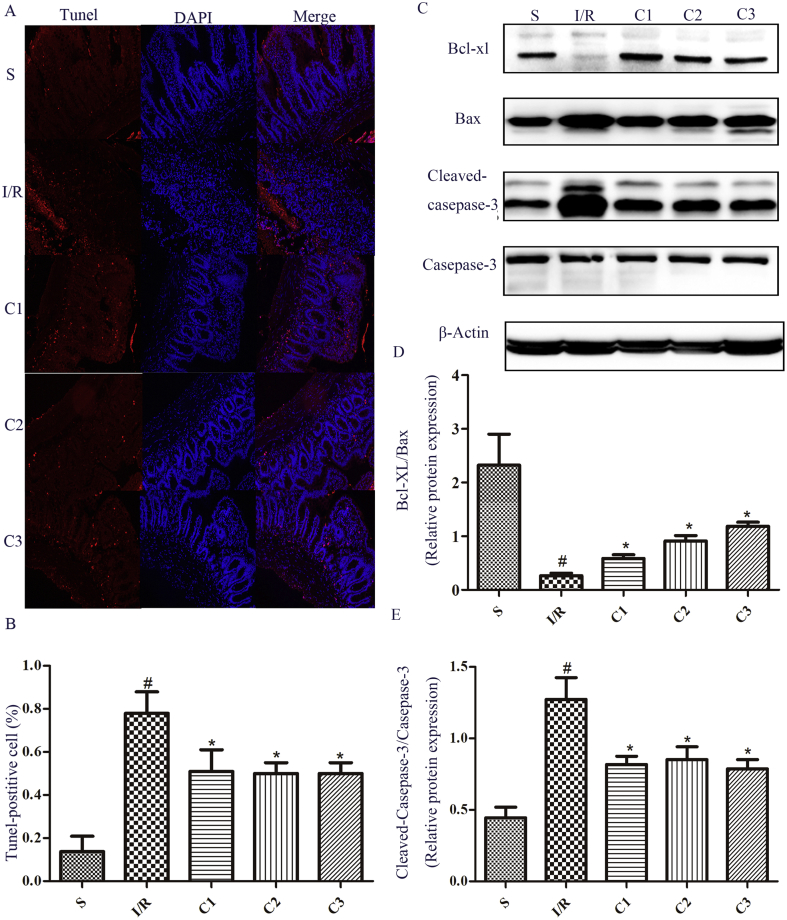
In this study it was the first time to confirm that IL-1Ra had a significant protection against the intestinal ischemia reperfusion injury. IL-1Ra not only effectively inhibited the expression of inflammatory factors (such as IL-1β, IL-6 and TNF-α) and the activation of neutrophil in intestinal tissues, but also decreased the death of intestinal cells and the damages of intestinal tissues. Interestingly, besides anti-inflammation effect, it was also found that IL-1Ra possessed a significant inhibitory effect on the oxidative stress caused by ischemia/reperfusion injury. Furthermore, the expression of nuclear factor erythroid 2-related factor 2 (Nrf2) and hemeoxygenase-1 (HO-1), and the phosphorylation level of Nrf2 were greatly promoted by IL-1Ra. At the same time, IL-1Ra inhibited the mitogen-activated protein kinase (MAPKs) pathway.
IL-1Ra had the protective effect against intestinal ischemia reperfusion injury, its mechanism included anti-inflammation and anti-oxidative stress in which the Nrf2/HO-1 pathway played an important role. The above-mentioned results may extend the clinical application of IL-1Ra in the treatment of intestinal ischemia reperfusion injury.
肠缺血再灌注损伤是一种常见的临床损伤,其中氧化应激和炎症起着重要作用。白细胞介素-1 受体拮抗剂(IL-1Ra)是一种天然的抗炎因子,但它对肠缺血再灌注损伤的影响尚不清楚。
通过夹闭(60 分钟)和再开放(60 分钟)肠系膜上动脉来诱导大鼠肠 I/R 模型。大鼠随机分为以下 5 组:假手术(S)、模型(I/R)、10mg/kgIL-1Ra+I/R(C1)、20mg/kgIL-1Ra+I/R(C2)和 30mg/kgIL-1Ra+I/R(C3)。
本研究首次证实 IL-1Ra 对肠缺血再灌注损伤具有显著的保护作用。IL-1Ra 不仅有效抑制了炎症因子(如 IL-1β、IL-6 和 TNF-α)在肠组织中的表达和中性粒细胞的激活,而且还降低了肠细胞的死亡和肠组织的损伤。有趣的是,除了抗炎作用外,还发现 IL-1Ra 对缺血/再灌注损伤引起的氧化应激也具有显著的抑制作用。此外,IL-1Ra 还显著促进核因子红细胞 2 相关因子 2(Nrf2)和血红素加氧酶-1(HO-1)的表达,以及 Nrf2 的磷酸化水平。同时,IL-1Ra 抑制丝裂原激活蛋白激酶(MAPKs)途径。
IL-1Ra 对肠缺血再灌注损伤具有保护作用,其机制包括抗炎和抗氧化应激,其中 Nrf2/HO-1 途径发挥重要作用。上述结果可能扩展了 IL-1Ra 在治疗肠缺血再灌注损伤中的临床应用。