Huang Yujie, Zhu Xiaohui, Chen Ka, Lang Hedong, Zhang Yong, Hou Pengfei, Ran Li, Zhou Min, Zheng Jiawei, Yi Long, Mi Mantian, Zhang Qianyong
Research Center for Nutrition and Food Safety, Chongqing Key Laboratory of Nutrition and Food Safety, Institute of Military Preventive Medicine, Third Military Medical University, Shapingba District, Chongqing 400038, P. R. China.
Aging (Albany NY). 2019 Apr 15;11(8):2217-2240. doi: 10.18632/aging.101910.
The concept of sarcopenic obesity refers to low muscle mass coupled with high adiposity in older adults. Sarcopenic obesity is a new medical challenge that imposes tremendous financial burdens on healthcare authorities worldwide. This study investigated the effects of resveratrol on high-fat diet-induced sarcopenic obesity in aged rats and palmitate acid-induced muscle atrophy in L6 myotubes and explored the underlying mechanisms.
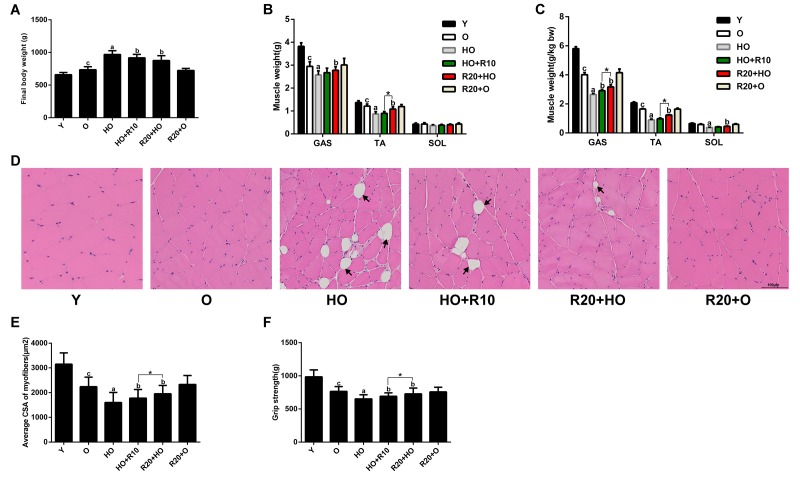
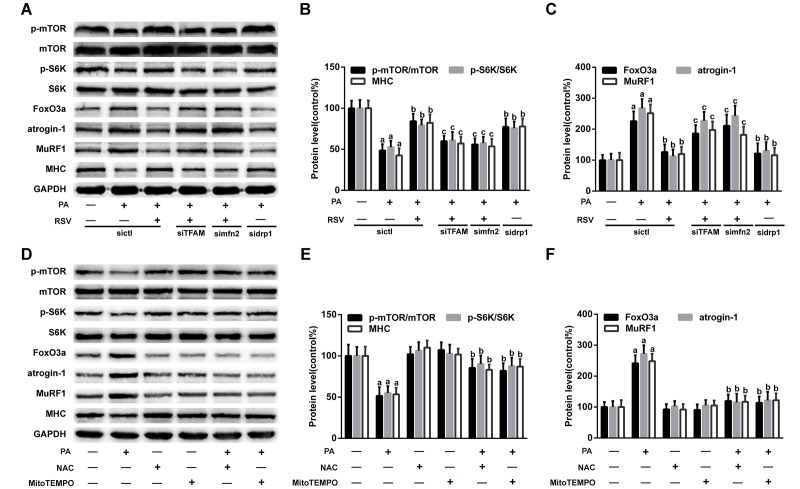
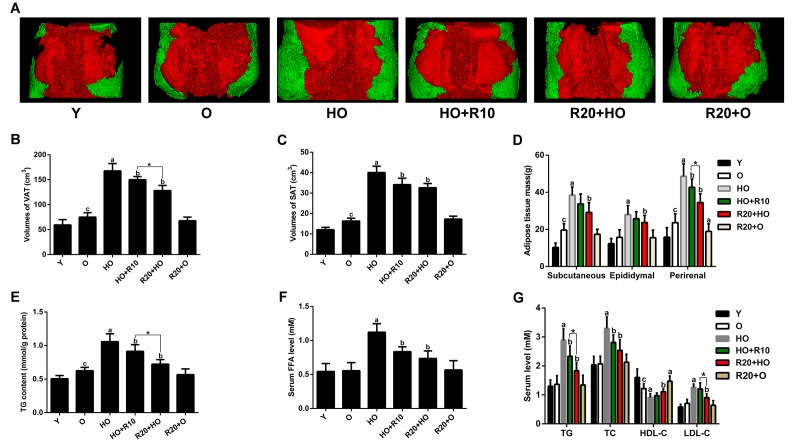
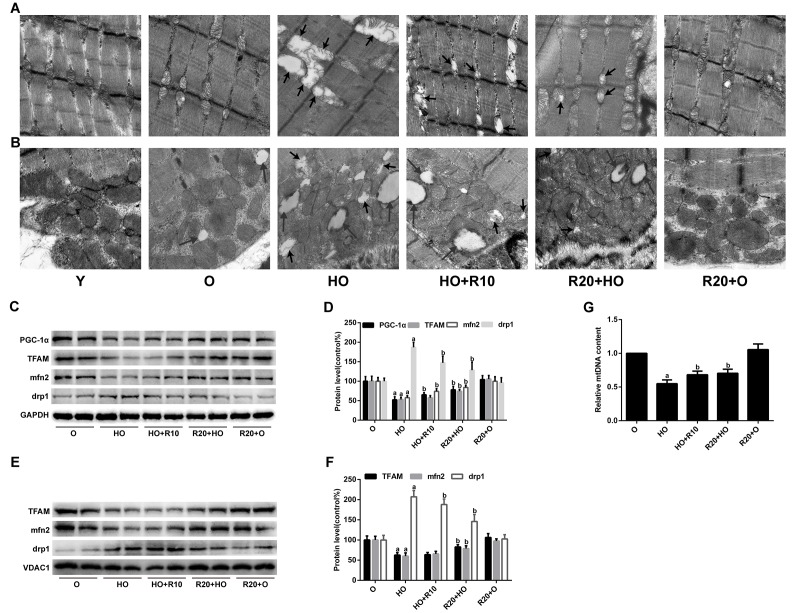
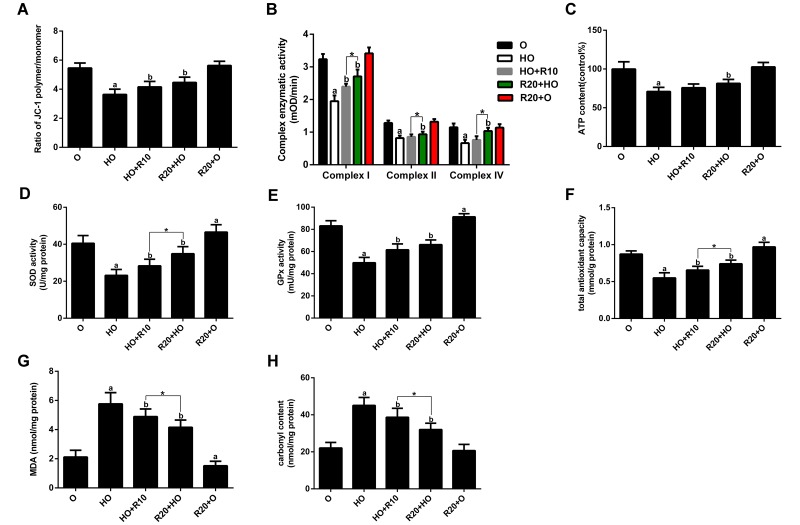
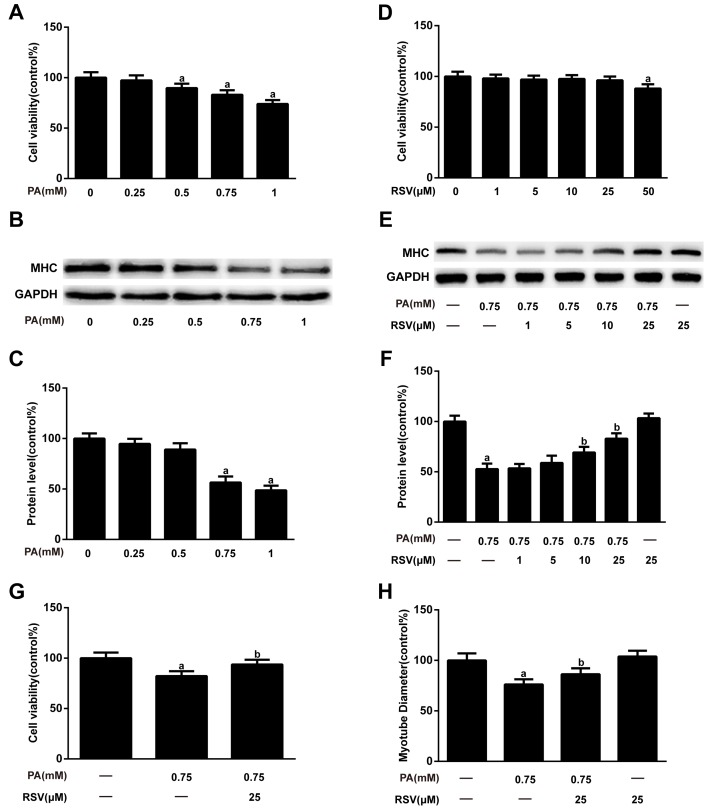
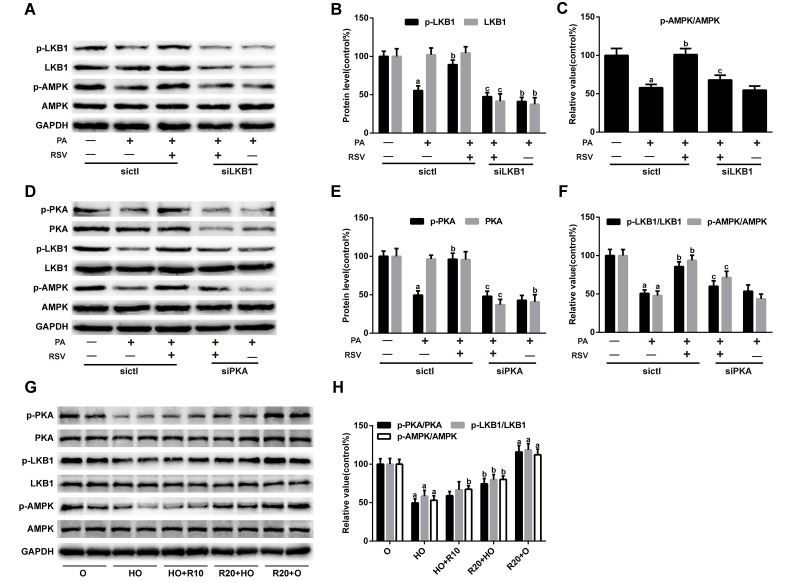
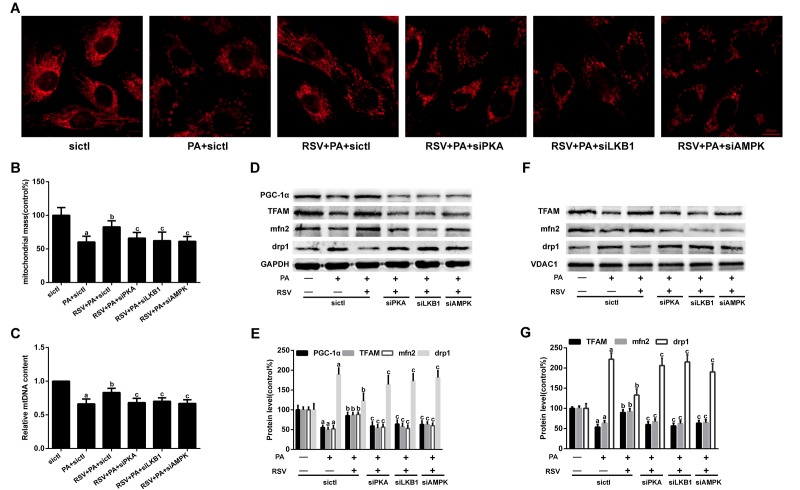
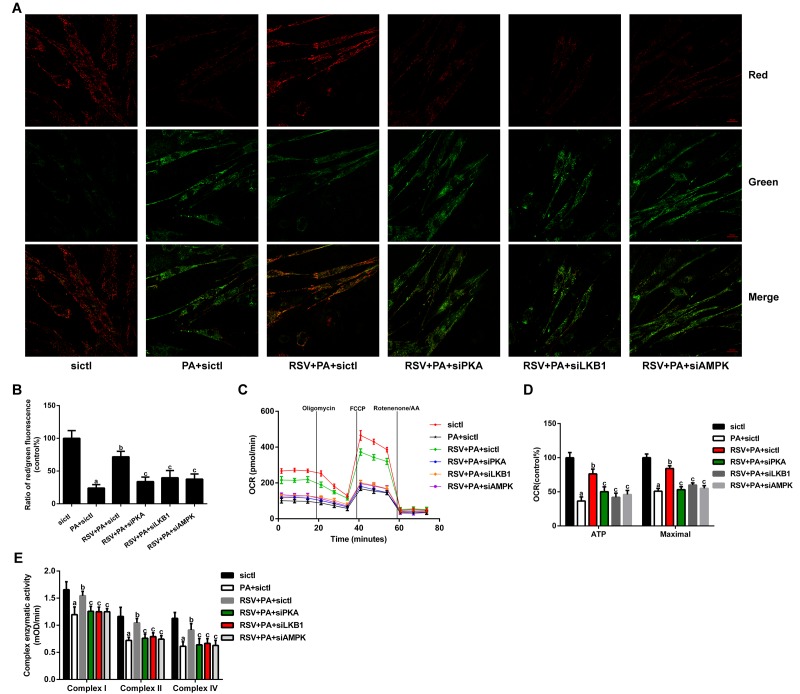
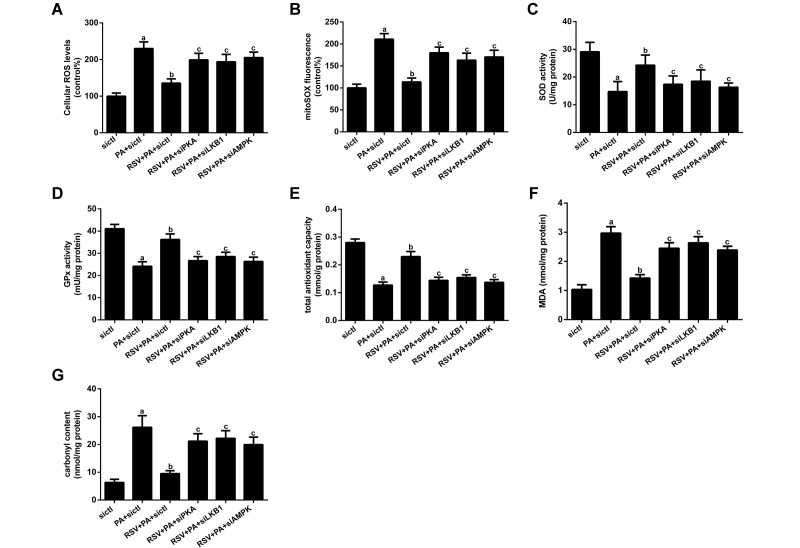
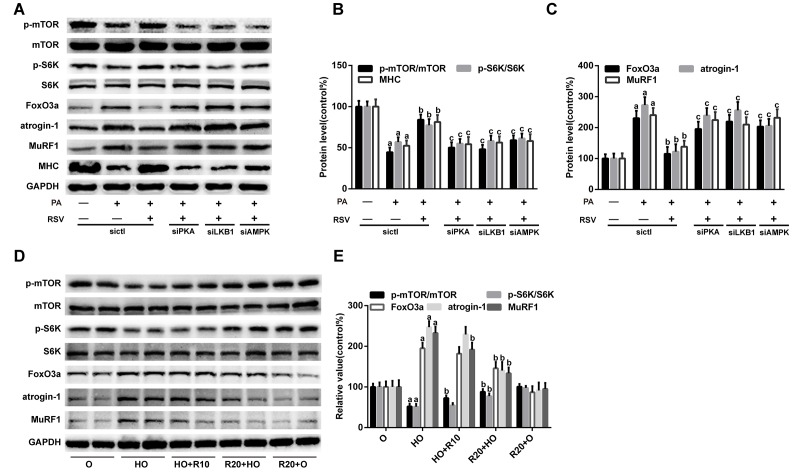
, resveratrol prevented muscle loss and myofiber size decrease, improved grip strength and abolished excessive fat accumulation. , resveratrol inhibited the palmitate acid-mediated reductions in myosin heavy chain content and myotube diameter. Moreover, resveratrol ameliorated mitochondrial dysfunction and oxidative stress, leading to an improvement in protein metabolism and contributing to the prevention of muscle atrophy. Furthermore, the protective effects of resveratrol on mitochondrial function, oxidative stress and muscle atrophy were abolished by PKA siRNA, LKB1 siRNA and AMPK siRNA transfection .
Resveratrol prevented high-fat diet-induced muscle atrophy in aged rats by reversing mitochondrial dysfunction and oxidative stress, which was partially mediated by the PKA/LKB1/AMPK pathway. These findings indicate that resveratrol might have potential uses for the prevention and treatment of sarcopenic obesity.
肌少症肥胖的概念指的是老年人肌肉量低且肥胖程度高。肌少症肥胖是一项新的医学挑战,给全球医疗当局带来了巨大的经济负担。本研究调查了白藜芦醇对高脂饮食诱导的老年大鼠肌少症肥胖以及棕榈酸诱导的L6肌管肌肉萎缩的影响,并探讨了其潜在机制。
白藜芦醇可防止肌肉流失和肌纤维尺寸减小,提高握力并消除过多的脂肪堆积。白藜芦醇可抑制棕榈酸介导的肌球蛋白重链含量和肌管直径的降低。此外,白藜芦醇改善了线粒体功能障碍和氧化应激,从而改善了蛋白质代谢并有助于预防肌肉萎缩。此外,通过PKA siRNA、LKB1 siRNA和AMPK siRNA转染消除了白藜芦醇对线粒体功能、氧化应激和肌肉萎缩的保护作用。
白藜芦醇通过逆转线粒体功能障碍和氧化应激来预防高脂饮食诱导的老年大鼠肌肉萎缩,这部分是由PKA/LKB1/AMPK途径介导的。这些发现表明白藜芦醇可能在预防和治疗肌少症肥胖方面具有潜在用途。