1 Bretagne Loire University, Nantes University, INSERM 1235, IMAD, The Enteric Nervous System in Gut and Brain Disorders, Nantes, France.
2 PiLeJe Group, Paris, France.
J Med Food. 2019 Jul;22(7):653-662. doi: 10.1089/jmf.2018.0154. Epub 2019 Apr 16.
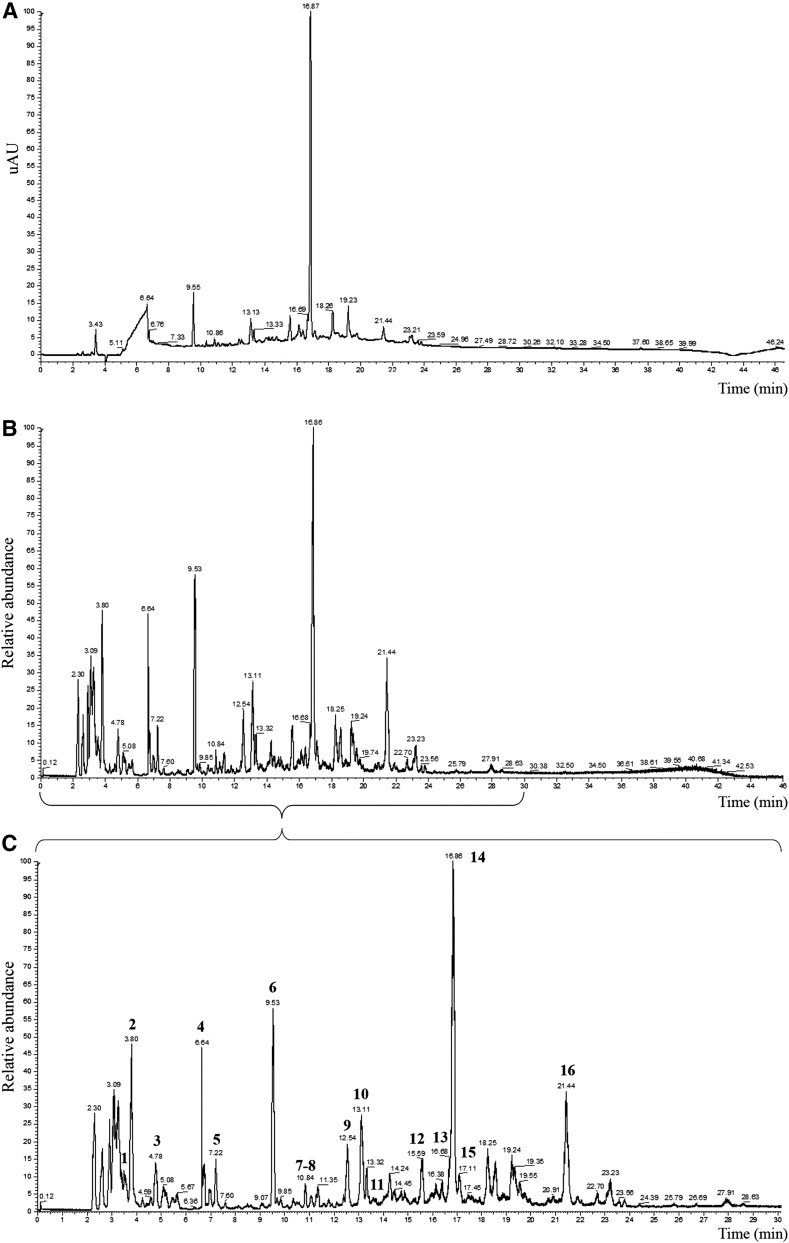
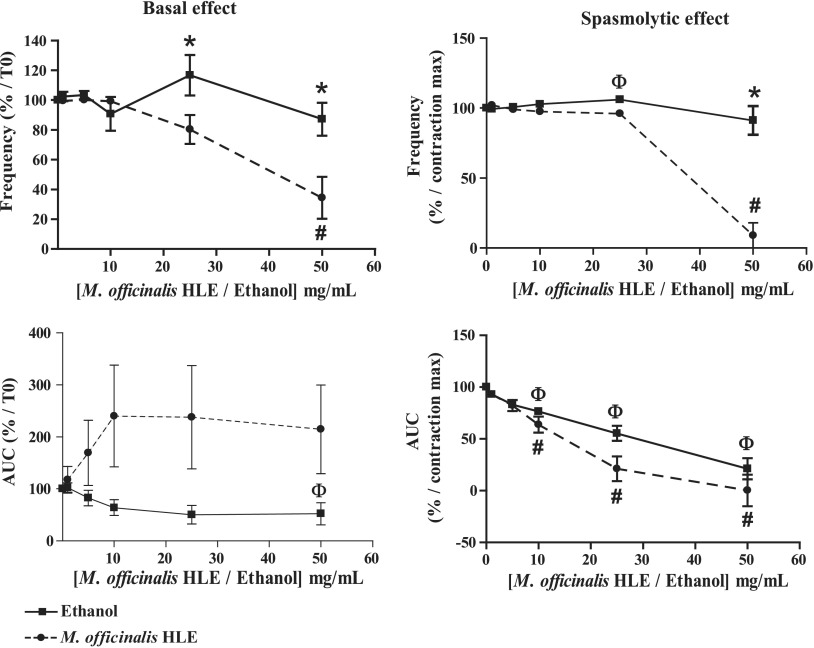
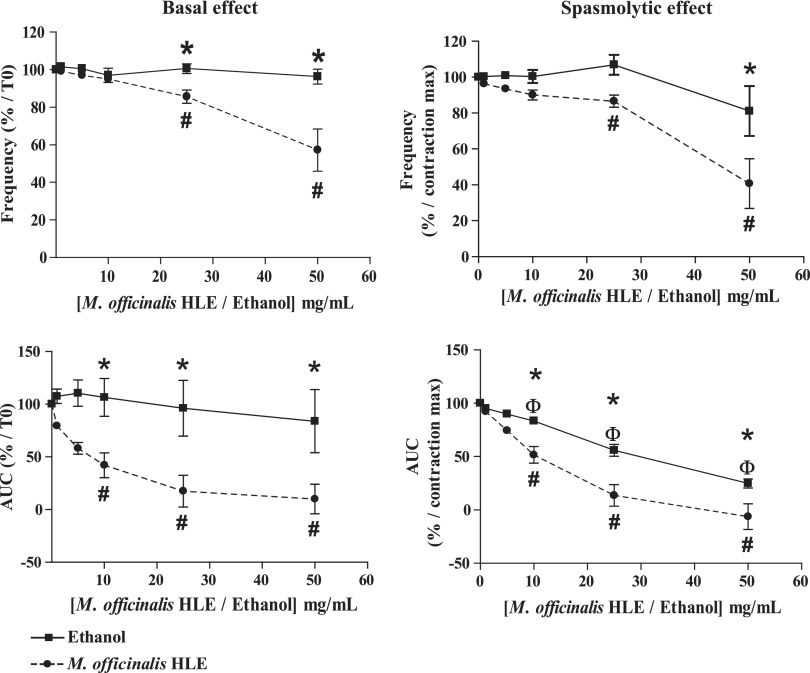
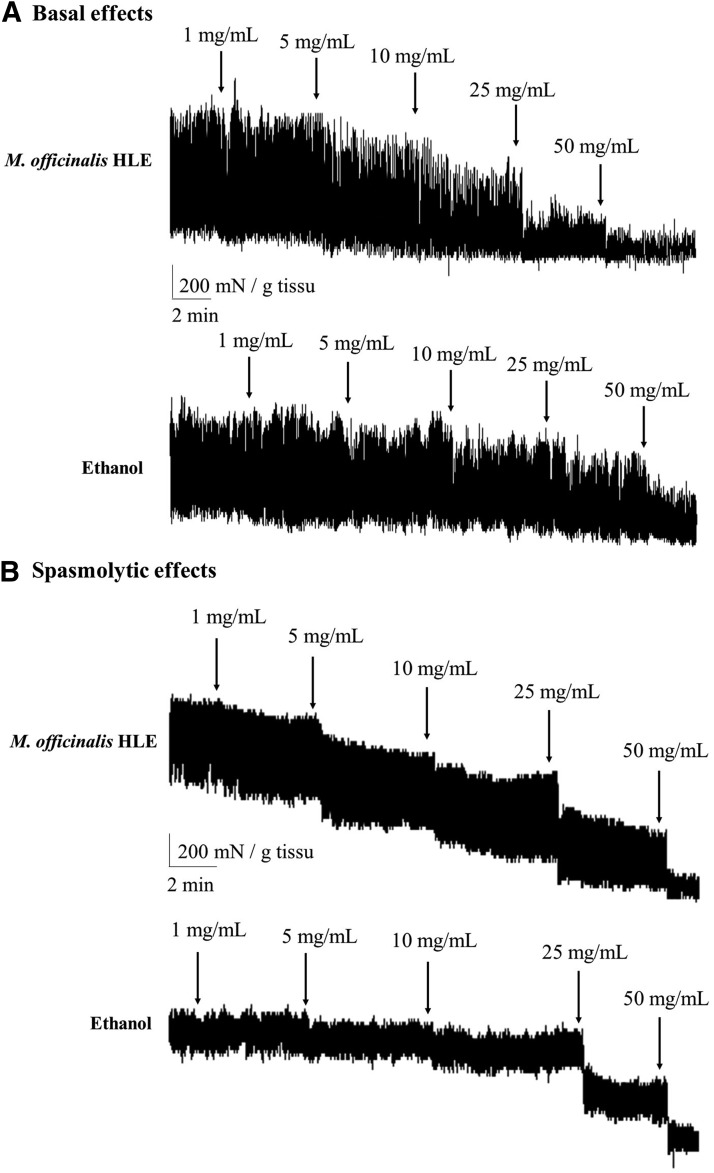
L. (lemon balm) has been used for decades with symptomatic benefits in patients with digestive disorders. However, very little is known on the effects of on the gastrointestinal (GI) tract. In this study, the basal and spasmolytic properties of a hydroethanolic leaf extract (HLE) of were assessed on different segments of the GI tract of mice after phytochemical characterization of the extract. HLE had site- and dose-dependent effects on the contractile activity of the GI tract, the motility response being impacted in the jejunum and ileum but not in the antrum and colon. The observed effects could be caused by the phenolic compounds (mainly rosmarinic acid) detected in the extract.
荆芥(lemon balm)在治疗消化系统疾病方面具有数十年的临床应用历史,可缓解多种症状。然而,目前对于荆芥对胃肠道(GI)的影响知之甚少。在这项研究中,在对提取物进行植物化学特性分析之后,评估了荆芥叶水醇提取物(HLE)对不同小鼠胃肠道段的基础和松弛特性的影响。HLE 对胃肠道的收缩活动具有部位和剂量依赖性影响,其运动反应在空肠和回肠中受到影响,但在胃窦和结肠中不受影响。观察到的影响可能是由提取物中检测到的酚类化合物(主要是迷迭香酸)引起的。