Abramson Family Cancer Research Institute, Perelman School of Medicine at the University of Pennsylvania, Philadelphia, Pennsylvania.
Department of Medicine, Perelman School of Medicine at the University of Pennsylvania, Philadelphia, Pennsylvania.
Cancer Discov. 2019 Jul;9(7):837-851. doi: 10.1158/2159-8290.CD-19-0015. Epub 2019 Apr 16.
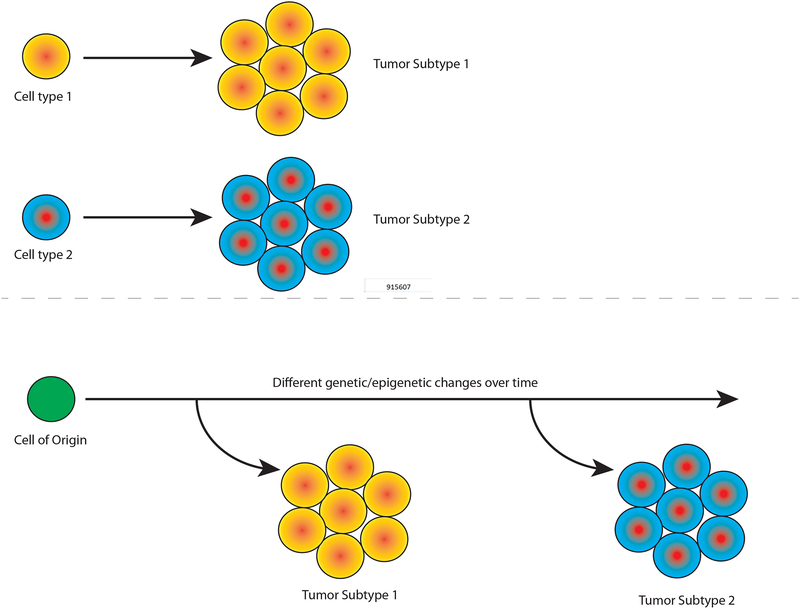
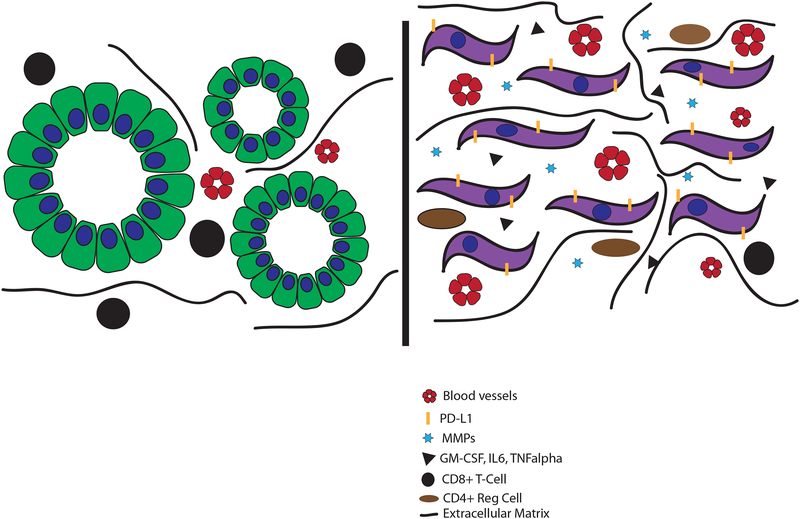
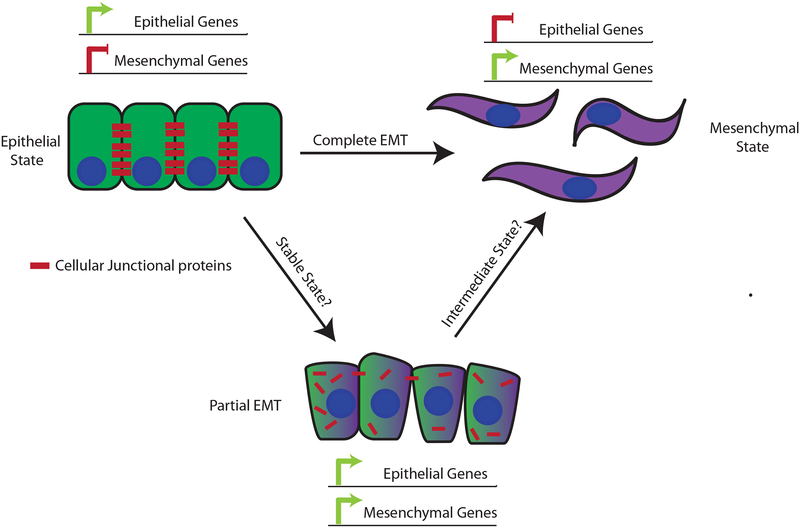
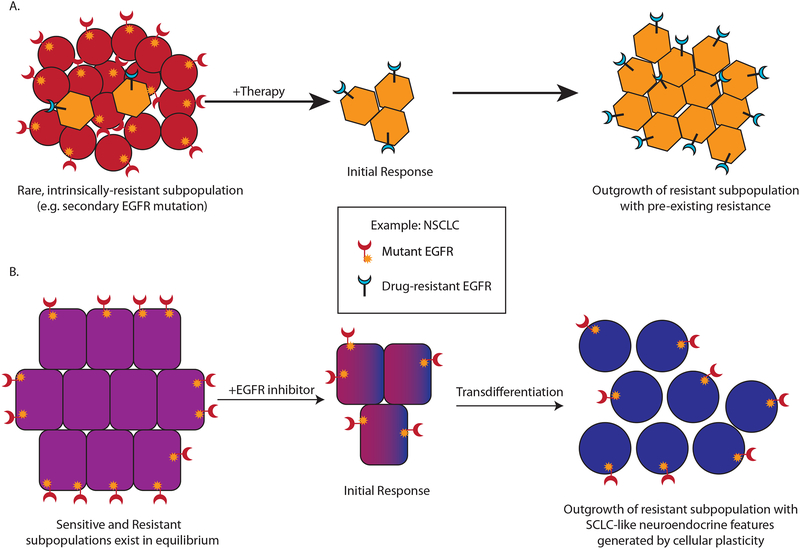
During cancer progression, tumor cells undergo molecular and phenotypic changes collectively referred to as cellular plasticity. Such changes result from microenvironmental cues, stochastic genetic and epigenetic alterations, and/or treatment-imposed selective pressures, thereby contributing to tumor heterogeneity and therapy resistance. Epithelial-mesenchymal plasticity is the best-known case of tumor cell plasticity, but recent work has uncovered other examples, often with functional consequences. In this review, we explore the nature and role(s) of these diverse cellular plasticity programs in premalignant progression, tumor evolution, and adaptation to therapy and consider ways in which targeting plasticity could lead to novel anticancer treatments. SIGNIFICANCE: Changes in cell identity, or cellular plasticity, are common at different stages of tumor progression, and it has become clear that cellular plasticity can be a potent mediator of tumor progression and chemoresistance. Understanding the mechanisms underlying the various forms of cell plasticity may deliver new strategies for targeting the most lethal aspects of cancer: metastasis and resistance to therapy.
在癌症进展过程中,肿瘤细胞发生分子和表型变化,这些变化通常被称为细胞可塑性。这些变化源自微环境线索、随机遗传和表观遗传改变,以及/或治疗施加的选择压力,从而导致肿瘤异质性和治疗耐药性。上皮-间充质可塑性是肿瘤细胞可塑性的最佳例证,但最近的研究揭示了其他例子,这些例子通常具有功能后果。在这篇综述中,我们探讨了这些不同的细胞可塑性程序在癌前进展、肿瘤进化以及对治疗的适应中的性质和作用,并考虑了靶向可塑性可能导致新型抗癌治疗的方法。意义:在肿瘤进展的不同阶段,细胞特征的改变或细胞可塑性很常见,而且细胞可塑性很可能是肿瘤进展和化疗耐药性的有力介导者。了解各种形式的细胞可塑性的机制可能为靶向癌症最致命的方面(转移和治疗耐药性)提供新的策略。