Universidade de São Paulo, Faculdade de Odontologia de Bauru, Departamento de Dentística, Endodontia e Materiais Dentários, Bauru, São Paulo, Brasil.
Universidade Estadual Paulista (UNESP), Departamento de Física, Bauru, São Paulo, Brasil.
J Appl Oral Sci. 2019;27:e20180449. doi: 10.1590/1678-7757-2018-0449. Epub 2019 Apr 11.
This study aims to evaluate the effect of sonochemical treatment on the surface of yttria-stabilized tetragonal zirconia (Y-TZP) before and after the final sintering.
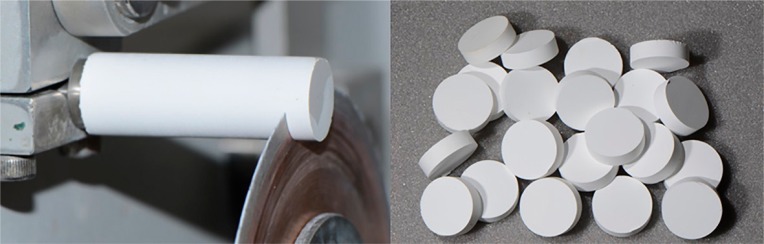
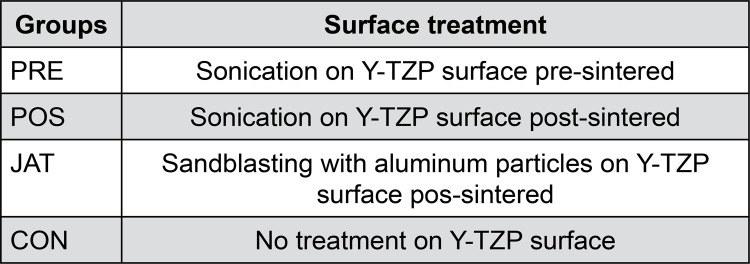
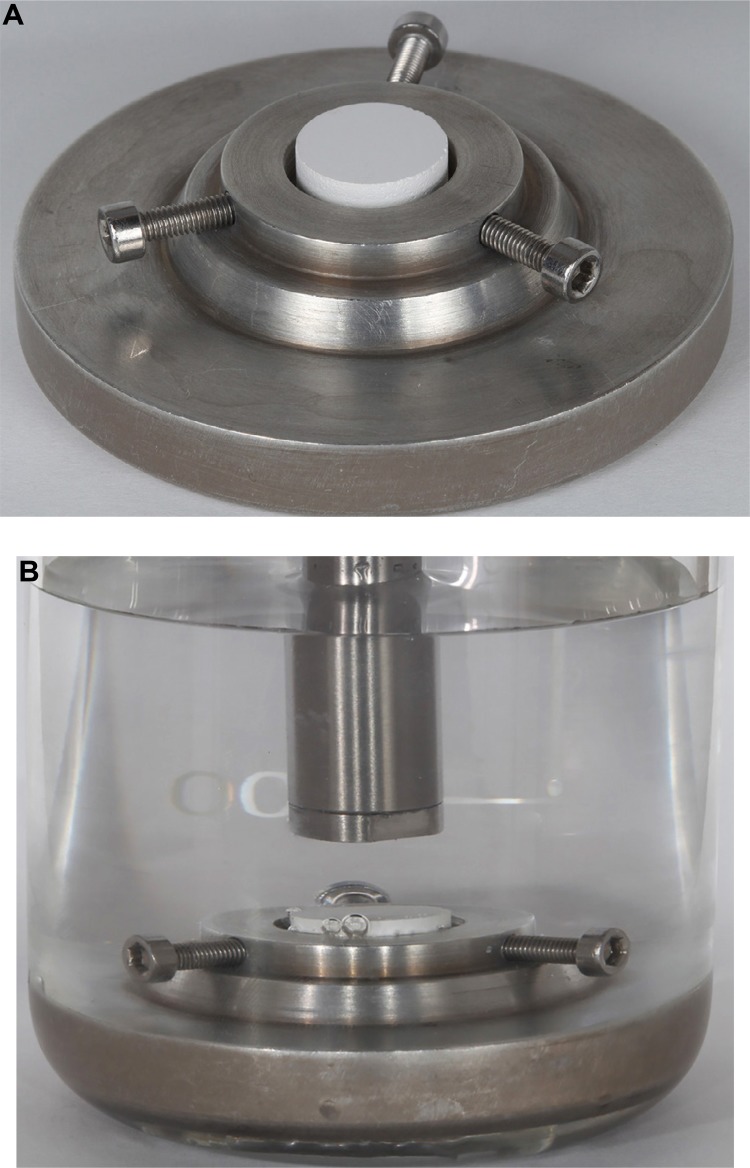
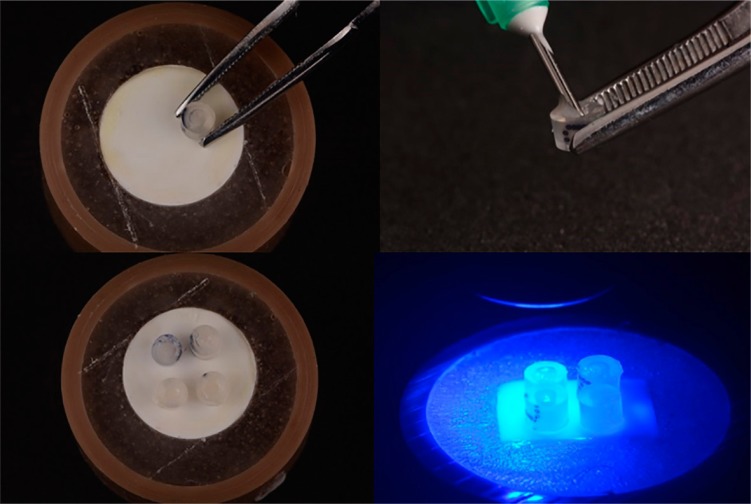
Twenty-eight Y-TZP discs were divided into four groups (n=7), according to surface treatment: PRE: pre-sintering sonication with 30% nominal power for 15 min; POS: post-sintering sonication with 30% nominal power for 15 min; JAT: air abrasion with 50-μm alumina particles; and CON: control group with no treatment. The POS and JAT groups were sintered before sonication and the PRE group after sonication. Surface roughness was analyzed using confocal microscopy, after which resin cement cylinders were placed on the surface of the Y-TZP discs and subjected to mechanical microshear bond strength test until fracture. Surface roughness and microshear bond strength values underwent ANOVA and the Tukey tests.
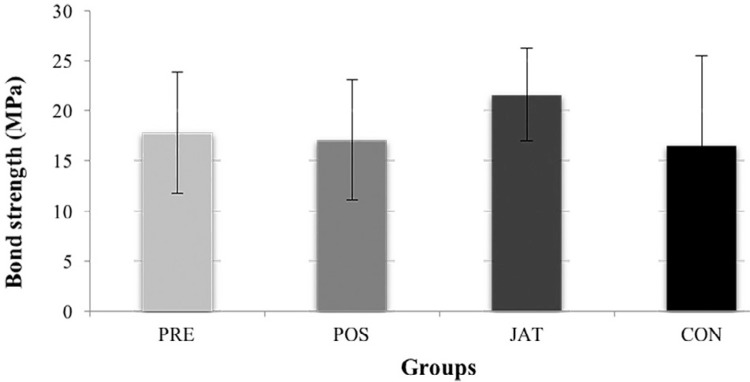
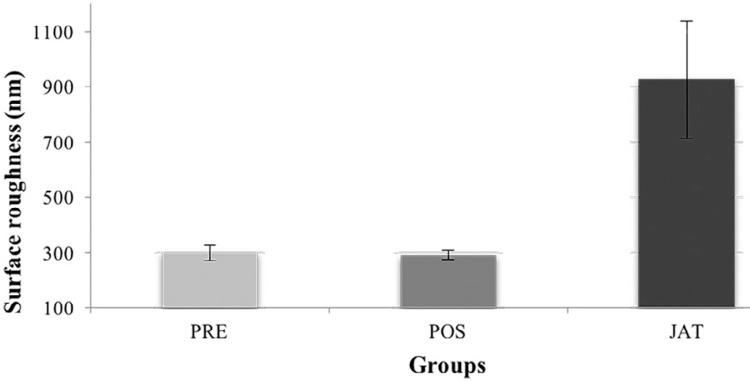
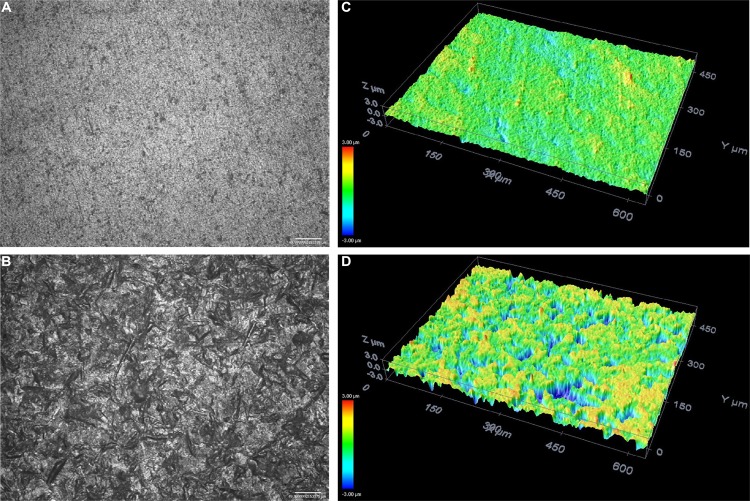
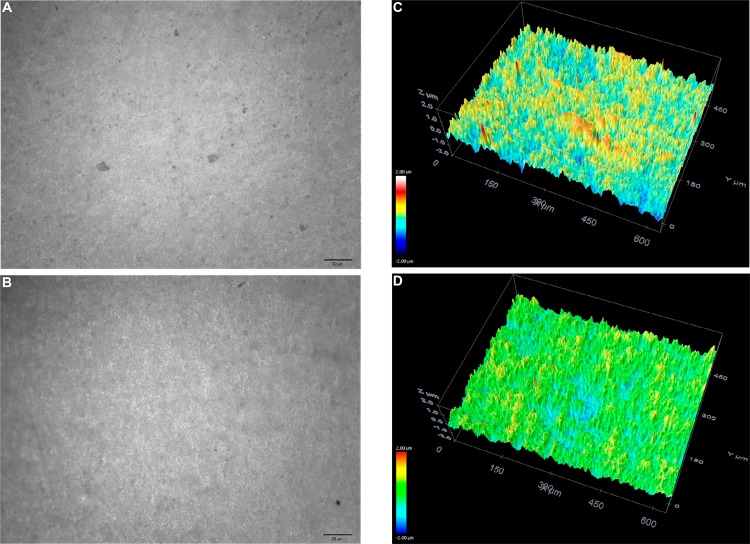
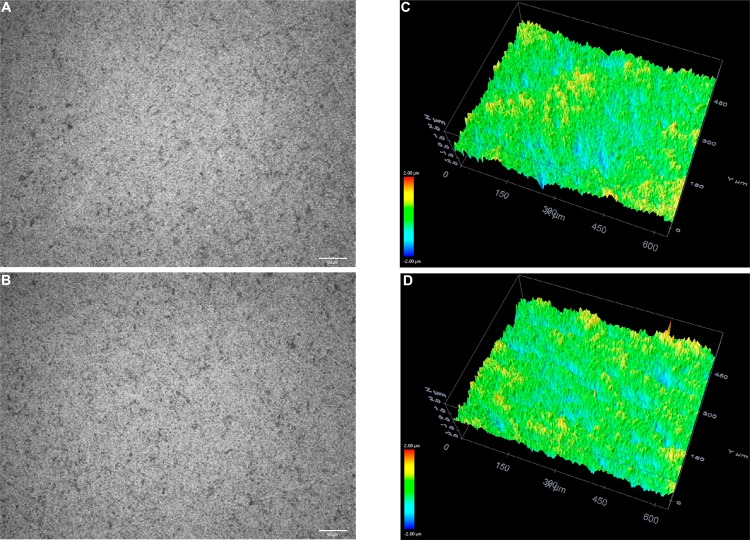
The surface roughness values for the PRE group (299.91 nm) and the POS group (291.23 nm) were not significantly different (p≥0.05), statistically, and the surface roughness value of the JAT group (925.21 nm) was higher than those of PRE and POS (p=0.007) groups. The mechanical microshear bond strength test showed that there was no statistically significant difference between the groups (p=0.08).
Therefore, the results showed that sonochemical treatment modifies the Y-TZP surface and is similar to the well-established sandblasting surface treatment regarding the strength of the bond with the resin cement.
本研究旨在评估超声处理对预烧结和最终烧结后氧化钇稳定四方氧化锆(Y-TZP)表面的影响。
将 28 个 Y-TZP 圆盘分为四组(n=7),根据表面处理方式:PRE:预烧结时以 30%名义功率进行 15 分钟的超声处理;POS:最终烧结后以 30%名义功率进行 15 分钟的超声处理;JAT:使用 50-μm 氧化铝颗粒进行空气喷砂处理;CON:无处理的对照组。POS 和 JAT 组在超声处理前进行烧结,PRE 组在超声处理后进行烧结。使用共焦显微镜分析表面粗糙度,然后将树脂水泥圆柱体放置在 Y-TZP 圆盘表面,进行机械微剪切结合强度测试,直至发生断裂。对表面粗糙度和微剪切结合强度值进行方差分析和 Tukey 检验。
PRE 组(299.91nm)和 POS 组(291.23nm)的表面粗糙度值无统计学差异(p≥0.05),而 JAT 组(925.21nm)的表面粗糙度值高于 PRE 和 POS 组(p=0.007)。机械微剪切结合强度测试显示各组之间无统计学差异(p=0.08)。
因此,结果表明,超声化学处理会改变 Y-TZP 表面,与经过验证的喷砂表面处理相比,对树脂水泥的结合强度具有相似的效果。