Department of Microbiology, University College of Medical Sciences & GTB Hospital (University of Delhi), Delhi, India.
Research and Scientific Studies Unit, College of Nursing and Allied Health Sciences, Jazan University, Jazan, Saudi Arabia.
PLoS One. 2019 Apr 17;14(4):e0213850. doi: 10.1371/journal.pone.0213850. eCollection 2019.
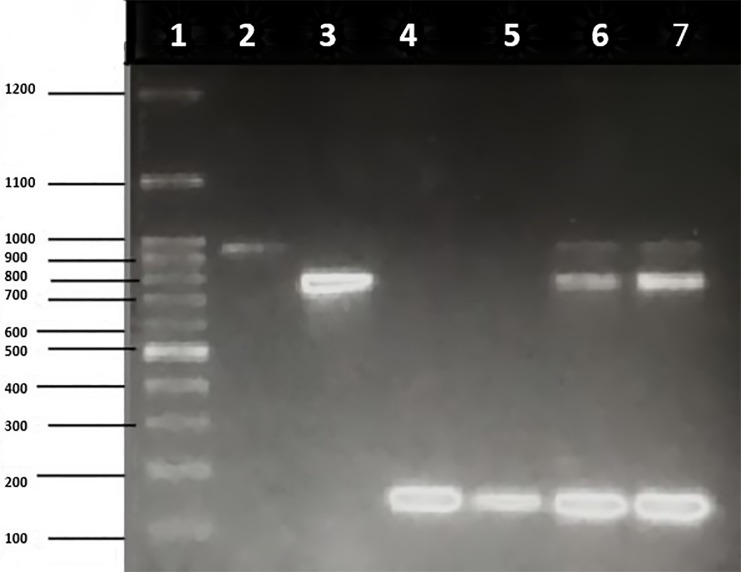
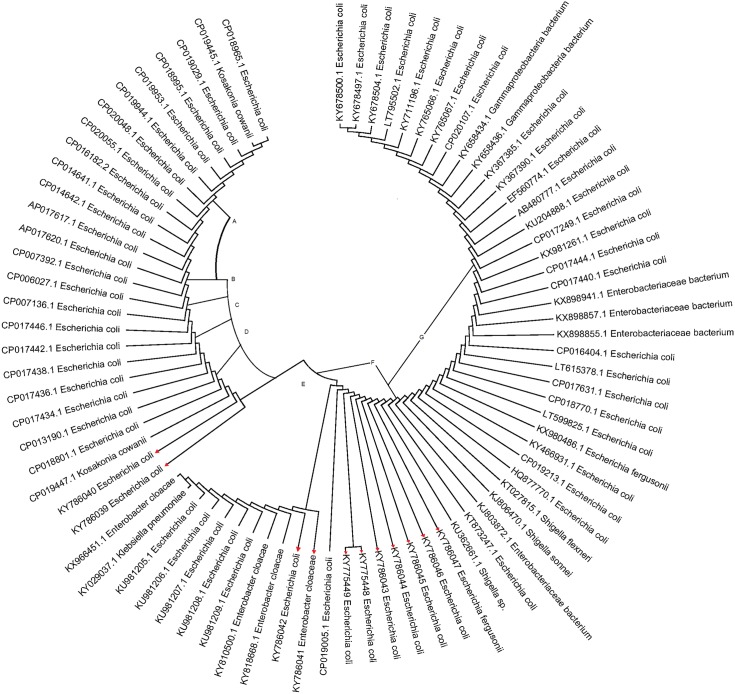
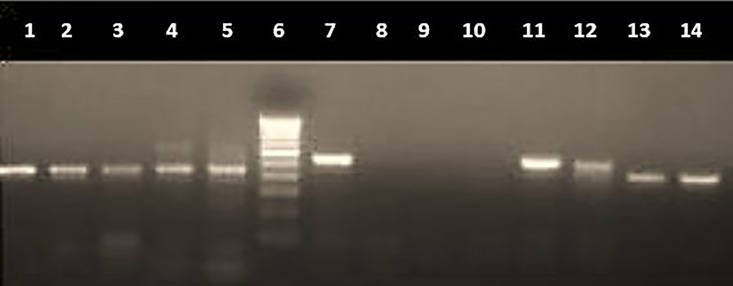
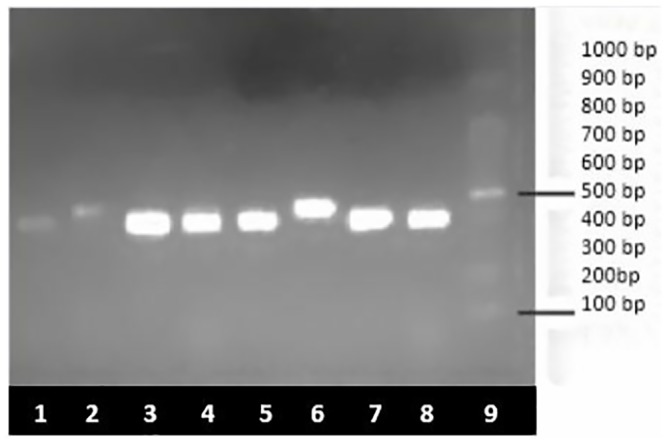
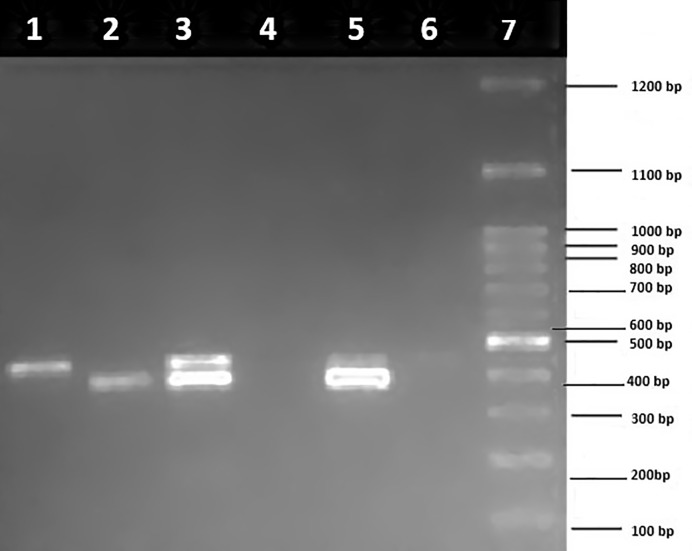
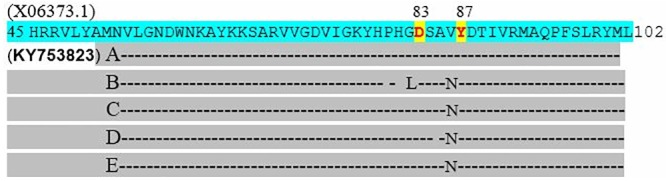
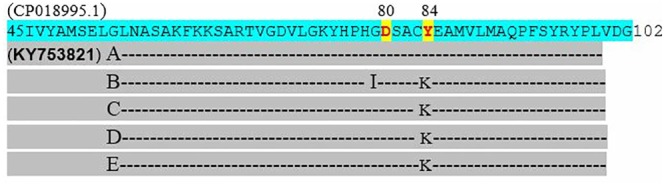
Antimicrobial resistance happens when microorganisms mutates in manners that render the drugs like antibacterial, antiviral, antiparasitic and antifungal, ineffective. The normal mutation process is encouraged by the improper use of antibiotics. Mutations leading to quinolone resistance occur in a highly conserved region of the quinolone resistance-determining region (QRDR) of DNA gyrAse and topoisomerase IV gene. We analyzed antibiotic resistant genes and single nucleotide polymorphism (SNP) in gyrA and parC genes in QRDR in 120 E. coli isolates (both diarrheagenic and non-pathogenic) recovered from fresh stool samples collected from children aged less than 5 years from Delhi, India. Antibiotic susceptibility testing was performed according to standard clinical and laboratory standards institute (CLSI) guidelines. Phylogenetic analysis showed the clonal diversity and phylogenetic relationships among the E. coli isolates. The SNP analysis depicted mutations in gyrA and parC genes in QRDR. The sul1 gene, responsible for sulfonamide resistance, was present in almost half (47.5%) of the isolates across the diseased and healthy samples. The presence of antibiotic resistance genes in E. coli isolates from healthy children indicate the development, dissemination and carriage of antibiotic resistance in their gut. Our observations suggest the implementation of active surveillance and stewardship programs to promote appropriate antibiotic use and minimizing further danger.
当微生物以使其对药物(如抗菌药、抗病毒药、抗寄生虫药和抗真菌药)无效的方式发生突变时,就会出现抗微生物药物耐药性。抗生素的不当使用会促进正常的突变过程。导致喹诺酮类药物耐药的突变发生在 DNA 回旋酶和拓扑异构酶 IV 基因喹诺酮类药物耐药决定区 (QRDR) 的高度保守区域。我们分析了德里年龄小于 5 岁的儿童新鲜粪便样本中分离的 120 株大肠埃希菌(包括腹泻性和非致病性)中 QRDR 中 gyrA 和 parC 基因的抗生素耐药基因和单核苷酸多态性 (SNP)。根据标准临床和实验室标准协会 (CLSI) 指南进行抗生素药敏试验。系统发育分析显示了大肠埃希菌分离株的克隆多样性和系统发育关系。SNP 分析描述了 QRDR 中 gyrA 和 parC 基因的突变。负责磺胺类药物耐药的 sul1 基因几乎存在于所有疾病和健康样本中的 47.5%的分离株中。健康儿童的大肠埃希菌分离株中存在抗生素耐药基因表明,其肠道中存在抗生素耐药性的发展、传播和携带。我们的观察结果表明,应实施主动监测和管理计划,以促进合理使用抗生素并最大限度地减少进一步的危险。