Danish Headache Center and Department of Neurology, Rigshospitalet Glostrup, Faculty of Health Sciences, University of Copenhagen, Copenhagen, Denmark.
J Headache Pain. 2019 Apr 17;20(1):37. doi: 10.1186/s10194-019-0974-3.
In the past decade, migraine research has identified novel drug targets. In this review, we discuss recent data on emerging anti-migraine therapies.
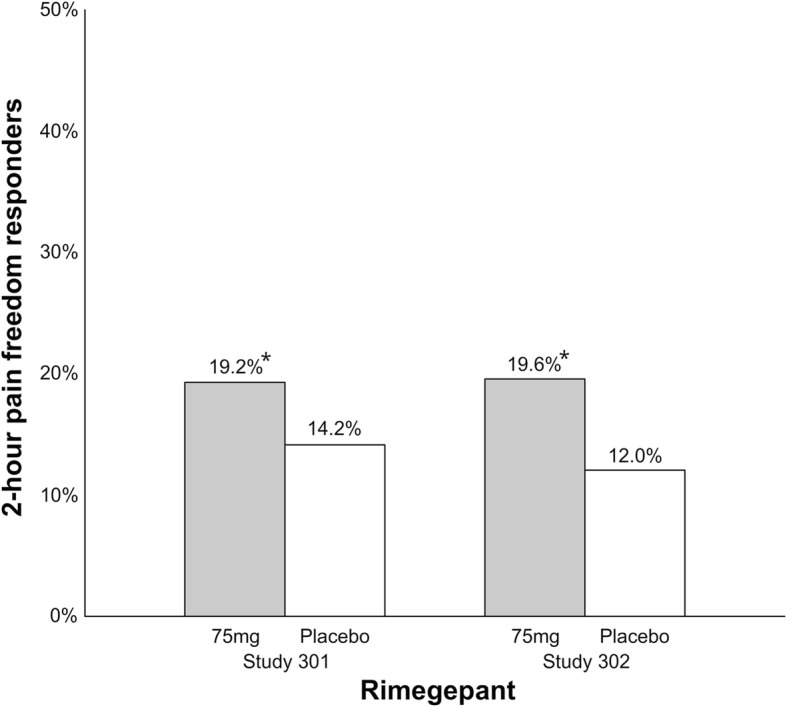
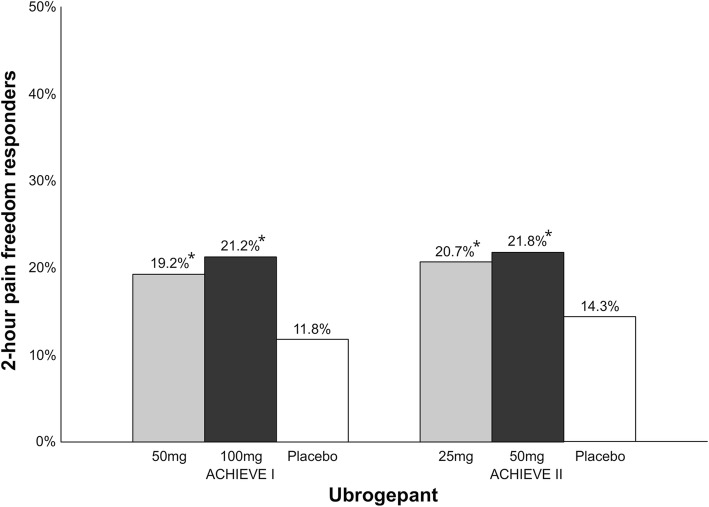
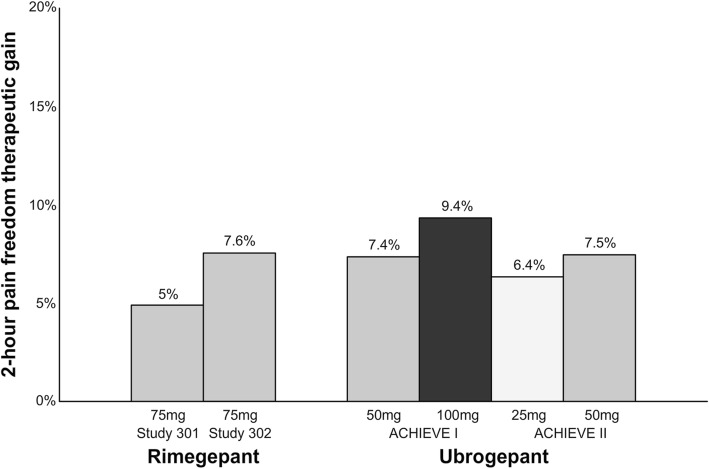
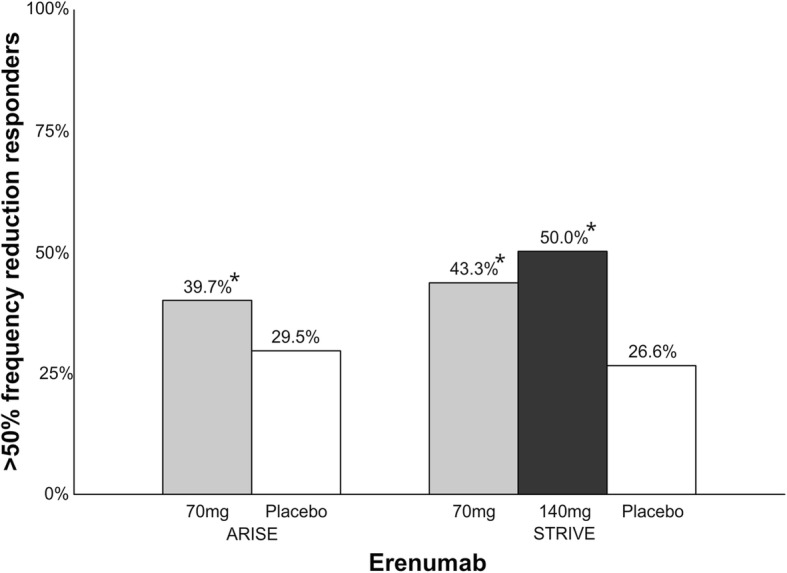
The development of ditans, gepants and anti-calcitonin gene-related peptide monoclonal antibodies for the treatment of migraine is one of the greatest advances in the migraine field. Lasmiditan, rimegepant and ubrogepant will extend our therapeutic armamentarium for managing acute migraine attacks when triptans are not effective or contraindicated due to cardiovascular disorders. The monoclonal antibodies are migraine specific prophylactic drugs with high responder rates and favorable adverse event profiles. Furthermore, they offer convenient treatment regimens of 4- or 12-week intervals.
Collectively, novel migraine therapies represent a major progress in migraine treatment and will undoubtedly transform headache medicine.
在过去的十年中,偏头痛研究已经确定了新的药物靶点。在这篇综述中,我们讨论了新兴的抗偏头痛治疗方法的最新数据。
二氢麦角胺、 gepants 和抗降钙素基因相关肽单克隆抗体的开发是偏头痛领域的最大进展之一。拉米地坦、rimegepant 和ubrogepant 将扩大我们的治疗手段,用于管理曲坦类药物因心血管疾病而无效或禁忌的急性偏头痛发作。单克隆抗体是偏头痛特异性预防药物,应答率高,不良事件谱有利。此外,它们提供了方便的治疗方案,间隔 4 或 12 周。
总之,新型偏头痛治疗方法代表了偏头痛治疗的重大进展,无疑将改变头痛医学。