Ali Anum, Shah Ghalib A, Arshad Junaid
Department of Computer Science and Engineering, University of Engineering and Technology, Lahore 54890, Pakistan.
Sultan Quboos IT Chair, University of Engineering and Technology, Lahore 54890, Pakistan.
Sensors (Basel). 2019 Apr 17;19(8):1830. doi: 10.3390/s19081830.
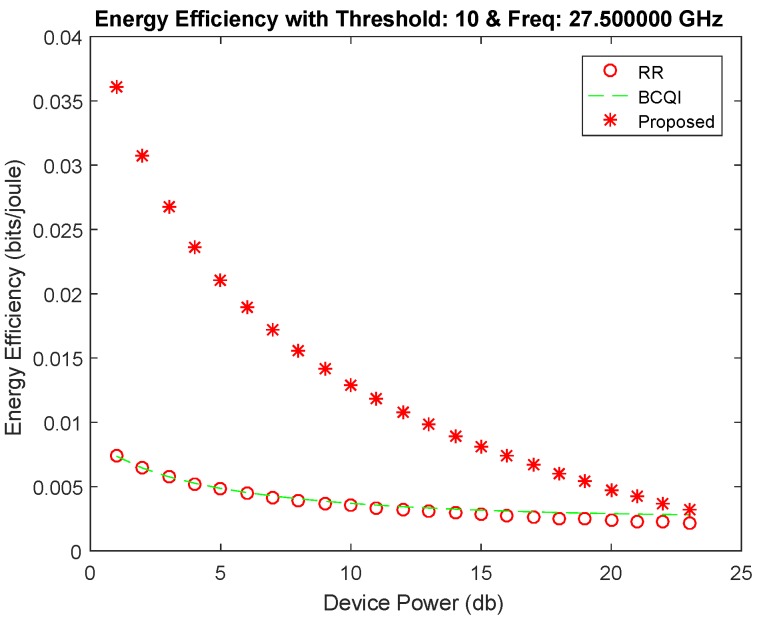
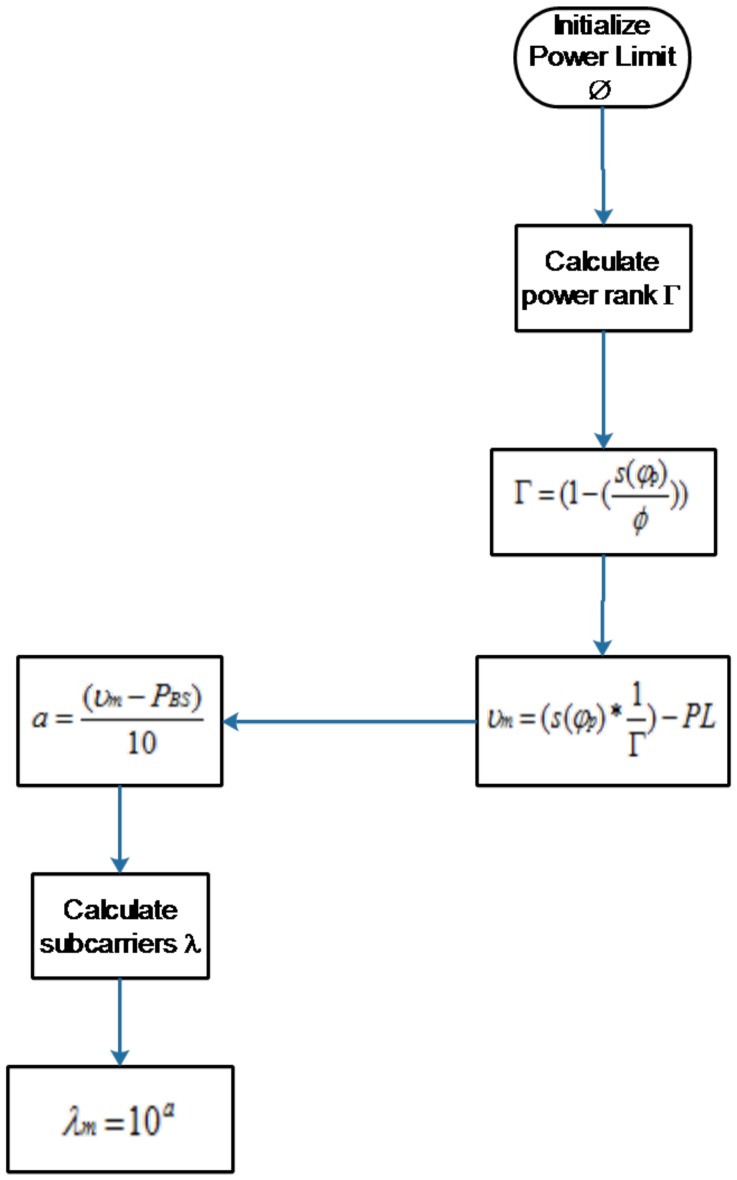
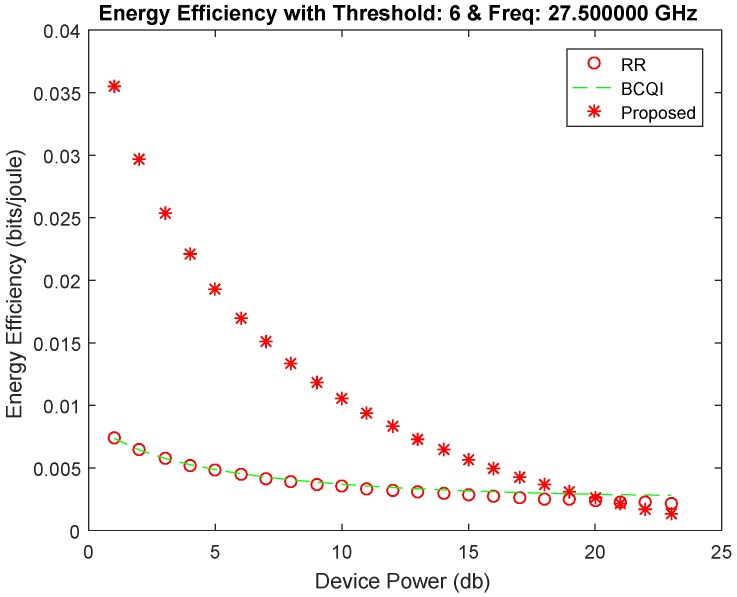
Resource allocation for machine-type communication (MTC) devices is one of the keys challenges in the 5G network as it affects the lifetime of battery powered devices and also the quality of service of the applications. MTC devices are battery restrained and cannot afford a lot of power consumption due to spectrum usage. In this paper, we propose a novel resource allocation algorithm termed threshold controlled access (TCA) protocol. We propose a novel technique of uplink resource allocation in which the devices make a decision of resource allocation blocks based on their battery status and related application's power profile that eventually leads to required quality of service (QoS) metric. The first phase of the TCA algorithm selects the number of carriers to be allocated to a certain device for the better lifetime of low power MTC devices. In the second phase, the efficient solution is implemented through inducing a threshold value. A certain value of the threshold is selected through a mapping based on a QoS metric. The threshold enhances the selection of subcarriers for less powered devices, such as small e-health sensors. The algorithm is simulated for the physical layer of the 5G network. Simulation results show that the proposed algorithm is less complex and achieves better performance when compared to existing solutions in the literature.
机器类型通信(MTC)设备的资源分配是5G网络中的关键挑战之一,因为它会影响电池供电设备的使用寿命以及应用程序的服务质量。MTC设备受电池限制,由于频谱使用,无法承受大量功耗。在本文中,我们提出了一种名为阈值控制接入(TCA)协议的新型资源分配算法。我们提出了一种上行链路资源分配的新技术,其中设备根据其电池状态和相关应用的功率配置文件做出资源分配块的决策,最终导致所需的服务质量(QoS)指标。TCA算法的第一阶段选择要分配给某个设备的载波数量,以延长低功率MTC设备的使用寿命。在第二阶段,通过引入阈值来实现高效解决方案。通过基于QoS指标的映射选择某个阈值。该阈值增强了对功率较低的设备(如小型电子健康传感器)子载波的选择。该算法针对5G网络的物理层进行了仿真。仿真结果表明,与文献中的现有解决方案相比,该算法复杂度较低且性能更好。