Peters-Didier Josefina, Sewell Mary A
School of Biological Sciences, University of Auckland, Private Bag 92019, Auckland, 1142 New Zealand.
Evodevo. 2019 Apr 11;10:8. doi: 10.1186/s13227-019-0119-4. eCollection 2019.
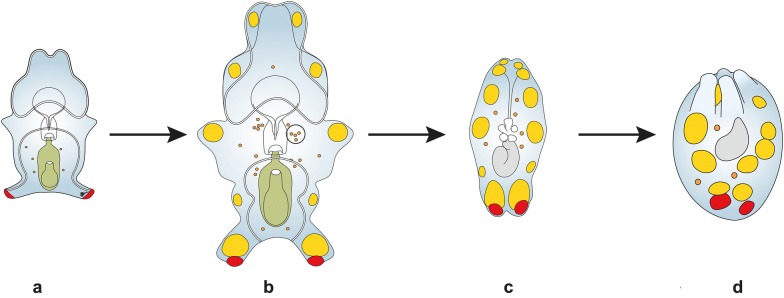
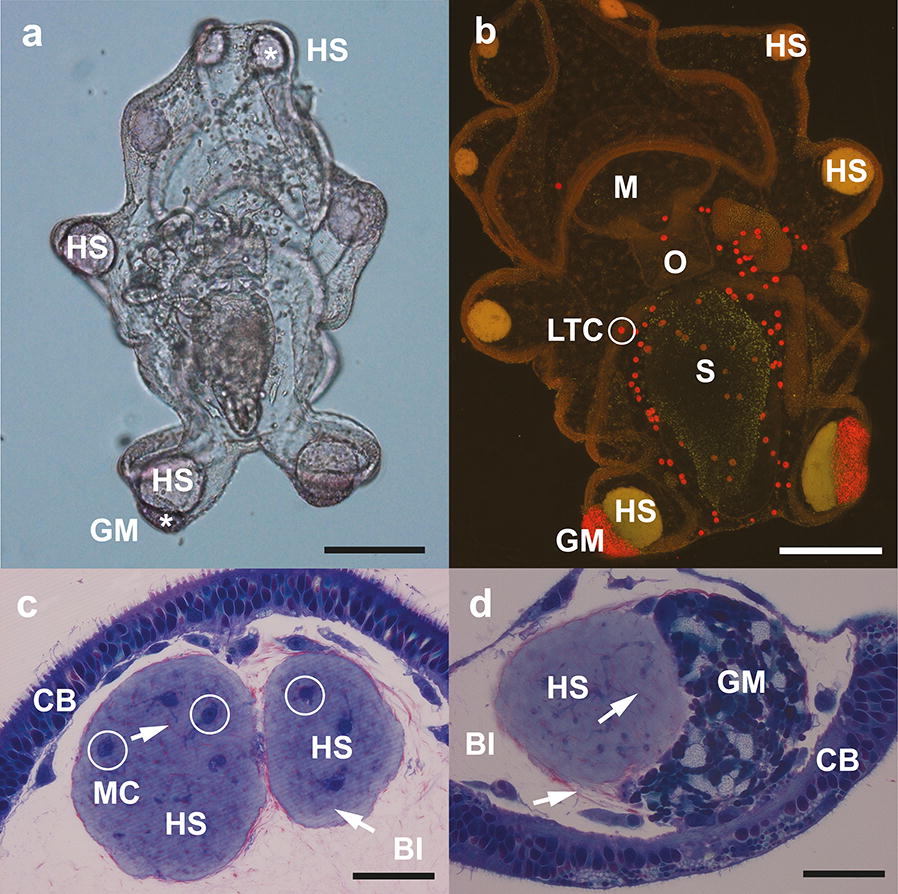
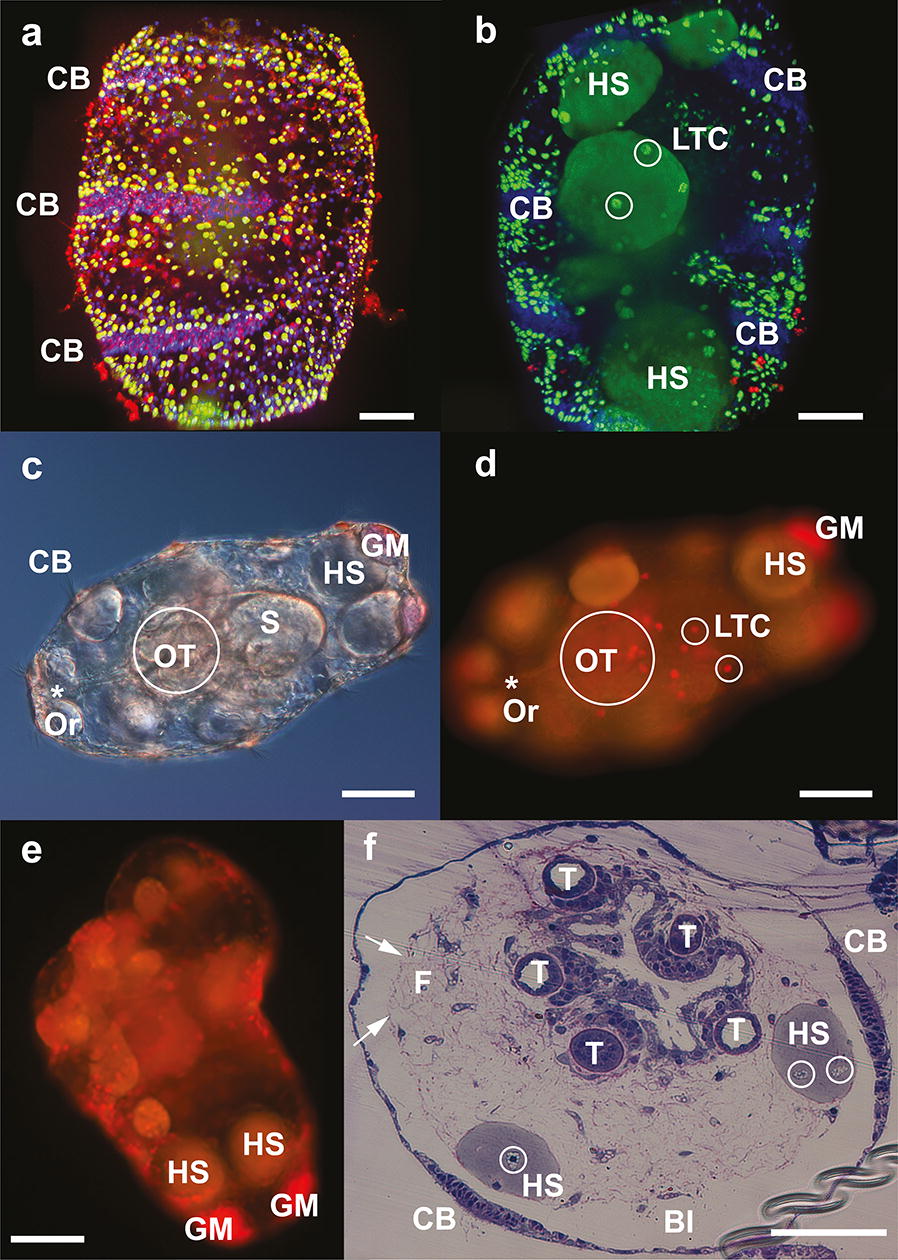
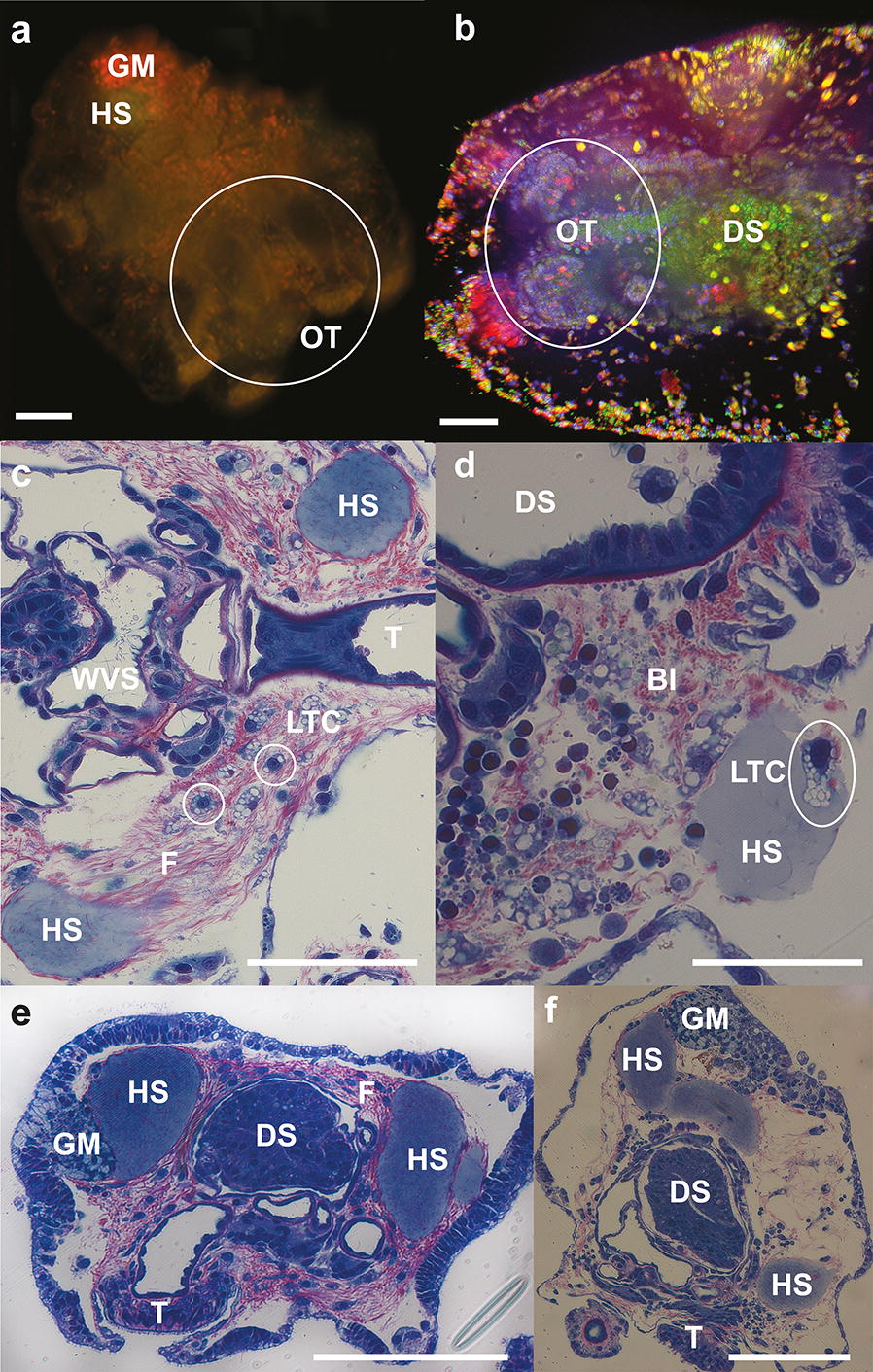
For echinoderms with feeding larvae, metamorphic and post-settlement success may be highly dependent on larval nutrition and the accumulation of energetic lipids from the diet. In contrast to the sea urchins, starfish and brittle stars within the Phylum Echinodermata, sea cucumber metamorphosis does not involve formation of a juvenile rudiment, but instead there is a rearrangement of the entire larval body. Successful metamorphosis in sea cucumbers is often associated with the presence in the late auricularia stage of an evolutionary novelty, the hyaline spheres (HS), which form in the base of the larval arms. Known since the 1850s the function of these HS has remained enigmatic-suggestions include assistance with flotation, as an organizer for ciliary band formation during metamorphosis and as a nutrient store for metamorphosis.
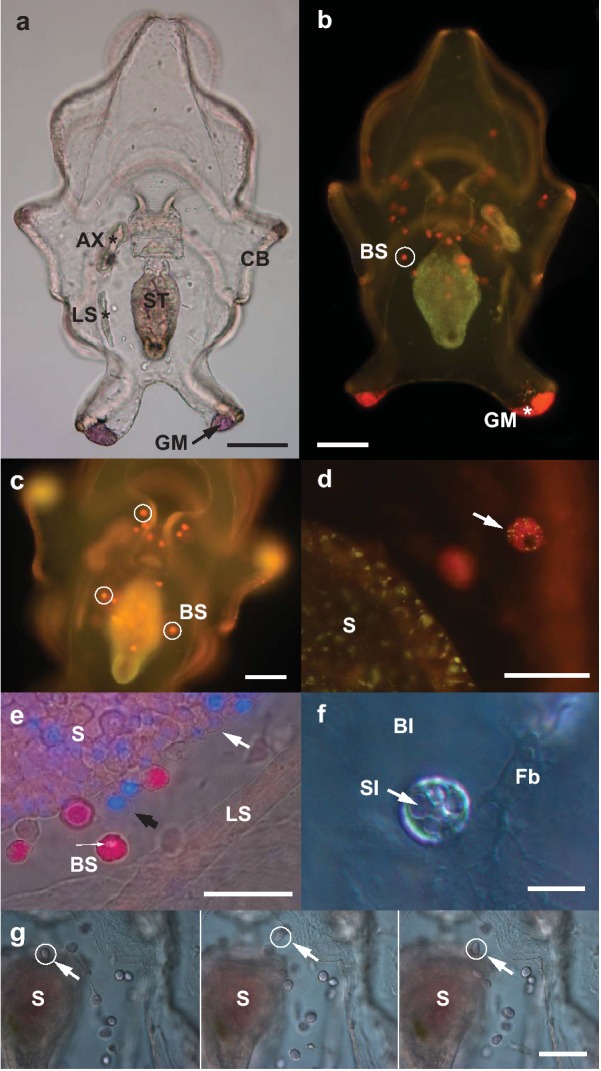
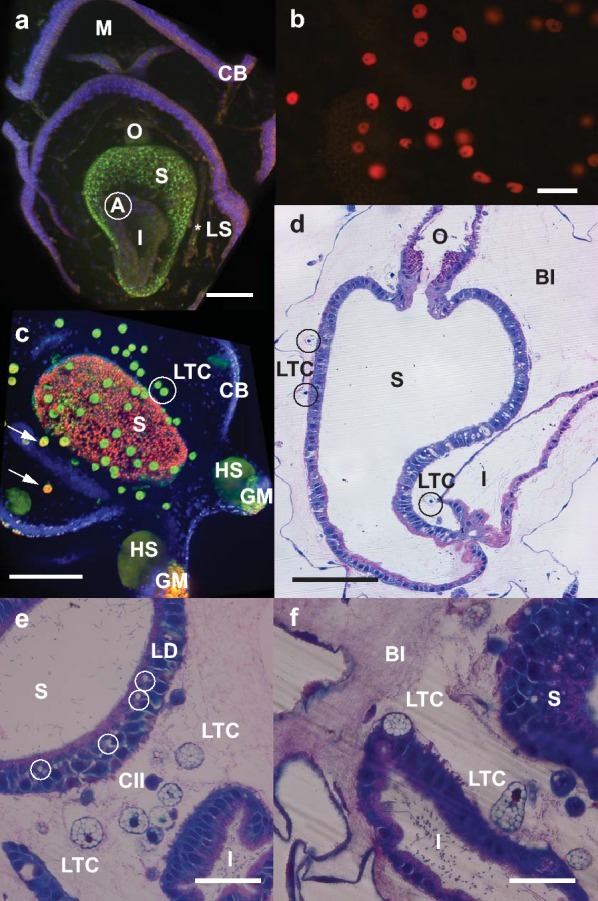
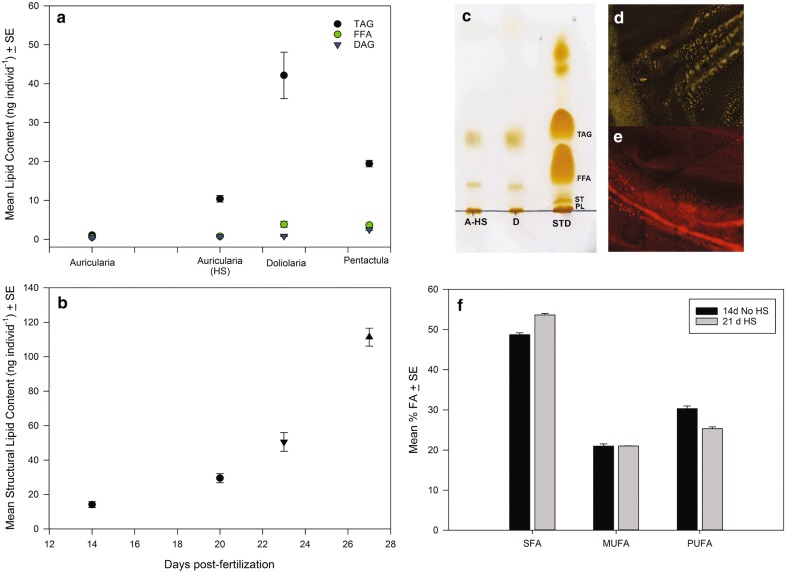
Here using multiple methodologies (lipid mapping, resin-section light microscopy, lipid and fatty acid analyses) we show definitively that the HS are used to store neutral lipids that fuel the process of metamorphosis in . Neutral lipids derived from the phytoplankton diet are transported by secondary mesenchyme cells ("lipid transporting cells", LTC), likely as free fatty acids or lipoproteins, from the walls of the stomach and intestine through the blastocoel to the HS; here, they are converted to triacylglycerol with a higher saturated fatty acid content. During metamorphosis the HS decreased in size as the triacylglycerol was consumed and LTC again transported neutral lipids within the blastocoel.
The HS functions as a nutrient storage structure that separates lipid stores from the major morphogenic events that occur during the metamorphic transition from auricularia-doliolaria-pentactula (settled juvenile). The discovery of LTC within the blastocoel of sea cucumbers has implications for other invertebrate larvae with a gel-filled blastocoel and for our understanding of lipid use during metamorphosis in marine invertebrates.
对于具有摄食性幼虫的棘皮动物而言,变态发育和变态后存活的成功率可能高度依赖幼虫营养以及从食物中积累的高能脂质。与棘皮动物门中的海胆、海星和蛇尾不同,海参的变态发育并不涉及幼体原基的形成,而是整个幼虫身体的重新排列。海参成功变态发育通常与耳状幼体后期出现的一种进化新特征——透明球(HS)有关,透明球在幼虫臂基部形成。自19世纪50年代以来就已为人所知的这些透明球的功能一直成谜,其功能推测包括协助漂浮、作为变态发育期间纤毛带形成的组织者以及作为变态发育的营养储存库。
在这里,我们使用多种方法(脂质图谱分析、树脂切片光学显微镜检查、脂质和脂肪酸分析)明确表明,透明球用于储存中性脂质,这些中性脂质为海参变态发育过程提供能量。源自浮游植物食物的中性脂质由次级间充质细胞(“脂质运输细胞”,LTC)运输,可能以游离脂肪酸或脂蛋白的形式,从胃和肠壁通过囊胚腔运输到透明球;在这里,它们被转化为饱和脂肪酸含量更高的三酰甘油。在变态发育过程中,随着三酰甘油被消耗,透明球尺寸减小,脂质运输细胞再次在囊胚腔内运输中性脂质。
透明球作为一种营养储存结构,将脂质储存与从耳状幼体 - 桶形幼体 - 五触手幼体(变态后的幼体)变态过渡期间发生的主要形态发生事件分开。在海参囊胚腔中发现脂质运输细胞,对其他具有充满凝胶的囊胚腔的无脊椎动物幼虫以及我们对海洋无脊椎动物变态发育期间脂质利用的理解具有启示意义。