Centre for Cardiovascular Science, The University of Edinburgh, The Queen's Medical Research Institute, Edinburgh, UK.
Mass Spectrometry Core, Edinburgh Clinical Research Facility, Centre for Cardiovascular Science, The University of Edinburgh, The Queen's Medical Research Institute, Edinburgh, UK.
J Endocrinol. 2019 Jun 1;241(3):279-292. doi: 10.1530/JOE-18-0666.
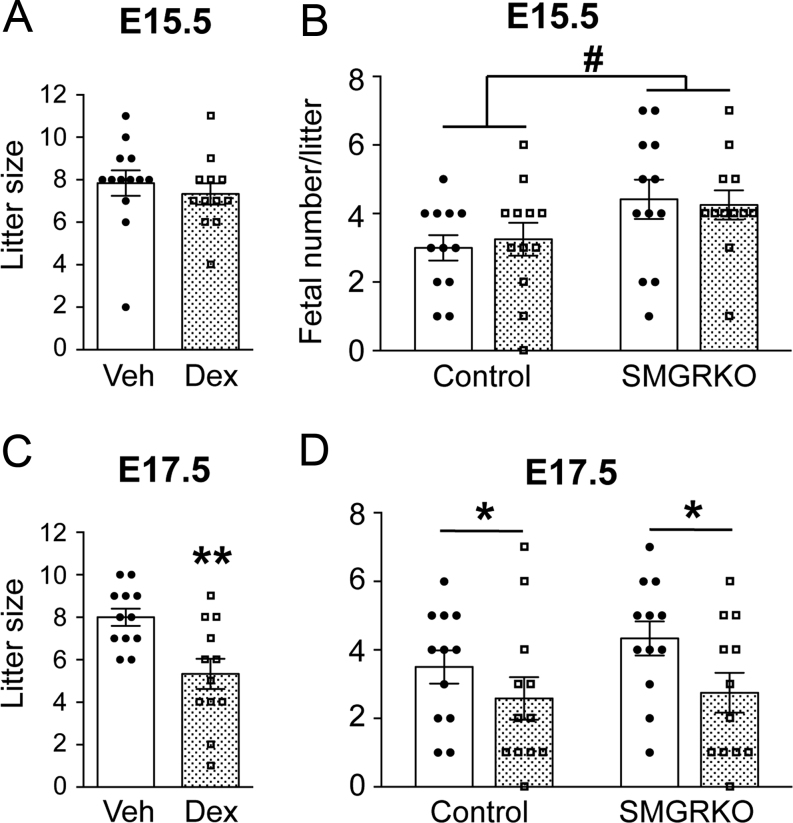
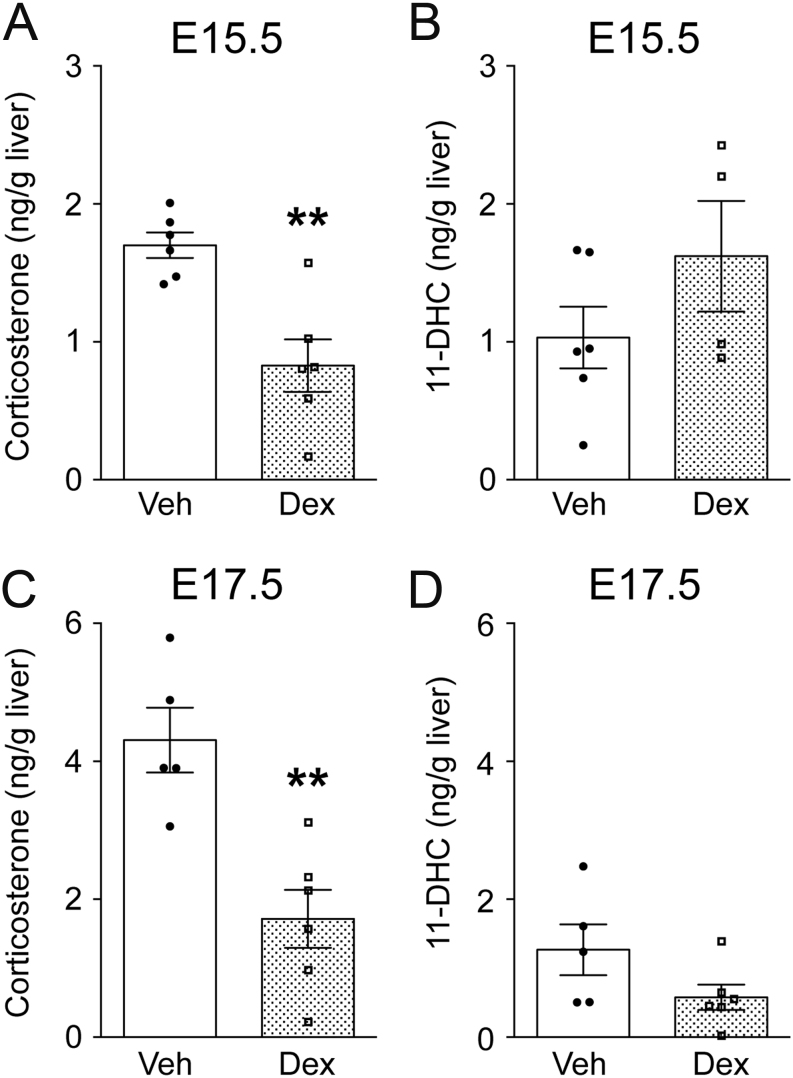
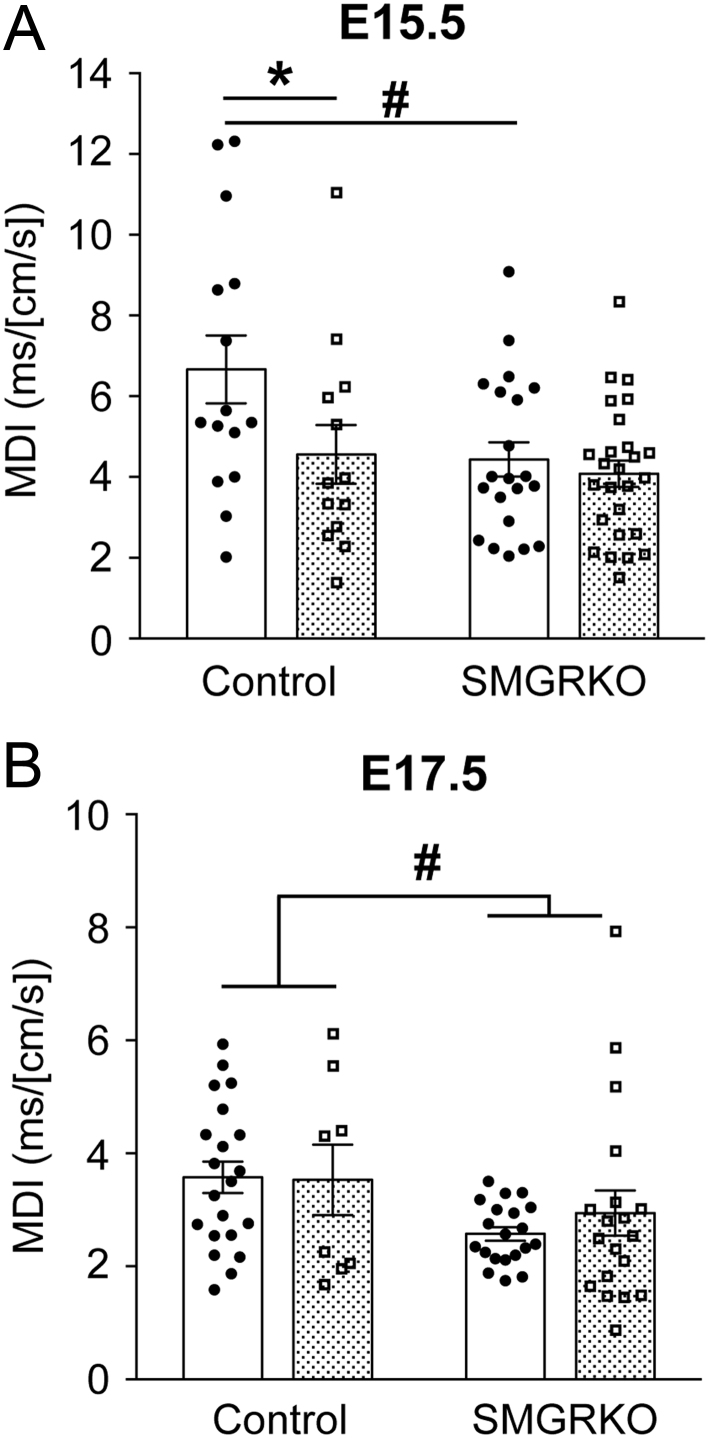
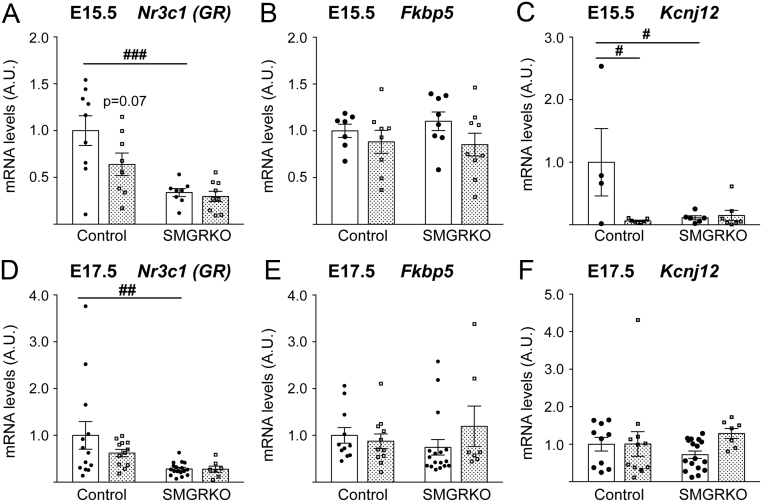
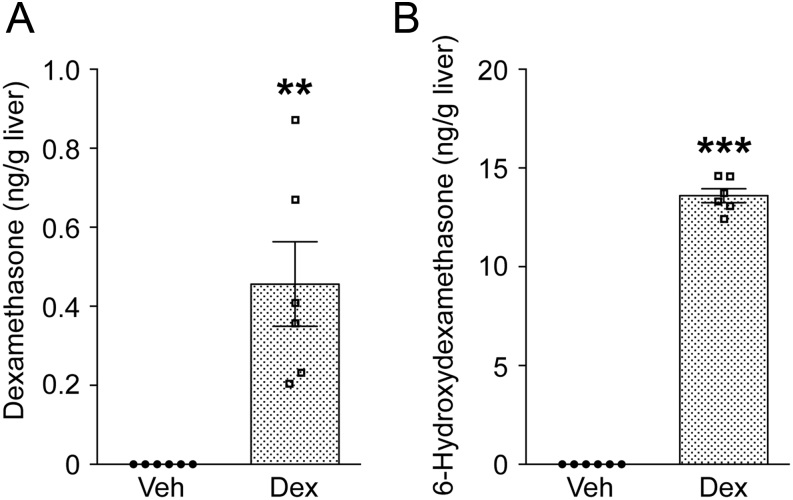
Endogenous glucocorticoid action is important in the structural and functional maturation of the fetal heart. In fetal mice, although glucocorticoid concentrations are extremely low before E14.5, glucocorticoid receptor (GR) is expressed in the heart from E10.5. To investigate whether activation of cardiac GR prior to E14.5 induces precocious fetal heart maturation, we administered dexamethasone in the drinking water of pregnant dams from E12.5 to E15.5. To test the direct effects of glucocorticoids upon the cardiovascular system we used SMGRKO mice, with Sm22-Cre-mediated disruption of GR in cardiomyocytes and vascular smooth muscle. Contrary to expectations, echocardiography showed no advancement of functional maturation of the fetal heart. Moreover, litter size was decreased 2 days following cessation of antenatal glucocorticoid exposure, irrespective of fetal genotype. The myocardial performance index and E/A wave ratio, markers of fetal heart maturation, were not significantly affected by dexamethasone treatment in either genotype. Dexamethasone treatment transiently decreased the myocardial deceleration index (MDI; a marker of diastolic function), in control fetuses at E15.5, with recovery by E17.5, 2 days after cessation of treatment. MDI was lower in SMGRKO than in control fetuses and was unaffected by dexamethasone. The transient decrease in MDI was associated with repression of cardiac GR in control fetuses following dexamethasone treatment. Measurement of glucocorticoid levels in fetal tissue and hypothalamic corticotropin-releasing hormone (Crh) mRNA levels suggest complex and differential effects of dexamethasone treatment upon the hypothalamic-pituitary-adrenal axis between genotypes. These data suggest potentially detrimental and direct effects of antenatal glucocorticoid treatment upon fetal heart function.
内源性糖皮质激素作用对于胎儿心脏的结构和功能成熟非常重要。在胎鼠中,尽管 E14.5 之前糖皮质激素浓度极低,但 GR 从 E10.5 开始就在心脏中表达。为了研究 E14.5 之前心脏 GR 的激活是否会诱导胎儿心脏过早成熟,我们在 E12.5 至 E15.5 期间给妊娠母鼠饮用水中添加地塞米松。为了测试糖皮质激素对心血管系统的直接影响,我们使用了 SMGRKO 小鼠,其中 Sm22-Cre 介导的 GR 在心肌细胞和血管平滑肌中的破坏。出乎意料的是,超声心动图显示胎儿心脏功能成熟没有提前。此外,无论胎儿基因型如何,在停止产前糖皮质激素暴露后两天,胎仔数量减少。心肌性能指数和 E/A 波比值,作为胎儿心脏成熟的标志物,在两种基因型中均不受地塞米松处理的影响。地塞米松处理在 E15.5 时短暂降低了心肌减速指数(MDI;舒张功能的标志物),在 E17.5 时恢复,即在治疗停止后两天。SMGRKO 中的 MDI 低于对照组,且不受地塞米松影响。在接受地塞米松处理的对照胎儿中,MDI 的短暂降低与心脏 GR 的抑制有关。在胎儿组织中测量糖皮质激素水平和下丘脑促肾上腺皮质激素释放激素(Crh)mRNA 水平表明,地塞米松处理在两种基因型之间对下丘脑-垂体-肾上腺轴具有复杂和不同的影响。这些数据表明产前糖皮质激素处理对胎儿心脏功能可能具有潜在的有害和直接影响。