School of Chemistry, Cardiff University, Main Building, Park Place, Cardiff, CF10 3AT, UK.
Departament de Química Física, Universitat de Valencia, 46100, Burjassot, Spain.
Chembiochem. 2019 Nov 18;20(22):2807-2812. doi: 10.1002/cbic.201900134. Epub 2019 Jul 24.
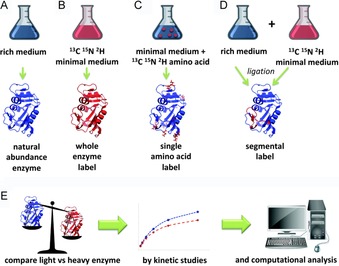
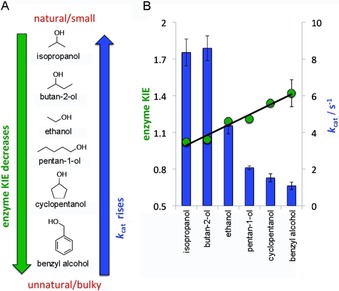
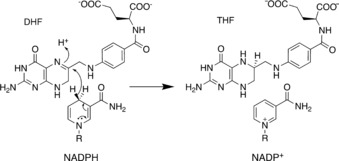
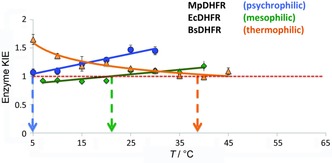
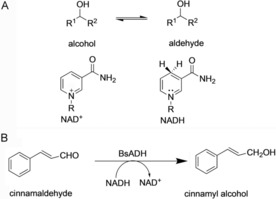
An unsolved mystery in biology concerns the link between enzyme catalysis and protein motions. Comparison between isotopically labelled "heavy" dihydrofolate reductases and their natural-abundance counterparts has suggested that the coupling of protein motions to the chemistry of the catalysed reaction is minimised in the case of hydride transfer. In alcohol dehydrogenases, unnatural, bulky substrates that induce additional electrostatic rearrangements of the active site enhance coupled motions. This finding could provide a new route to engineering enzymes with altered substrate specificity, because amino acid residues responsible for dynamic coupling with a given substrate present as hotspots for mutagenesis. Detailed understanding of the biophysics of enzyme catalysis based on insights gained from analysis of "heavy" enzymes might eventually allow routine engineering of enzymes to catalyse reactions of choice.
生物学中一个悬而未决的问题涉及酶催化和蛋白质运动之间的联系。对同位素标记的“重”二氢叶酸还原酶与其天然丰度对应物的比较表明,在氢化物转移的情况下,蛋白质运动与催化反应的化学性质的偶联被最小化。在醇脱氢酶中,诱导活性位点额外静电重排的非天然、大体积底物增强了偶联运动。这一发现为工程酶提供了一种改变底物特异性的新途径,因为与特定底物进行动态偶联的氨基酸残基作为诱变的热点存在。基于对“重”酶分析获得的见解对酶催化的生物物理学的详细理解,最终可能允许对酶进行常规工程设计以催化所需的反应。