D. E. Shaw Research, New York, NY 10036;
D. E. Shaw Research, New York, NY 10036.
Proc Natl Acad Sci U S A. 2019 May 7;116(19):9390-9399. doi: 10.1073/pnas.1819301116. Epub 2019 Apr 24.
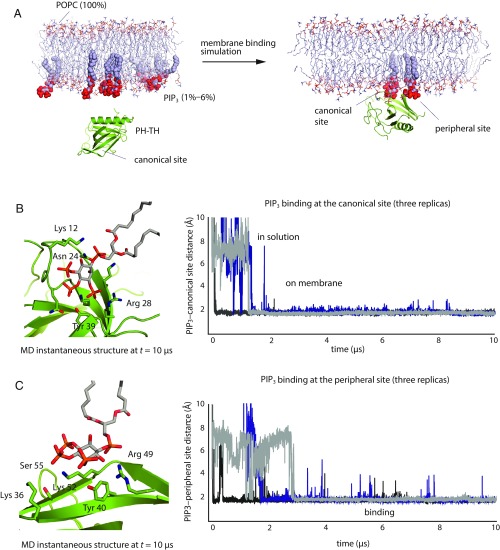
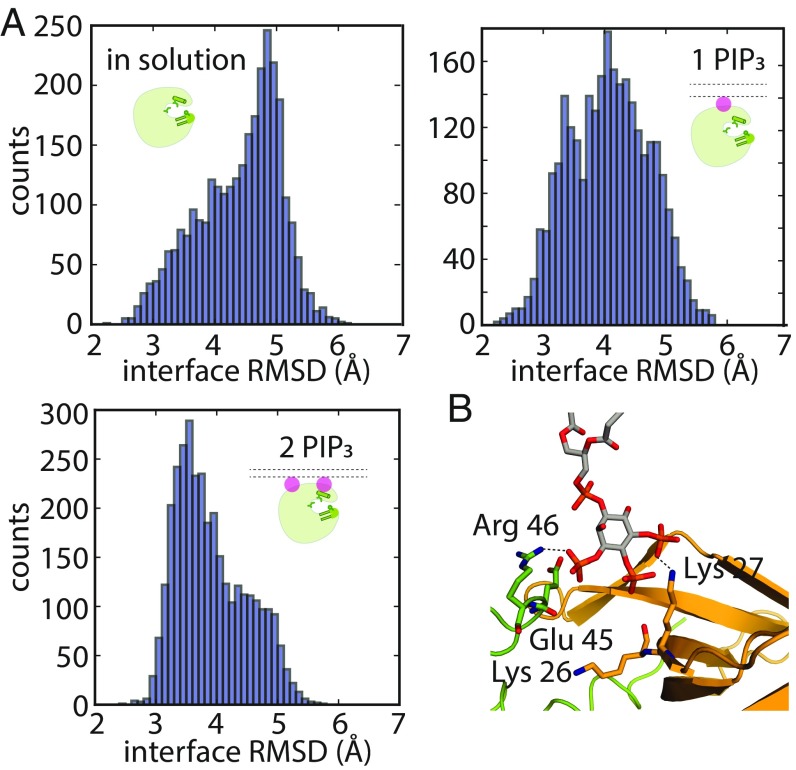
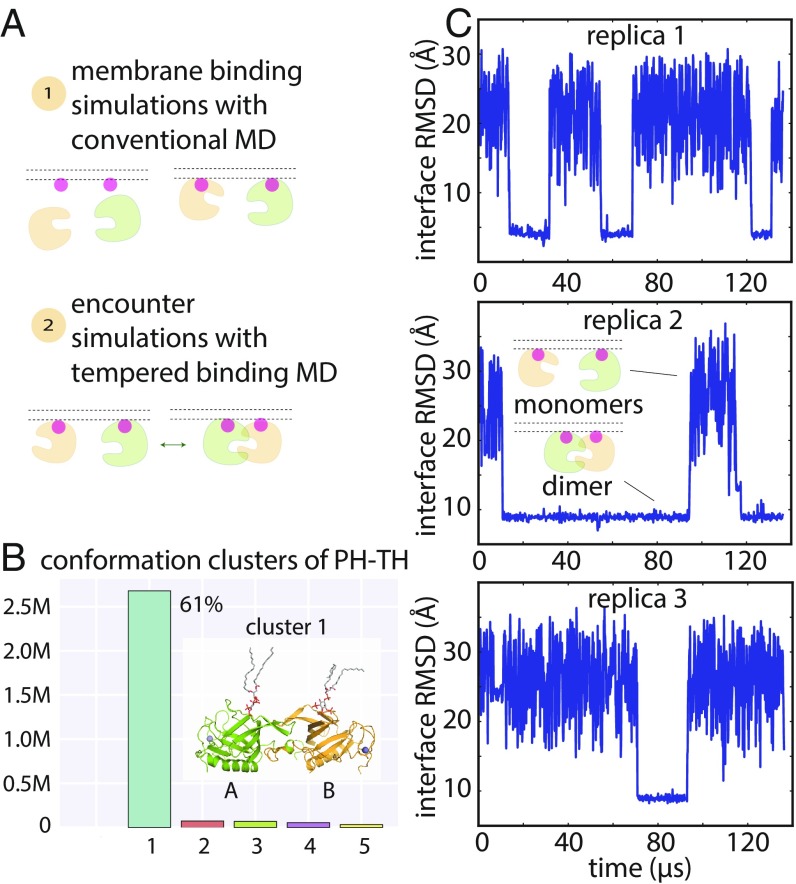
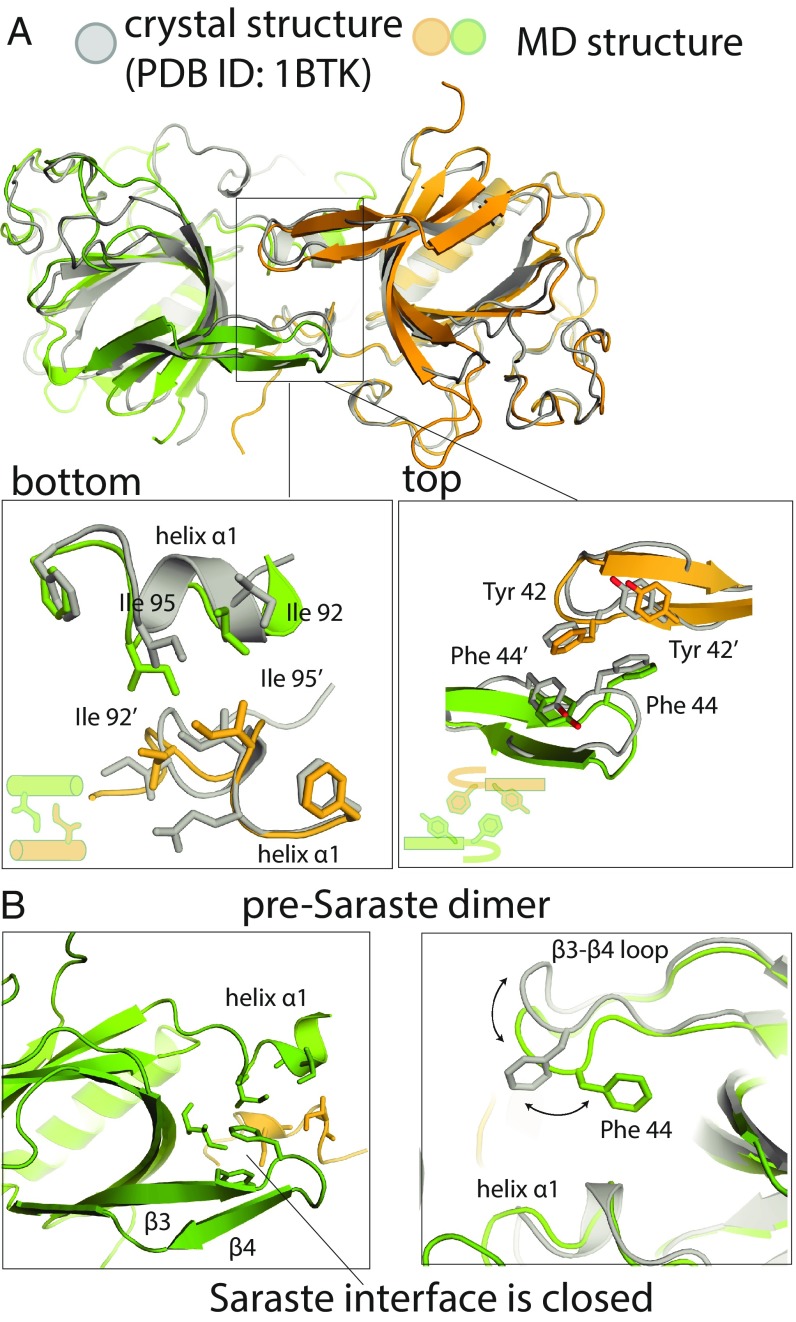
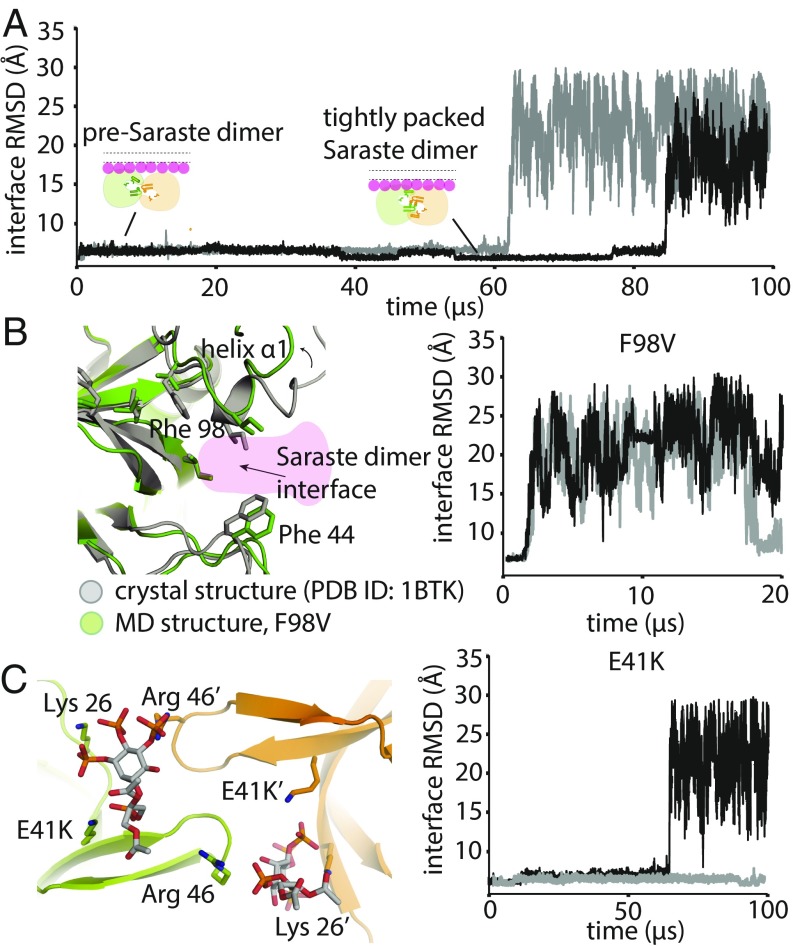
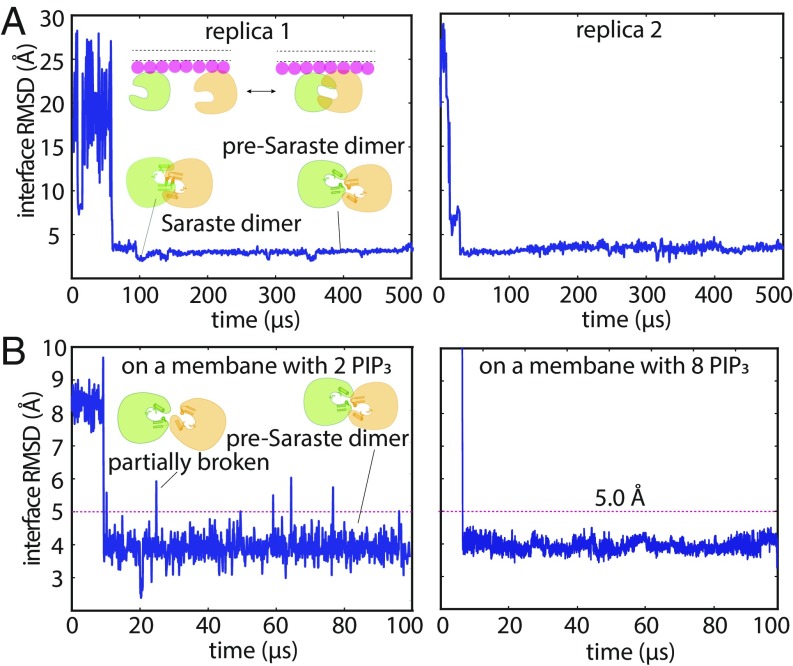
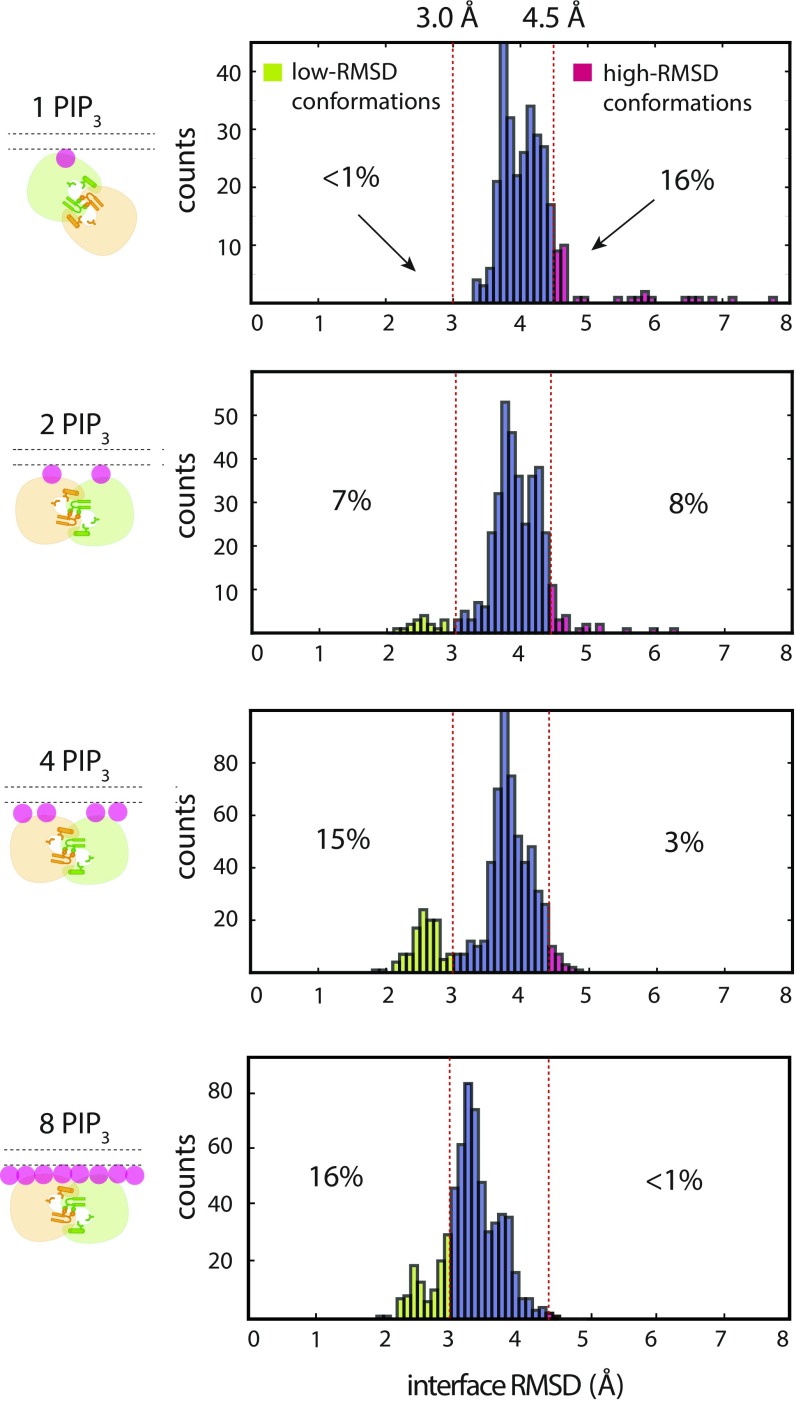
Bruton's tyrosine kinase (Btk) is critical for B cell proliferation and activation, and the development of Btk inhibitors is a vigorously pursued strategy for the treatment of various B cell malignancies. A detailed mechanistic understanding of Btk activation has, however, been lacking. Here, inspired by a previous suggestion that Btk activation might depend on dimerization of its lipid-binding PH-TH module on the cell membrane, we performed long-timescale molecular dynamics simulations of membrane-bound PH-TH modules and observed that they dimerized into a single predominant conformation. We found that the phospholipid PIP stabilized the dimer allosterically by binding at multiple sites, and that the effects of PH-TH mutations on dimer stability were consistent with their known effects on Btk activity. Taken together, our simulation results strongly suggest that PIP-mediated dimerization of Btk at the cell membrane is a critical step in Btk activation.
布鲁顿酪氨酸激酶(Btk)对于 B 细胞的增殖和激活至关重要,因此开发 Btk 抑制剂是治疗各种 B 细胞恶性肿瘤的热门策略。然而,人们对 Btk 激活的详细机制仍缺乏了解。受先前关于 Btk 激活可能依赖于其细胞膜上脂质结合 PH-TH 模块二聚化的建议的启发,我们对膜结合 PH-TH 模块进行了长时间的分子动力学模拟,结果观察到它们二聚化成一种单一的主要构象。我们发现磷脂酰肌醇 4,5-二磷酸(PIP)通过结合多个位点以变构的方式稳定二聚体,并且 PH-TH 突变对二聚体稳定性的影响与其对 Btk 活性的已知影响一致。总之,我们的模拟结果强烈表明,PIP 介导的细胞膜上 Btk 的二聚化是 Btk 激活的关键步骤。